Lindsey Vonn delivered a jaw‑dropping training run in Italy just a week after tearing her ACL, prompting a sports doctor to question whether the injury was truly fresh as she prepares for Olympic downhill.
Lindsey Vonn disclosed a complete ACL tear from a crash and still plans to race in the Olympics with a knee brace, but doctors warned that braces can’t replicate the ACL’s stabilizing role—especially in high-speed, high-precision downhill skiing—and there is a real risk of further knee injury amid additional bone bruising and possible meniscal damage. The decision hinges on shared risk assessment between athlete and medical team, and Vonn says she won’t know her readiness until she skis.
Dr. Pat McKenzie, the longtime team physician and orthopedic surgeon for the Green Bay Packers, is retiring after 35 years, reflecting on his rewarding career, his relationships with players, and his dedication to player health and safety.
Fourteen former NC State athletes have filed a lawsuit accusing ex-head trainer Robert Murphy Jr. of sexual abuse and misconduct over several years, despite school officials' awareness and failed oversight, highlighting a culture of fear and negligence within the university's athletics department.
Fourteen former NC State athletes have filed a lawsuit accusing former sports medicine director Robert Murphy Jr. of sexual misconduct and harassment, alleging that school officials failed to act on prior concerns, revealing a culture of fear and negligence within the athletic department.
Deepak Chona provides weekly fantasy football injury updates for Week 1 of 2025, highlighting key player statuses, potential returns, and injury risks to help managers make informed decisions.
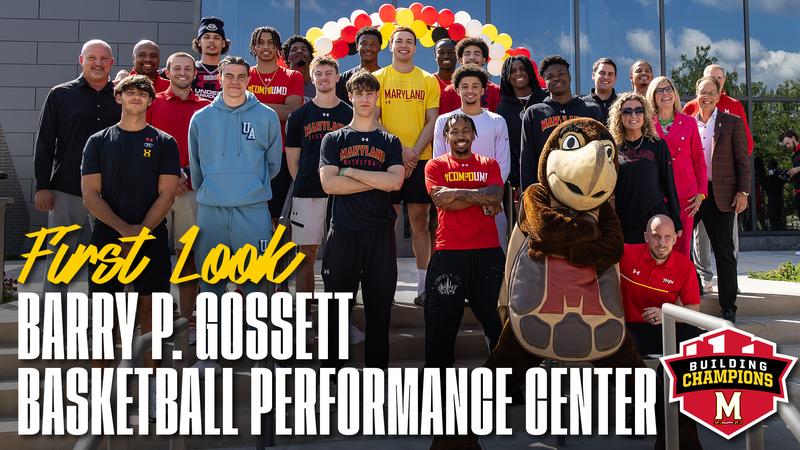
The Barry P. Gossett Basketball Performance Center, a state-of-the-art facility for Maryland men's and women's basketball teams, has opened in College Park, featuring advanced practice courts, strength and conditioning rooms, sports medicine facilities, and dedicated spaces for players and staff, supporting the teams' development and success.
A study by UCL and ISEH reveals that women perform better on cognitive tasks during menstruation, despite expecting worse performance. The research, published in Neuropsychologia, shows cognitive abilities fluctuate throughout the menstrual cycle, with faster reaction times and fewer errors during menstruation. These findings could have significant implications for injury prevention and women's health strategies, challenging common perceptions about women's abilities during their menstrual cycle.
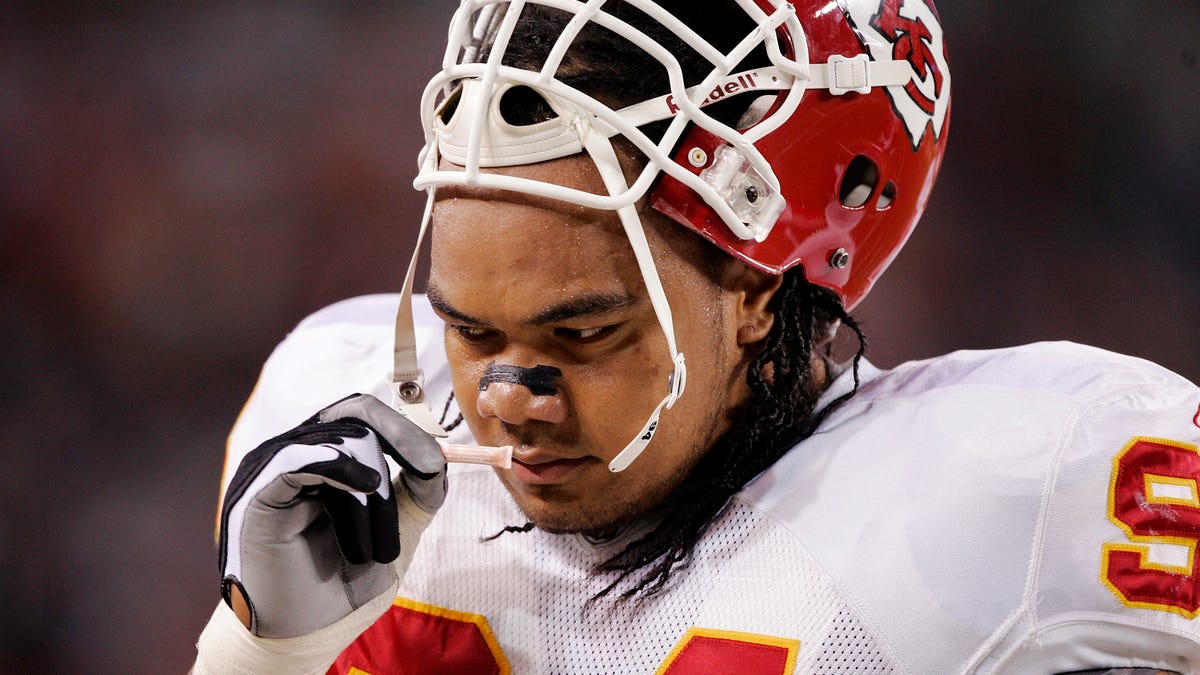
Smelling salts, containing ammonium carbonate, are used by some athletes to increase alertness and oxygen intake, but they can have side effects such as coughing, vomiting, and headaches. While they are generally safe when used as directed, they are only FDA-approved for treating fainting and can cause severe reactions, especially with repeated use. Their impact on performance is uncertain, and they are banned in sports like boxing due to their potential to mask concussion symptoms and cause detrimental effects for athletes with neck injuries. Seeking guidance from athletic trainers, nutritionists, and sports psychologists may be more effective for improving athletic performance.
A new systematic review of exercise-based prevention programs for running injuries suggests that the evidence for strength training as a means of preventing running injuries is underwhelming. While the logic behind strength training to prevent injuries is sound, the review found no significant benefit for exercise groups compared to control groups in terms of injury risk or rate. However, supervised exercise routines and specific foot and ankle strengthening exercises have shown promising results in reducing injury risk. Overall, the evidence on whether strength training or other forms of exercise lower the risk of running injuries remains inconclusive, but there is solid evidence that strength training improves running economy and long-term health.
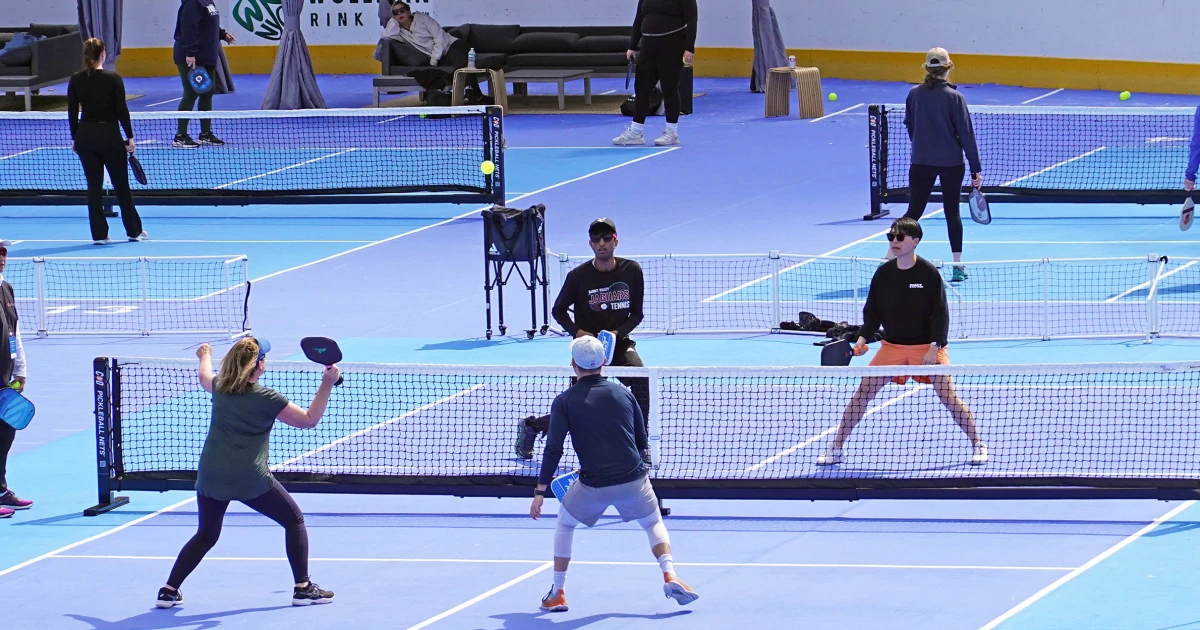
The popularity of pickleball has led to a significant increase in serious injuries among players, with bone fractures related to the sport rising by 200% over the last 20 years. Common injuries include soft tissue injuries, ACL damage, rotator cuff injuries, and foot fractures. Experts advise players to be well-informed and prepared, emphasizing the importance of learning proper mechanics, warming up, wearing appropriate footwear, and getting screened for osteoporosis. Additionally, individuals, especially middle-aged women, are encouraged to undergo bone scans to assess fracture risk.
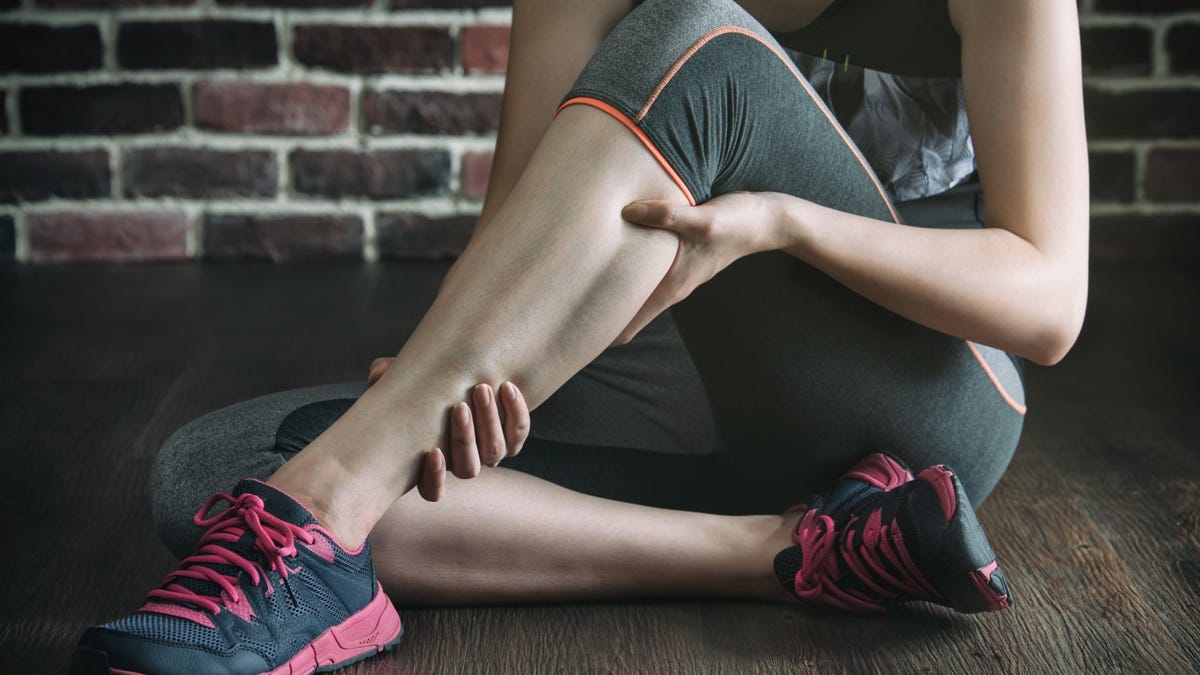
Shin splints are a common overuse injury, particularly among those who suddenly increase their exercise intensity. Factors such as genetics, weight, and footwear can contribute to their development. To prevent shin splints, it's important to gradually increase exercise intensity, incorporate stretching, allow for proper recovery between training sessions, manage weight, and wear appropriate, supportive footwear. Understanding the underlying reasons for developing shin splints is crucial in preventing recurrence.
Scott Shaw, the former director of sports medicine at San Jose State University, pleaded guilty to two misdemeanor counts after being accused of inappropriately touching female athletes without their consent during supposed medical treatment. Shaw, who had previously faced six counts in a federal case that ended in a mistrial, could face up to two years in prison, supervised release, restitution to the victims, and a fine. The guilty plea came after years of denial, and the university has faced criticism for its handling of the allegations.
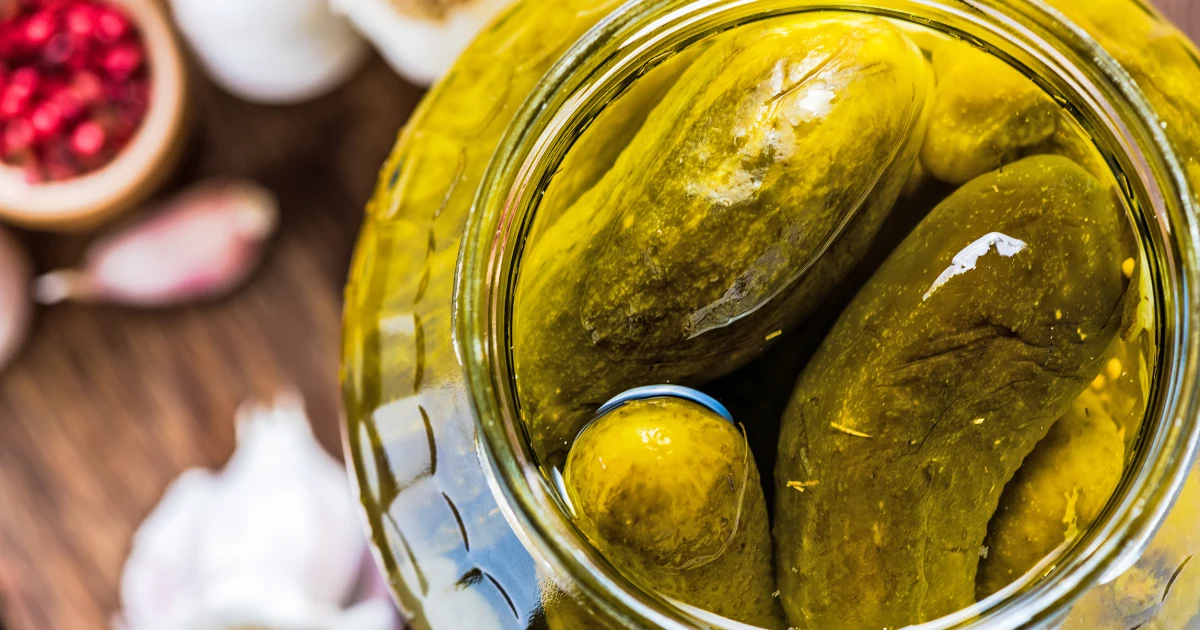
Pickle juice is gaining attention for its potential health benefits, particularly in reducing muscle cramps. Tennis player Carlos Alcaraz was seen drinking pickle juice during breaks in a grueling match, sparking interest in its effectiveness. Studies have shown that pickle juice can alleviate muscle cramps by triggering a nerve reflex in the throat. While it doesn't prevent cramps from occurring, it can stop them in the moment. The high sodium content in pickle juice may also help replenish electrolytes during exercise. Experts recommend consuming a small amount of pickle juice, as long as it contains vinegar, to experience its potential benefits.
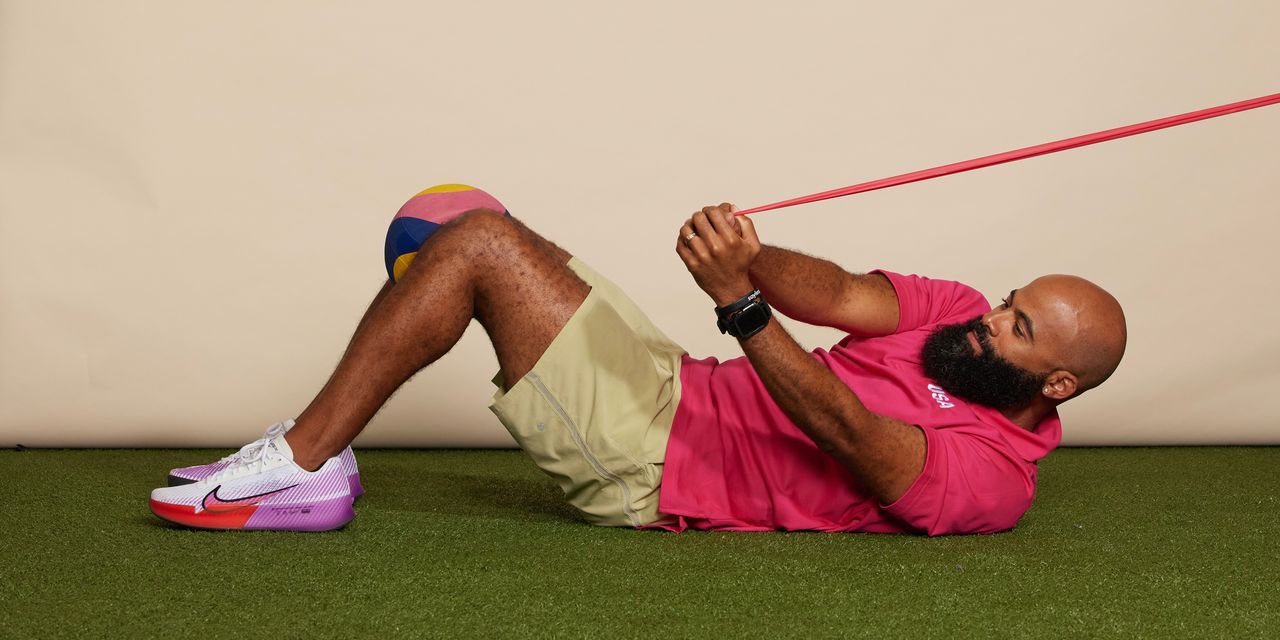
Olympic water polo players focus on all-around core strength, not just six-pack abs, to endure in the pool. Christopher Bates, men’s senior sports-medicine manager for USA Water Polo, recommends skipping sit-ups and instead doing exercises that target the entire core, including the lower back and hips. Six exercises to boost core muscles beyond abs include the plank, bird dog, dead bug, side plank, glute bridge, and Russian twist.