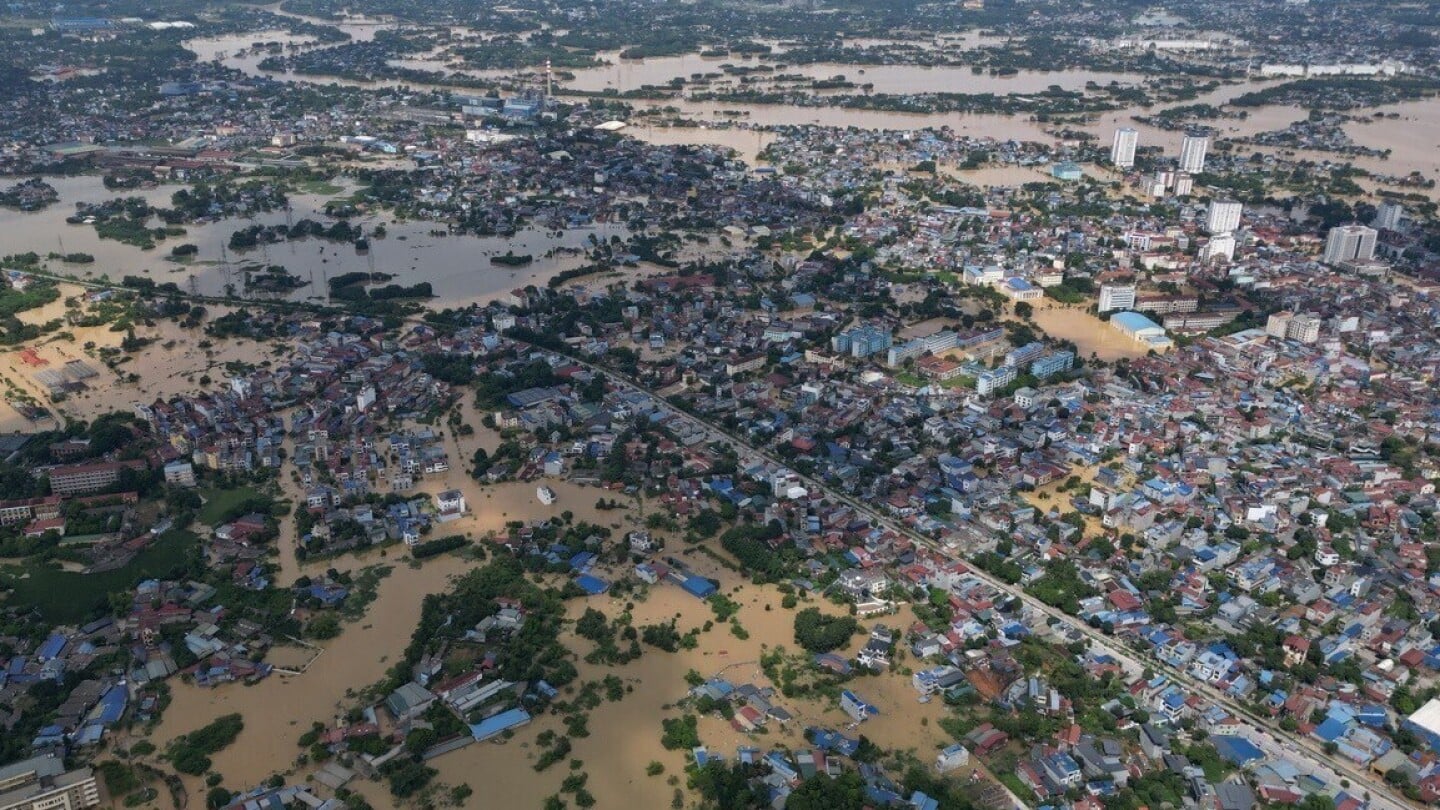
Vietnam is adopting new strategies, including 'sponge cities' and improved drainage, to cope with increasing extreme storms driven by climate change, which have caused severe economic and infrastructural damage, especially in urban areas like Hanoi and Ho Chi Minh City.
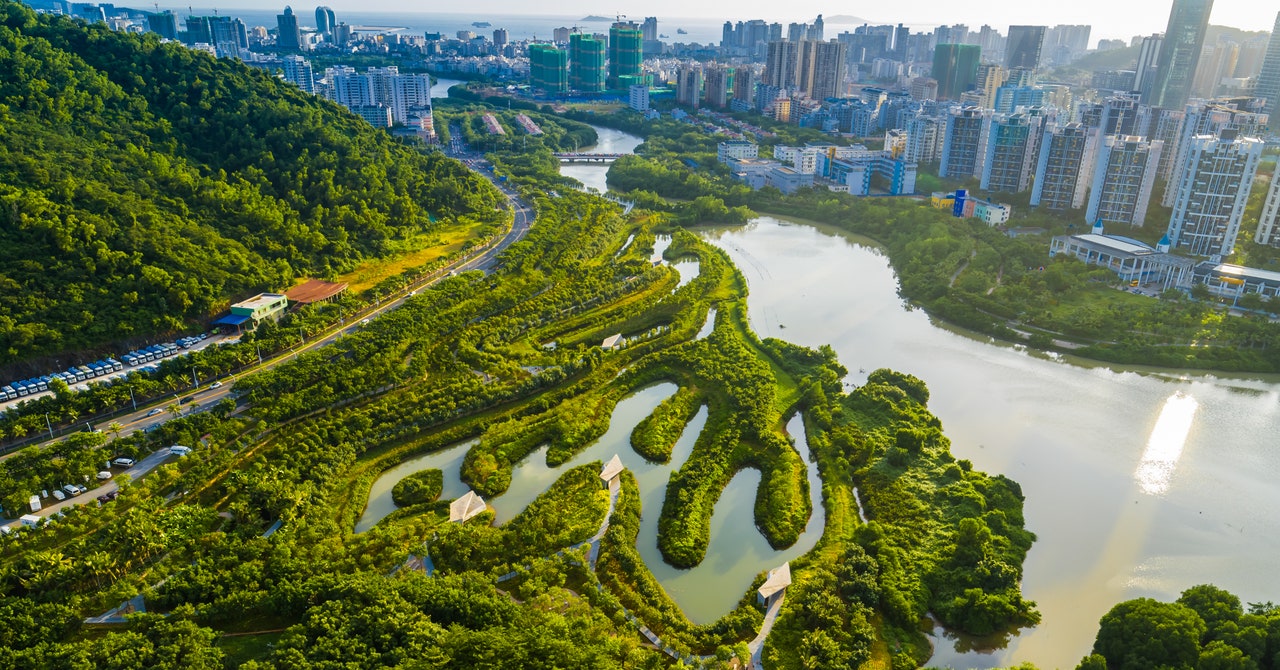
Kongjian Yu, a landscape architect, is pioneering the concept of sponge cities, which aim to capture stormwater instead of disposing of it. By slowing down the flow of water and allowing it to soak into the Earth using rain gardens, spreading grounds, permeable pavers, and urban wetlands, sponge cities can reduce flooding, refill aquifers, and adapt to climate change. This nature-based, holistic solution can be implemented at various scales, from personal to community to regional, and offers benefits such as aquifer recharge, biodiversity support, and heat reduction. Yu emphasizes the need to shift from conventional gray infrastructure to green alternatives and change the business model and policy to prioritize nature-based solutions for managing water in a warming climate.
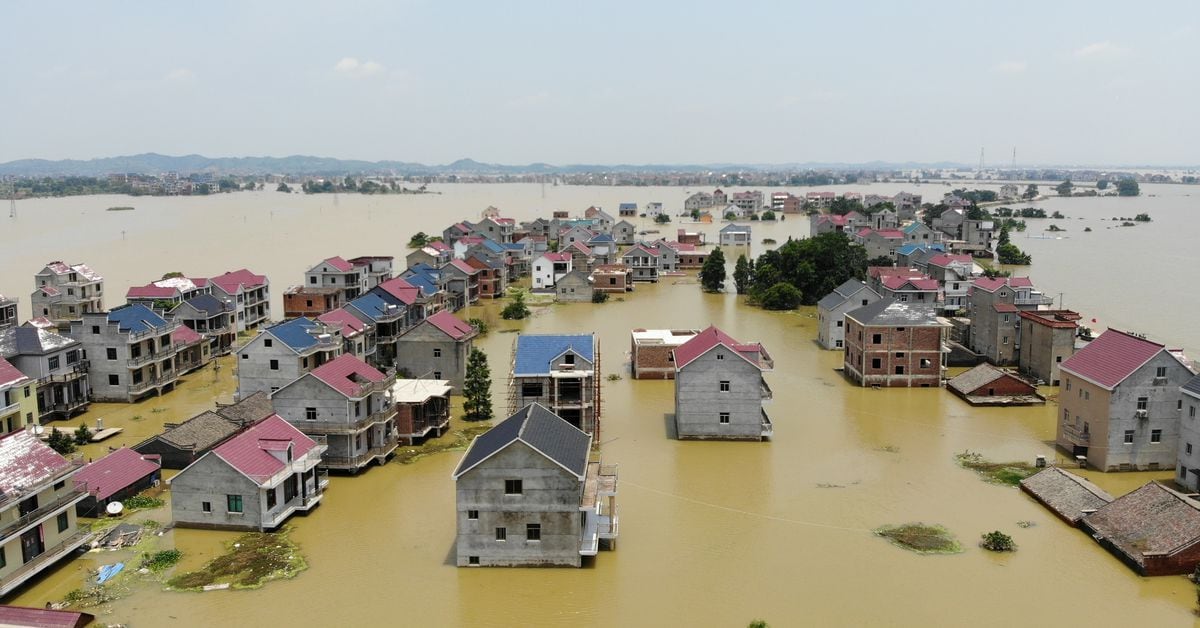
China's "sponge city" initiative, aimed at reducing urban flood risks, has faced limitations in preventing recent devastating floods. The initiative, launched in 2015, focuses on using nature-based solutions to improve water distribution, drainage, and storage. While some pilot projects have shown positive results, implementation has been patchy, with only a fraction of cities adopting legislation to implement sponge city guidelines. Additionally, the infrastructure of sponge cities can only handle a limited amount of rainfall, and authorities are struggling to keep up with the impacts of climate change.