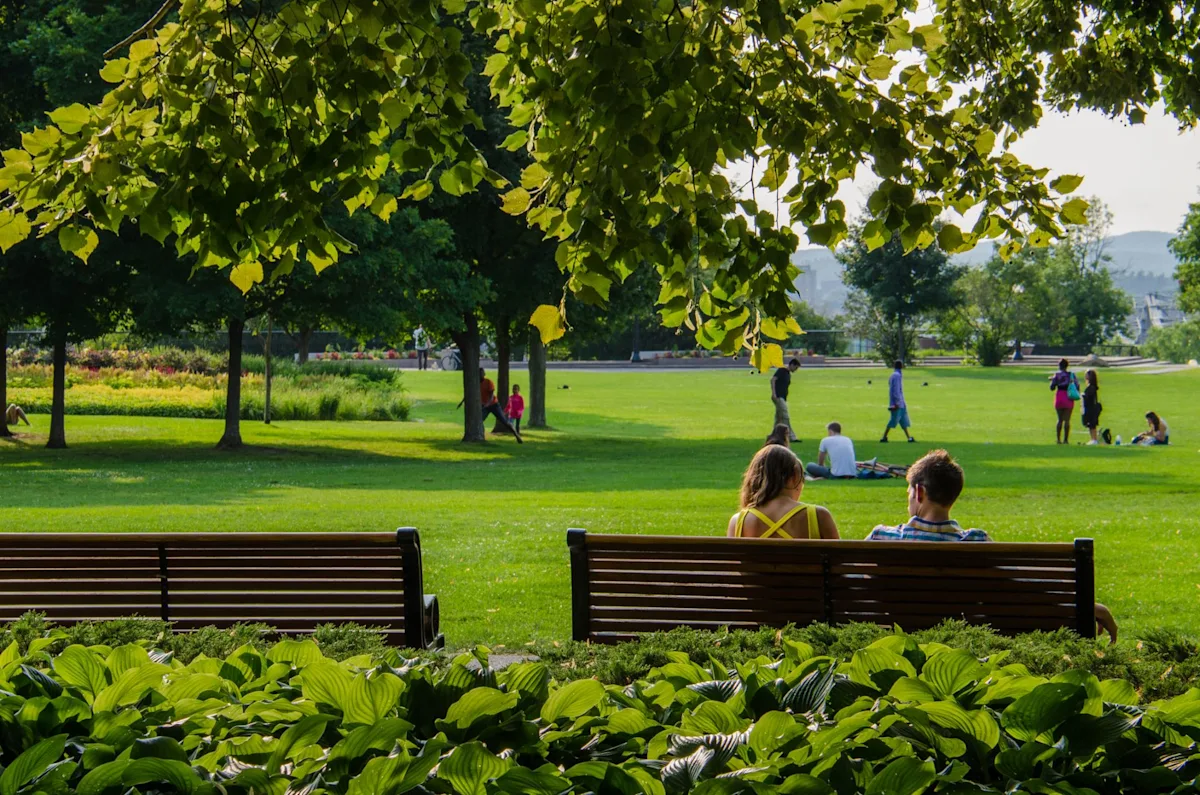
Research in Los Angeles shows that park use declines during extreme heat, but behavioral patterns like time of day and day of week have a greater influence on visitation than heat or amenities. High social sensitivity residents are more willing to travel to less sensitive parks, highlighting disparities. The study suggests focusing on increasing tree cover and green spaces in marginalized communities to improve heat relief and equity, emphasizing the importance of urban planning solutions like cool roofs and reflective pavements to combat climate change effects.
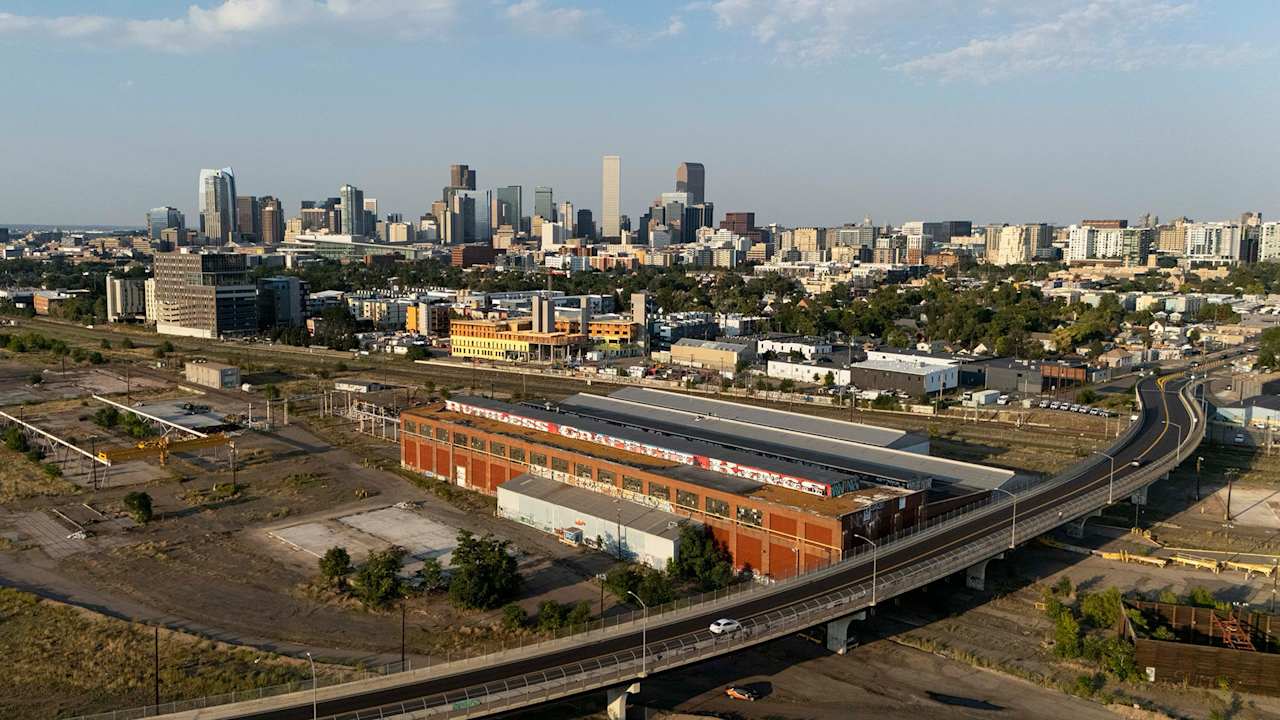
The Denver Broncos have submitted a preliminary plan for a new stadium and mixed-use community at Burnham Yard, emphasizing collaboration with the city and community to create a vibrant, accessible neighborhood that honors local history and enhances quality of life.
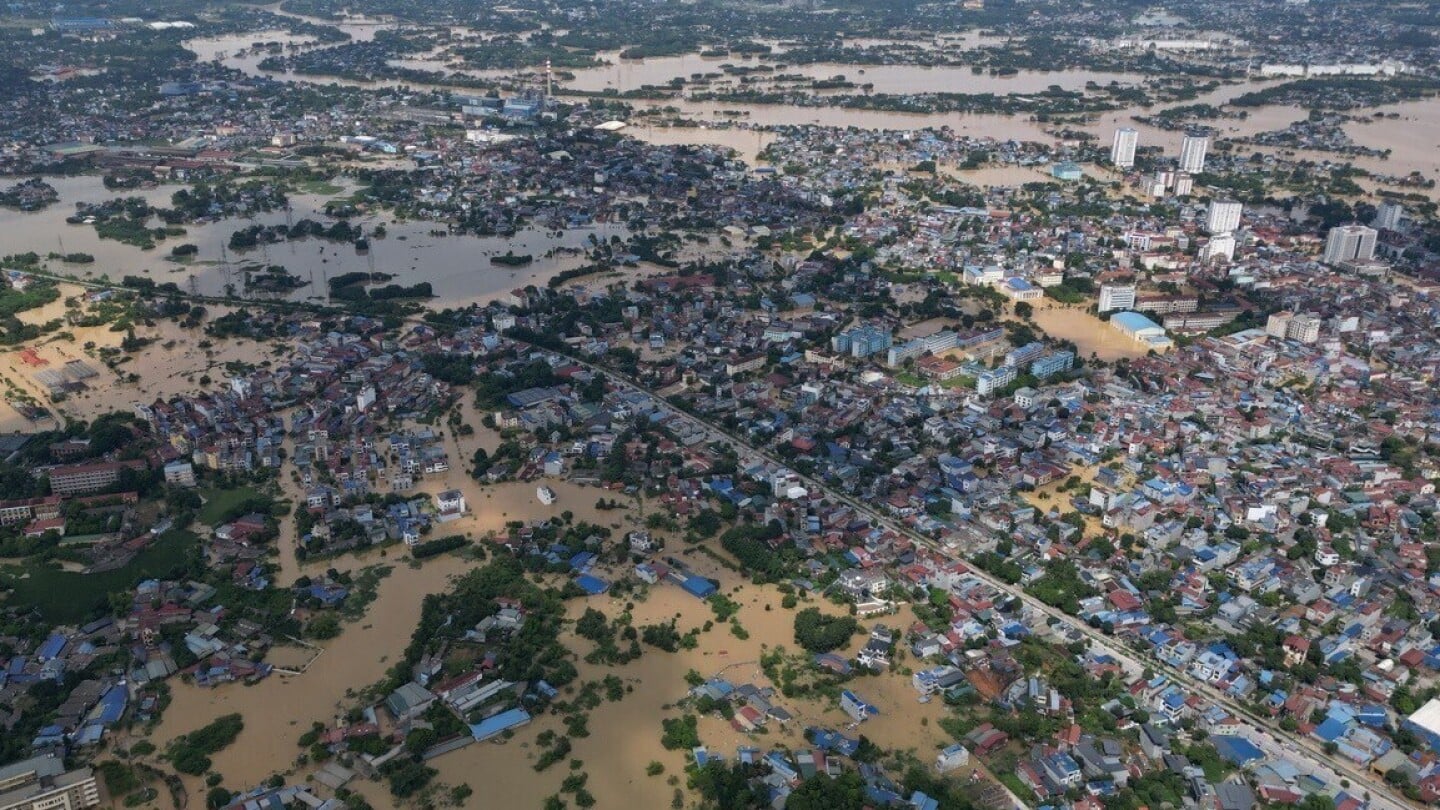
Vietnam is adopting new strategies, including 'sponge cities' and improved drainage, to cope with increasing extreme storms driven by climate change, which have caused severe economic and infrastructural damage, especially in urban areas like Hanoi and Ho Chi Minh City.
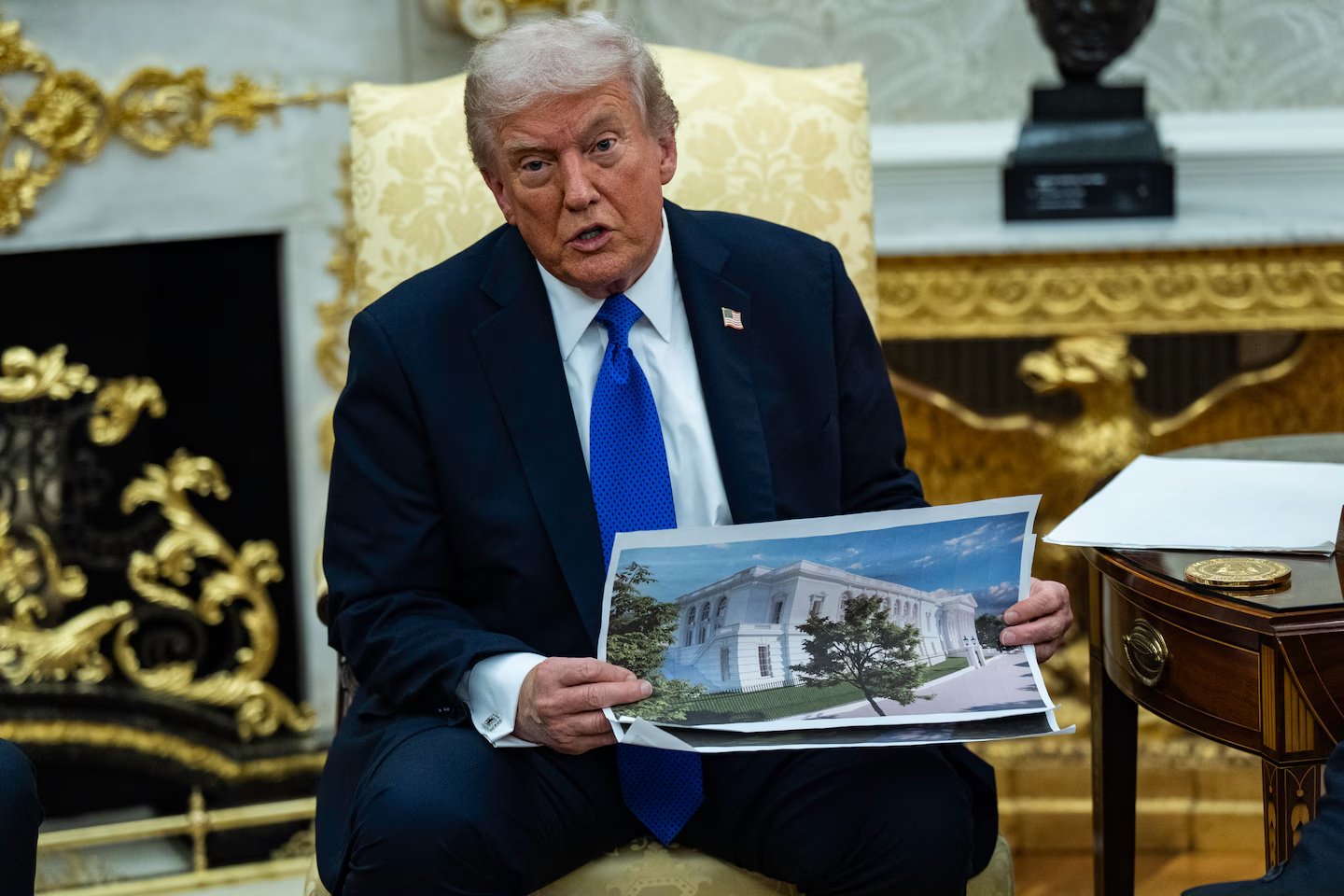
President Trump’s $300 million White House ballroom project will be decided by the obscure National Capital Planning Commission, a federal board overseeing construction projects, now led by his allies.
A new 10-story mixed-use development called 'The Phoenix' is proposed for 3611 North Halsted Street in Lake View East, Chicago, featuring 188 residential units, a café, parking garage, and rooftop amenities, with an estimated cost of $65 million and a completion target of 2027.
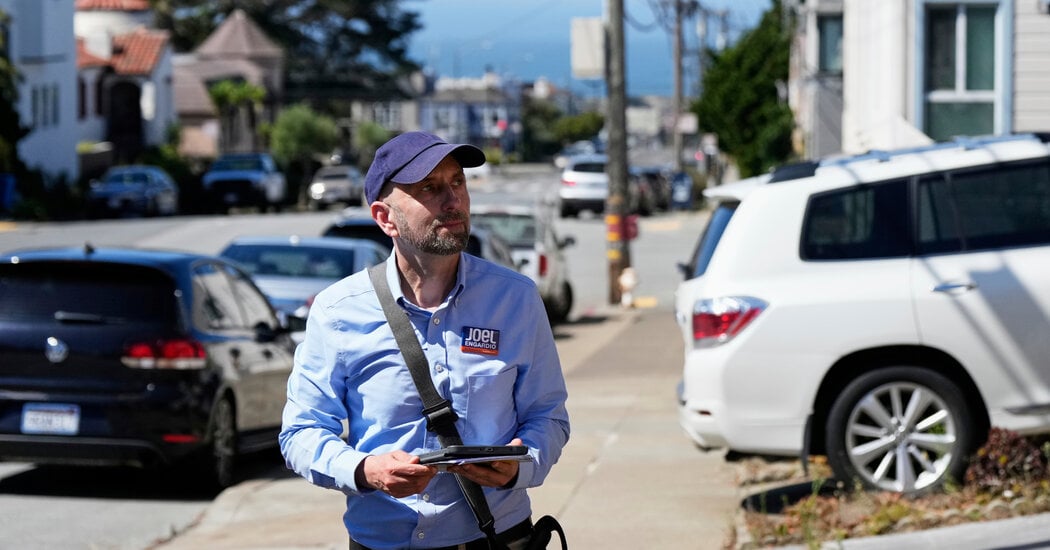
San Francisco Supervisor Joel Engardio was recalled by voters who opposed his support for converting the Great Highway into a park, reflecting ongoing local debates over urban development and community preferences.
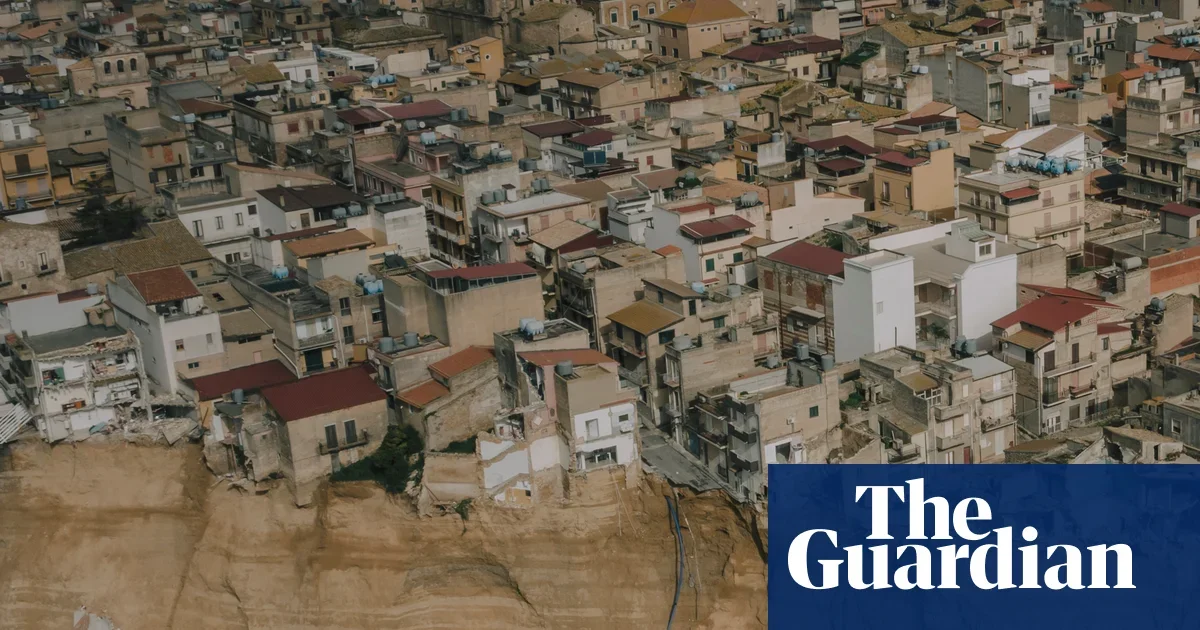
The NYC subway geyser at 28th Street Station was caused by the city's ancient Manhattan stream and wetland terrain, which, combined with aging sewer infrastructure and increased rainfall due to climate change, leads to frequent flooding. Urban development has exacerbated the issue by replacing natural water absorption areas with impervious surfaces, highlighting the need to adapt infrastructure to future climate conditions.
Google Earth now allows users to access historical Street View images, making it easier to see how neighborhoods and environments have changed over the years, which is useful for nostalgia and urban planning.
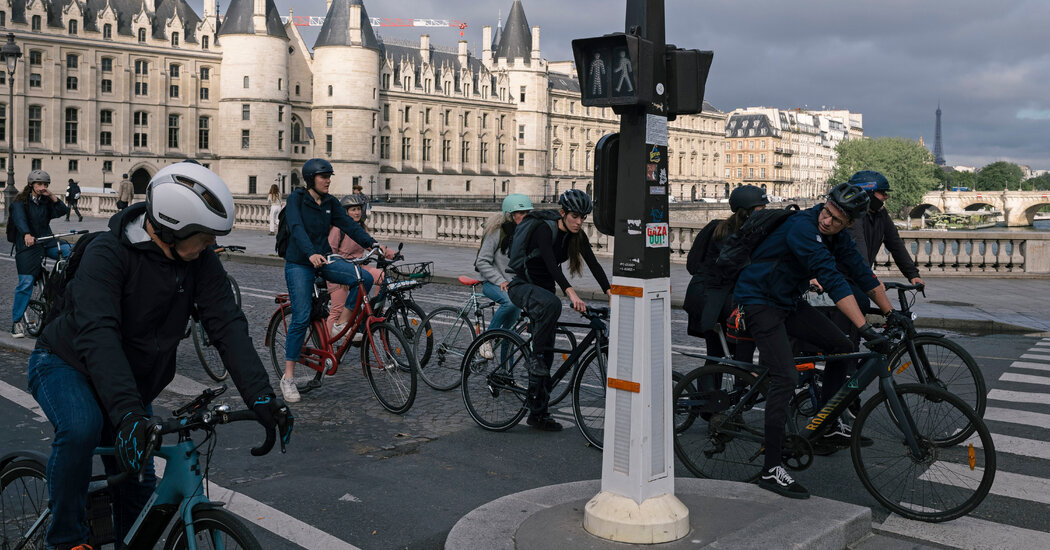
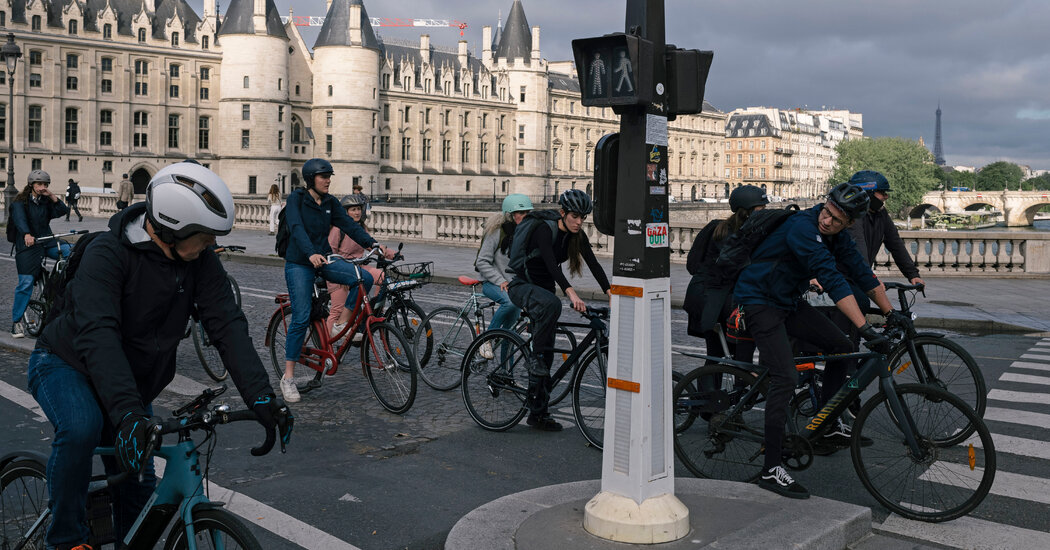
The death of a cyclist in Paris has intensified the debate over Mayor Anne Hidalgo's policies aimed at reducing car traffic in favor of promoting cycling and pedestrian spaces. The incident highlights the tensions between drivers and cyclists, as well as the challenges in implementing urban planning changes that prioritize sustainable transportation.
The death of a cyclist in Paris has intensified the debate over Mayor Anne Hidalgo's policies aimed at reducing car traffic in the city. The incident highlights the tensions between drivers and cyclists as the city pushes for more bike-friendly infrastructure. Critics argue that the rapid changes have led to confusion and safety issues, while supporters believe these measures are necessary for sustainable urban development.
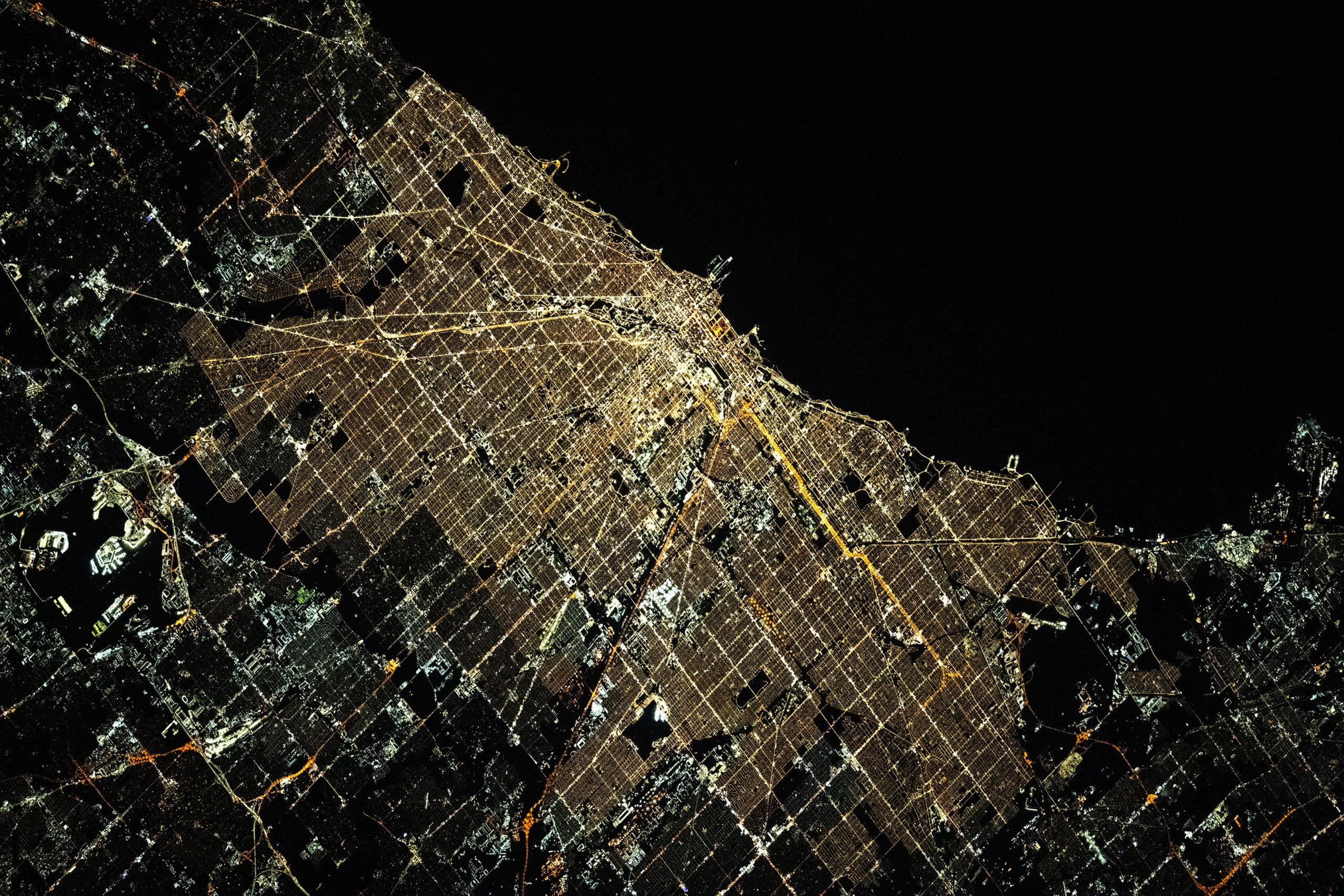
An astronaut aboard the International Space Station captured a stunning nighttime photograph of Chicago on March 1, 2024, highlighting the city's vibrant lights and historical grid layout. The image showcases the contrast between warm sodium lights and cooler LEDs, outlining major roadways and landmarks like the Navy Pier and Chicago Harbor. Dark natural spaces, such as the Chicago River and nearby parks, stand out against the illuminated urban landscape, offering a unique perspective on the city's organized growth and lighting technology.
New research led by UT Professor Alex Bentley suggests that social distancing practices may have been used as early as 6,000 years ago in Neolithic Trypillia mega-settlements to prevent disease spread. The study, published in the Journal of The Royal Society Interface, used computer modeling to analyze the layout of the Nebelivka settlement in Ukraine, revealing that its clustered design likely helped contain foodborne diseases. This ancient urban planning approach could inform modern strategies for managing disease outbreaks.
New York City's congestion pricing plan has cleared its final bureaucratic hurdle, paving the way for its implementation. This plan aims to reduce traffic congestion and generate revenue for public transportation improvements by charging drivers entering the busiest parts of Manhattan. It marks a significant step in urban planning and traffic management for the city.
New York City's proposed $9 congestion-pricing toll aims to reduce traffic and generate funds for the subway system. However, there are concerns about whether this toll will be sufficient to address the subway's financial and operational challenges. The plan is part of a broader strategy to improve urban transportation and reduce emissions, but its effectiveness in solving the subway's issues remains uncertain.
New York City is set to implement a congestion pricing plan, introducing a $9 toll for vehicles entering certain parts of Manhattan. This initiative aims to reduce traffic congestion and pollution while generating revenue for public transportation improvements.