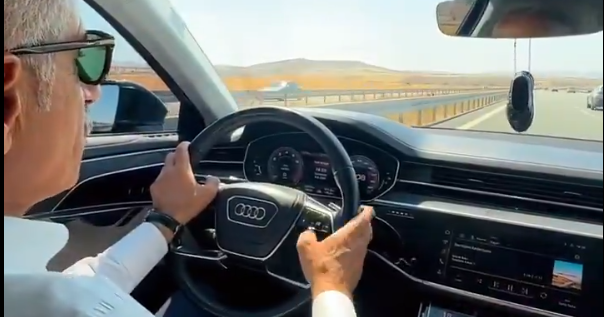
Turkey's transport minister, Abdulkadir Uraloglu, posted a video of himself driving at 140 mph on a highway near Ankara, exceeding the 85 mph speed limit. He later reposted the video, admitting he had been fined for breaking the speed limit and acknowledging that by posting the video, he effectively reported himself. The incident went viral, drawing significant attention and comments.
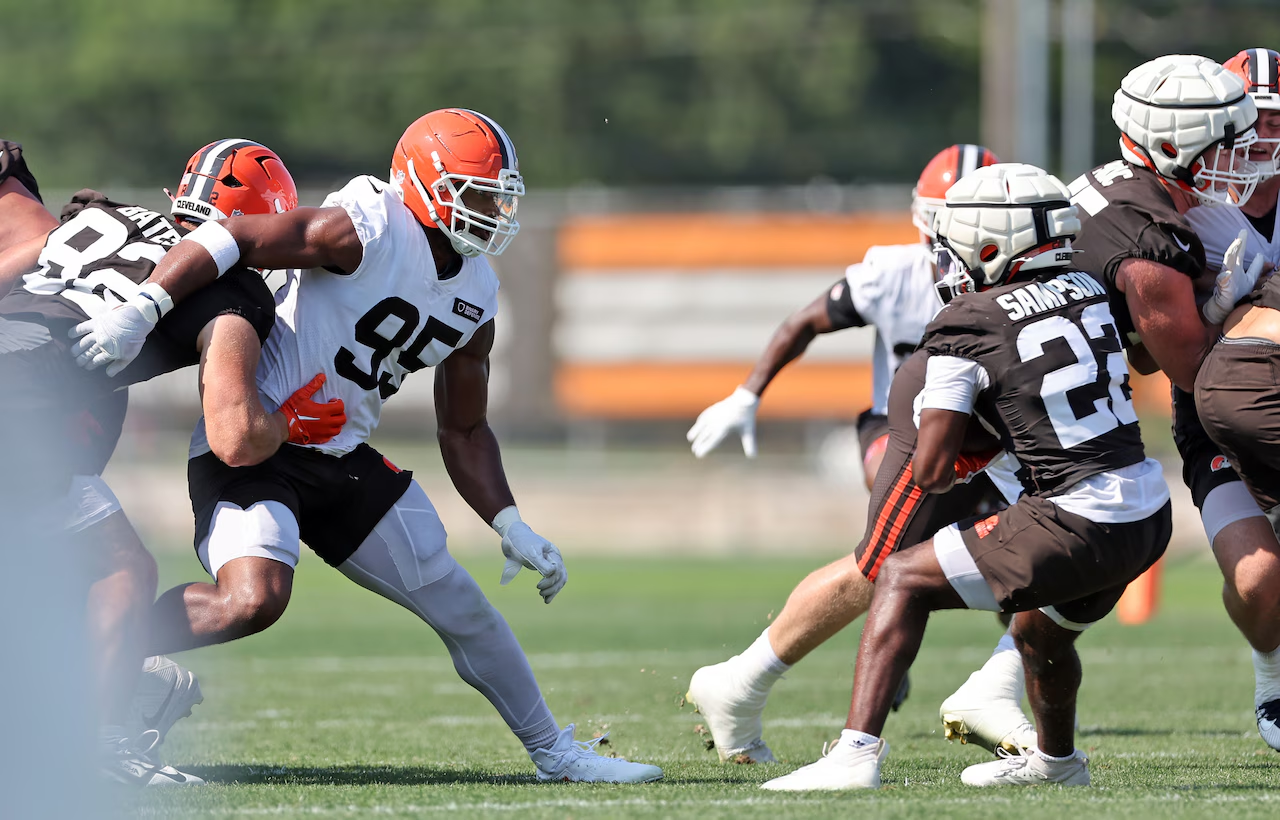
Myles Garrett was cited for speeding at 100 mph in a 60 mph zone in Strongsville, Ohio, nearly three years after a previous Porsche accident, and faces a court hearing if he contests the $250 ticket.
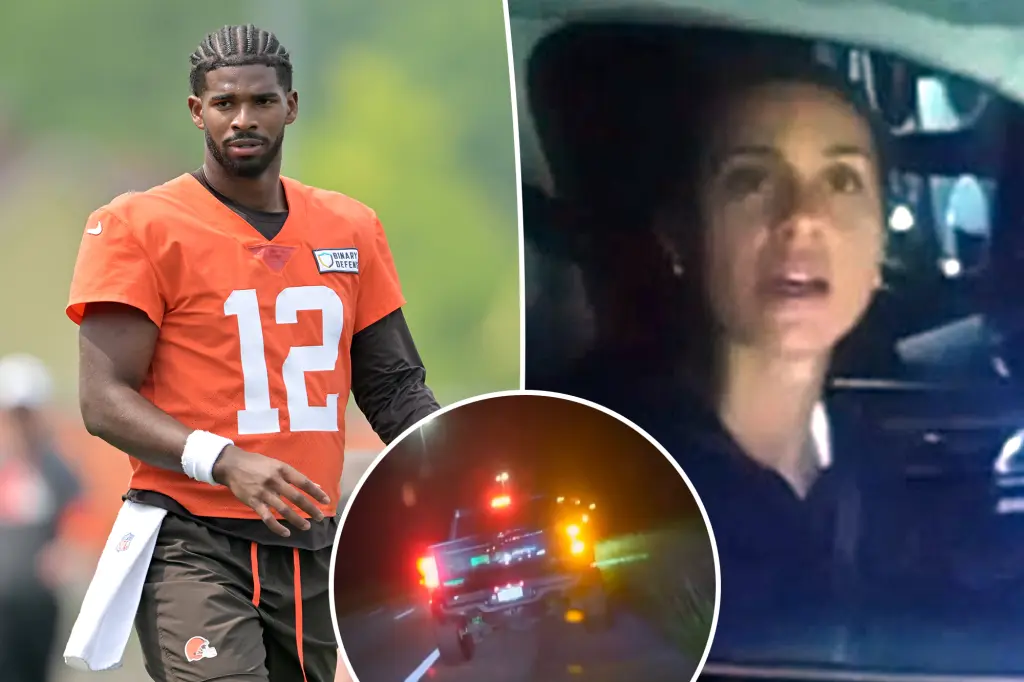
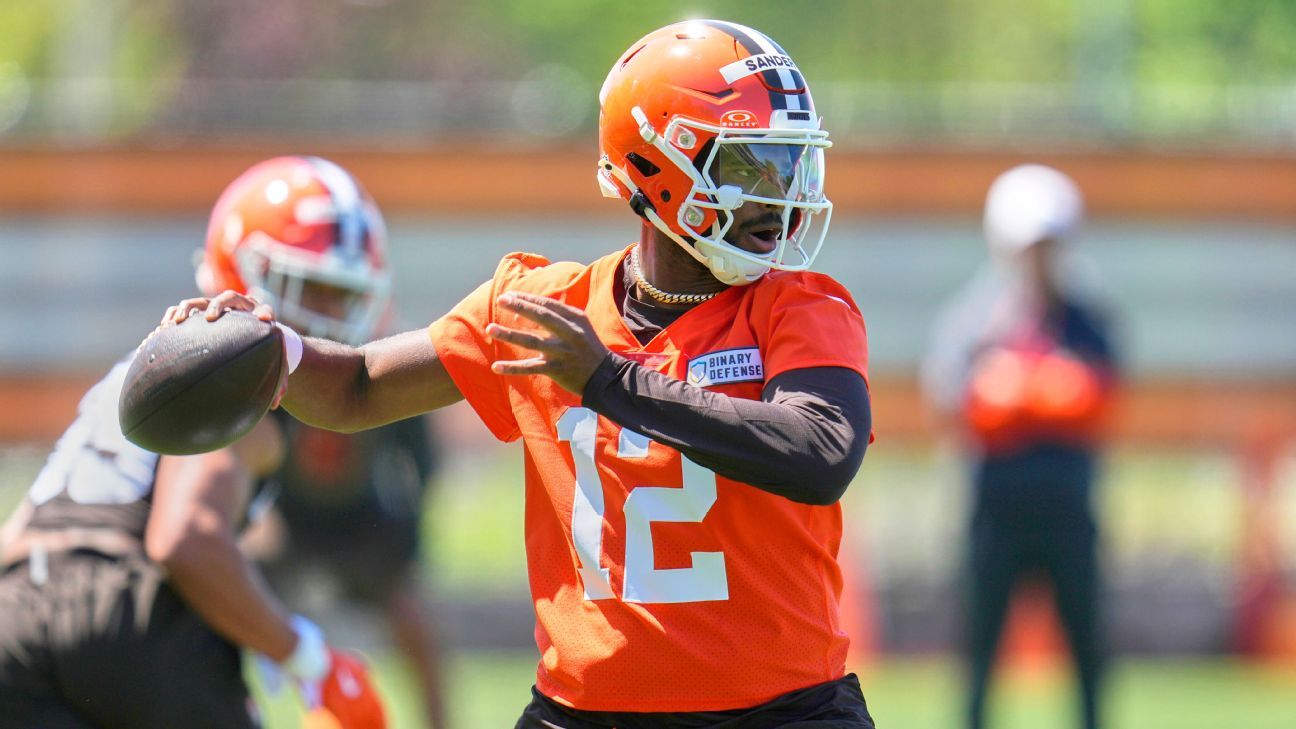
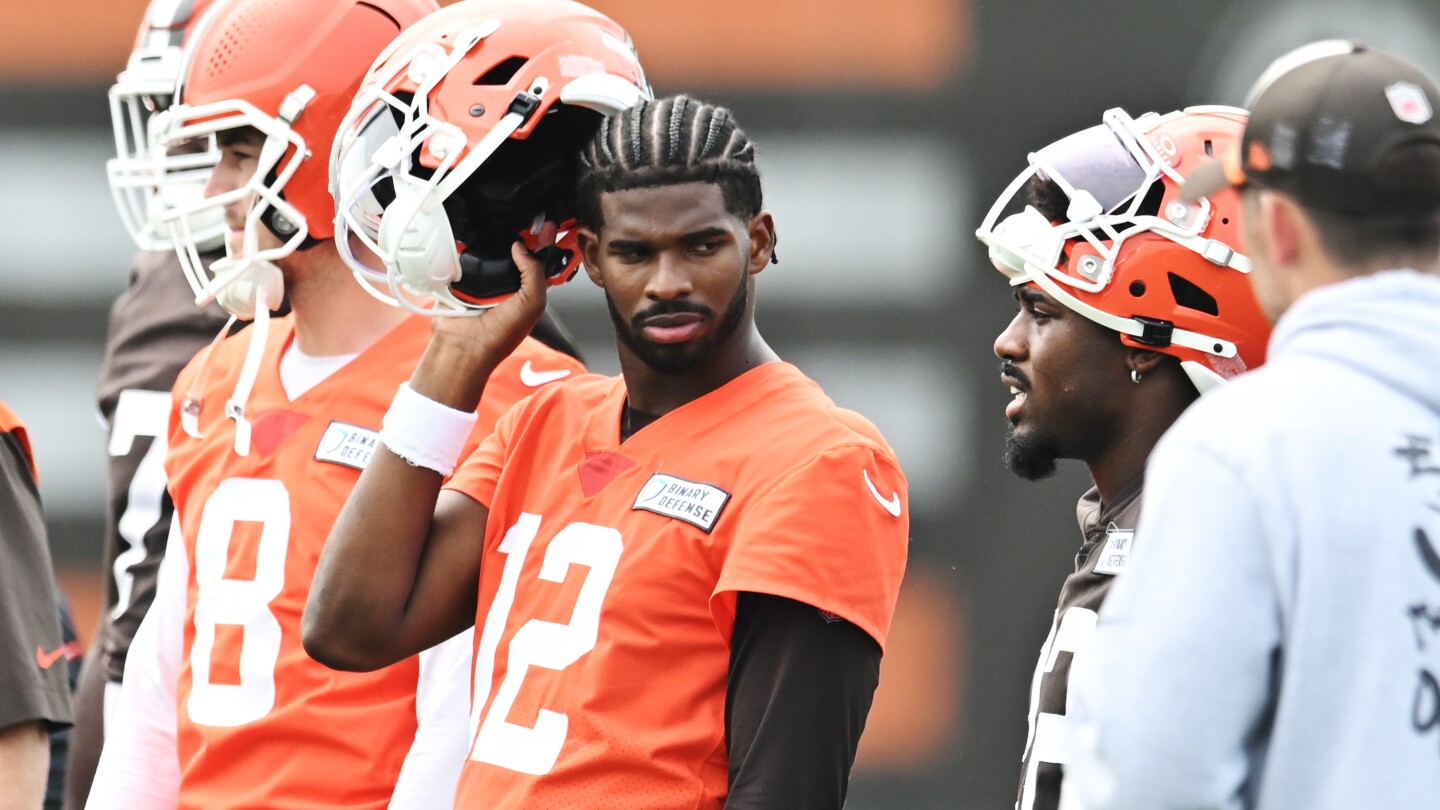
Shedeur Sanders, a rookie Browns quarterback and son of NFL Hall of Famer Deion Sanders, was pulled over for allegedly speeding over 100 mph in Ohio, with footage revealing police referencing a woman named Jasmine Hammond. Sanders faces a $250 fine or court date, amid recent headlines about his driving and personal choices as he prepares for his first NFL season.
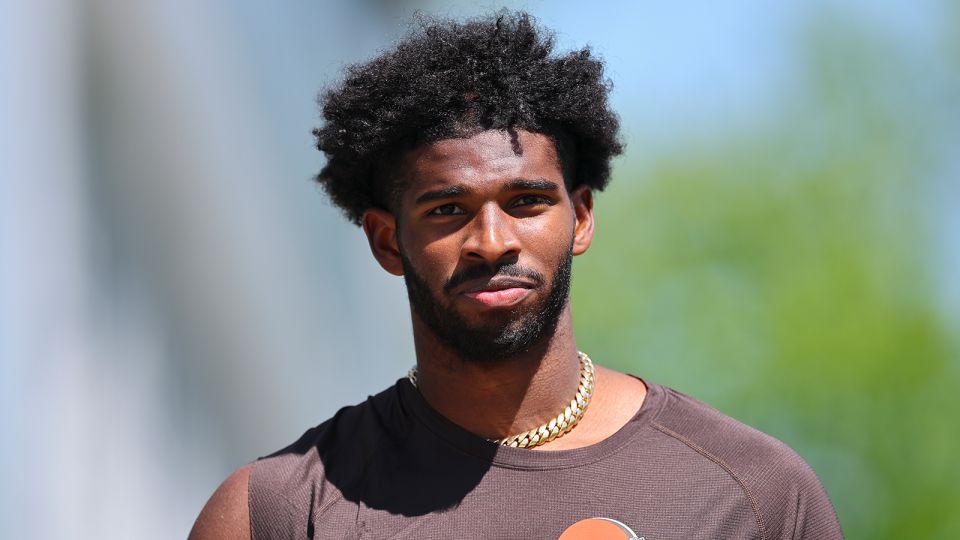
Shedeur Sanders, a rookie quarterback for the Cleveland Browns, has received multiple speeding tickets since joining the team, including a recent incident where he was allegedly driving over 100 mph. Sanders has acknowledged making some wrong choices and is addressing the infractions, which are part of ongoing quarterback competition within the team amid injuries and other players vying for the starting role.
Browns rookie quarterback Shedeur Sanders was ticketed for driving 101 mph in a Cleveland suburb, facing a $250 fine, shortly after being drafted in the 2025 NFL Draft and competing for a starting position.
Cleveland Browns rookie quarterback Shedeur Sanders was cited for driving 101 mph in Ohio, facing a $250 fine or court appearance, after being stopped for speeding 41 mph over the limit.
Shedeur Sanders was ticketed for driving at 101 mph in a 60 mph zone in Cleveland, raising concerns about his maturity ahead of the NFL draft, where he is competing for a quarterback position.
Last week's "Ring of Fire" solar eclipse, captured by NASA's Deep Space Climate Observer, showcased the Moon's shadow over the US. Ground-based photographers also captured stunning shots, including one with a jet airliner photobombing the eclipse. In other news, a Georgia man received a $1.4 million speeding ticket, which turned out to be a placeholder in the court's e-citation software. Researchers found metal alloy aerosols in the stratosphere, likely from spacecraft reentry. The Version Museum offers a nostalgic look at the early days of the internet, and New Mind released a video exploring the science of foam.
A Georgia man was shocked to receive a $1.4 million speeding ticket, but city officials clarified that the figure was just a placeholder and not the actual fine. The citation was issued after he was pulled over for driving 90 mph in a 55 mph zone. Savannah officials explained that anyone caught driving more than 35 mph above the speed limit must appear in court, where a judge will determine the actual fine. The figure received by the man was automatically generated by e-citation software and does not exceed $1,000 in addition to state-mandated costs. The court is working on adjusting the placeholder language to avoid confusion.
A Georgia man received a $1.4 million speeding ticket, but city officials clarified that it was just a placeholder and not the actual fine. The man was pulled over for driving 90 mph in a 55 mph zone and was told he had to either pay the amount or appear in court. Savannah officials explained that anyone caught driving more than 35 mph above the speed limit must appear in court, where a judge will determine the actual fine. The officials are working on adjusting the language in e-citations to avoid confusion in the future.
The Supreme Court has declined to block a lower court ruling that invalidated a speeding ticket issued to a Native American man in Tulsa, Oklahoma, as the city is located within the boundaries of an Indian reservation. The decision stems from the Supreme Court's 2020 ruling that much of eastern Oklahoma, including Tulsa, remains an Indian reservation. The Native American man argued that the city lacked jurisdiction over his offense committed in Indian Country. Justice Brett Kavanaugh noted that the appeal raised important questions about the city's ability to enforce municipal laws against Native Americans.