Spain is facing a severe housing crisis driven by foreign investment, tourism, and local speculation, leading to skyrocketing property prices and rents, a shortage of affordable social housing, and protests from residents demanding government action.
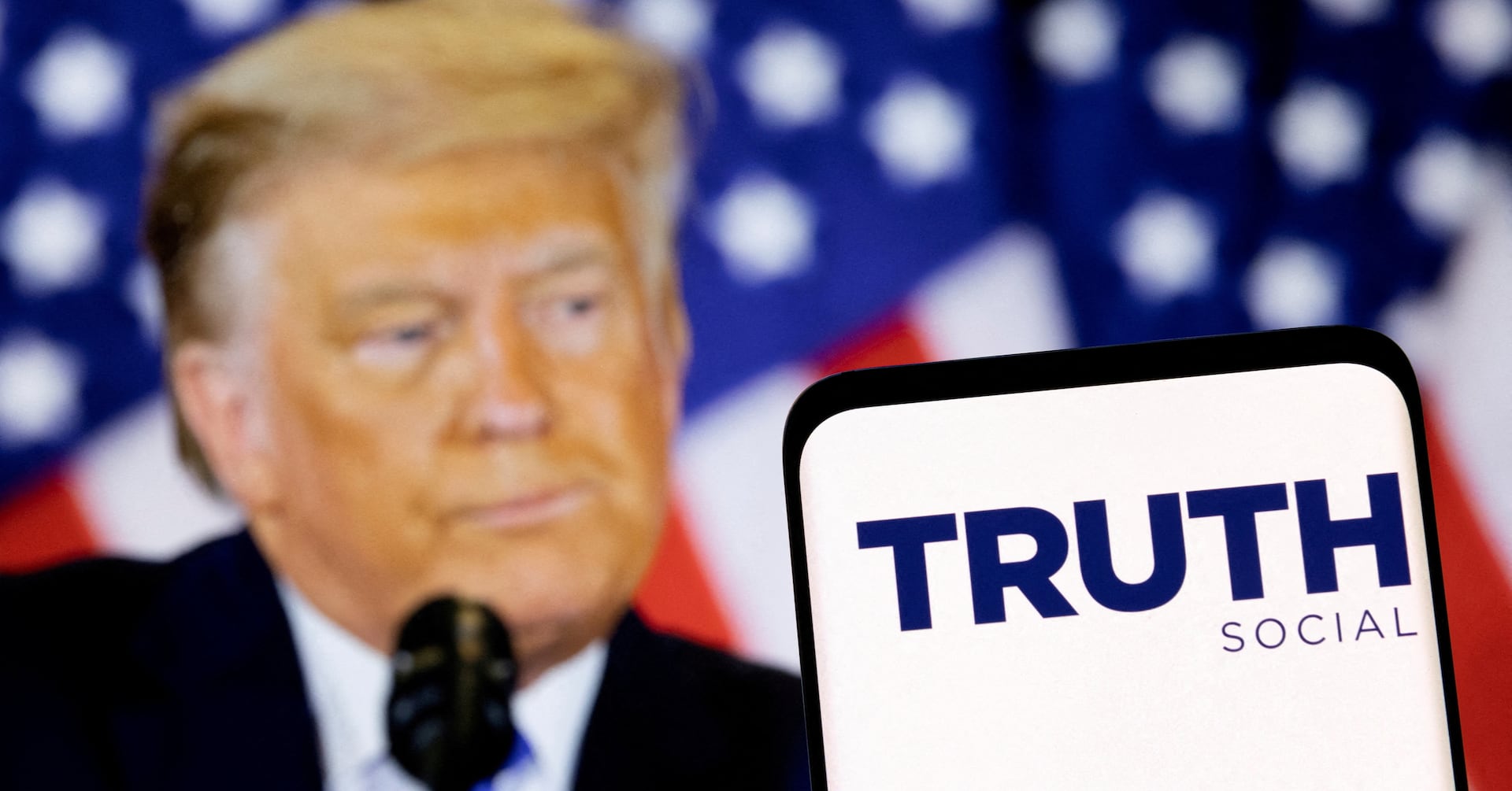
Speculators, including individuals betting on Trump Media and Technology Group (TMTG) stock, have driven its valuation to about $6.6 billion, despite the company's warning about operational losses. Many investors are seeking quick profits by capitalizing on Trump supporters' interest in the stock, leading to significant volatility. TMTG's stock has risen sharply in recent months, attracting comparisons to other 'meme' stocks like GameStop and AMC Entertainment. Experts caution that the stock's valuation may not accurately reflect its business prospects and could be unsustainable in the long term.
Money managers made one of their biggest bearish shifts on oil prices in years around the start of 2024, with speculators adding about 61,000 combined short positions in Brent and West Texas Intermediate crude in the week to Jan. 2, marking the most significant increase since March and the second-largest since 2017. This surge in bearish bets suggests a potential downward pressure on oil prices, with slower demand growth cited as a contributing factor.
OPEC has stated that despite negative sentiment and a recent drop in oil prices, the oil market remains strong, attributing the decline to market speculators. OPEC slightly raised its 2023 forecast for global oil demand growth and maintained its relatively high prediction for 2024. The organization cited strong Chinese imports, minor downside risks to economic growth, and a robust physical oil market as indicators of a healthy market. OPEC also noted that Nigeria's oil output, as well as that of the 11 members subject to output limits, remained below their targets.
Oil prices rose on Monday as market participants anticipate that global demand will outpace supply. West Texas Intermediate (WTI) traded above $91 a barrel, following a nearly 30% increase in the previous quarter. Speculators have increased their bullish wagers on WTI, expecting a tightening in the global crude market.
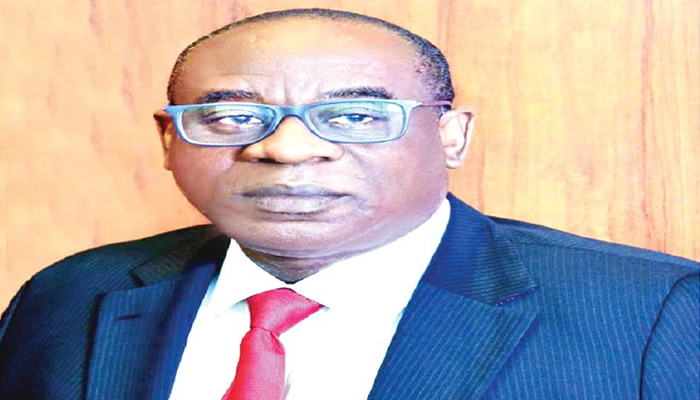
The Central Bank of Nigeria (CBN) has implemented foreign exchange intervention measures to tackle currency speculators and stabilize the naira, which has been tumbling in the parallel market. The CBN's acting governor, Folashodun Shonubi, stated that the naira's volatility is driven not only by economic factors but also by speculative demand. While specific details of the intervention measures were not disclosed, Shonubi warned speculators of potential significant losses. The CBN has also restricted diaspora remittances, setting limits on the exchange rate for naira payouts. The recent revelation of lower effective foreign exchange reserves in the CBN's financial statements has raised concerns about the bank's ability to defend the naira. Nigeria's zero earnings from crude oil sales for the past seven months have worsened the foreign exchange crisis in the country.
Hedge funds have increased their bearish bets on the US dollar by over $7 billion, resulting in their largest net short dollar position in over two years. The shift is primarily driven by changes in net euro and yen holdings and comes ahead of monetary policy decisions from major central banks. Speculators' long position on the British pound is at a record high, while their net long position on the euro is nearing all-time highs. The data suggests that speculators may be positioning for a more dovish stance from the Federal Reserve compared to the European Central Bank.
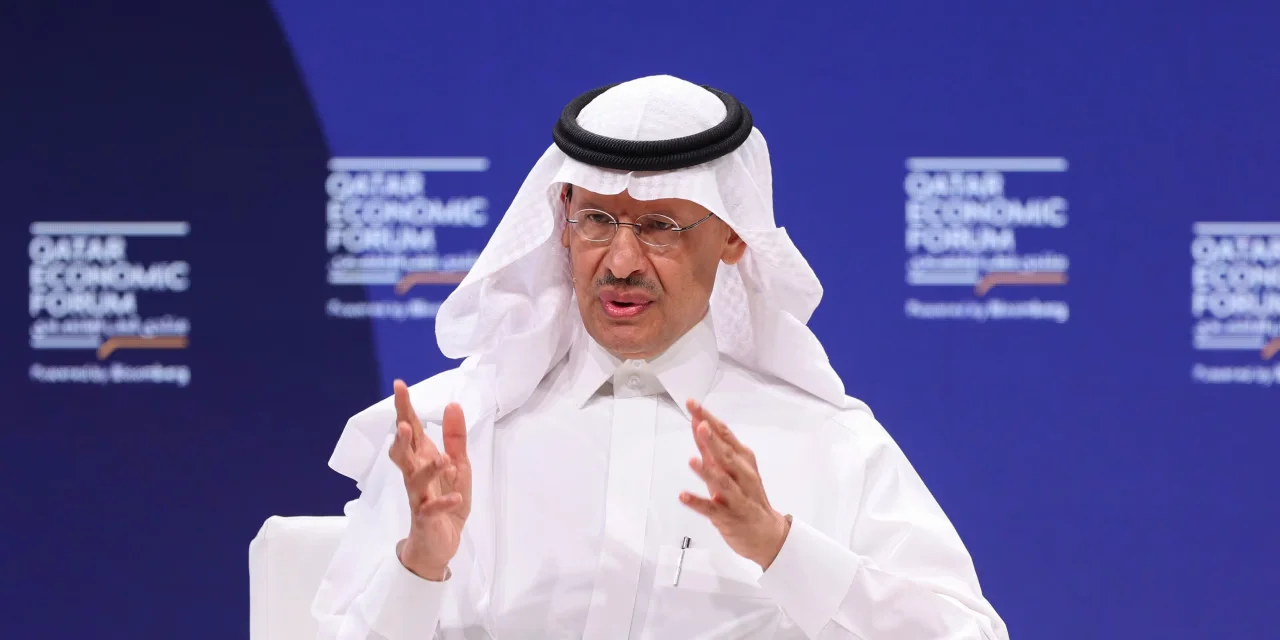
Saudi Arabia's oil minister, Prince Abdulaziz bin Salman, has taken a combative stance with Wall Street speculators, warning that the kingdom will no longer tolerate the "roller coaster" of oil prices caused by their trading activities. He also stated that Saudi Arabia will continue to be a reliable supplier of oil to the world, despite the challenges posed by the COVID-19 pandemic.
OPEC+ is rumored to be discussing an additional output cut of around 1 million barrels at its meeting on June 4, causing oil prices to increase. While the general sentiment has been that the group will keep the status quo as far as production targets are concerned, Saudi Arabia's Energy Minister has made threats against oil speculators, saying that shorters will be "ouching". The OPEC meeting will begin at 1 pm Vienna time tomorrow, with OPEC+ meeting on Sunday.
Oil traders are cutting their bullish bets on crude oil due to concerns about the economy and new banking sector jitters, leading to extreme volatility in oil prices. Open interest in U.S. crude oil futures is at its lowest in three years, and prices are set for more extreme swings. Speculators have been consistently caught off-guard in the past two months, and many have now opted to stay away. Lower open interest and liquidity in the market is bound to make price swings even more extreme, according to analysts.
Speculators have fled the oil market at the fastest pace in six weeks, resulting in extreme price swings and drying up liquidity. Money managers dumped their net-bullish oil holdings by 19%, the biggest drop in six weeks, and the positions are now at the lowest seasonal level in more than a decade. The exodus comes amid another crash for oil, driven by concerns over the economy. Without speculators, prices can become disconnected from supply and demand drivers, creating pain for hedgers, merchants, and producers.
Dutch bank ING predicts that gold prices could average $2,000 an ounce in Q4 2023 as speculators increase their exposure and the Federal Reserve cuts rates. ING's head of commodities strategy, Warren Patterson, expects a pullback in prices in the short term but sees gold prices moving higher over the second half of the year. The bank does not rule out another 25-basis-point rate hike in May but sees rate cuts in the second half of the year, with a predicted cut of 75bp in Q4. Central bank gold buying will also remain a driver this year.