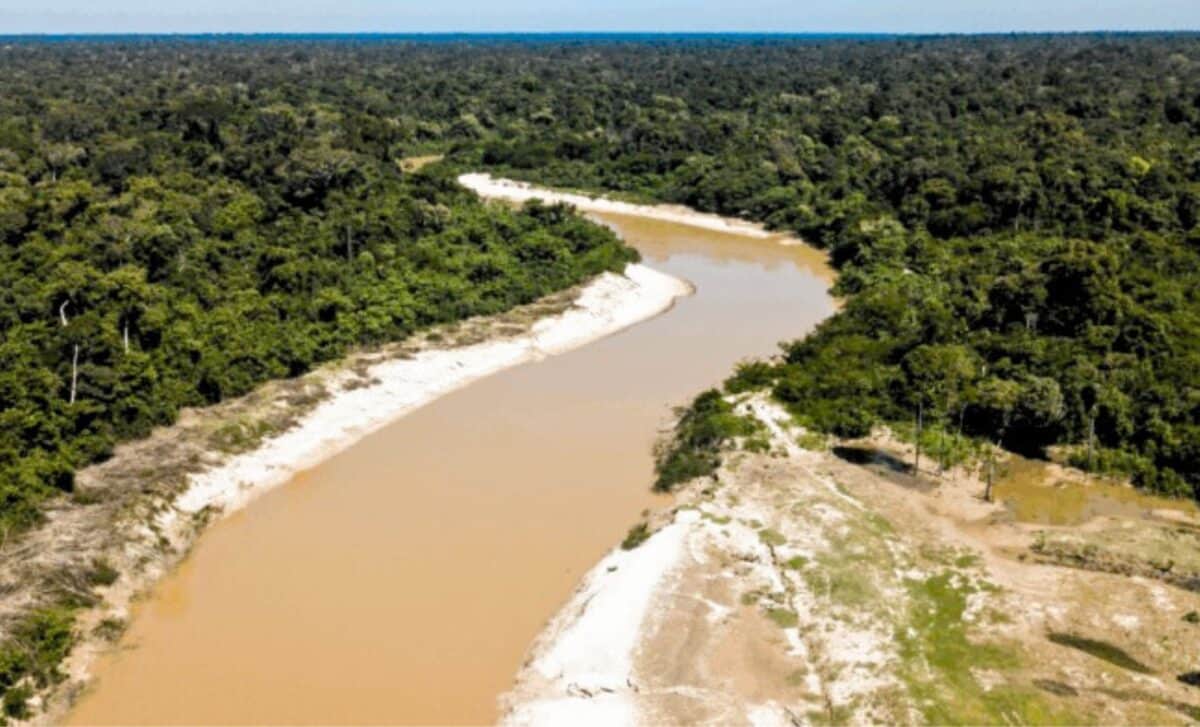
A rare killifish species, Moema claudiae, thought extinct for over 20 years, was rediscovered in Bolivia's fragmented wetlands, highlighting the importance of microhabitats and urgent conservation efforts to prevent its extinction amid ongoing deforestation.
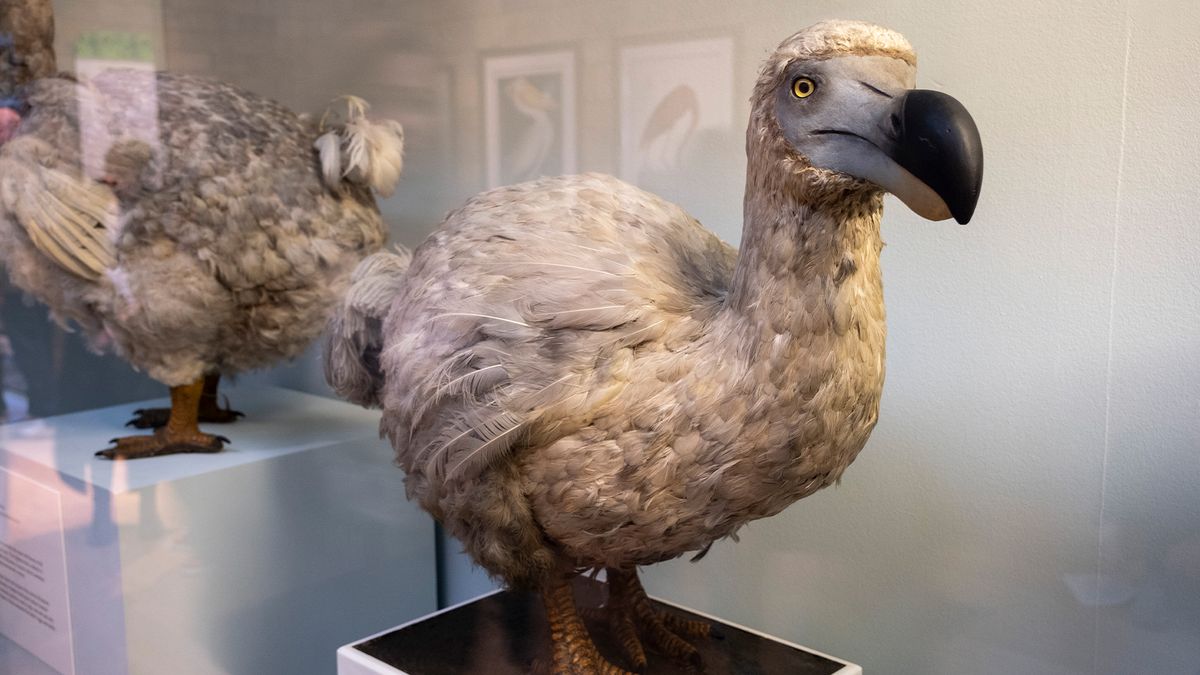
Earth has experienced five major mass extinctions caused by natural events, but now scientists warn that human activity may be triggering a sixth, potentially catastrophic, extinction event with up to a million species at risk.
Scientists are debating whether the planet is currently experiencing a sixth mass extinction event, with some arguing that it's already underway due to human activities such as habitat destruction, species extermination, and climate change. While some researchers believe that the mass extinction hasn't reached the 75% species loss threshold yet, others warn that the rapid decline in wildlife populations and the loss of biodiversity indicate that we are witnessing the sixth mass extinction in real time. Despite the grim outlook, there is still hope to prevent reaching the mass extinction threshold by taking urgent conservation measures.
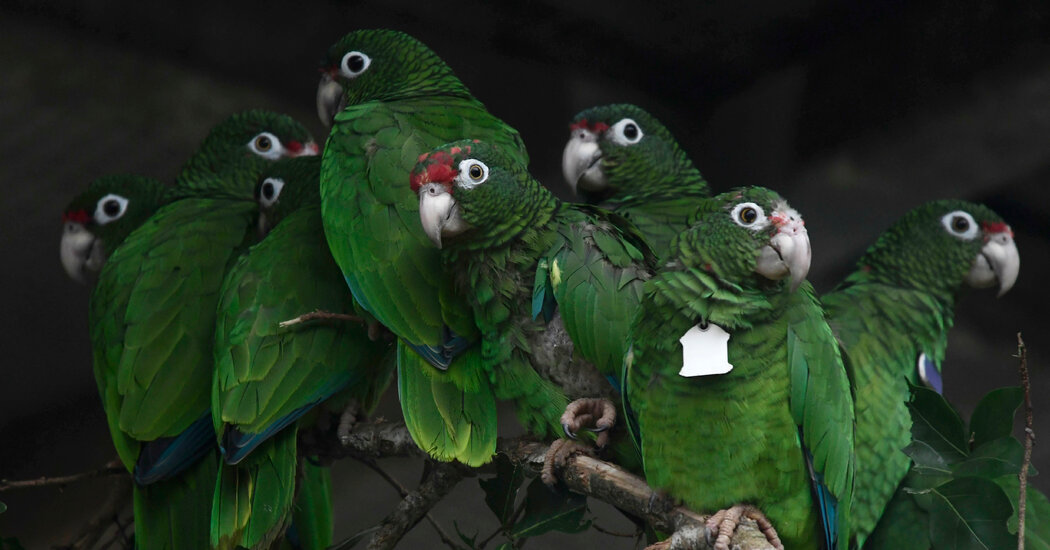
"The End of Eden" by Adam Welz is a powerful and devastating book that explores the collapse of biodiversity and the impact of climate breakdown on the natural world. Welz highlights the interconnectedness of species and ecosystems, showcasing how global warming disrupts the delicate balance of nature. Through detailed examples, such as the decline of the red knot and the plight of the iguaca parrot, Welz paints a grim picture of the consequences of human actions on the environment. This thought-provoking book serves as a wake-up call to the urgent need for environmental conservation and action to address the climate crisis.
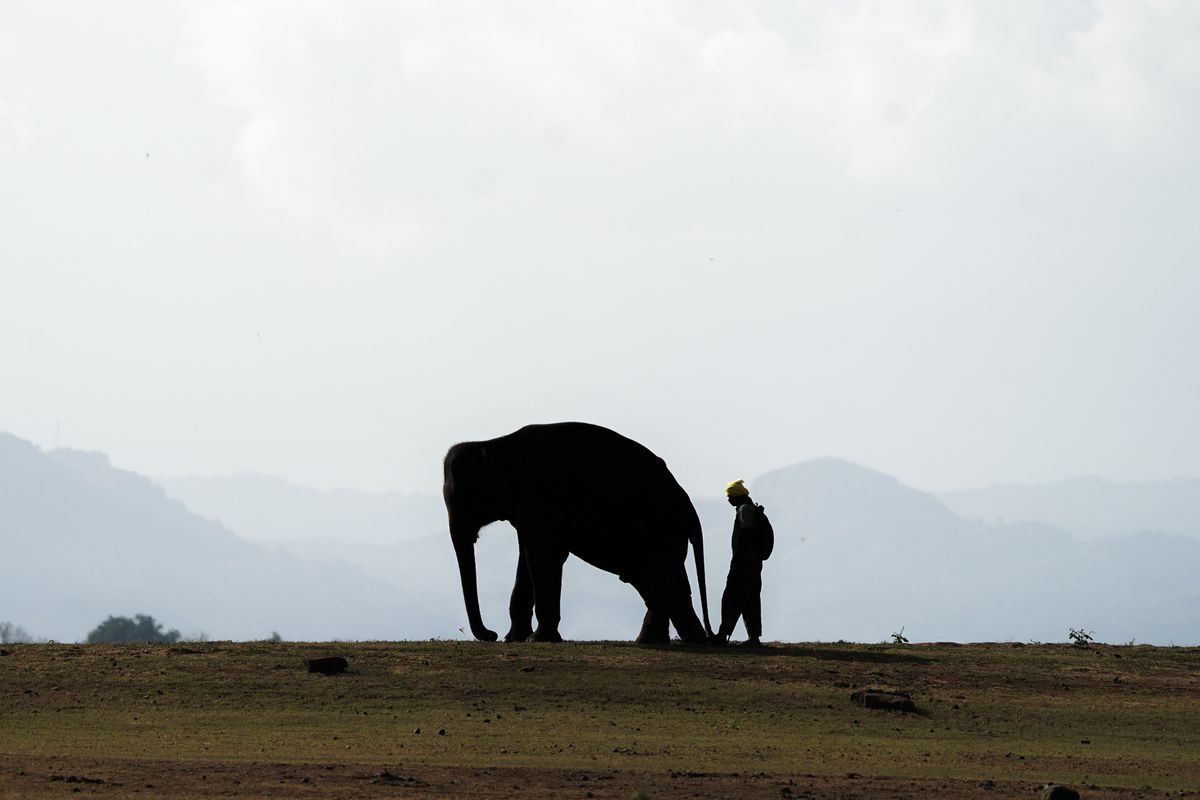
Human beings are causing species extinction at a rate 35 times faster than if it had followed the natural pace of the previous 65 million years, according to a study published in the journal PNAS. The loss of entire genera is impacting ecosystems and changing the course of evolution. At least one-third of known vertebrates are declining in population, and the human-imposed homogenization of the environment is causing the disappearance of equilibrium beneficial to our existence. The authors of the study call for unprecedented investment in conserving tropical forests, where the greatest biodiversity is found, to avoid a widespread collapse.
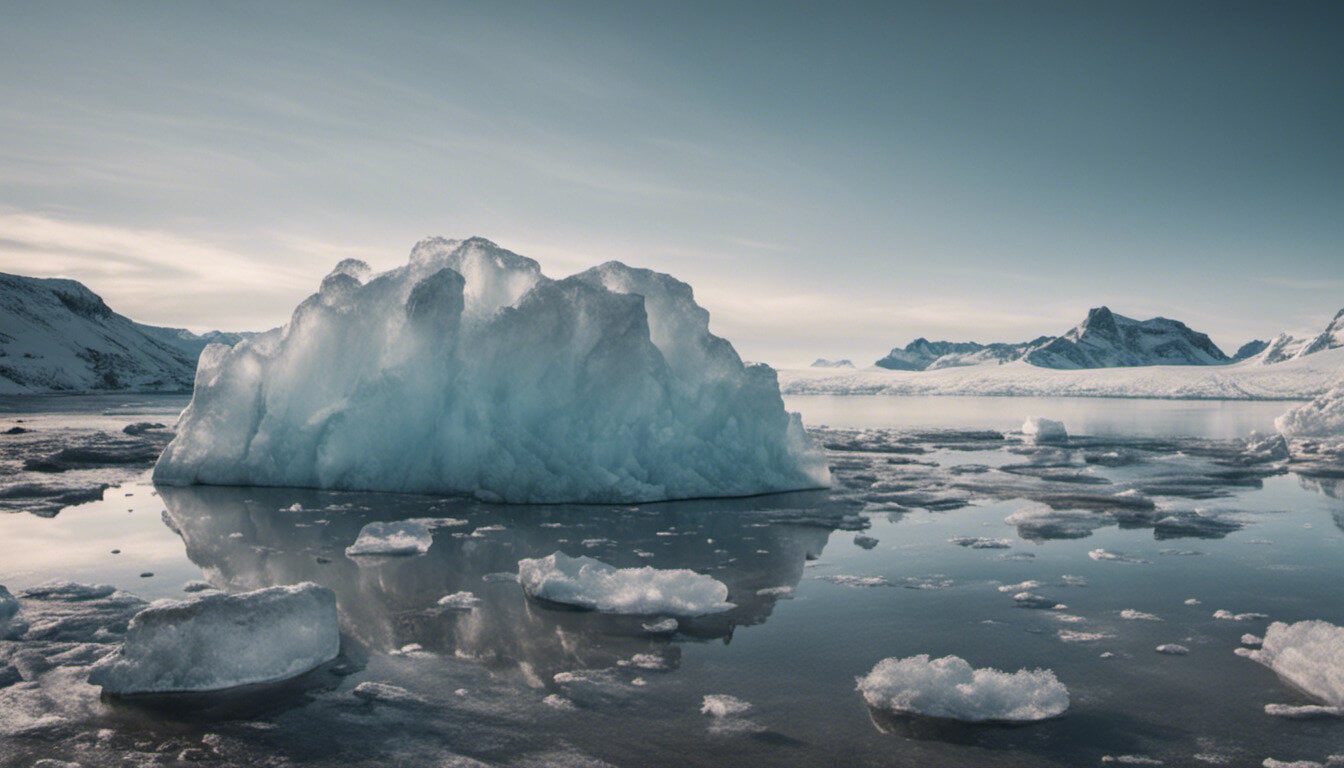
As Earth's climate warms, melting ice is releasing ancient pathogens that have been frozen for millennia, posing a potential risk to modern ecosystems. Scientists have already revived bacteria and viruses from ancient ice, and outbreaks of diseases like anthrax have been linked to thawing permafrost. A new study calculates the ecological risks of releasing unpredictable ancient viruses and finds that just 1% of simulated releases of one dormant pathogen could cause major environmental damage and widespread loss of host organisms. While the risk to humans is uncertain, the potential for ice-bound viruses to enter the human population via zoonotic pathways is plausible.
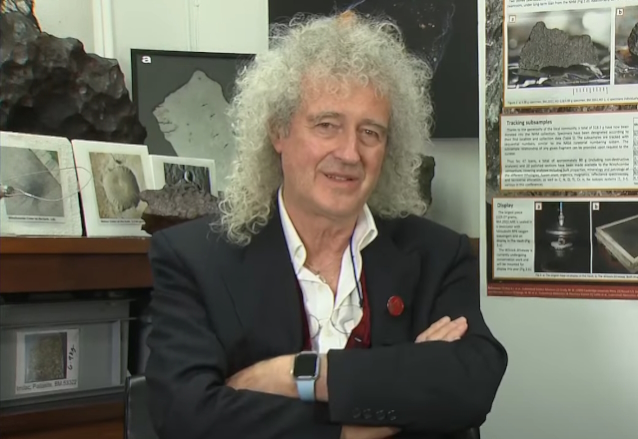
Queen guitarist Brian May, who holds a PhD in astrophysics, emphasizes the need for humans to address their behavior on Earth before venturing into space. May highlights the detrimental impact humans are having on the planet, including climate change, pollution, and the elimination of species deemed non-useful. He calls for a major change in philosophy towards the treatment of other creatures. May's comments were supported by astronauts who acknowledged the importance of prioritizing responsible behavior on Earth. In addition to his musical career, May is an activist, animal welfare enthusiast, and author.
A study warns that climate change could push countless species beyond critical thermal exposure thresholds, resulting in a sudden loss of habitat. Researchers analyzed data from over 35,000 species and projected when and where these species may face dangerous temperature changes. The study found that many animals will experience unfamiliarly hot temperatures across large portions of their geographic range within the same decade. The extent of global warming significantly impacts the risk, with 30% of species at risk if the planet warms by 2.5°C. The study emphasizes the urgent need to reduce carbon emissions and strategically conserve biodiversity to mitigate the harmful effects of climate change and avoid a massive extinction crisis.