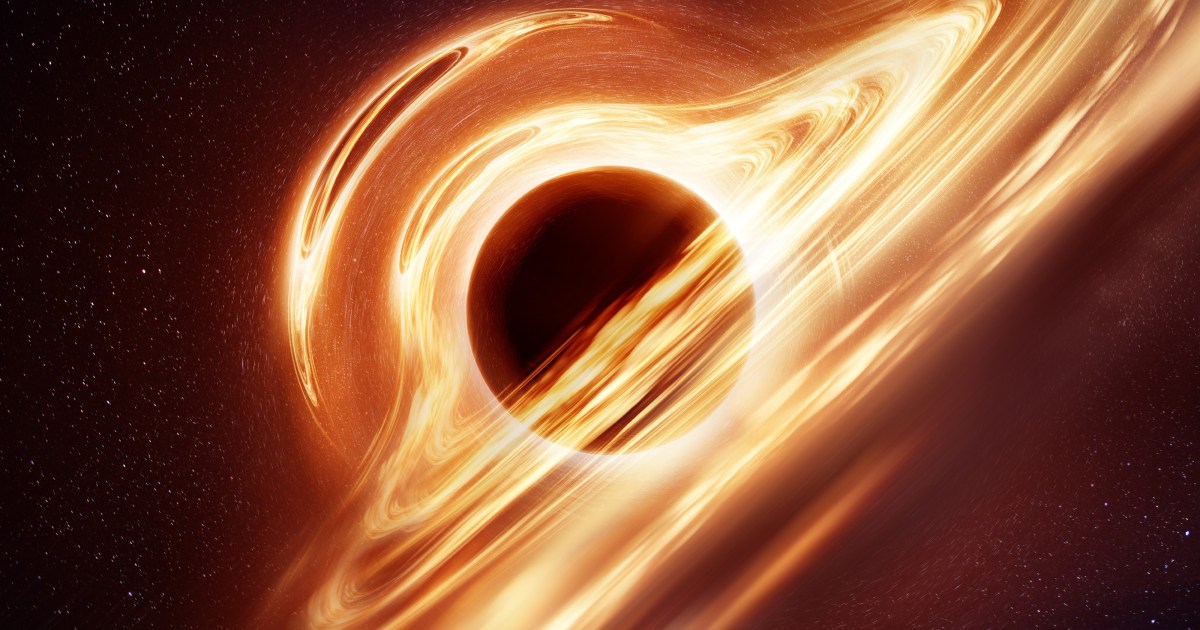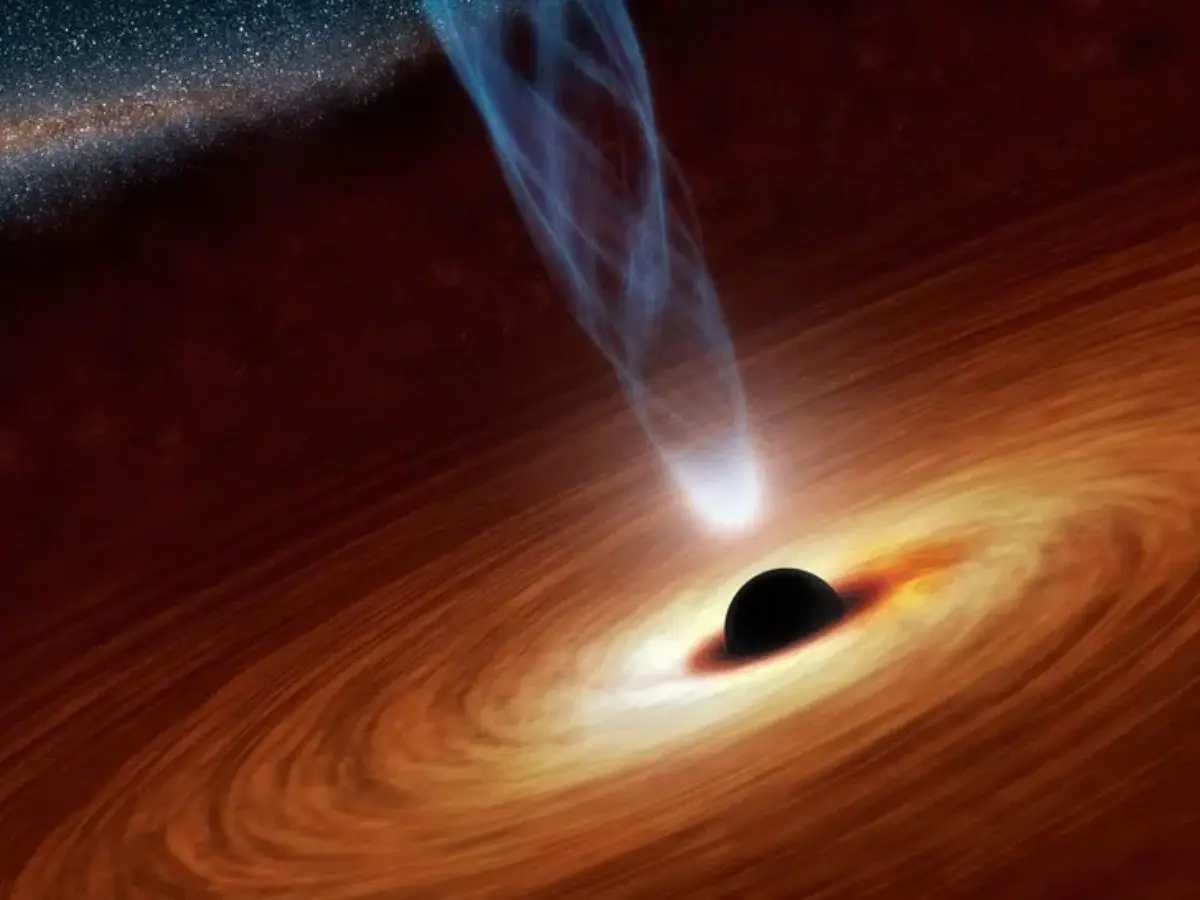
Black holes are dense cosmic objects with a point of no return called the event horizon, beyond which nothing can escape, leading to extreme effects like spaghettification and time dilation; their study offers insights into fundamental physics despite the dangers of falling into one.
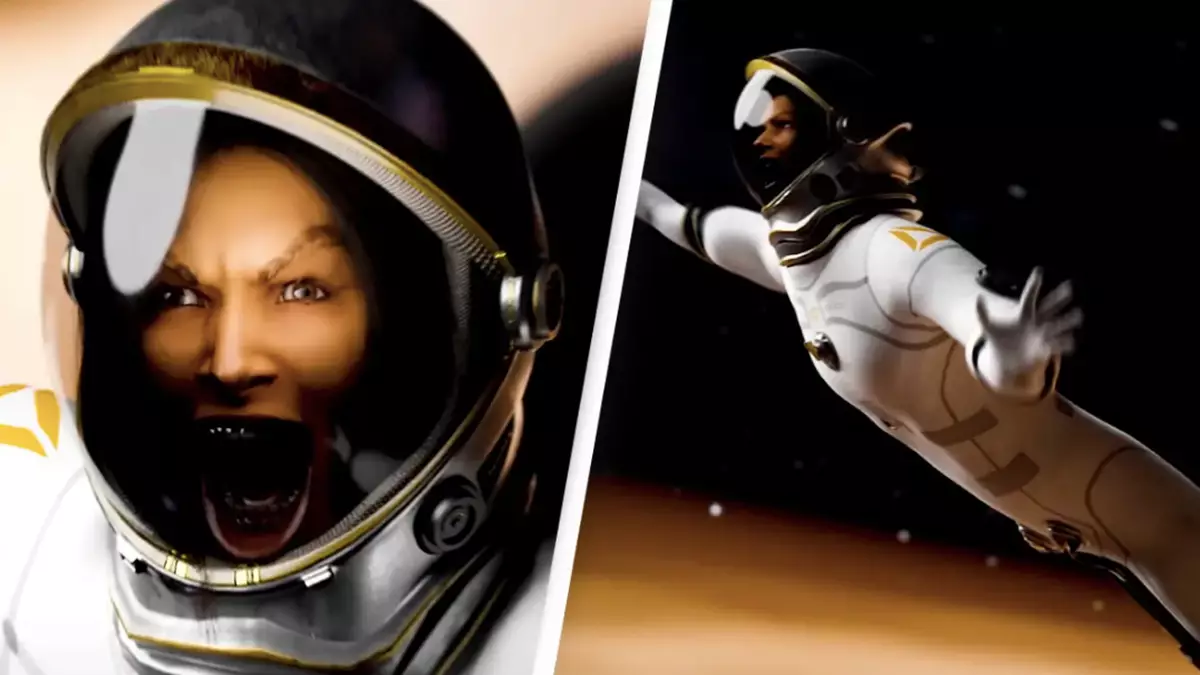
A YouTube content creator, Zack D. Films, has created a chilling simulation depicting what would happen if a person fell into a black hole, a scenario that involves being stretched and crushed by immense gravitational forces in a process known as spaghettification. The simulation explores the terrifying journey past the event horizon, where escape becomes impossible. NASA astrophysicist Jeremy Schnittman has also worked on similar simulations to illustrate the effects of black holes, helping to connect the complex mathematics of relativity with real-world consequences.
Black holes are the remnants of dead stars with incredibly strong gravitational fields, causing a phenomenon called "spaghettification" where objects are stretched due to tidal forces. The likelihood of spaghettification depends on the mass and size of the black hole, as well as the distance from it. Smaller black holes pose a greater risk of spaghettification, while supermassive ones are less dangerous in this regard. Falling into any black hole is still fatal, but falling into a supermassive black hole would result in less noticeable effects compared to a smaller one.
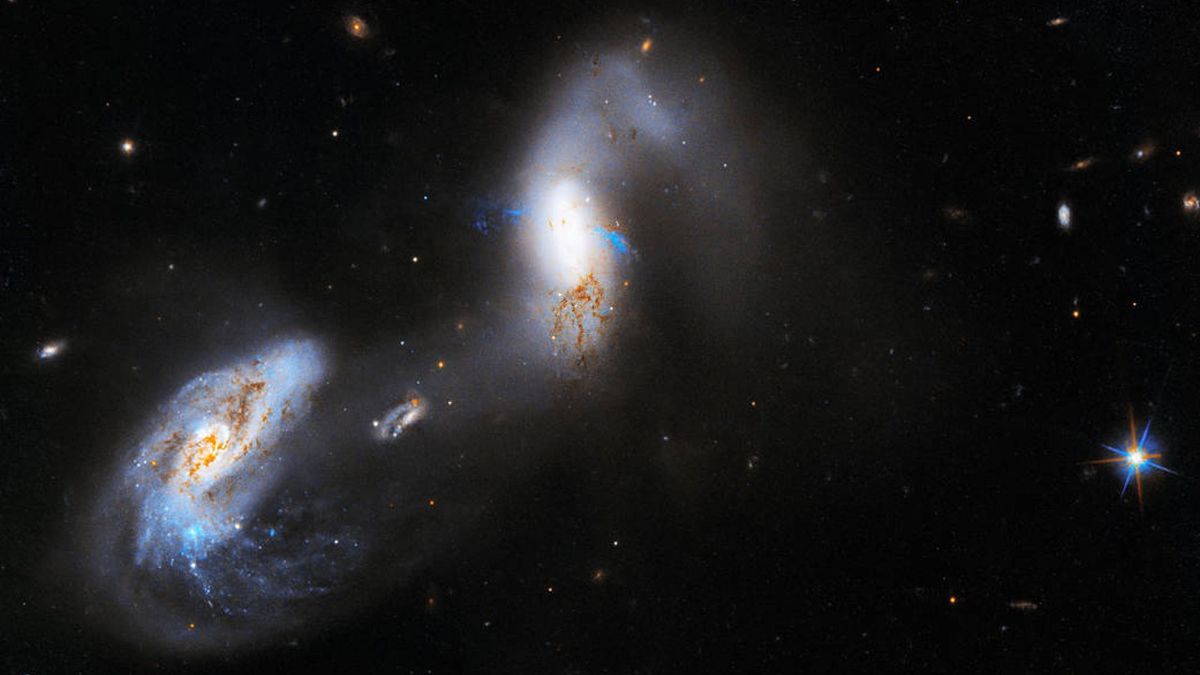
NASA is celebrating Black Hole Week by sharing an array of content on its website, including stunning images and information about black holes. The space agency has shared an animation that estimates the size of supermassive black holes, observations of a galaxy with an active galactic nuclei, and images of galaxies with bright AGN hearts. NASA has also explained the concept of spaghettification and shared simulations of the effects of extreme tidal forces on stars that orbit too close to a black hole. The week-long celebration concludes on Friday with a mystery content release.
Astronomers have discovered a supermassive black hole, nicknamed "Scary Barbie," that has ripped apart a massive star in a process called "spaghettification." The event is one of the most energetic and luminous transients ever observed, exceeding any observed or theorized supernova. The black hole's luminosity is still evolving and could be visible for several more years. Researchers hope continued observation using NASA's James Webb and Hubble Space Telescopes will eventually allow them to identify Barbie's host galaxy. The discovery was made with the help of an artificial intelligence engine called the Recommender Engine For Intelligent Transient Tracking (REFITT).