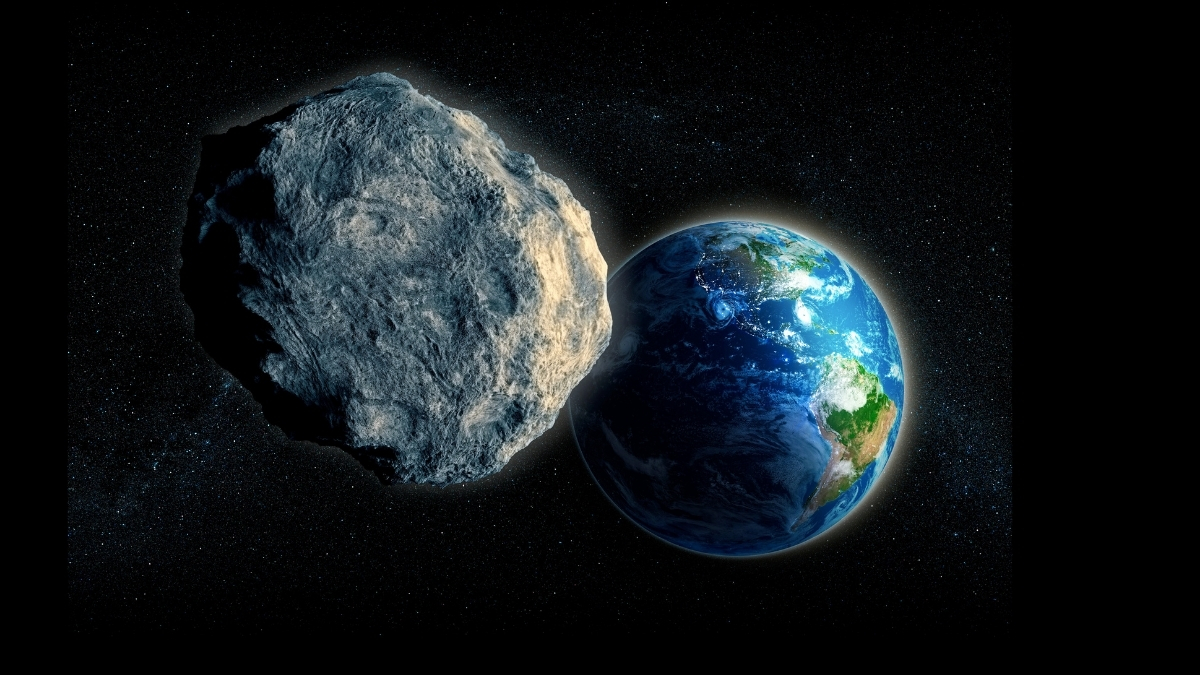
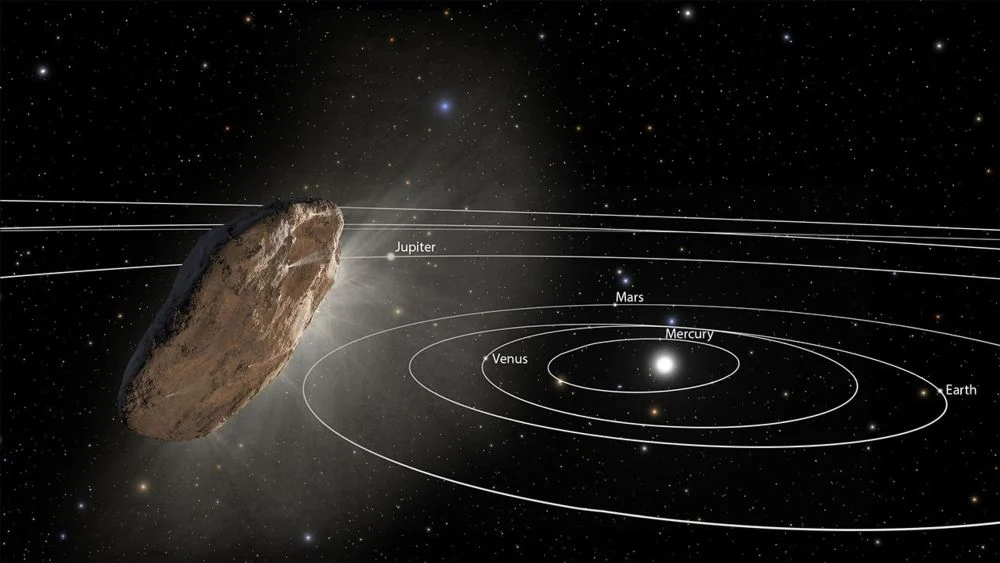
Recent research models the distribution and impact risk of interstellar objects (ISOs) on Earth, suggesting they are more likely to come from the solar apex and galactic plane, with impacts more probable near the equator and in the Northern Hemisphere, though the exact number of impacting ISOs remains unknown.
Recent research models the distribution and impact risk of interstellar objects (ISOs) on Earth, suggesting they are more likely to come from the solar apex and galactic plane, with impacts more probable at low latitudes near the equator. The study focuses on ISOs ejected from M-dwarf systems and highlights the importance of upcoming observations from the Vera Rubin Observatory to better understand ISO impact risks.
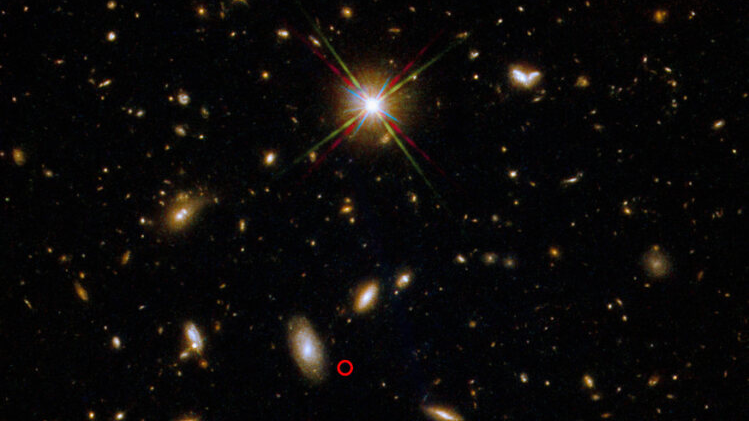
Astronomers may have solved the mystery of a gamma-ray burst (GRB) known as GRB 211211A, which was initially thought to be caused by an exploding massive star but may actually be the result of a merger between a neutron star and a black hole. The discovery suggests that many GRBs attributed to exploding stars may actually be caused by such mergers. Computer simulations of the merger process revealed that the strength of the magnetic field within the accretion disk formed around the black hole determines the duration and luminosity of the GRB jet. This finding has implications for understanding the production rates of heavy elements, such as gold and platinum, as kilonovas are known to create conditions suitable for their production.