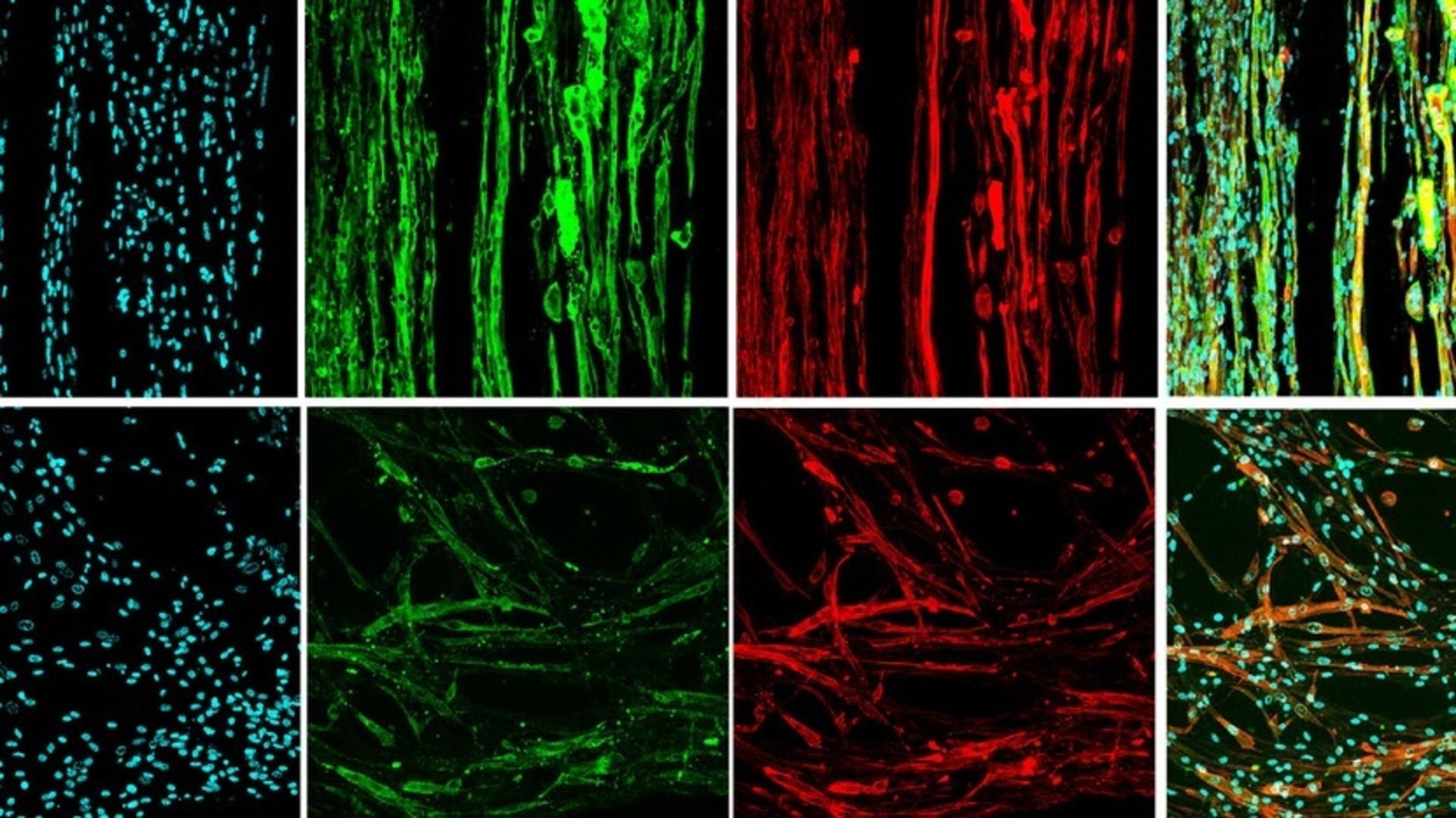
Scientists at ETH Zurich have successfully 3D printed muscle tissue in microgravity conditions using parabolic flights, marking a significant step toward creating functional human organs for transplantation and advancing space medicine. This research could help address organ donor shortages and improve health for astronauts on long missions.
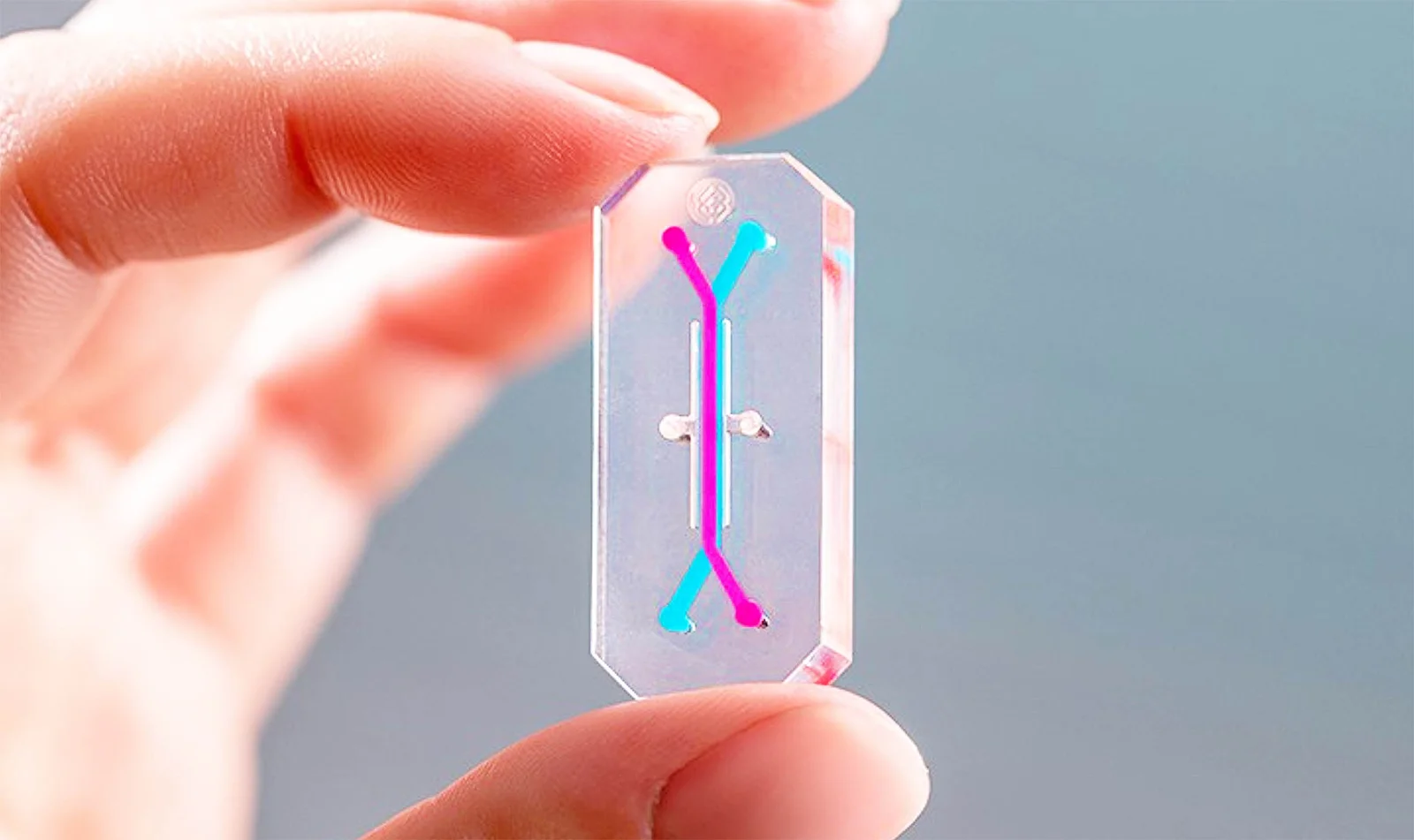
NASA is deploying tiny lab devices called organ chips with human cells aboard Artemis II to study how space affects human biology, focusing initially on bone marrow, to improve health protections for astronauts on lunar and Mars missions. These chips will help personalize medical care, predict responses to space radiation, and enhance safety during long-duration space travel.
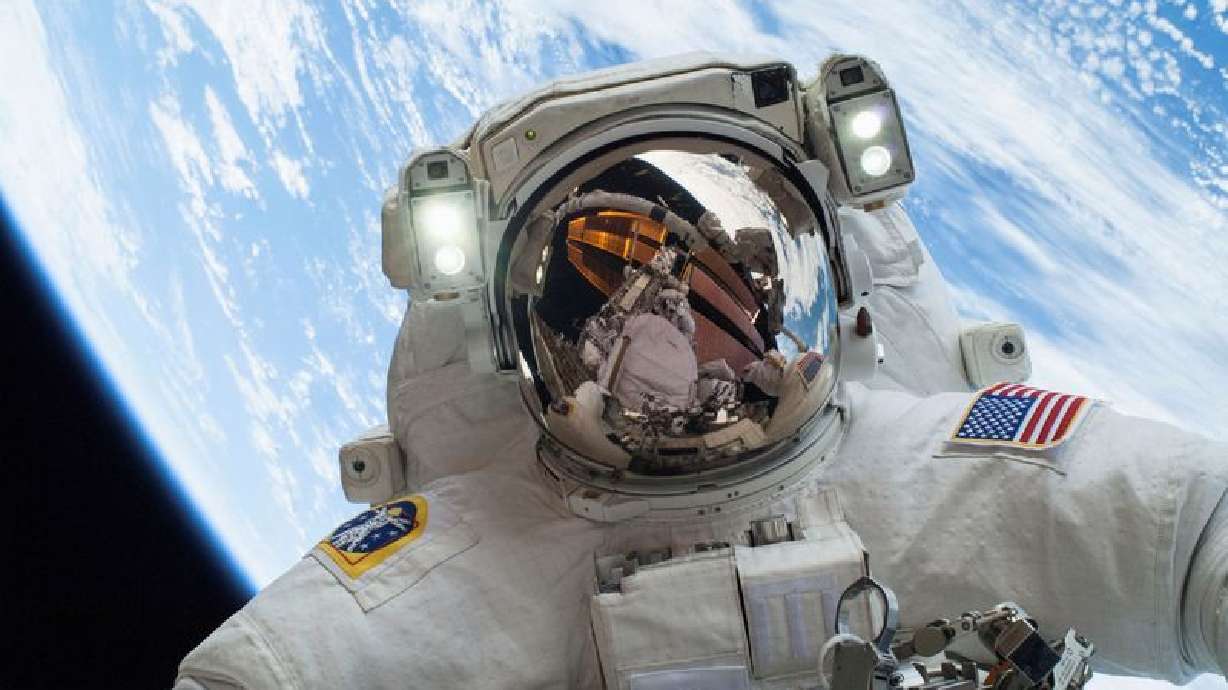
The article discusses the challenges of human space travel, particularly to Mars, highlighting how space medicine can improve astronaut health and potentially benefit health on Earth by addressing issues like osteoporosis, muscle loss, and metabolic changes caused by microgravity. It also notes that current astronaut selection is limited by health criteria, but advances in space medicine could broaden eligibility and support long-term space missions.
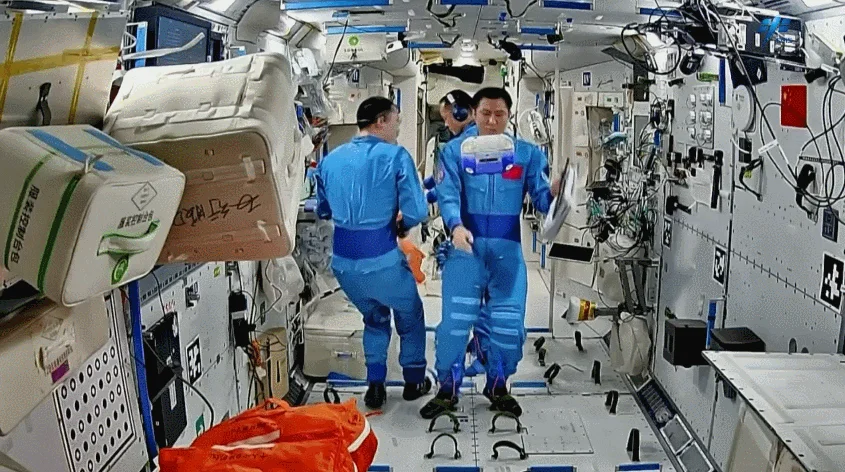
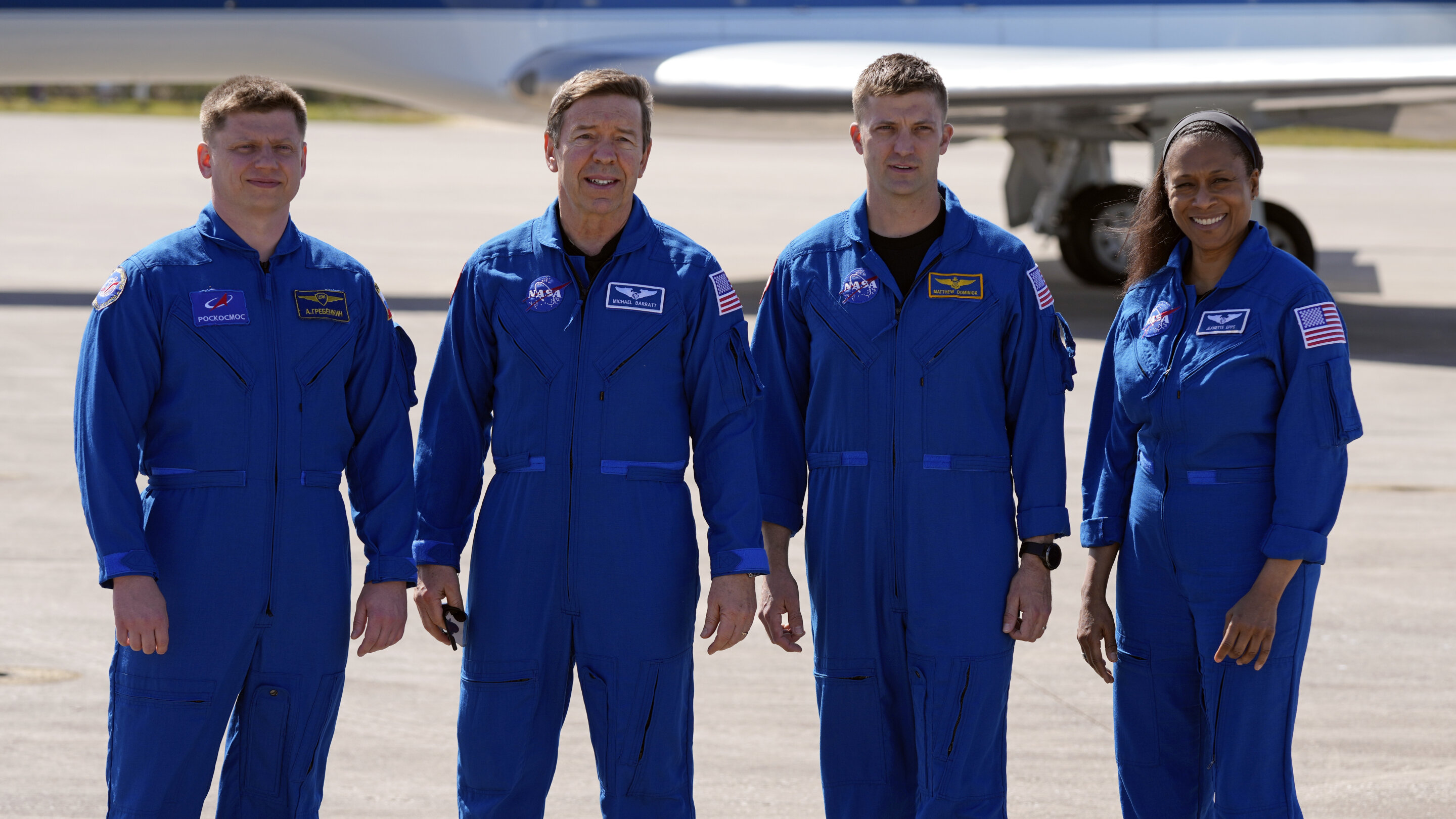
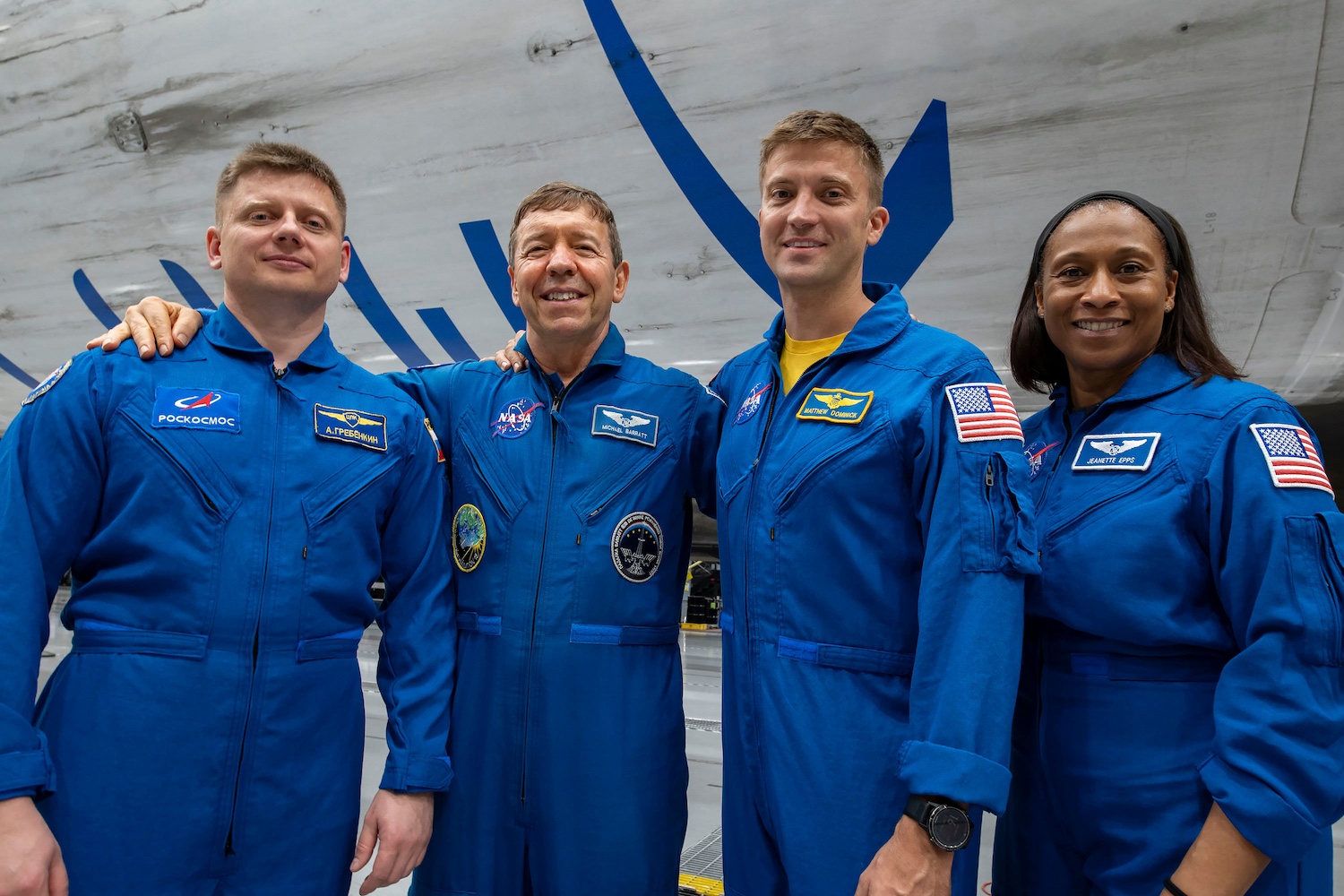
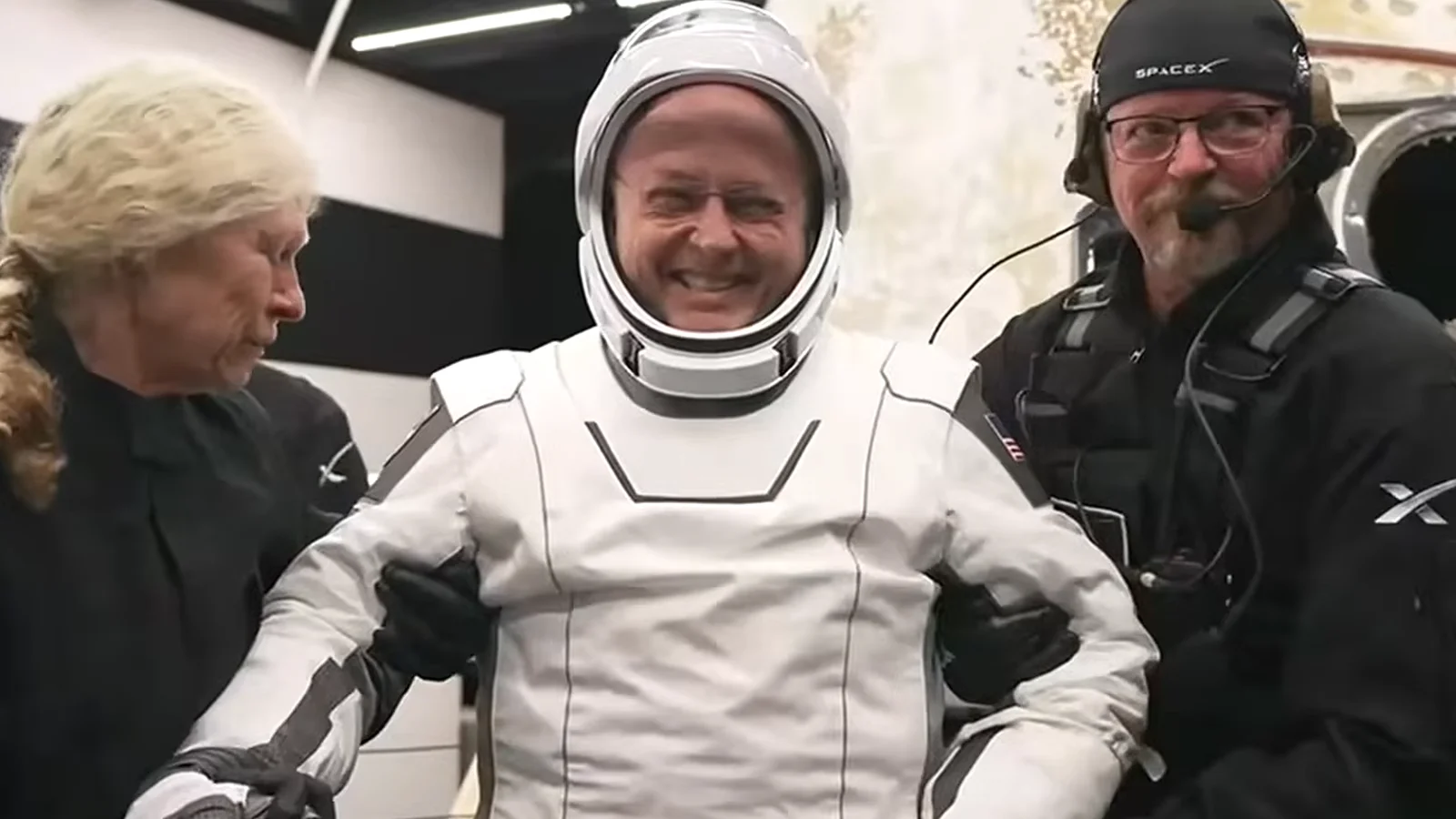
Three NASA astronauts, who recently returned from an extended mission on the International Space Station, declined to reveal which one of them was hospitalized for a medical issue after their SpaceX capsule landed. The astronauts, including Michael Barratt, Matthew Dominick, and Jeanette Epps, emphasized the unpredictable nature of spaceflight and its effects on the human body. NASA cited medical privacy for not disclosing details about the health issue.
Three NASA astronauts, who returned to Earth after 235 days in space, were taken to a Florida hospital as a precaution but are reportedly in good health. The astronauts, including Michael Barrett, cited medical privacy laws for not disclosing details about the hospital visit, stating that space flight still presents unexpected challenges. Their return was delayed due to technical issues with Boeing's Starliner capsule and weather conditions. The astronauts shared experiences of readjusting to Earth's gravity, highlighting the physical discomforts of returning to normal life.
NASA has remained tight-lipped about why the Crew-8 astronauts were hospitalized after their return from the International Space Station, citing medical privacy and ongoing evaluations. Despite a normal splashdown, one astronaut stayed overnight in the hospital due to an unspecified issue. NASA emphasizes the importance of safety and medical privacy, while a NASA safety panel member urged SpaceX to maintain focus on crew safety. The mission faced delays due to weather and was extended to support other missions, highlighting the complexities of long-duration spaceflight.
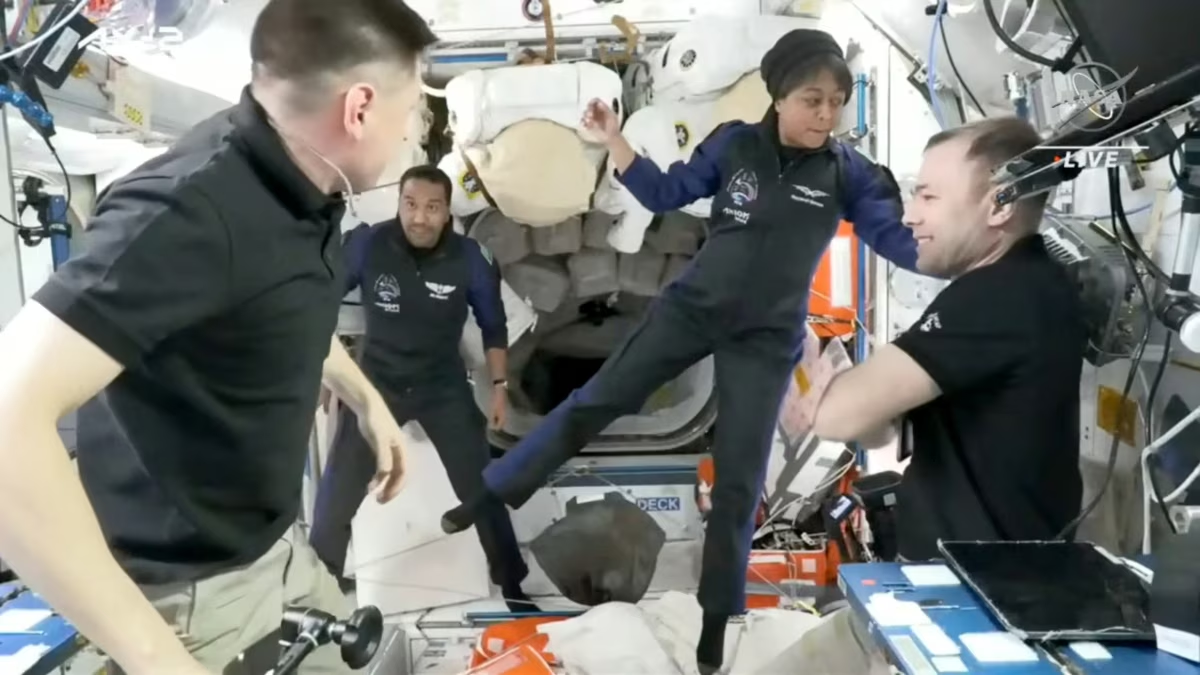
A new study involving 24 astronauts aboard the International Space Station has found that headaches are more common in space than previously known, with 22 of the 24 astronauts reporting experiencing headaches during their missions. The study suggests that different processes are involved in early and later headache episodes, possibly related to the body's adaptation to the lack of gravity and fluid accumulation in the upper body and head. This research adds to the growing understanding of the effects of space travel on the human body, including potential barriers to long-duration space travel, such as trips to Mars.
A study involving 24 astronauts from various space agencies has revealed that headaches are more common in space travel than previously known, with 22 of the 24 astronauts experiencing headaches during their time aboard the International Space Station. The headaches varied in type and timing, with some resembling migraines and others tension headaches. The study suggests that the lack of gravity during space travel may lead to an increase in intracranial pressure, causing the headaches. This adds to the growing body of research on the effects of space travel on the human body, raising concerns for long-duration space missions.
A new study involving 24 astronauts from various space agencies has revealed that astronauts are more likely to experience headaches in space than previously known, with all but two reporting headaches during their time aboard the International Space Station. The study found that the headaches varied in type and timing, with some resembling migraines and others tension headaches. The researchers hypothesize that different mechanisms are involved for early and later headache episodes, possibly related to the body's adaptation to microgravity and an increase in intracranial pressure. This study adds to the growing understanding of the effects of space travel on the human body, highlighting the need for further research in the field of space medicine, especially as human space travel extends to longer durations and more distant destinations.
A new study has found that astronauts are more likely to experience headaches in space than previously known, with 22 out of 24 astronauts reporting headaches during their time aboard the International Space Station. The headaches, some resembling migraines and others tension headaches, occurred not only during the initial adaptation to microgravity but also later in the mission. The study suggests that different mechanisms may be involved in early and later headache episodes, with potential causes including space adaptation syndrome and increased intracranial pressure due to fluid accumulation in the upper body and head.
A new study involving 24 astronauts from the U.S., European and Japanese space agencies who traveled aboard the International Space Station for up to 26 weeks has revealed that astronauts are more likely to experience headaches in space than previously known. The headaches, some resembling migraines and others resembling tension headaches, occurred not only during the first couple of weeks in space but also later, possibly due to different mechanisms. The study suggests that the lack of gravity during space travel can cause nausea, vomiting, dizziness, and headaches, while later headaches could result from an increase in intracranial pressure due to fluid accumulation in the upper part of the body and head. This adds to the growing body of research on the effects of space travel on the human body, with implications for future long-duration space missions.
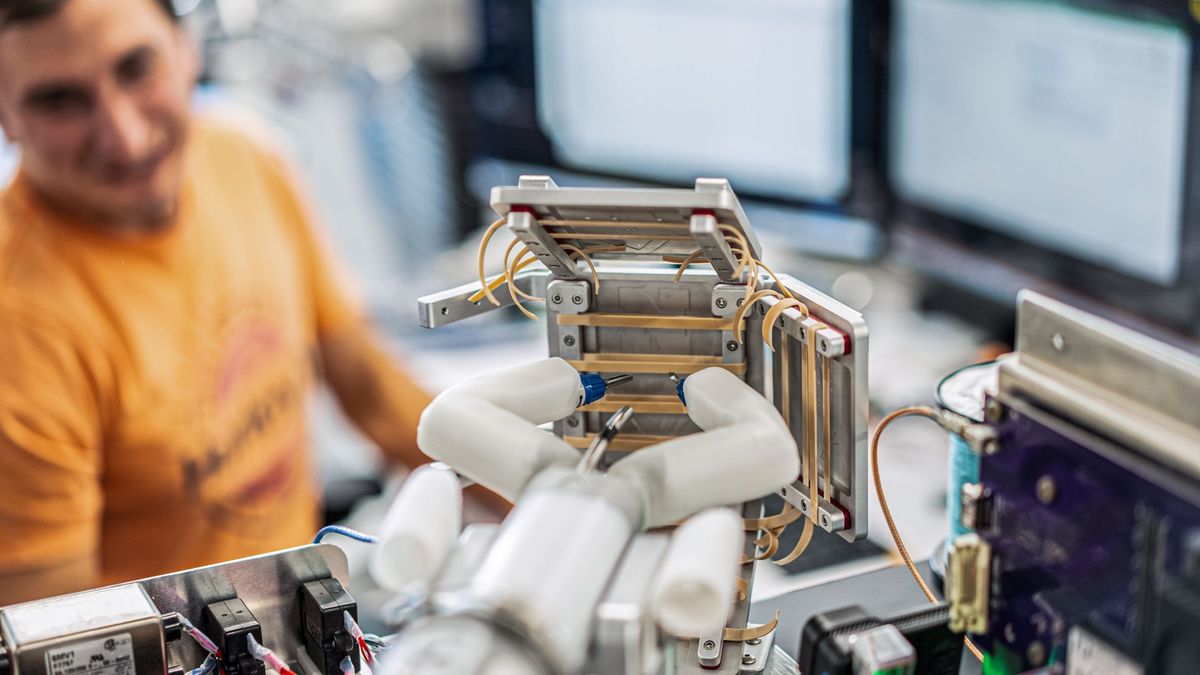
A miniaturized robotic assisted surgery system, MIRA, is set to be sent to the International Space Station (ISS) to conduct simulated surgical procedures on rubber bands. Developed by Virtual Incision, the robot is designed to communicate with human doctors on Earth and perform medical procedures with high accuracy. The mission aims to advance space-based medical treatment for future crewed space missions, such as NASA's Artemis Program, and potentially benefit remote surgery on Earth. Other experiments heading to the ISS include a robotic arm, a 3D-printer for metal parts, a study on bone loss in microgravity, and research on plant microbes and artificial retinas.
Northrop Grumman has announced that an upcoming Cygnus spacecraft mission will be named after Dr. Patricia Hilliard Robertson, a NASA astronaut and Indiana University of Pennsylvania (IUP) graduate who died before she could go to space. The S.S. Patricia “Patty” Hilliard Robertson will be the 20th mission of the Cygnus spacecraft, which supplies equipment and supplies to the International Space Station. Dr. Hilliard Robertson was recognized for her accomplishments in space medicine, flight instruction, and piloting, and her service as an astronaut. She is remembered as an inspiration in medicine, aviation, and space exploration.
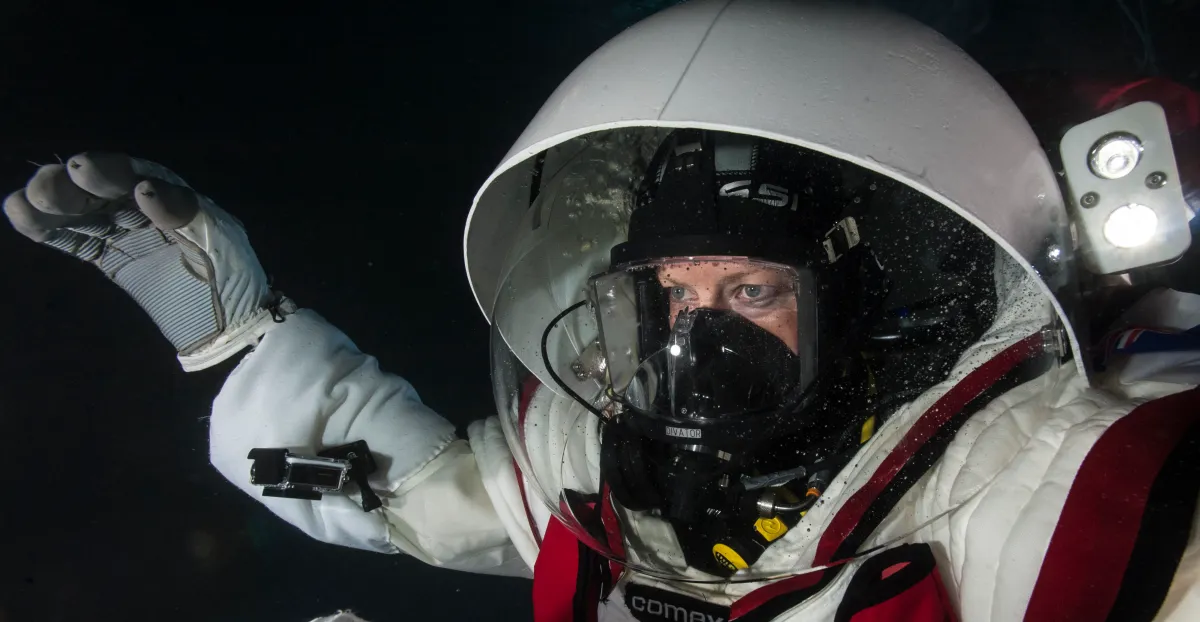
Medical institutions such as Massachusetts General Hospital (MGH) and Baylor College of Medicine are launching space medicine fellowships to prepare doctors for the unique challenges of providing medical care during space travel and prolonged missions. As space exploration becomes more accessible, there is a growing need for physicians trained in delivering complex medical care in austere environments. The fellowship programs include training in rescue medicine, rotations at NASA and commercial spaceflight companies like SpaceX, and experiences in remote locations on Earth that simulate the conditions of space. Doctors will need specialized knowledge to address the potential medical problems and make sound decisions with limited diagnostic tools. The training will also focus on understanding the effects of space on the human body, such as changes in air diffusion, infection risks, and the impact on vision, muscle, and bone density. The goal is to find the right balance between human physiology and engineering to protect human health during long-term space missions.