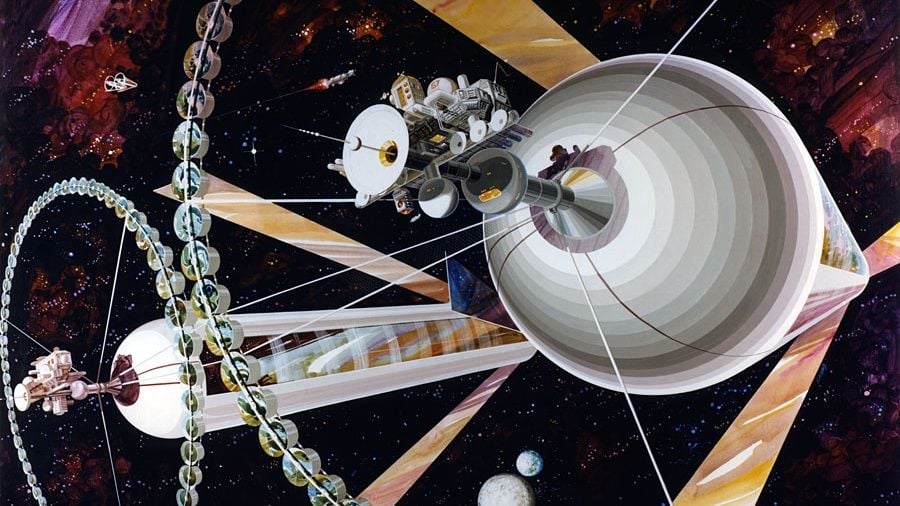
The article discusses the ambitious 1970s vision of space scientist Gerard K. O'Neill for building large, self-sufficient space cities at the L5 Lagrange point, which faced practical and technological challenges, leading to the realization that such habitats remain a distant dream due to engineering, economic, and social hurdles.
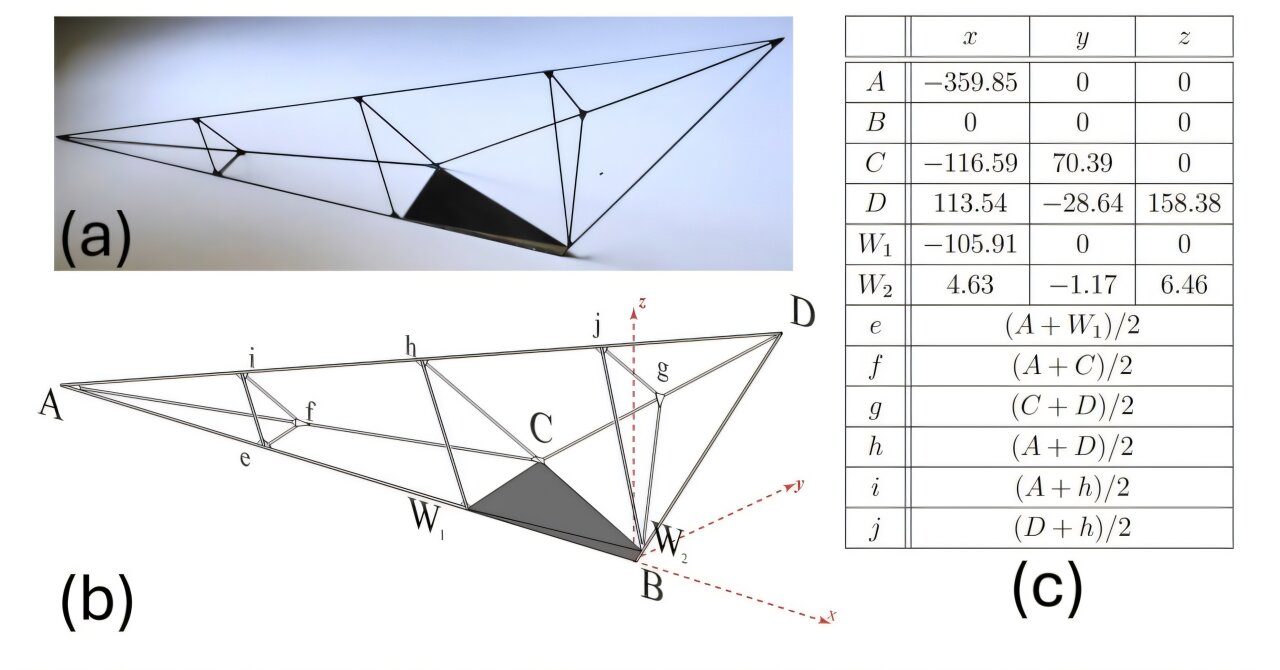
Researchers have developed the world's first monostable tetrahedron, a shape that always lands on the same side, which could improve lunar lander designs by enabling them to self-right after falling over, addressing a long-standing mathematical and engineering challenge.
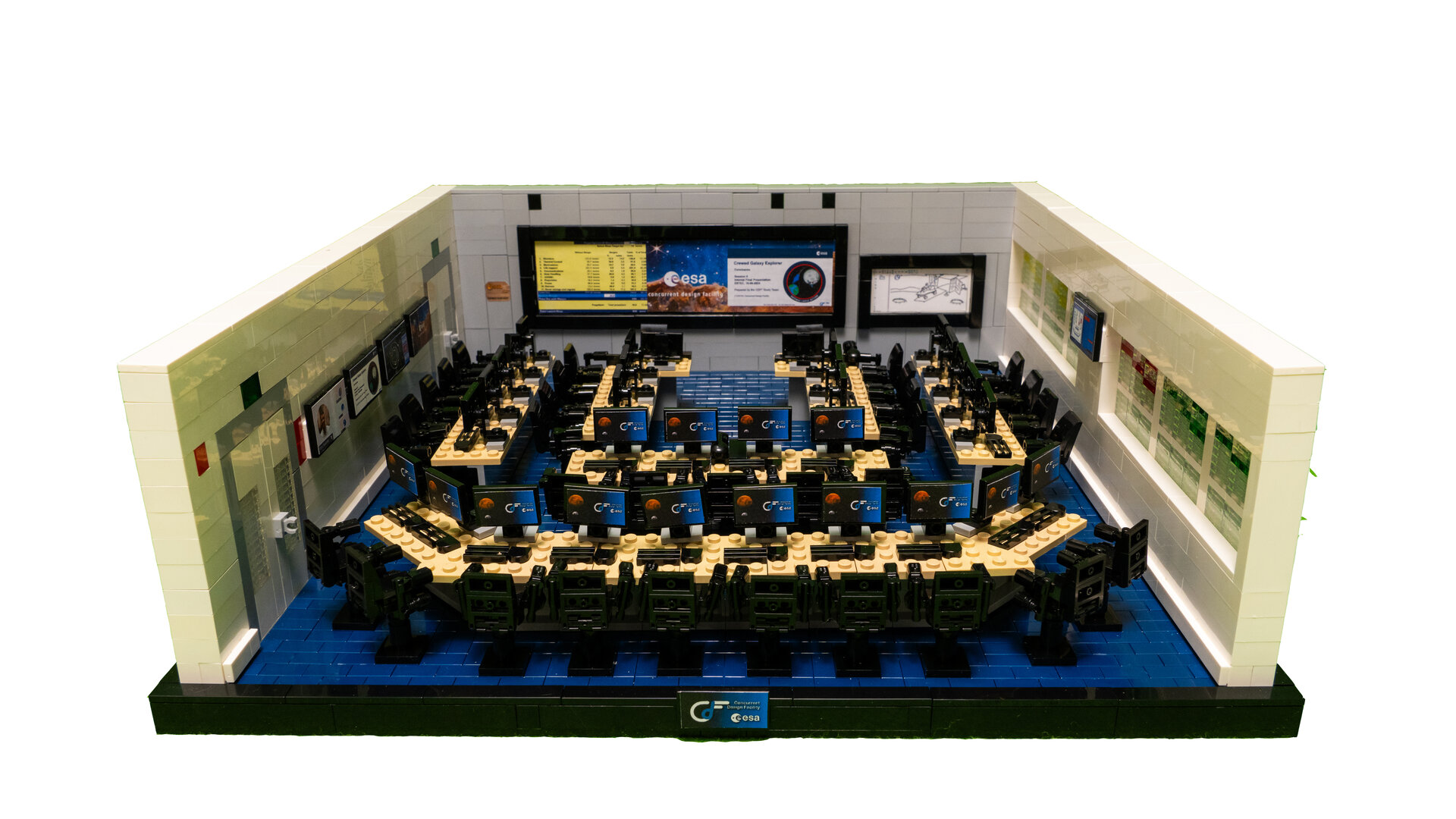
ESA systems engineer Robin Biesbroek has recreated the Concurrent Design Facility (CDF) at ESA's ESTEC in the Netherlands using over 3000 LEGO pieces. This miniature model, designed as an exhibit for ESTEC's main corridor, was developed using Bricklink Studio and includes references to the classic LEGO LL928 Galaxy Explorer. The CDF is a key location for conducting 'pre-Phase A' studies of proposed space missions, assessing their feasibility before industrial development.
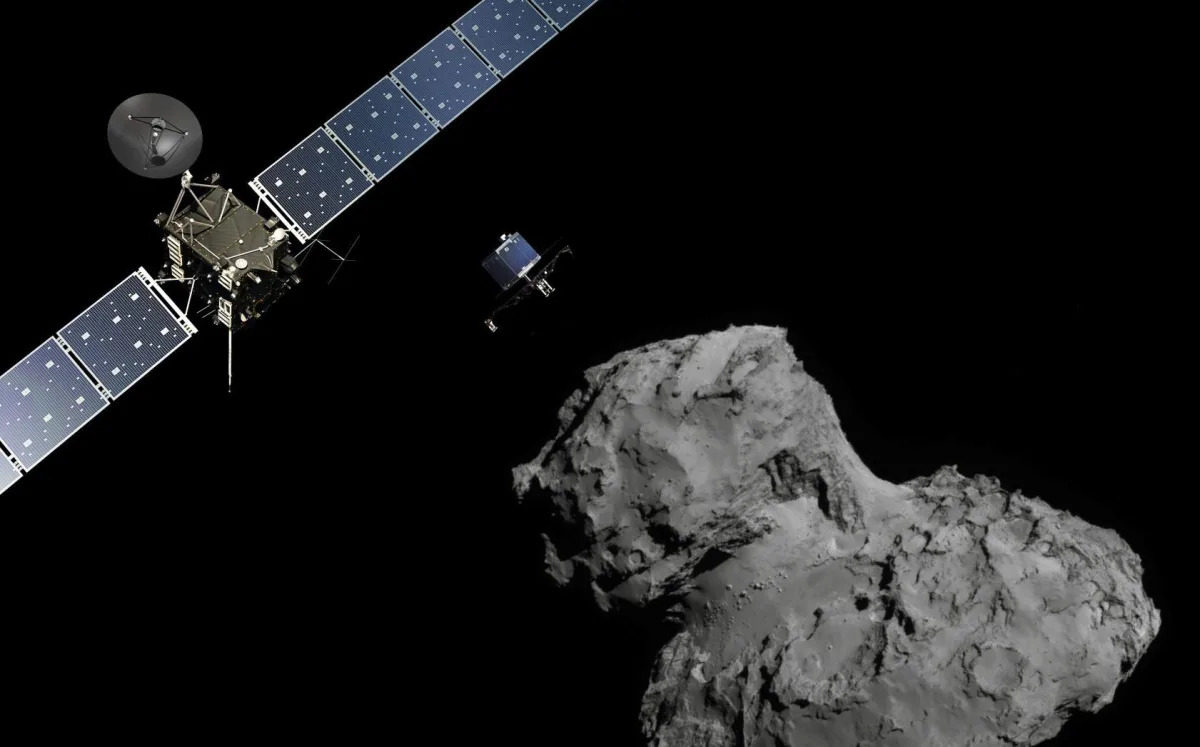
The Rosetta spacecraft, which orbited a comet in 2014, had its outer casing removed to save weight, leaving a propellant tank exposed. To protect it, engineers designed a bullet-proof "vest" using Kevlar-like material. The spacecraft used Earth and Mars' gravitational pull to accelerate and reached the comet in 2014, releasing a probe that landed on its surface. Despite some challenges, including the probe bouncing on landing and running out of power, the mission provided valuable data before Rosetta made a controlled crash onto the comet in 2016.