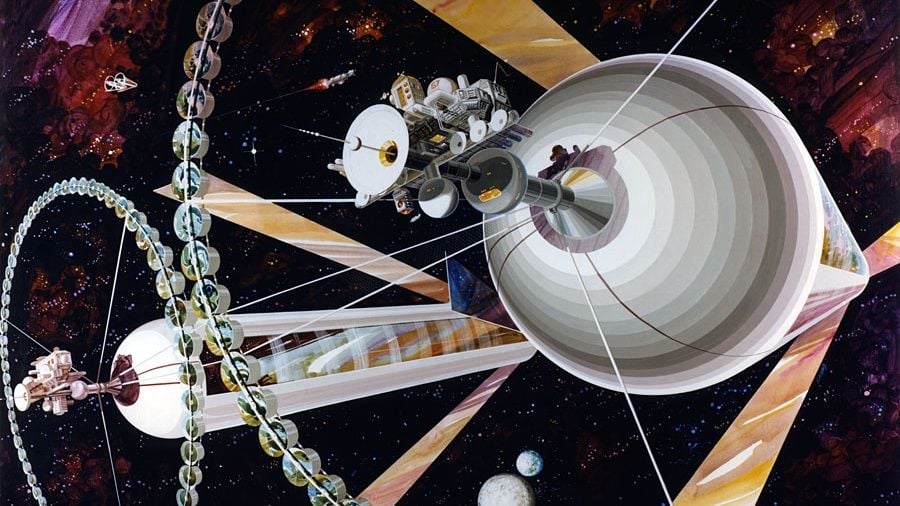
The article discusses the ambitious 1970s vision of space scientist Gerard K. O'Neill for building large, self-sufficient space cities at the L5 Lagrange point, which faced practical and technological challenges, leading to the realization that such habitats remain a distant dream due to engineering, economic, and social hurdles.
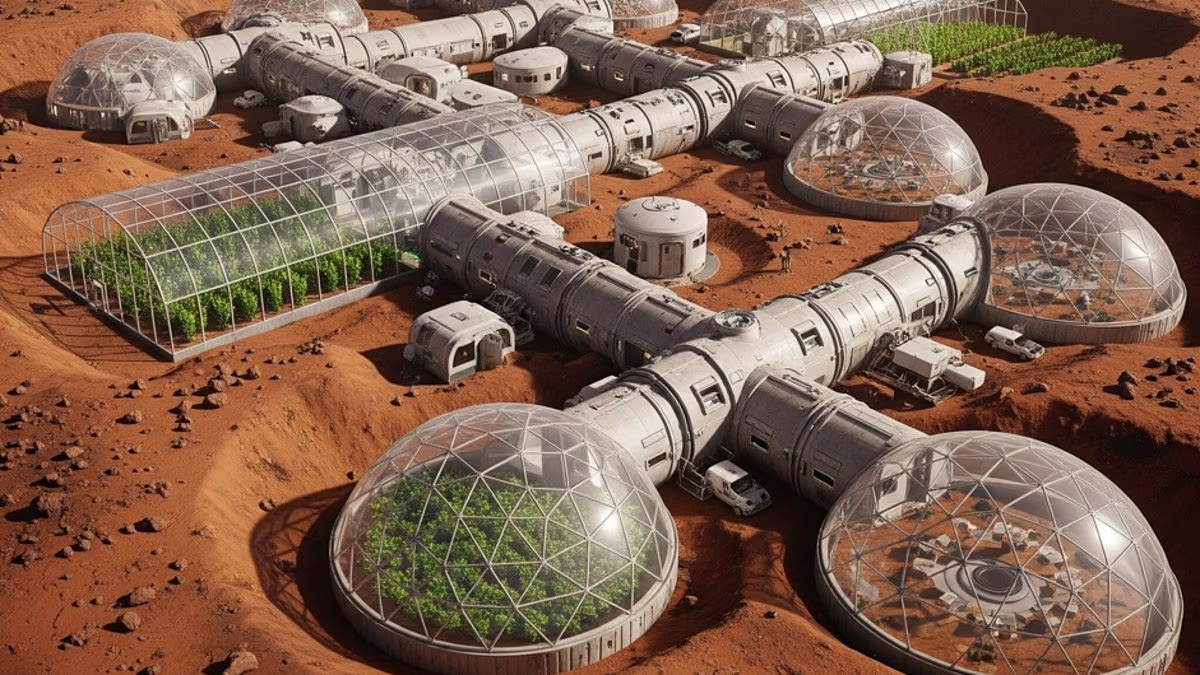
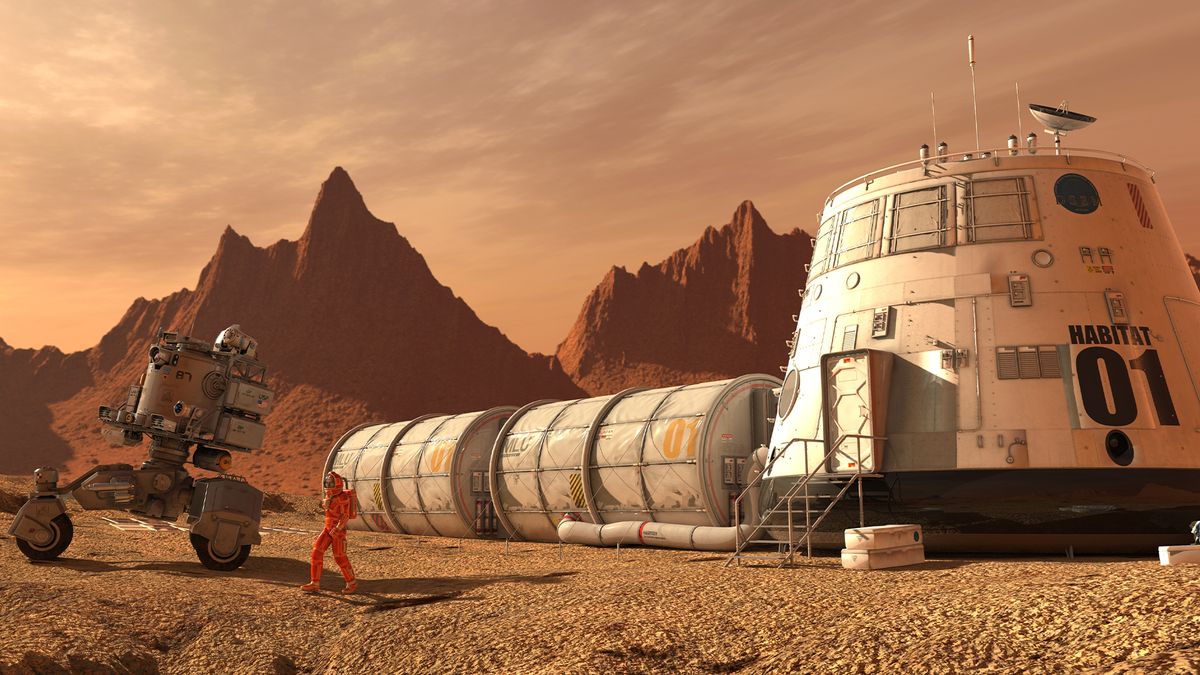
The European Space Agency envisions humans living in self-sustaining 'space oases' on Mars, the Moon, and Earth's orbit within 15 years, featuring advanced habitats, autonomous exploration robots, and in-orbit manufacturing, aiming to make space colonization a reality and expand human presence across the solar system.
NASA plans to establish a permanent lunar outpost and explore Mars, prompting consideration of which animals could help sustain ecosystems in space. Insects, fish, water bears, and crustaceans are among the candidates due to their potential for pollination, food production, and resilience to extreme conditions. However, the impact of reduced gravity on animal development remains a significant challenge, with simpler animals like insects and crustaceans likely to be more robust in space habitats. Research and engineering challenges persist, but these animals could play crucial roles in supporting future human settlements beyond Earth.
An engineering team is developing a liquid-vapor heating and cooling system for space habitats, aiming to create a more efficient and lightweight solution. Currently being tested on the International Space Station, the system utilizes two-phase liquid-vapor flow, which transfers heat more effectively than traditional one-phase systems. The team is designing models that can operate under different levels of reduced gravity, as space vehicles and habitats experience microgravity, lunar gravity, or Martian gravity. If successful, this technology could be used to maintain comfortable temperatures in future space habitats on the Moon, Mars, and beyond.