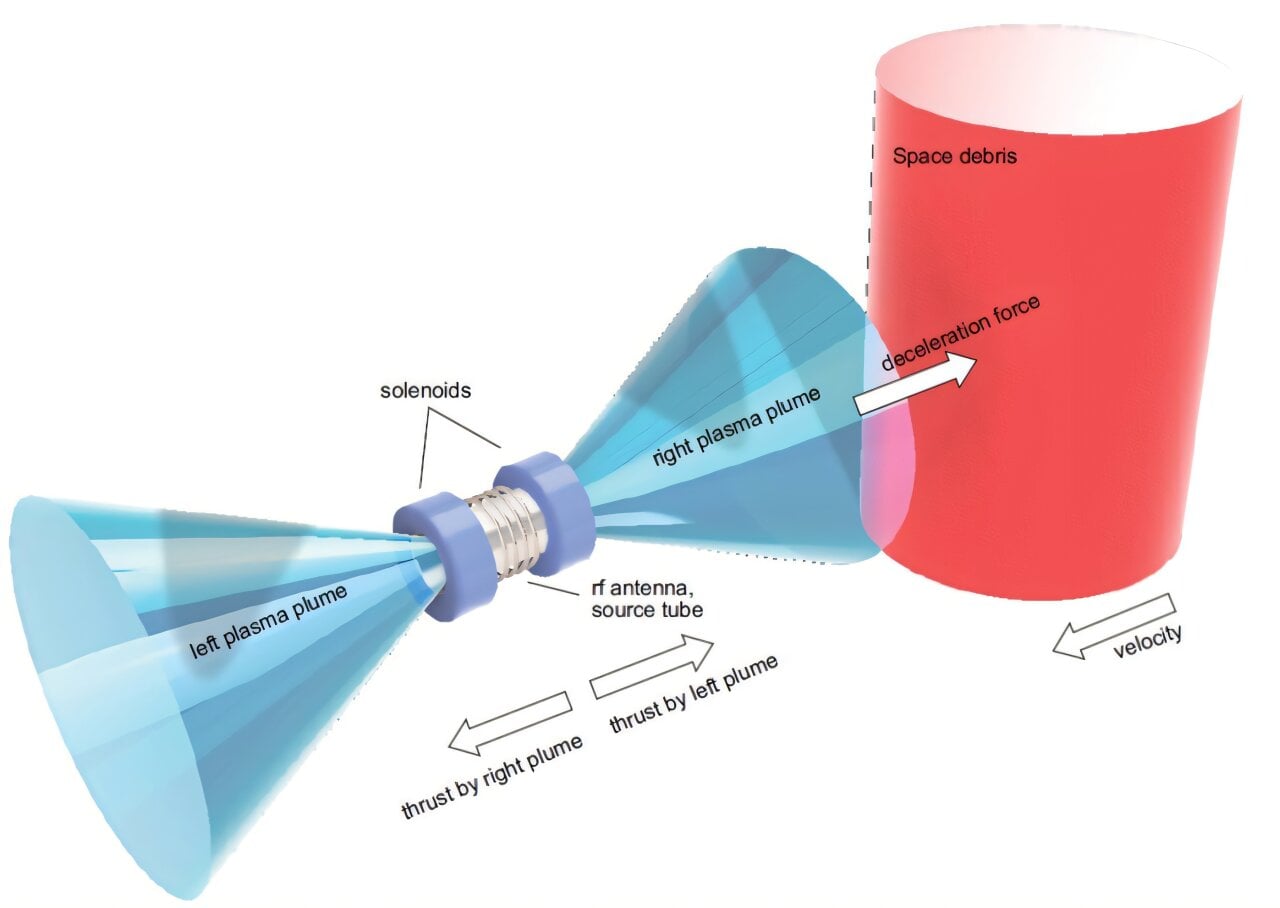
Researchers at Tohoku University have developed a bidirectional plasma thruster with a magnetic cusp to safely and efficiently remove space debris by slowing it down until it re-enters Earth's atmosphere, demonstrating promising laboratory results that could improve space sustainability.
Tens of thousands of pieces of space debris threaten Earth's orbit, with experts emphasizing the need to prioritize removal of large, hazardous objects to prevent catastrophic collisions and Kessler Syndrome. Advances in cleanup technology are underway, but cost and decision-making methods are critical, highlighting the importance of fair and effective prioritization strategies for sustainable space exploration.
The increasing amount of space debris poses a threat to future space missions, with potential for a Kessler syndrome scenario. Various strategies for clearing space debris include using small spacecraft to slow down larger debris, physical sweepers or metal dust clouds for smaller fragments, and ground- and space-based lasers for mid-sized debris. NASA views laser technology as the most cost-effective method, but international cooperation will be necessary to implement any removal strategies.
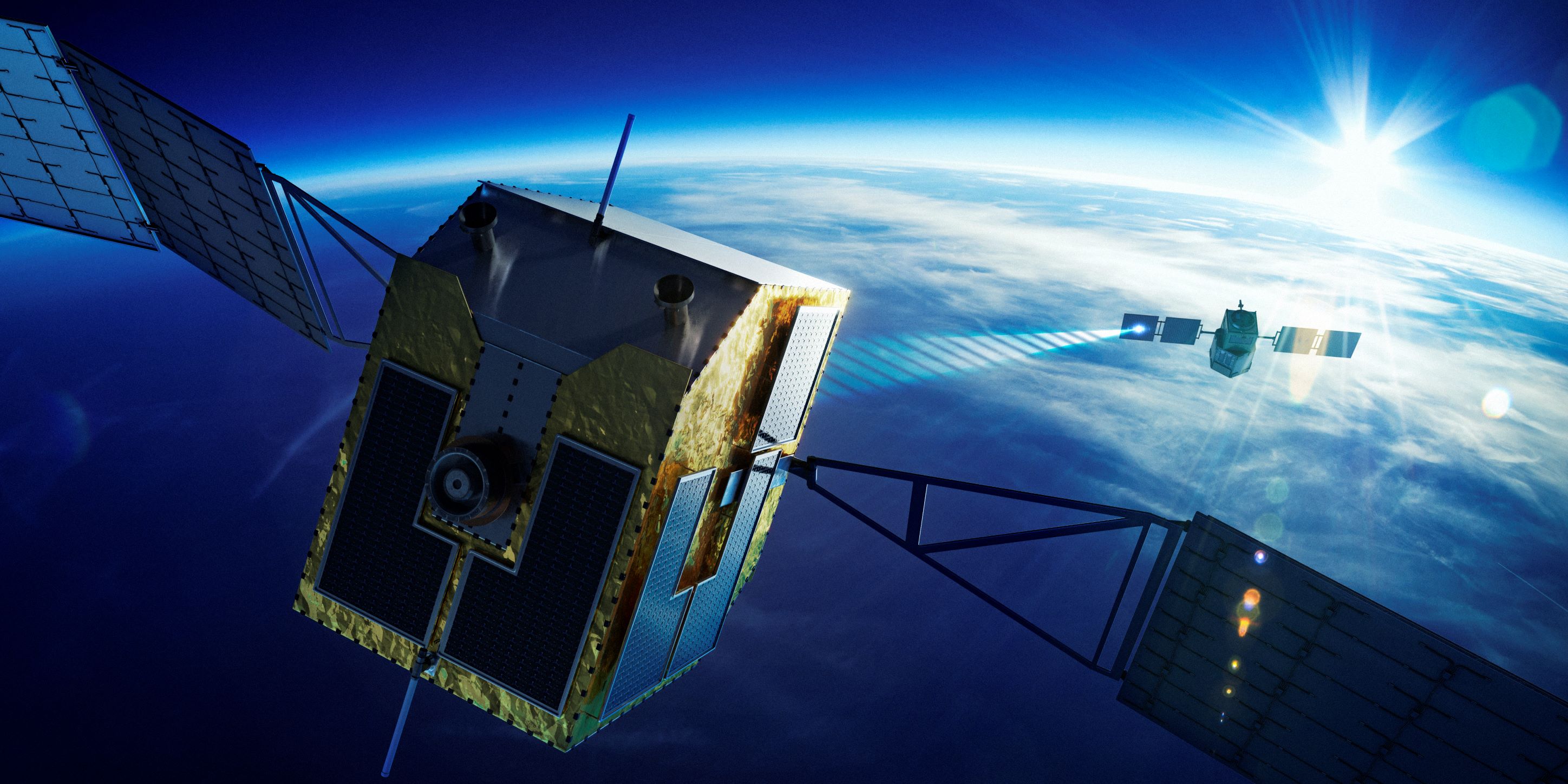
Japanese startup Orbital Lasers plans to use satellite-mounted lasers to decelerate and remove space debris from Earth's orbit, aiming to start operations by 2029. The technology involves emitting a laser beam to vaporize part of the debris' surface, using the impulse to detumble and decelerate the object so it gradually descends towards the atmosphere and burns up. The company claims this method is safe and cost-effective, with potential applications in space-based Lidar technology for creating detailed surface maps. However, concerns about potential misuse of space-borne lasers and the threat of pre-emptive strikes remain.
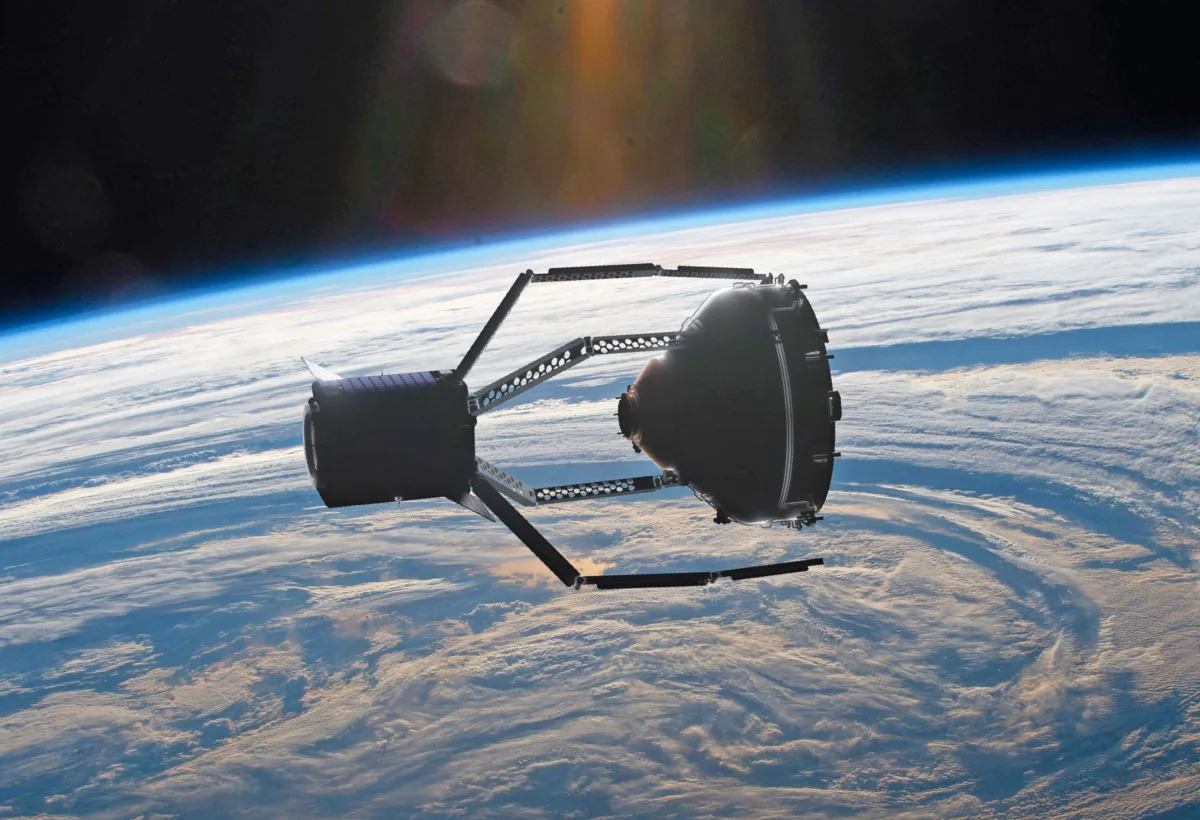
The increasing number of satellites and space debris in Earth's orbit poses a significant risk of collisions and threatens space exploration, communication systems, and the safety of astronauts. Various methods are being explored to address this issue, including magnetic capture-and-release systems, robotic arms, harpoons, nets, and lasers to remove debris from orbit. Some companies are also developing technologies to recycle space debris for fuel. Policymakers are implementing stricter regulations to mitigate orbital pollution, and scientists are warning about the potential catastrophic consequences of uncontrolled space junk. The urgency to address this problem is growing as more satellites are launched into orbit.
Experts argue that it is the responsibility of governments to address the issue of space debris and implement measures to declutter space. With the increasing number of satellites and space missions, the risk of collisions and the creation of more debris is a growing concern. International cooperation and the development of satellite technology are crucial in effectively managing and cleaning up space debris.
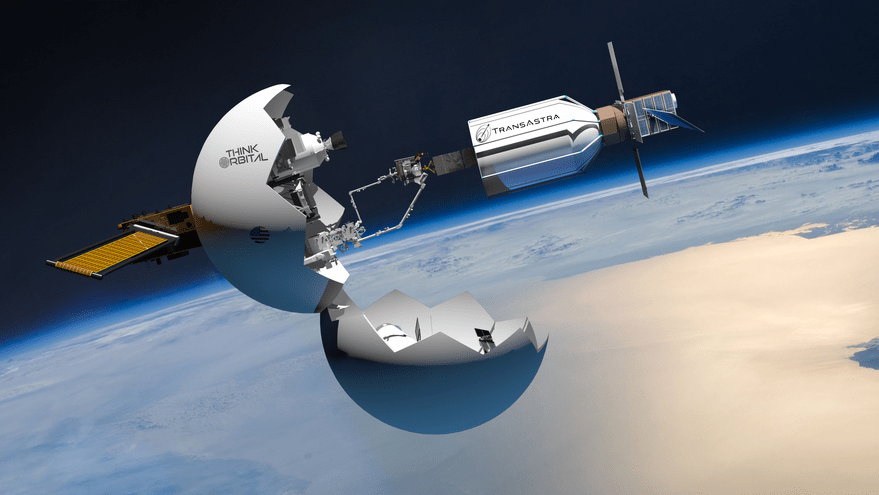
TransAstra has been awarded an $850,000 NASA contract to manufacture an inflatable capture bag for orbital debris cleanup. The bag, which uses inflatable struts to open and close, can envelop noncooperative objects without requiring docking or fixtures. TransAstra proposes capturing multiple pieces of debris with a single bag, reducing propellant consumption and time. The company also plans to transport debris to an on-orbit processing plant for recycling, offering cost reductions and a more sustainable approach to space debris removal. Computer simulations have validated the effectiveness of this method, highlighting its potential for space industrialization and national defense.