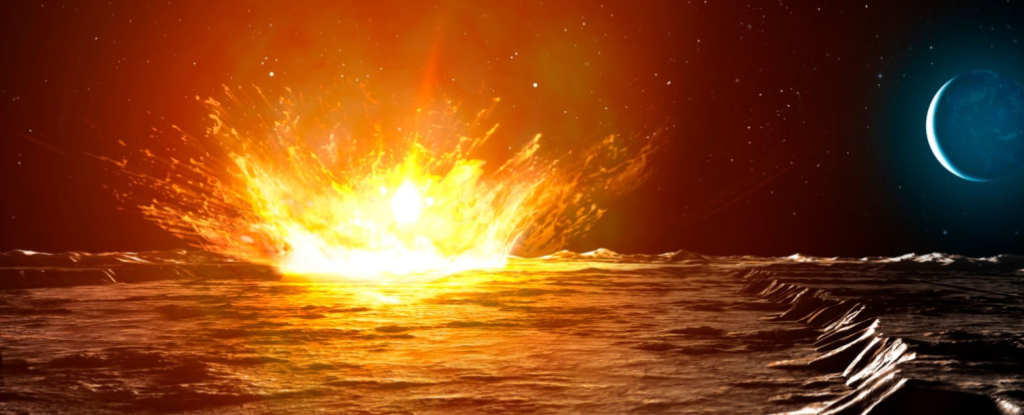
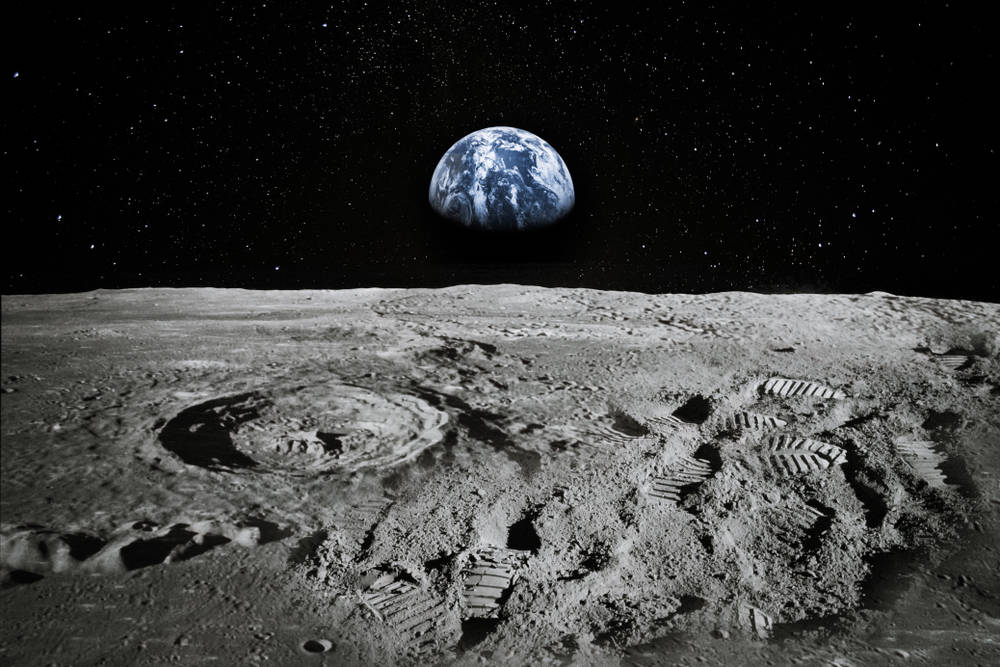
The collision risk of asteroid 2024 YR4 with the Moon has increased to 4.3% for 2032, making it a scientifically interesting event, although the risk to Earth has been effectively ruled out. Astronomers are monitoring its trajectory with future observations planned to refine the risk assessment.
The probability of Asteroid 2024 YR4 hitting the Moon has increased to 4.3% based on observations from the James Webb Space Telescope, although it is unlikely to affect Earth's orbit or residents on the Moon. The asteroid's trajectory will be better understood in 2028, which could adjust the risk assessment further.
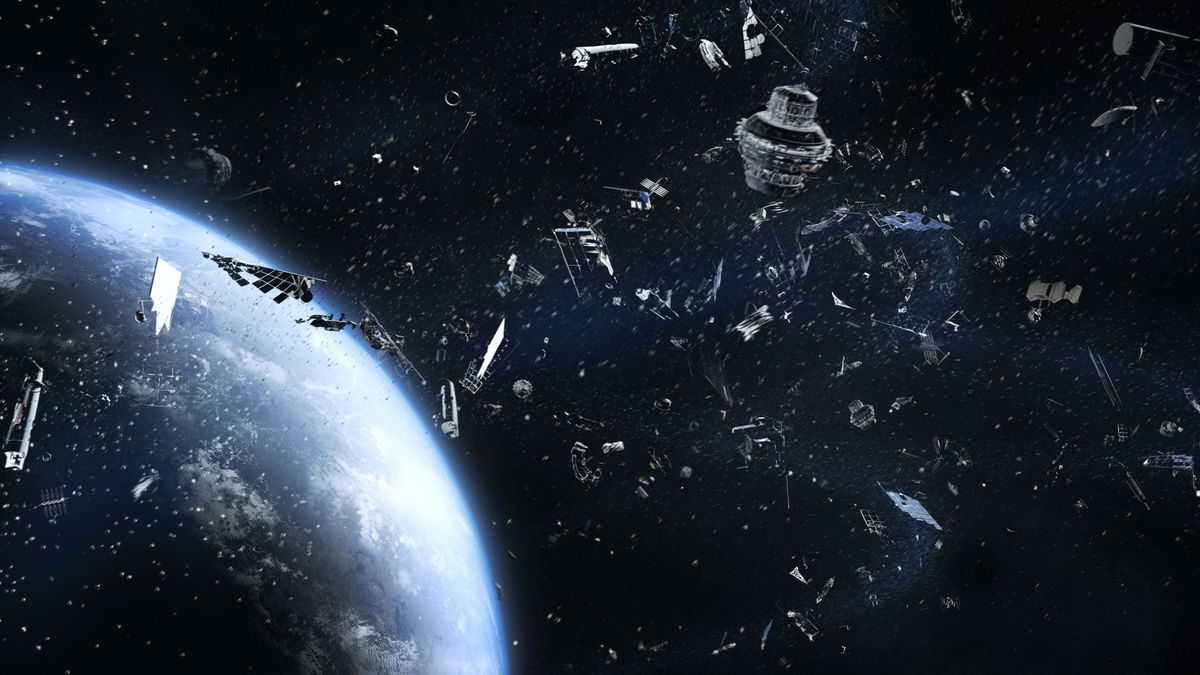
The increasing number of satellites and space debris in Earth's orbit poses a significant risk of collisions and threatens space exploration, communication systems, and the safety of astronauts. Various methods are being explored to address this issue, including magnetic capture-and-release systems, robotic arms, harpoons, nets, and lasers to remove debris from orbit. Some companies are also developing technologies to recycle space debris for fuel. Policymakers are implementing stricter regulations to mitigate orbital pollution, and scientists are warning about the potential catastrophic consequences of uncontrolled space junk. The urgency to address this problem is growing as more satellites are launched into orbit.
Two large pieces of space debris, a defunct Soviet payload and a spent Chinese rocket body, narrowly avoided a collision in low Earth orbit. The close call highlights the urgent need to address the growing issue of space debris, as a collision between these objects would have created thousands of additional debris pieces. The existing debris poses a threat to satellites, astronauts, and the sustainability of space activities. Measures to mitigate space debris are being adopted, but more action is needed to prevent the dangerous cascade effect known as Kessler Syndrome.
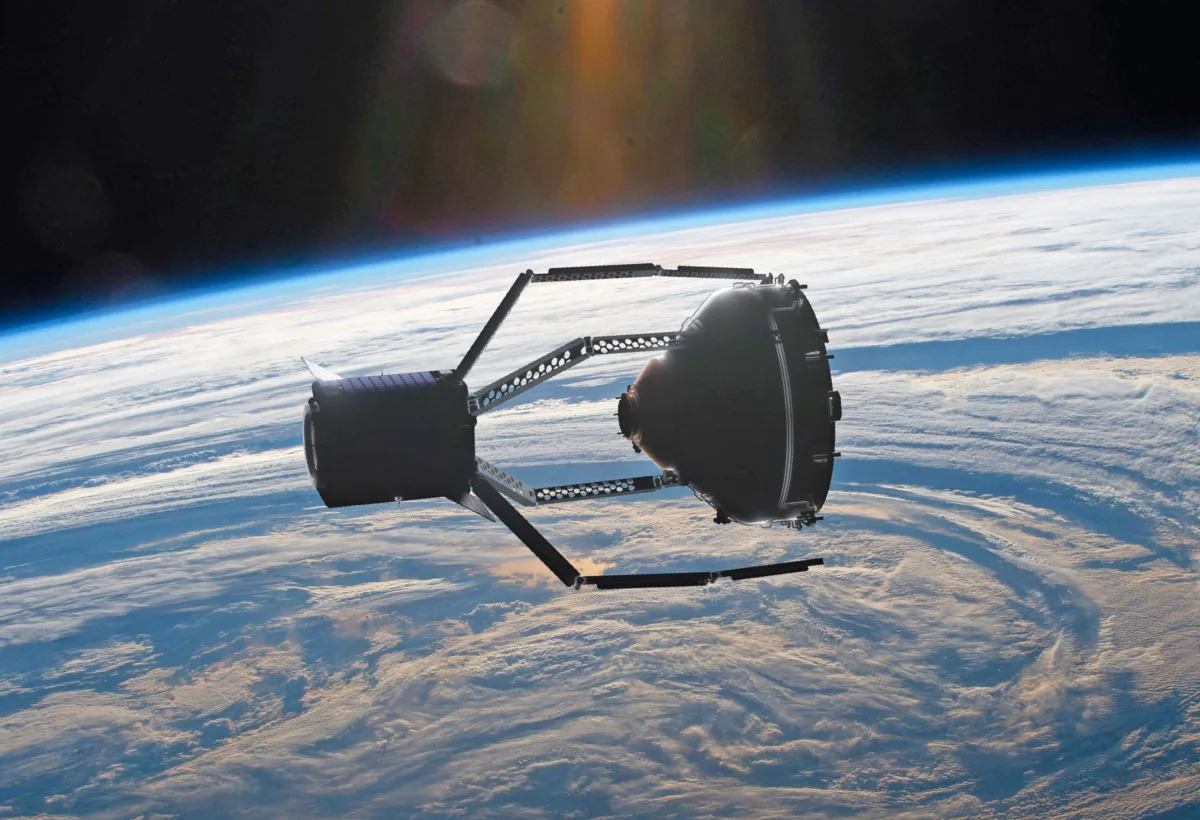
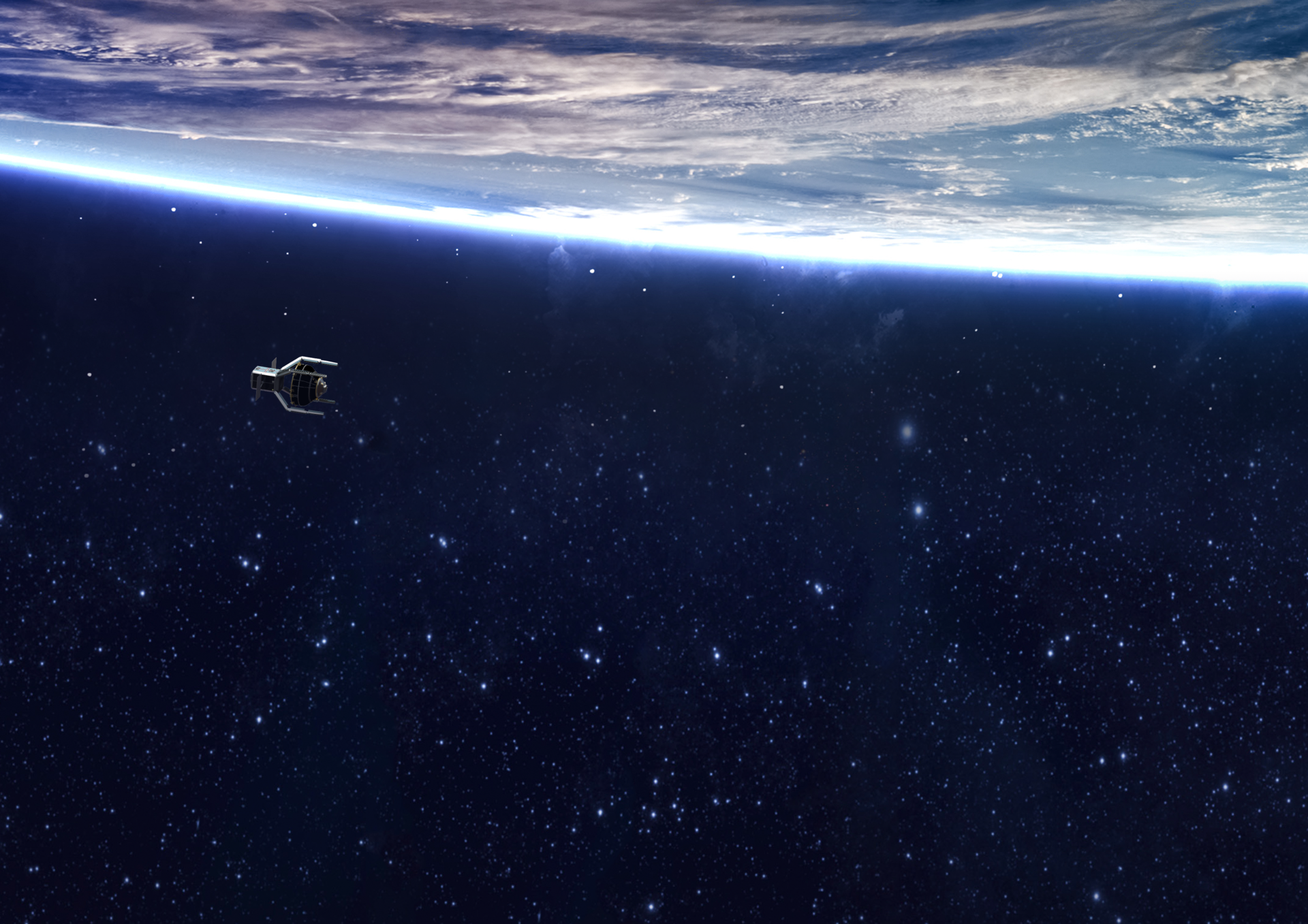
New objects have been detected in the vicinity of a payload adapter named VESPA, which is the target of the upcoming ClearSpace-1 debris removal mission. The debris is believed to originate from the VESPA adapter, but the main object remains intact and has experienced no significant alteration to its orbit. The development of the ClearSpace-1 mission will continue as planned while additional data is collected. This event highlights the importance of debris removal to minimize the risk of fragmentation and damage to active satellites.