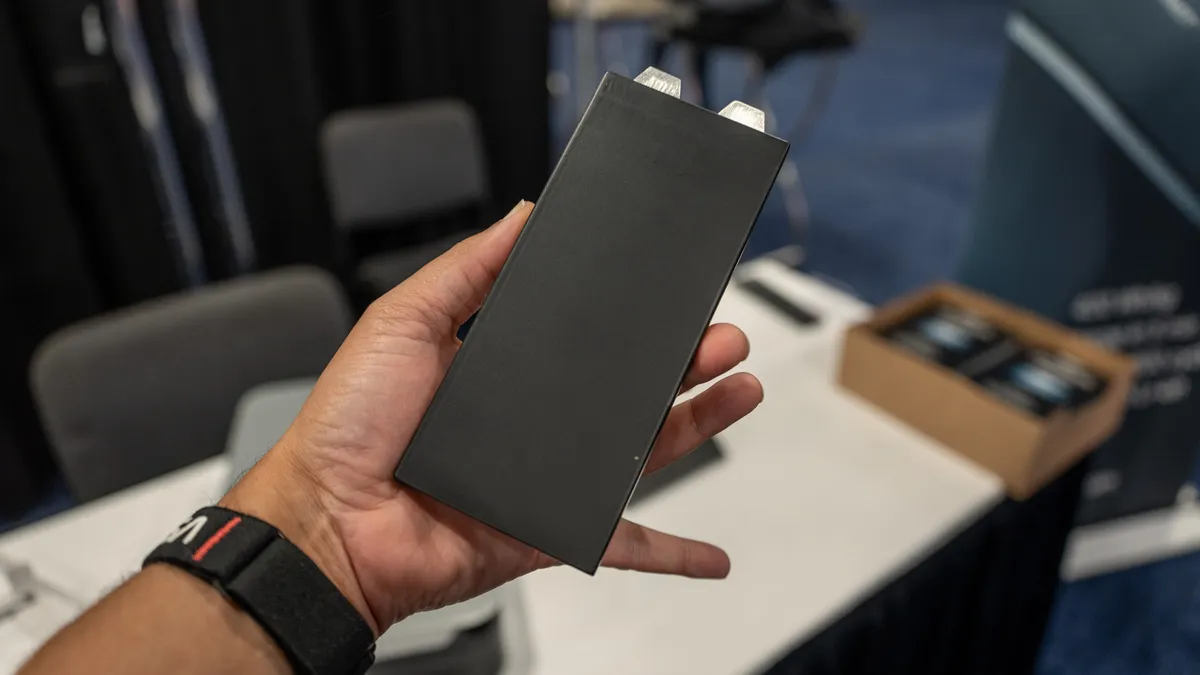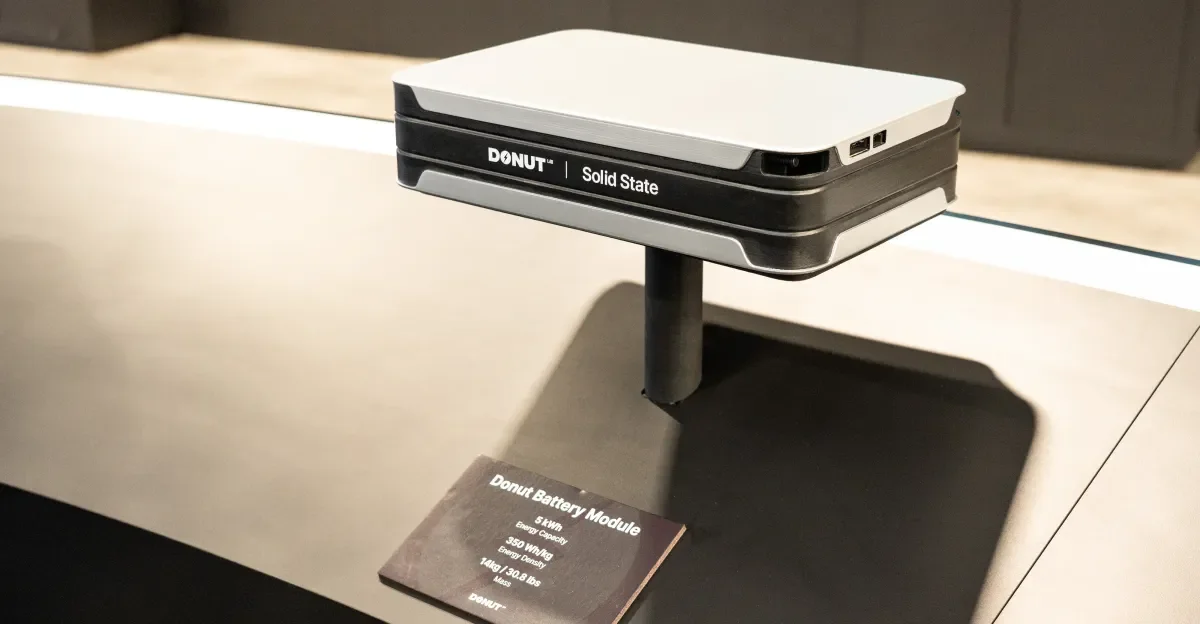
Donut Lab has introduced the world's first all-solid-state battery for a production vehicle, currently powering Verge Motorcycles' TS Pro electric motorcycle, offering lighter weight, longer lifespan, faster charging, and lower costs, with potential applications in larger vehicles and future electric platforms.
QuantumScape announced a breakthrough in its solid-state lithium-metal battery technology by successfully integrating its Cobra separator process into baseline cell production, leading to a 37% premarket stock surge and marking significant progress toward commercializing next-generation EV batteries.
QuantumScape's stock surged 37% after announcing a breakthrough in integrating its Cobra separator process into baseline cell production, marking significant progress in commercializing its next-generation solid-state lithium-metal batteries for electric vehicles.
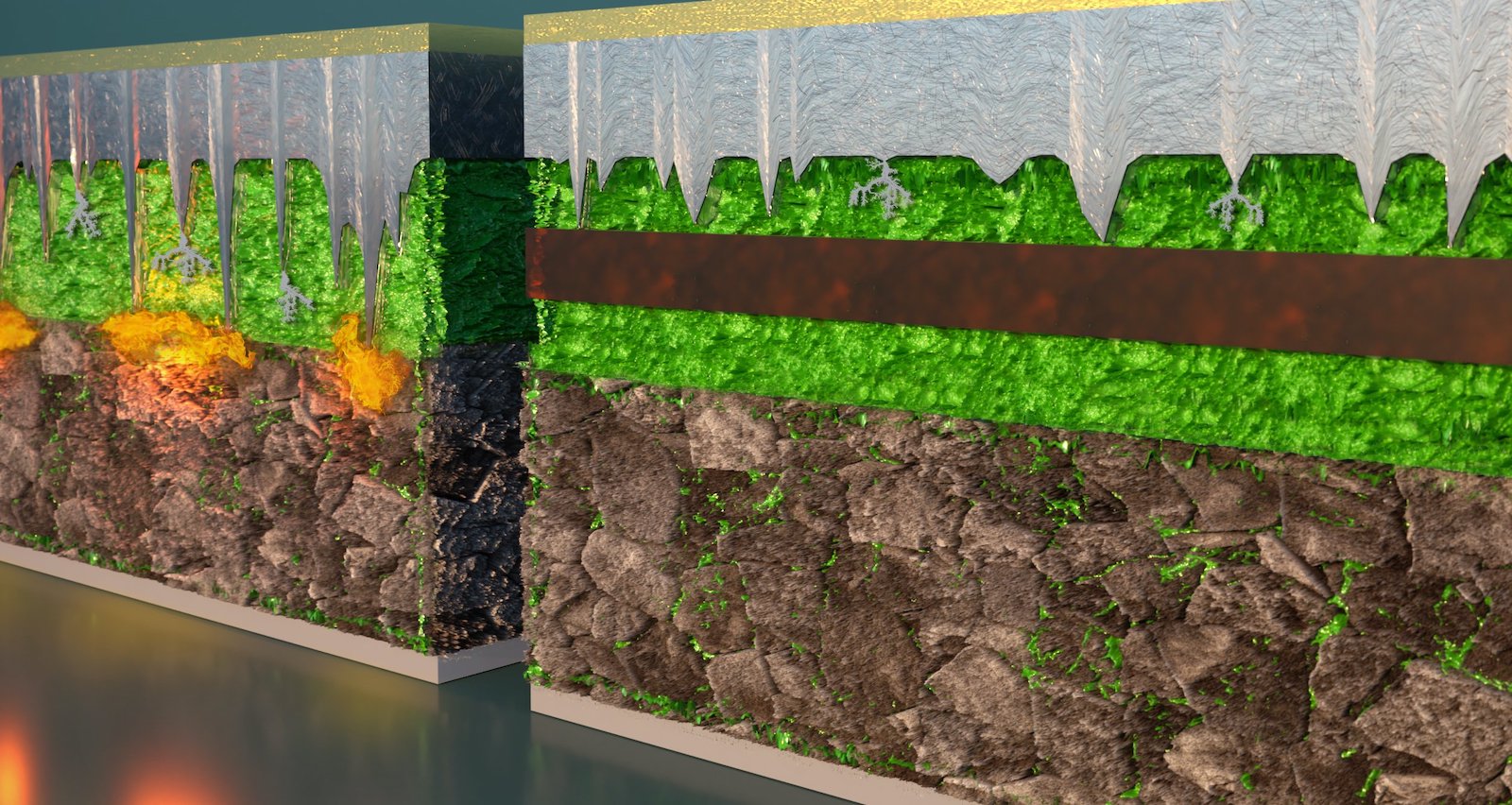
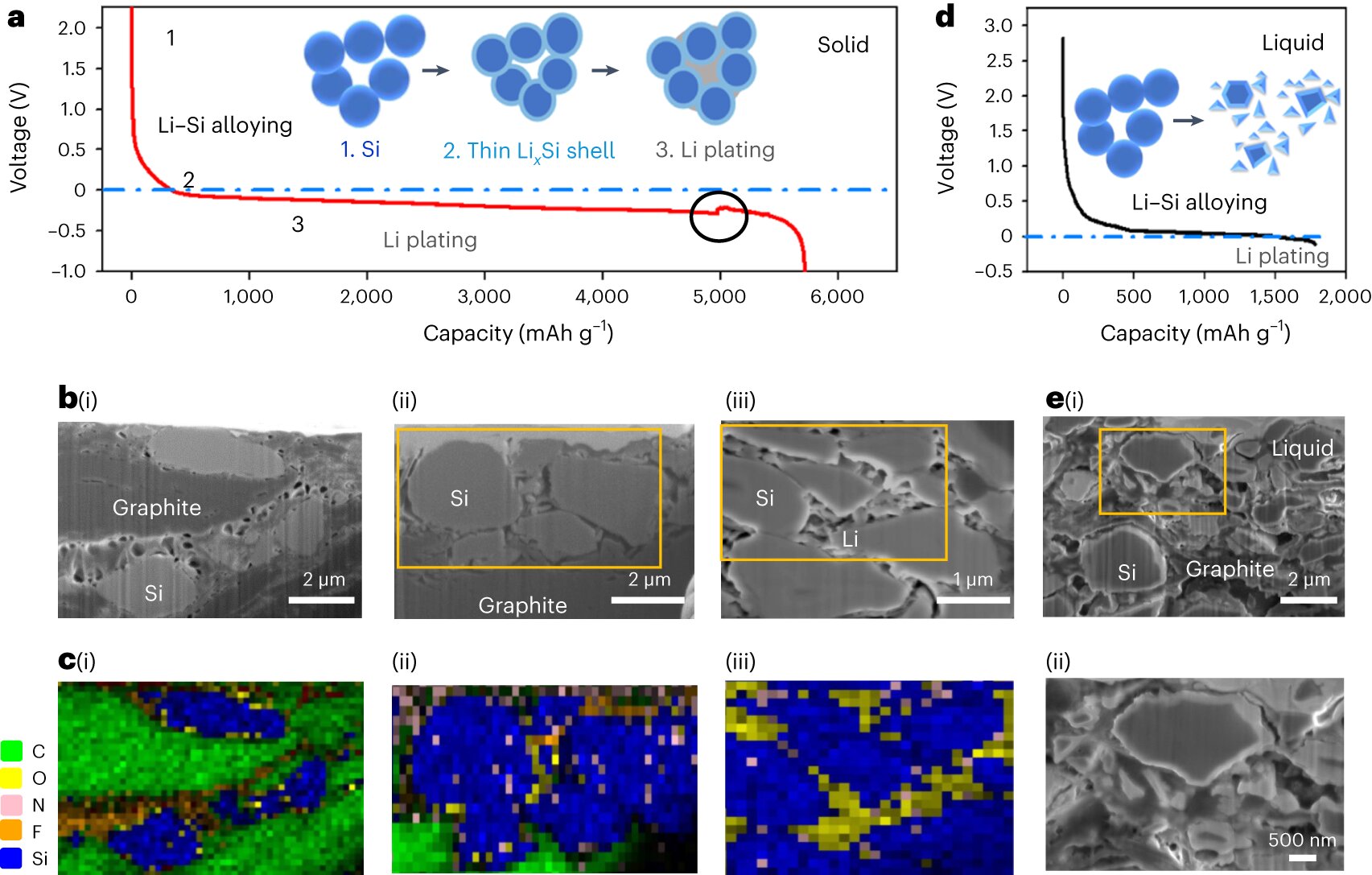
Harvard University researchers have developed a new solid-state battery that can be recharged in 10 minutes and can be charged and discharged at least 6,000 times, outperforming other pouch cell batteries. The battery uses micron-sized silicon particles in the anode to prevent the formation of dendrites, allowing for quick plating and stripping and enabling fast recharging. The technology has been licensed to Adden Energy, a Harvard spinoff company, and could be a game-changer for electric vehicles if mass-produced at a lower price than lithium-ion batteries.
Microsoft's AI team, part of Azure Quantum, used AI models to screen 32 million virtual electrolyte materials and identified a breakthrough solid-state battery that uses abundant sodium instead of rare and expensive lithium, potentially reducing EV battery costs by 70%. The AI-accelerated process led to the discovery of 18 top candidates, which were further narrowed down to one viable cell prototype in collaboration with the US Energy Department's Pacific Northwest National Laboratory. Tesla's CEO Elon Musk expressed interest in the potential of the solid-state battery, impressed by the innovative AI-driven approach.
Researchers at Harvard SEAS have developed a lithium metal solid-state battery with a lifespan of at least 6,000 cycles and the ability to recharge within a few minutes, marking a significant improvement over current pouch battery cells. This breakthrough could pave the way for rapid charging capabilities and offer fresh insights into materials for energy storage, contributing to the transition to greener forms of energy.
Harvard University spinoff Adden Energy has developed a new solid state battery that can last for 6,000 cycles and recharge in just 10 minutes, potentially revolutionizing energy storage and driving fossil fuels out of the global economy. The battery, which overcomes challenges such as dendrite formation, has the potential to make electric vehicles more affordable and is currently in the scaling-up stage, with plans to bring a full-sized solid state battery for electric vehicles to market within the next three to five years. The technology aims to extend the lifetime of batteries, making electric vehicles more accessible to everyone and contributing to a clean energy future.
Researchers from the Harvard John A. Paulson School of Engineering and Applied Sciences have developed a new lithium metal battery that can be charged and discharged at least 6,000 times, lasting for thousands of cycles and recharging in minutes. The battery design utilizes micron-sized silicon particles in the anode to constrict the lithiation reaction and facilitate homogeneous plating of a thick layer of lithium metal, preventing the formation of dendrites. This breakthrough offers new understanding into the materials used for solid state batteries and paves the way for more practical applications in industrial and commercial settings.
NASA researchers at the Solid-state Architecture Batteries for Enhanced Rechargeability and Safety (SABERS) have developed a high-performing solid-state battery that could potentially power electric aircraft more efficiently than lithium-ion batteries. The new battery design eliminates 30 to 40 percent of the weight of traditional batteries and can double or even triple the energy storage capacity. Solid-state batteries are lighter, safer, and can operate in higher temperatures than lithium-ion batteries. While not yet commercially viable, this battery technology has attracted interest from the U.S. government and the aviation industry as a promising solution to reduce air pollution from air travel.
Toyota claims to have made a technological breakthrough in solid-state battery production, which could significantly reduce charging times and increase driving range. The company aims to cut the weight, size, and cost of batteries in half, and believes it can produce a solid-state battery with a range of 745 miles that can charge in 10 minutes or less. However, specific details about the battery's performance and composition are lacking. Toyota still plans to focus on hydrogen fuel cell technology alongside its electric vehicle efforts.
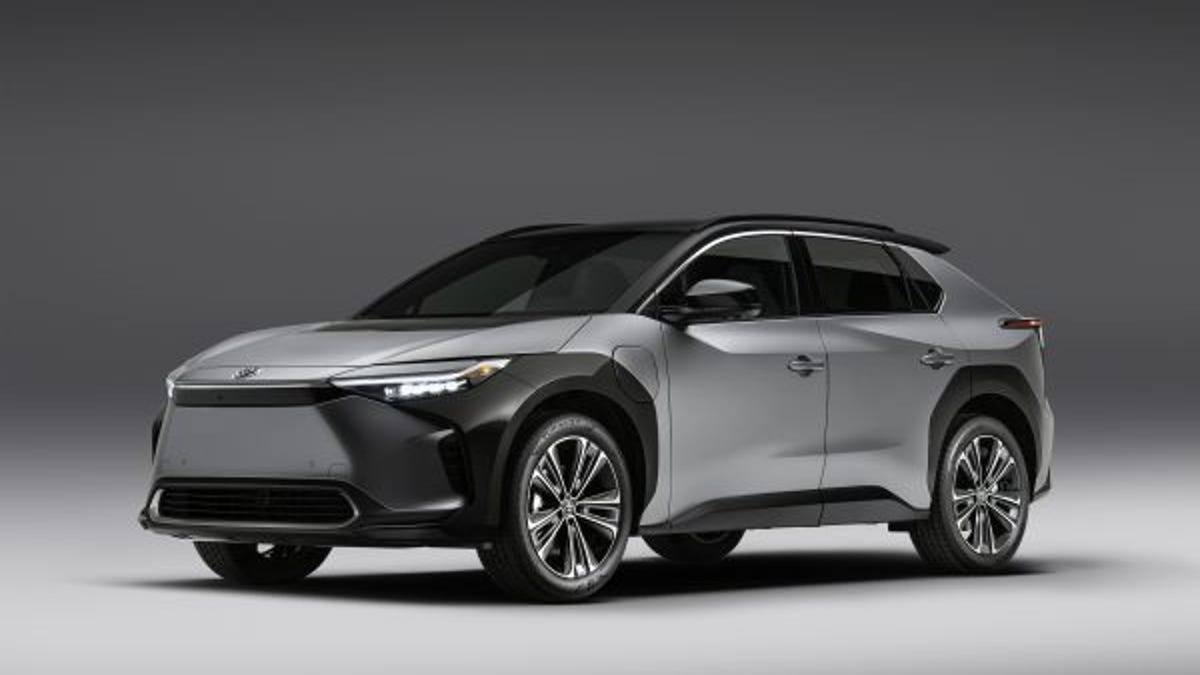
Toyota plans to launch a new solid-state battery for electric vehicles (EVs) by 2028 that can store enough energy to go 750 miles before needing to recharge and can be charged in just 10 minutes. The company also plans to launch a more efficient lithium-ion battery in 2026 with a range of about 620 miles. Toyota expects to sell 1.5 million EVs by 2026 and its luxury brand, Lexus, is slated to go fully electric by 2035.
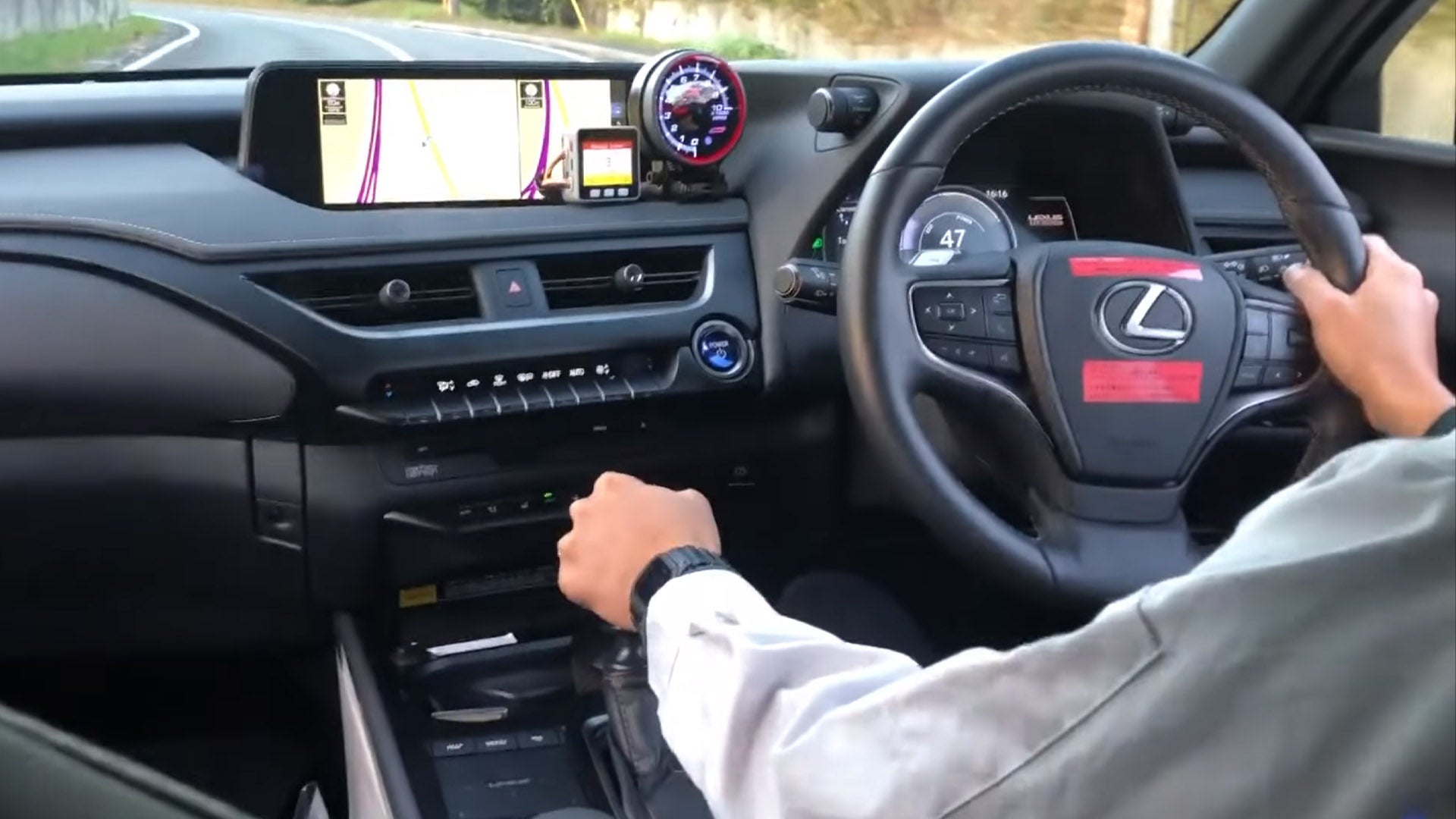
Toyota will debut a manual transmission EV, likely in 2026, alongside its next-gen battery packs. The simulated manual will feature a clutch pedal and simulated engine noises to give the driver a traditional combustion engine-like driving experience. Toyota's next-gen lithium-ion batteries are expected to exceed 600 miles of range in the next three years, and its first solid-state battery will debut in 2027 with around 745 miles and a recharge time of just 10 minutes.
Toyota plans to release an electric vehicle powered by an all-solid-state battery as early as 2027, with the technology expected to more than double the car's range from a single charge. The Japanese automaker revealed the plans in a recent briefing and expects the technology to be commercialized in 2027 or 2028. Toyota aims to sell 3.5 million electric vehicles a year by 2030.