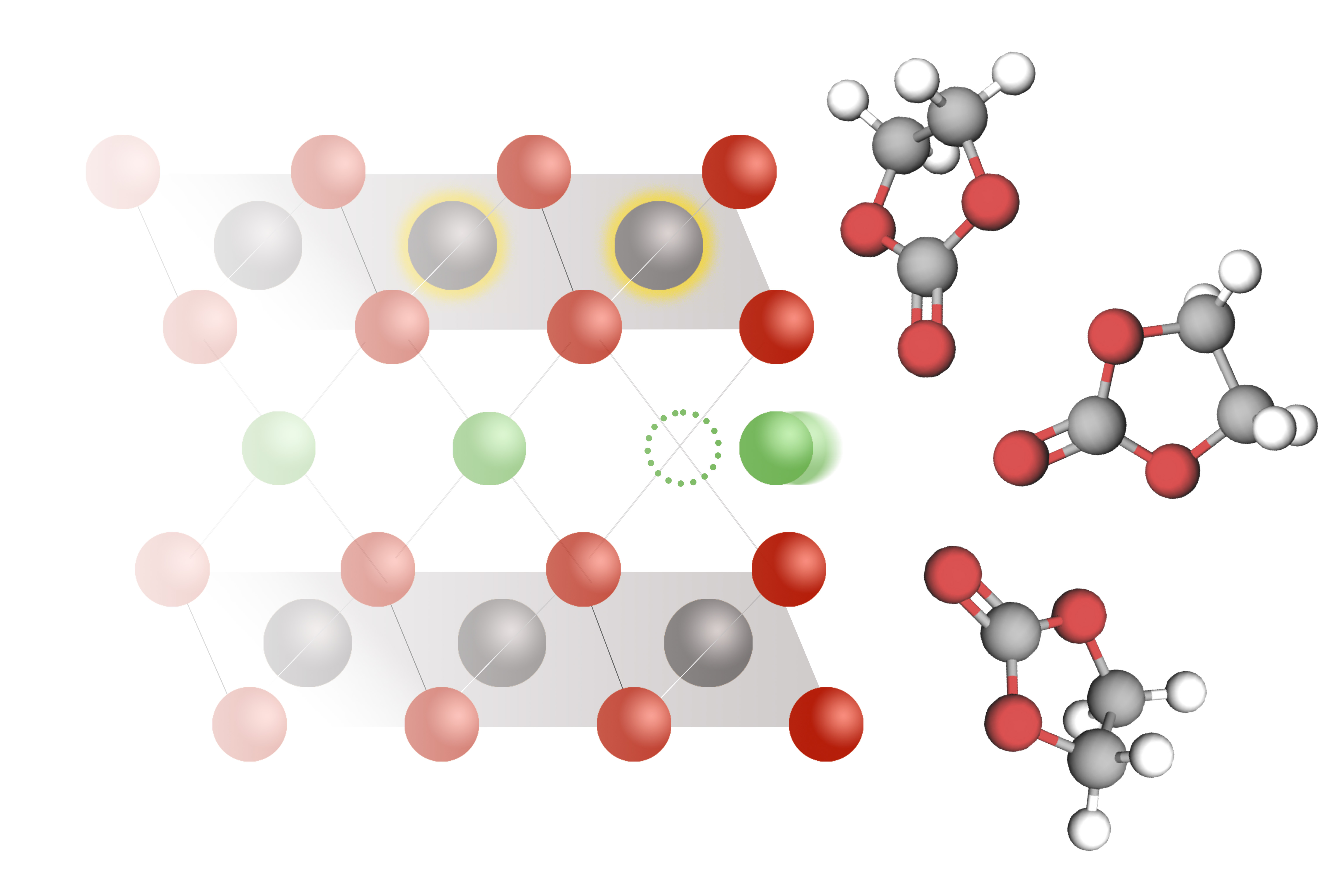
MIT researchers developed a new model based on coupled ion-electron transfer to better understand lithium intercalation in batteries, which could lead to faster charging and longer-lasting lithium-ion batteries by optimizing reaction rates and electrolyte composition.
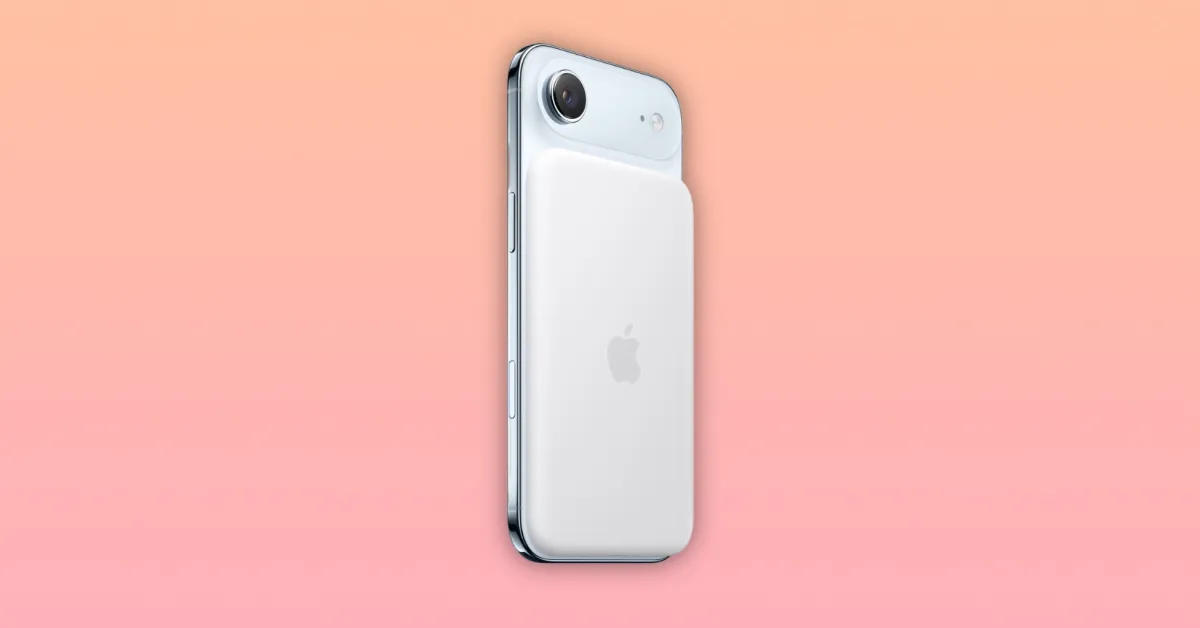
iFixIt’s teardown of the iPhone Air MagSafe Battery reveals it uses the same thin battery as the iPhone Air, suggesting Apple may have streamlined manufacturing by using identical components, with the limited 65% additional charge likely due to wireless charging inefficiencies.
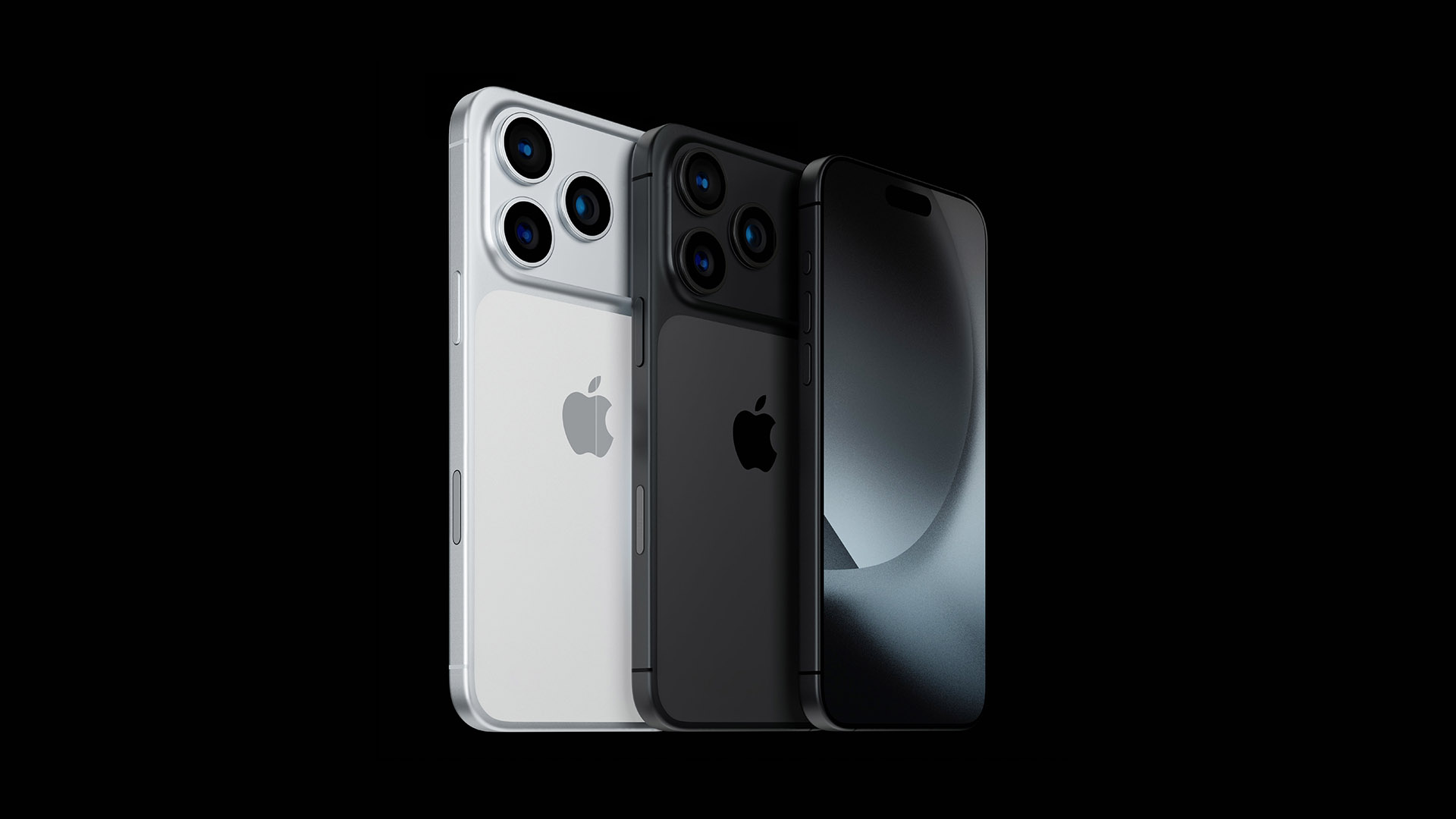
Leaked images of the upcoming iPhone 17 Pro Max reveal significant internal design changes, including a metal-covered battery for better thermal management, different battery shapes for regional variants, and a larger camera bump with a 48MP telephoto lens capable of 5x to 8x optical zoom, indicating substantial hardware upgrades for the September 2025 launch.
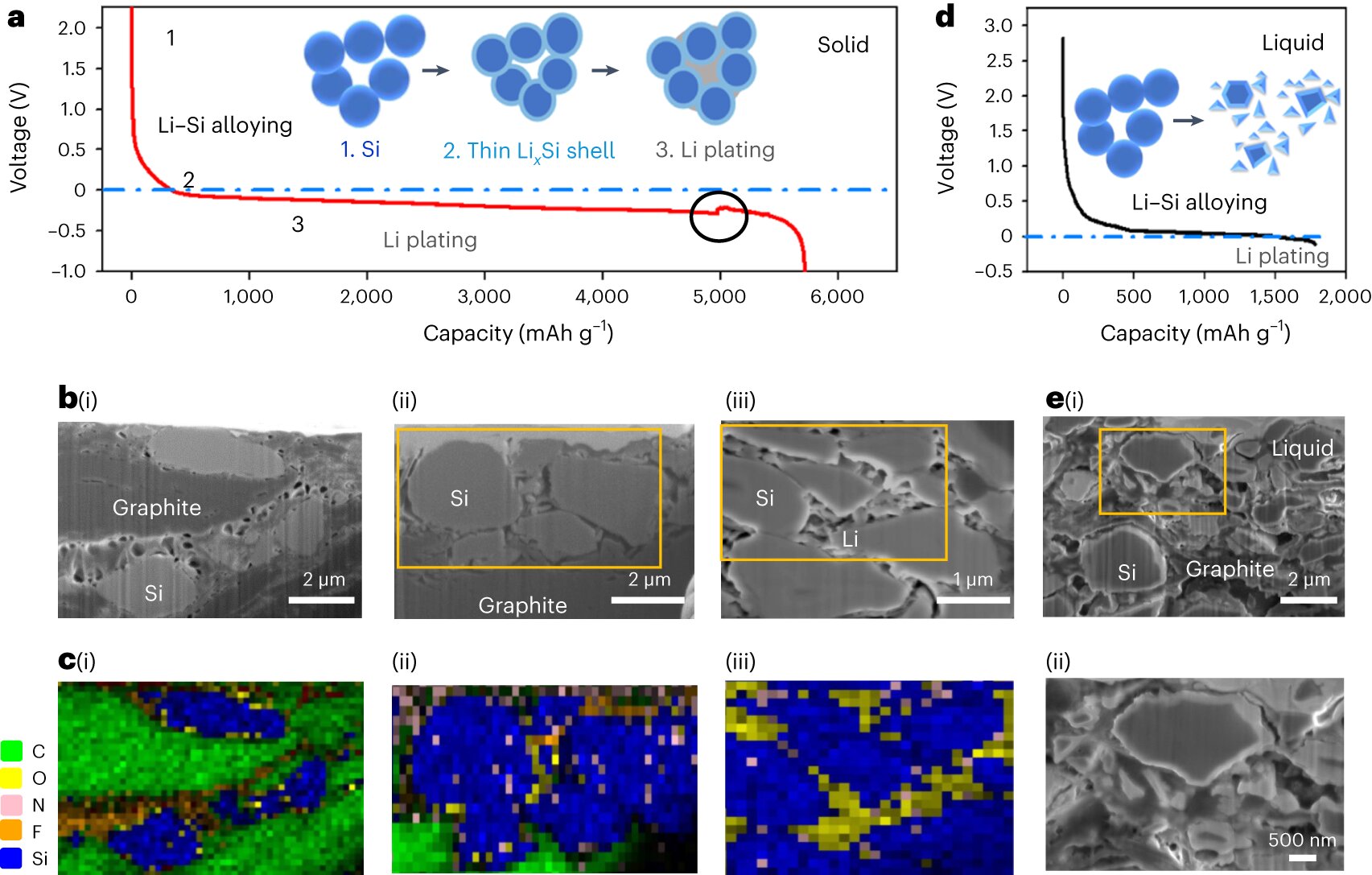
Researchers from the Harvard John A. Paulson School of Engineering and Applied Sciences have developed a new lithium metal battery that can be charged and discharged at least 6,000 times, lasting for thousands of cycles and recharging in minutes. The battery design utilizes micron-sized silicon particles in the anode to constrict the lithiation reaction and facilitate homogeneous plating of a thick layer of lithium metal, preventing the formation of dendrites. This breakthrough offers new understanding into the materials used for solid state batteries and paves the way for more practical applications in industrial and commercial settings.
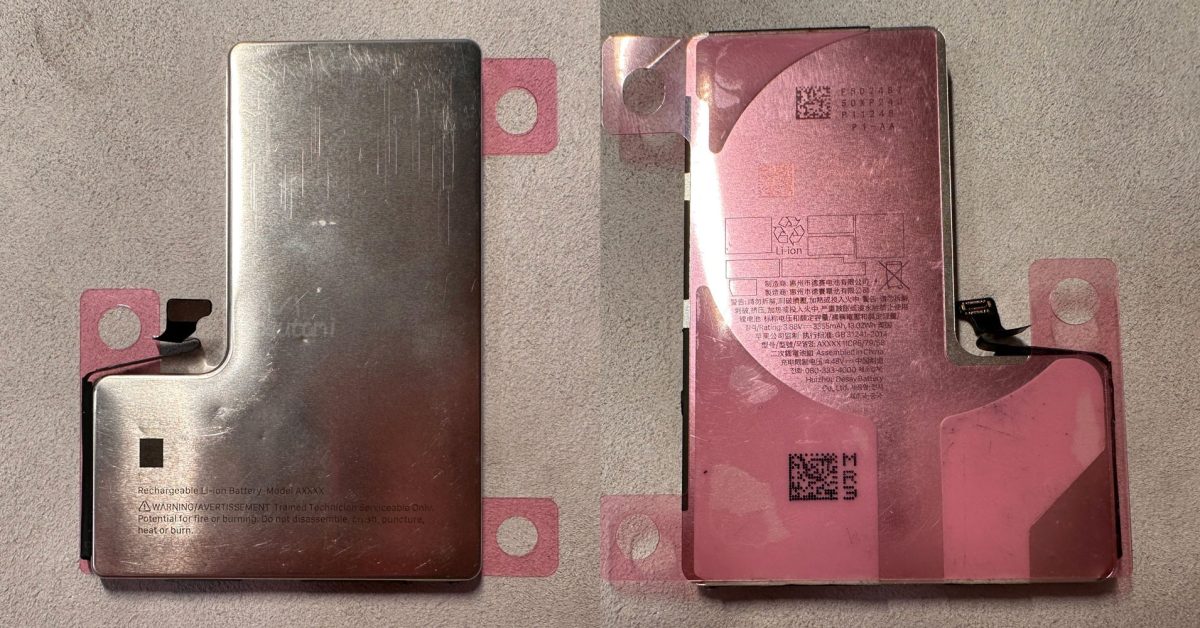
A leaked photo of an alleged prototype battery for the iPhone 16 Pro reveals a new metal shell design, which could potentially improve heat dissipation. The battery has a capacity of 3,355 mAh, slightly higher than the iPhone 15 Pro. While it's uncertain if this design will be used in the final product, it suggests that Apple is working on improving thermals for the next iPhone. Rumors also suggest that the iPhone 16 Pro will have larger screen sizes, better camera lenses, and faster connectivity.
Apple's senior vice president of hardware engineering, John Ternus, explained in an interview why it would be challenging to make iPhones with replaceable batteries, citing water-resistance as a major obstacle. The European Union recently approved new rules requiring easy-to-replace batteries in appliances, including smartphones. If the regulation is approved, Apple and other smartphone makers may have to change their battery designs. Apple has improved repairability with its latest iPhones but may need to innovate to comply with the EU's requirements. The proposed regulation is still awaiting final approvals, and it could be a few years before deadlines are set.