Duke researchers have discovered that small cell lung cancer likely originates from basal stem cells rather than neuroendocrine cells, which could lead to earlier detection and improved treatment strategies, including immune system involvement.
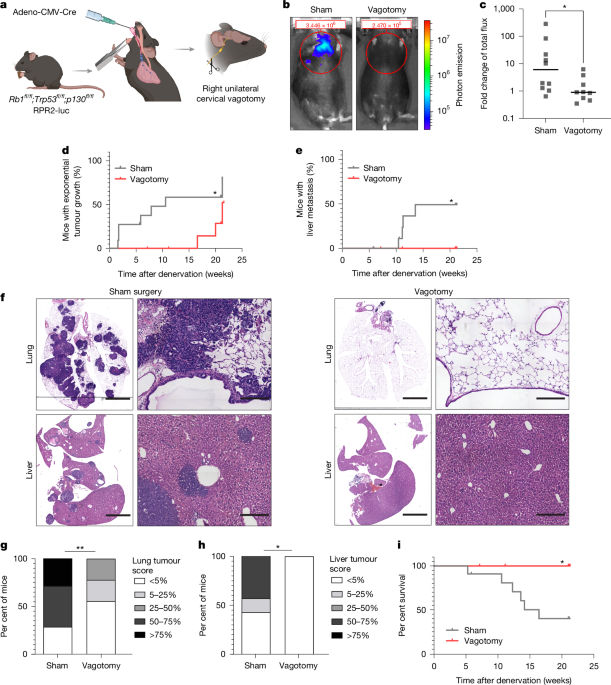
The article explores how neuronal activity and innervation, particularly via the vagus nerve, influence the initiation, progression, and metastasis of small cell lung cancer (SCLC), highlighting the role of neuron-tumor interactions, synaptic communication, and membrane depolarization in tumor growth within the lung and brain.
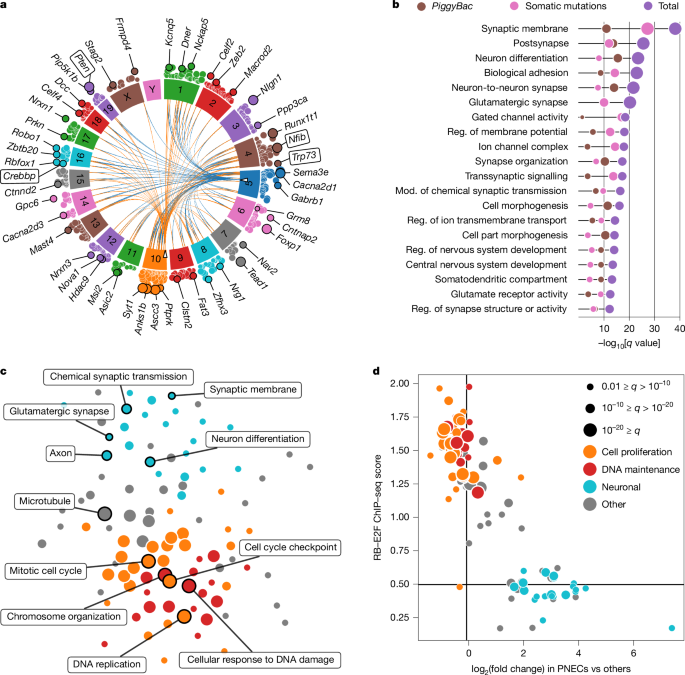
The study reveals that small cell lung cancer (SCLC) forms functional synapses with neurons, particularly glutamatergic ones, which promote tumor growth. These synaptic interactions are characterized by structural and functional evidence of bona fide synapses, including electrophysiological activity and ultrastructural features. Targeting glutamate signaling with drugs like riluzole and DCPG shows promise in reducing tumor growth and improving survival in preclinical models, highlighting a novel neuro-oncological mechanism and potential therapeutic avenue.
The Phase 2 IDeate-Lung01 trial showed that the drug ifinatamab deruxtecan achieved a 48.2% objective response rate in previously treated extensive-stage small cell lung cancer patients, with promising safety and efficacy data supporting further regulatory discussions.
Daiichi Sankyo and Merck's investigational drug ifinatamab deruxtecan has received FDA Breakthrough Therapy Designation for treating pretreated extensive-stage small cell lung cancer, based on promising clinical trial data, aiming to accelerate its development and approval.
Lung cancer is a common and often fatal disease, with smoking being a major risk factor. There are two main types of lung cancer: non-small cell and small cell. Common symptoms include a persistent cough, chest pain, and shortness of breath. Early detection is crucial for better survival rates. Imaging tools such as X-rays and CT scans are used to diagnose lung cancer, and treatment options include surgery, chemotherapy, radiation therapy, and targeted therapy.