

Researchers have developed iGluSnFR4, a highly sensitive protein sensor that can detect faint incoming glutamate signals between neurons in real time, enabling a deeper understanding of neural computation, brain communication, and potential insights into neurological disorders like Alzheimer's and autism.
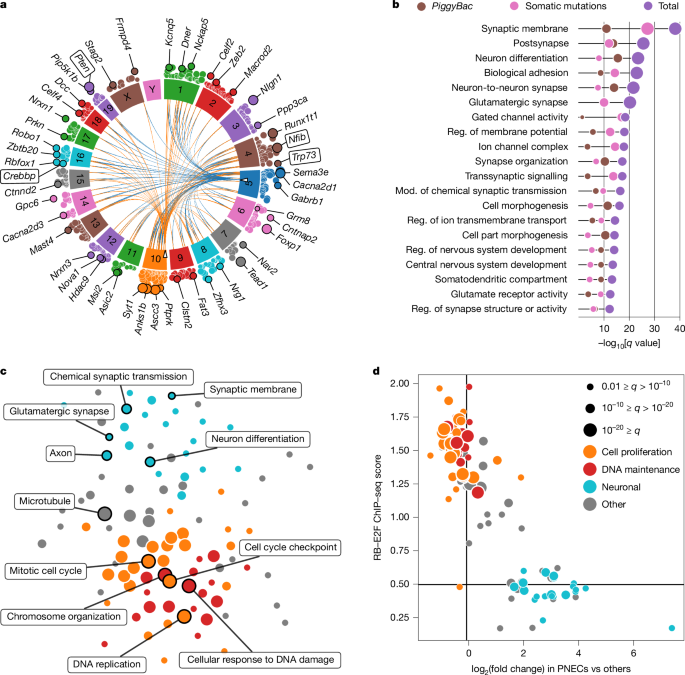
The study reveals that small cell lung cancer (SCLC) forms functional synapses with neurons, particularly glutamatergic ones, which promote tumor growth. These synaptic interactions are characterized by structural and functional evidence of bona fide synapses, including electrophysiological activity and ultrastructural features. Targeting glutamate signaling with drugs like riluzole and DCPG shows promise in reducing tumor growth and improving survival in preclinical models, highlighting a novel neuro-oncological mechanism and potential therapeutic avenue.