Tag

Skygazers

All articles tagged with #skygazers

astronomy1 year ago

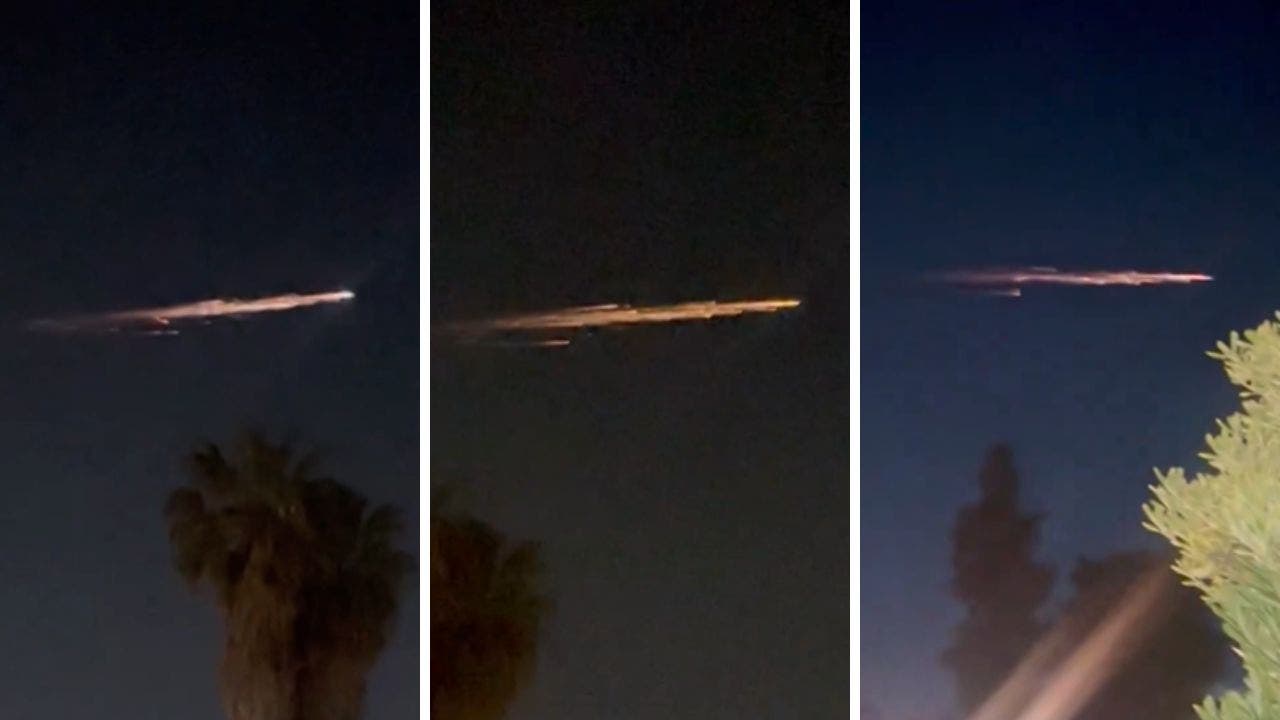
"Unexplained Fireball Phenomenon Lights Up California Sky"

Skygazers in California were surprised by a series of bright fiery lights streaking across the night sky, with speculation ranging from debris from a SpaceX Falcon 9 launch to the Chinese Shenzhou 15 Orbital Module rocket. The FAA reported no unusual aircraft activity, and astrophysicist Jonathan McDowell suggested the debris was from the Chinese orbital module. The SpaceX Falcon 9 hardware lands safely after launch, making it unlikely to be the source of the fireballs.
science2 years ago

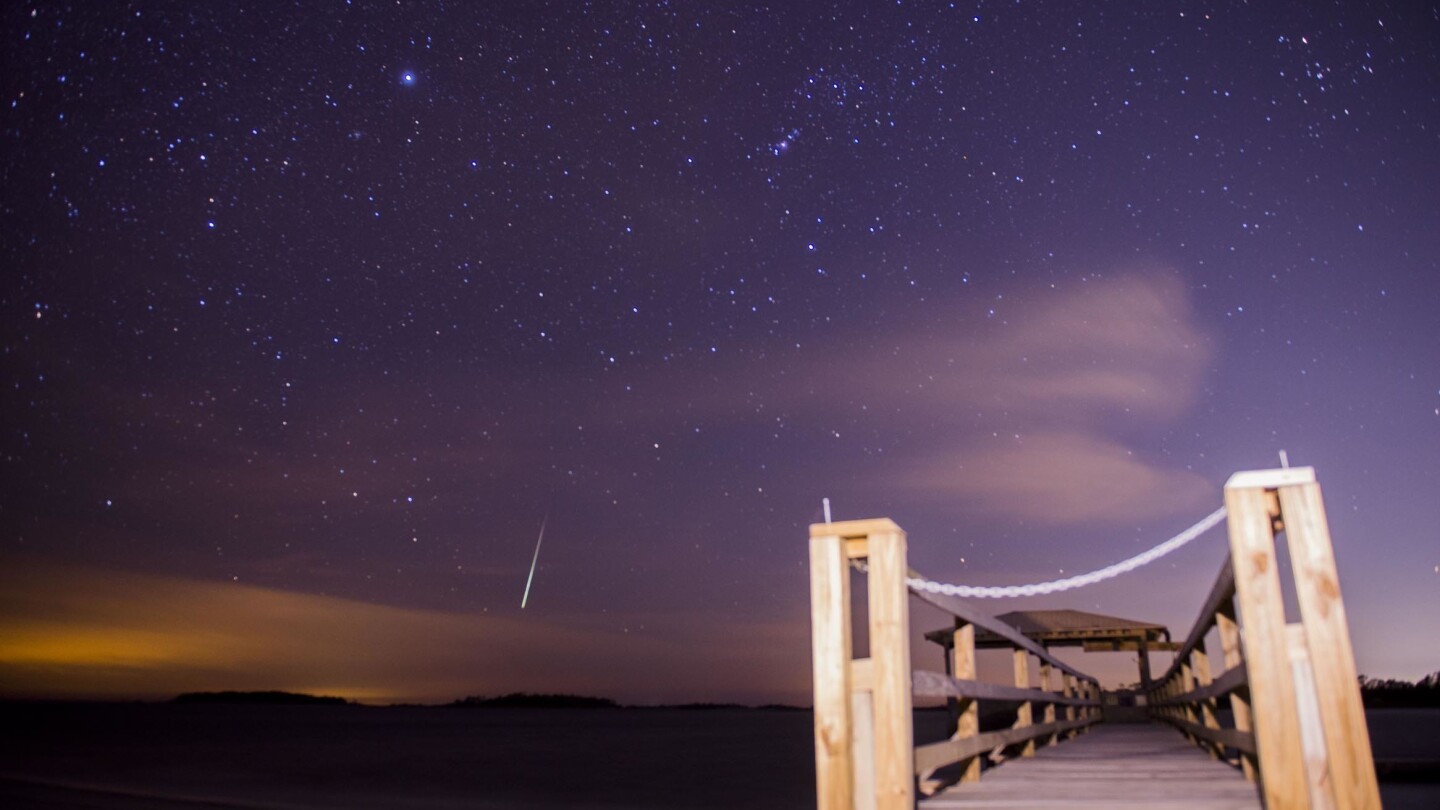
"Get Ready for the Spectacular Geminids Meteor Shower Tonight!"

The Geminids meteor shower, the year's best, will peak this week, offering skygazers the chance to see up to one or two meteors streaking across the sky every minute. The meteors will reach their peak on Thursday, but Wednesday night will also provide a cosmic spectacle. With a new moon this week, prime viewing conditions are expected worldwide, especially in areas with clear skies and minimal light pollution. NASA advises observers to look everywhere in the sky as meteors do not come from a specific direction. The Geminids, known for their greenish hue, originate from the sun-orbiting asteroid 3200 Phaethon, and when Earth passes through these fragments, they create a stunning display.

astronomy2 years ago

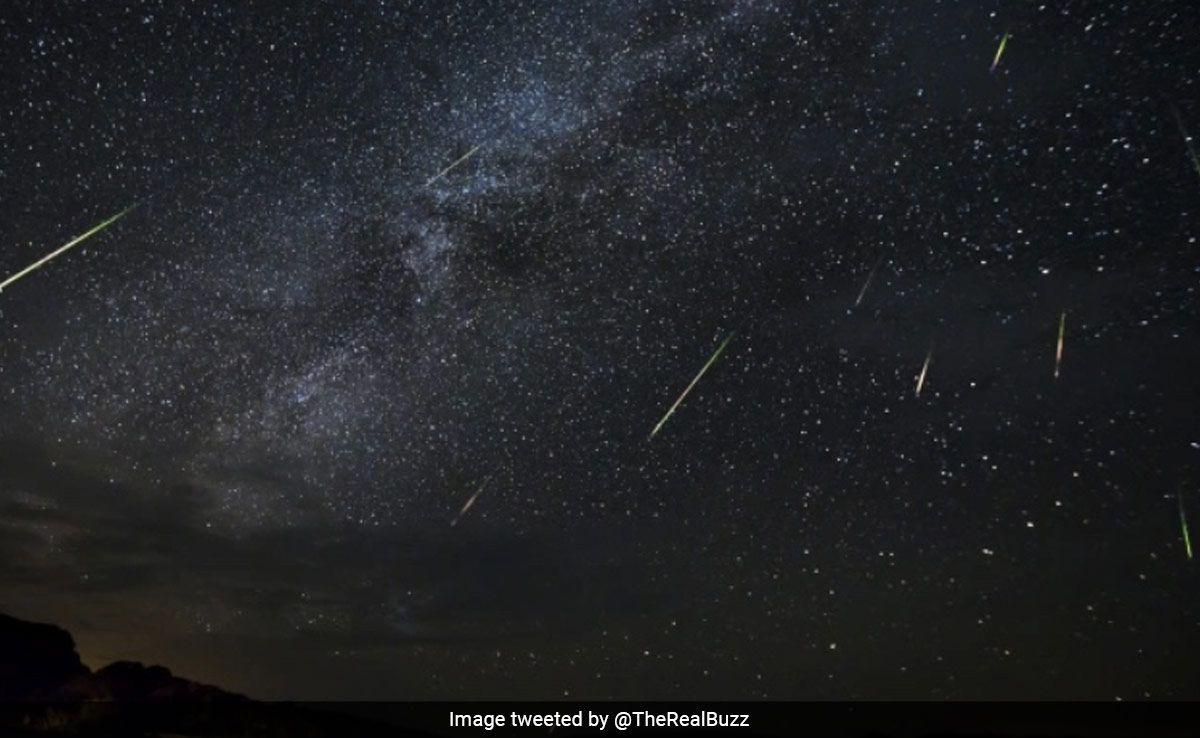
"Orionid Meteor Shower: Your Guide to Witnessing the Spectacular Celestial Event"

The Orionid meteor shower, an annual event caused by debris from Halley's Comet, will peak on October 20-21, providing a spectacular sight for skygazers. Visible in both the Northern and Southern Hemispheres, the meteors can be seen with the naked eye. To maximize viewing, find a dark location away from light pollution and let your eyes adjust to the dark for 30 minutes. The best time to spot the meteors is between midnight and sunrise on October 21.

science-and-environment2 years ago

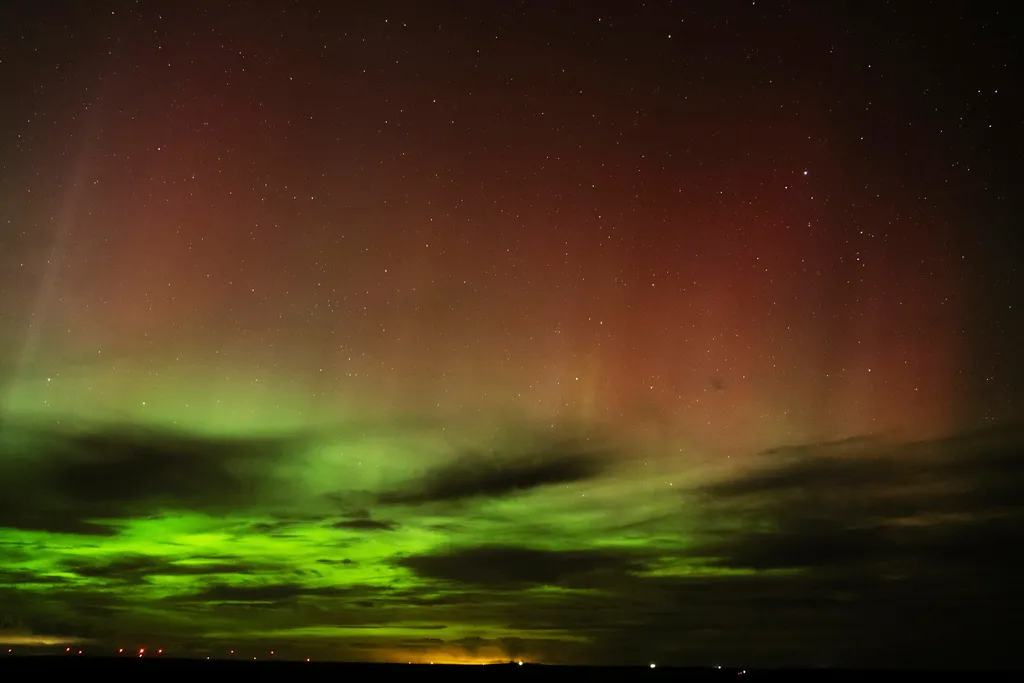
"Rare Solar Storm to Illuminate Northern Lights in Multiple US States"

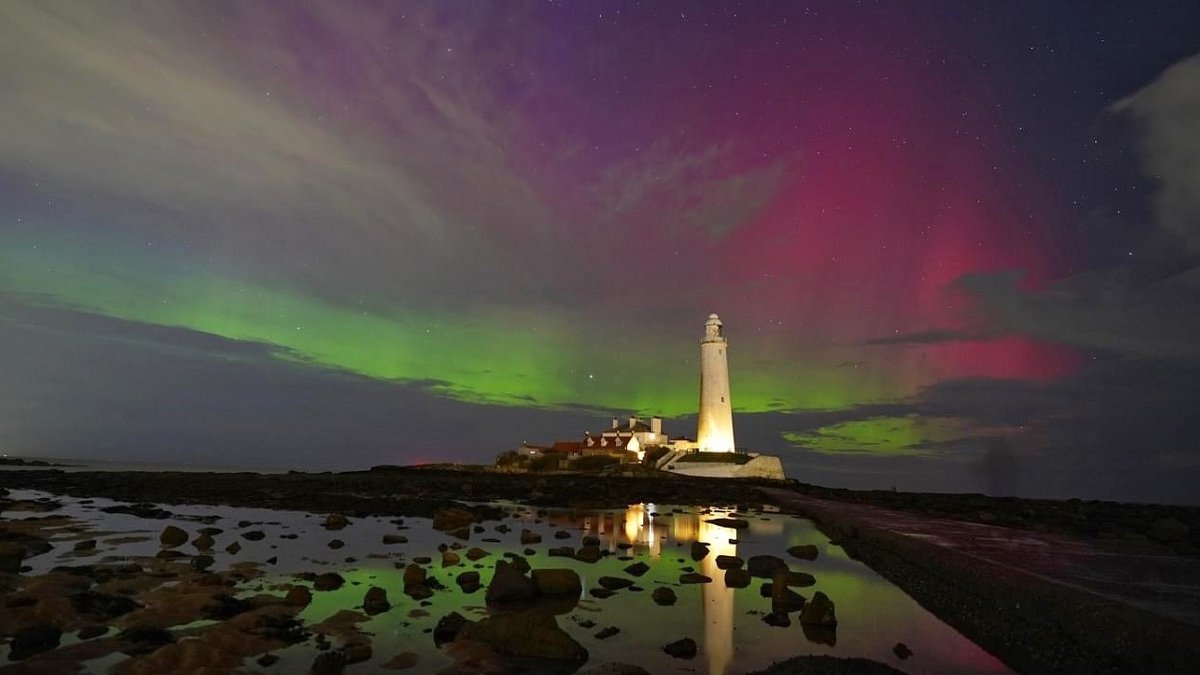
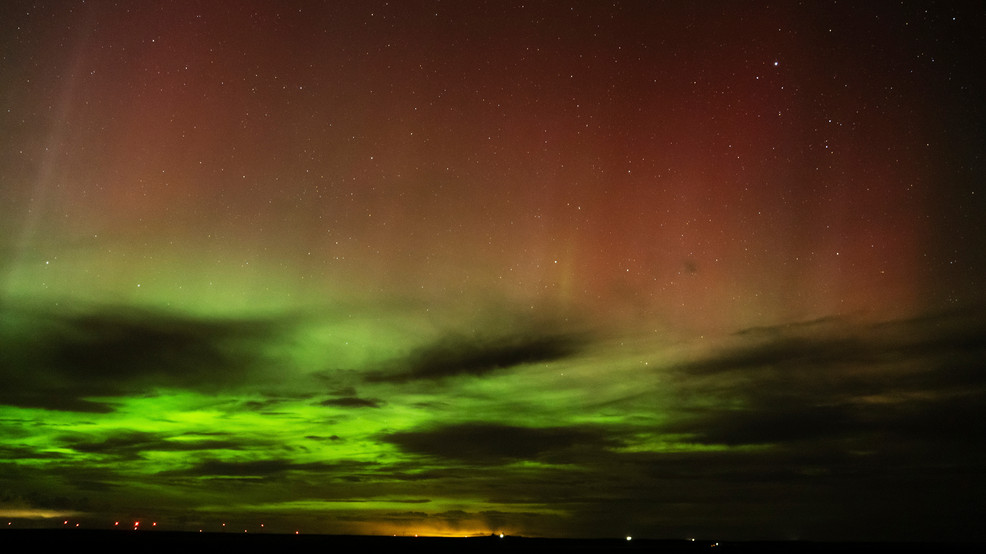
A solar storm expected on Thursday is predicted to make the Northern Lights visible in 17 American states, including Alaska, Oregon, Washington, Idaho, Montana, Wyoming, North Dakota, South Dakota, Minnesota, Wisconsin, Michigan, New York, New Hampshire, Vermont, Indiana, Maine, and Maryland. The Geophysical Institute at the University of Alaska at Fairbanks has forecast auroral activity, and the best viewing times are between 10 p.m. and 2 a.m. local time. The Northern Lights occur when a magnetic solar wind interacts with the Earth's magnetic field, causing atoms in the upper atmosphere to glow.

science-and-environment2 years ago

"Northern Lights to Illuminate 17 States This Week Amid Solar Storm"

A solar storm expected on Thursday is predicted to make the Northern Lights visible in 17 American states, including Alaska, Oregon, Washington, Idaho, Montana, Wyoming, North Dakota, South Dakota, Minnesota, Wisconsin, Michigan, New York, New Hampshire, Vermont, Indiana, Maine, and Maryland. The Geophysical Institute at the University of Alaska at Fairbanks has forecast auroral activity, and the best viewing times are between 10 p.m. and 2 a.m. local time. The Northern Lights occur when a magnetic solar wind interacts with the Earth's magnetic field, causing atoms in the upper atmosphere to glow.

science-and-environment2 years ago

"Northern Lights Spectacle: Solar Storm to Illuminate Skies Across Multiple US States"

A solar storm expected on Thursday will give skygazers in 17 American states, including Alaska, Oregon, Washington, and New York, a chance to witness the Northern Lights, also known as aurora borealis. The lights, usually seen in Alaska, Canada, and Scandinavia, have been visible in more southern locations due to an 11-year solar cycle that is expected to peak in 2024. The best viewing times are between 10 p.m. and 2 a.m. local time, away from city lights. The lights occur when a magnetic solar wind interacts with the Earth's magnetic field, causing atoms in the upper atmosphere to glow.

science-and-environment2 years ago

"Northern Lights Set to Illuminate 17 States Amid Solar Storm"

A solar storm forecast for Thursday is expected to make the Northern Lights visible in 17 American states, including Alaska, Oregon, Washington, Idaho, Montana, Wyoming, and more. The lights, also known as aurora borealis, are typically seen in Alaska, Canada, and Scandinavia, but the current 11-year solar cycle is making them visible in more southern locations. Skygazers are advised to get away from city lights and the best viewing times are between 10 p.m. and 2 a.m. local time. The lights occur when a magnetic solar wind interacts with the Earth's magnetic field, causing atoms in the upper atmosphere to glow.

science-and-environment2 years ago

Northern Lights to Illuminate Multiple US States, Including South Dakota

A solar storm forecasted for Thursday is expected to bring the Northern Lights, also known as aurora borealis, to 17 American states, including parts of Indiana and Wisconsin. This rare occurrence is due to an 11-year solar cycle that is peaking in 2024, making the lights visible in places farther south. The Geophysical Institute at the University of Alaska at Fairbanks has forecasted auroral activity in several states, including Alaska, Oregon, Washington, Idaho, Montana, Wyoming, North Dakota, South Dakota, Minnesota, Wisconsin, Michigan, New York, New Hampshire, Vermont, Indiana, Maine, and Maryland. Skygazers are advised to get away from city lights and the best viewing times are between 10 p.m. and 2 a.m. local time.

science-and-environment2 years ago

Solar Storm to Illuminate Northern Lights in Multiple US States

A solar storm forecasted for Thursday is expected to make the Northern Lights visible in 17 American states, including Alaska, Oregon, Washington, Idaho, Montana, Wyoming, North Dakota, South Dakota, Minnesota, Wisconsin, Michigan, New York, New Hampshire, Vermont, Indiana, Maine, and Maryland. The Geophysical Institute at the University of Alaska at Fairbanks has predicted auroral activity, and the best viewing times are between 10 p.m. and 2 a.m. local time. The Northern Lights occur when a magnetic solar wind interacts with the Earth's magnetic field, causing atoms in the upper atmosphere to glow.

science-and-environment2 years ago

"Upcoming Solar Storm to Illuminate Northern Lights in 17 US States"

A solar storm expected on Thursday will give skygazers in 17 American states, including Alaska, Oregon, Washington, and New York, a chance to witness the Northern Lights, also known as aurora borealis. This rare occurrence is a result of an 11-year solar cycle that is peaking in 2024, making the lights visible in places farther south. The best viewing times are between 10 p.m. and 2 a.m. local time, away from city lights. The lights occur when a magnetic solar wind interacts with the Earth's magnetic field, causing atoms in the upper atmosphere to glow.

science-and-environment2 years ago

Solar Storm to Illuminate Skies with Spectacular Auroras in Multiple US States

A solar storm expected on Thursday will give skygazers in 17 American states, including Alaska, Oregon, and New York, a chance to witness the Northern Lights, also known as aurora borealis. This rare occurrence is due to an 11-year solar cycle that is peaking in 2024, making the lights visible in places farther south. The best viewing times are between 10 p.m. and 2 a.m. local time, away from city lights. The Geophysical Institute has forecast a Kp 6 geomagnetic index for Thursday's storm.