Tag

Skin Microbiome

All articles tagged with #skin microbiome

Tiny Eyelash Bugs: Cause for Concern?

Originally Published 1 year ago — by Yahoo Life

Featured image for Tiny Eyelash Bugs: Cause for Concern?
Source: Yahoo Life

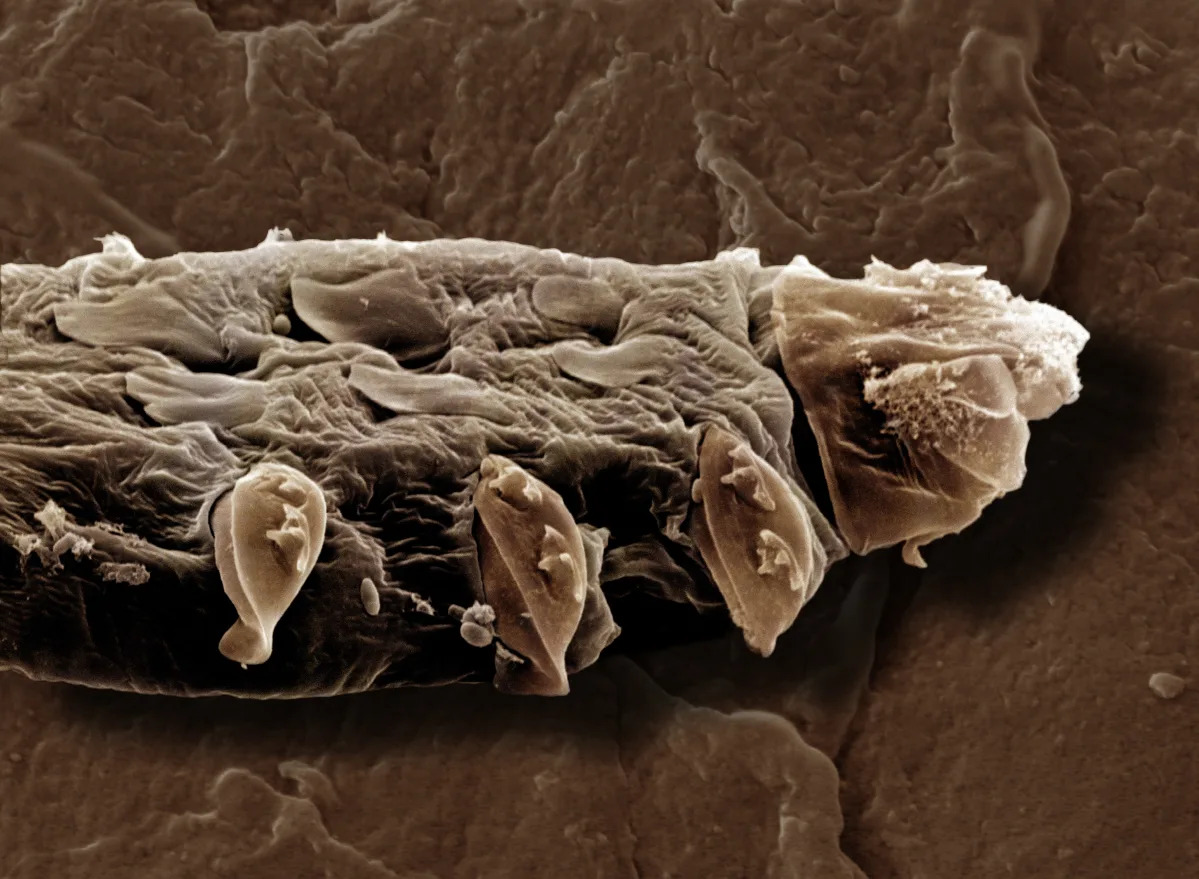
Demodex mites, tiny bugs living in our eyelashes and on our faces, are generally harmless and part of our normal skin microbiome. While they can cause symptoms like redness, inflammation, and vision issues if their population grows too large, these mites are usually kept in check by our immune systems. Treatments are available if problems arise, and maintaining good facial hygiene can help prevent overpopulations.

"Are Tiny Bugs Living in Your Eyelashes?"

Originally Published 1 year ago — by The Washington Post

Featured image for "Are Tiny Bugs Living in Your Eyelashes?"
Source: The Washington Post

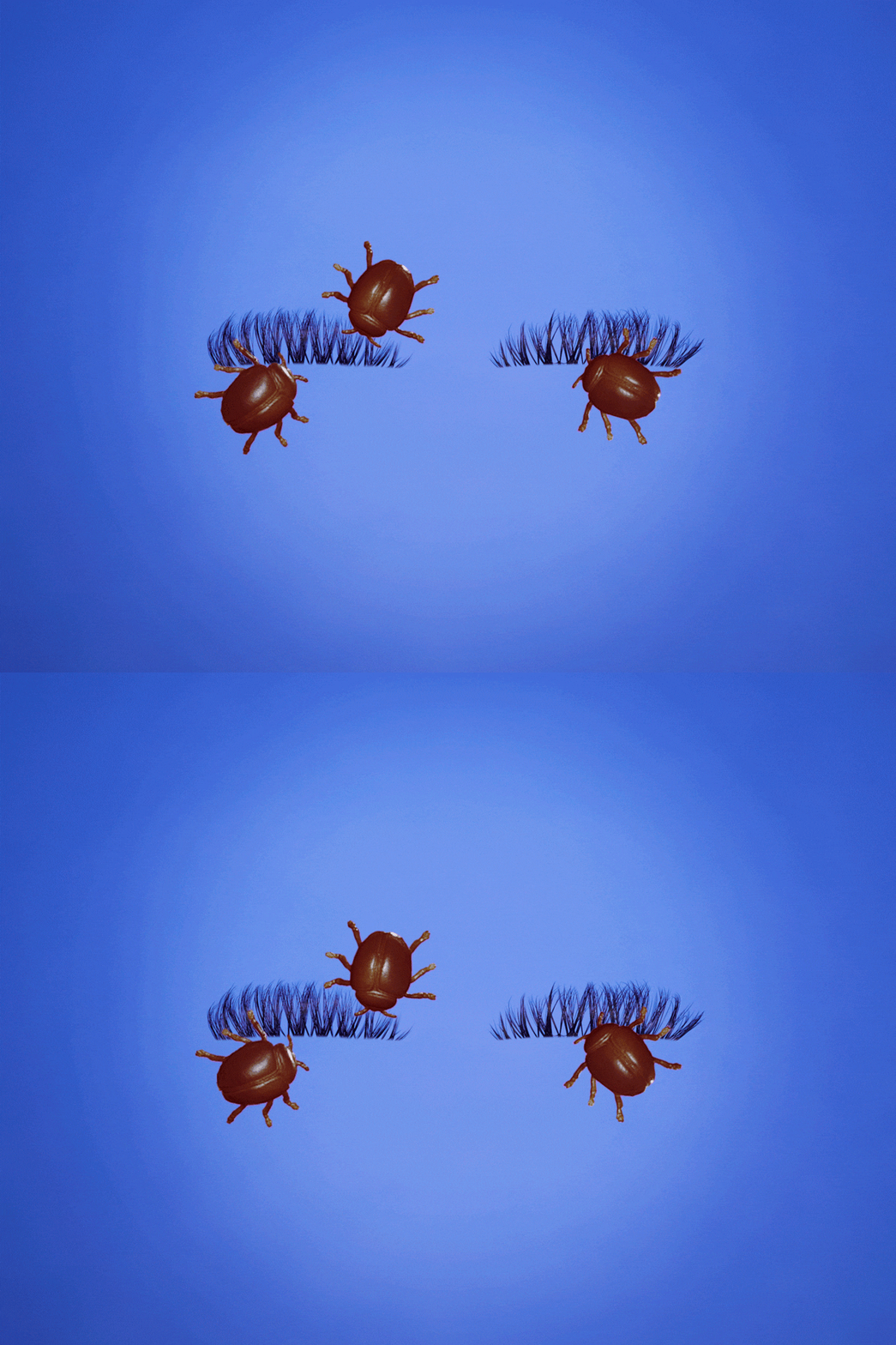
Demodex mites, tiny creatures living on our faces and eyelashes, are generally harmless and part of our normal skin microbiome. While they can cause symptoms like redness and inflammation if their population grows too large, simple treatments can manage these issues. Maintaining good skin hygiene and avoiding excessive sun exposure can help keep their numbers in check.

"Engineered Skin Microbes Deliver Acne Treatment Molecules in Mice"

Originally Published 2 years ago — by Nature.com

Featured image for "Engineered Skin Microbes Deliver Acne Treatment Molecules in Mice"
Source: Nature.com

Researchers have developed an engineered skin microbe that delivers a sebum modulator to mice, potentially offering a new approach to treating skin conditions. This study adds to the growing body of research on engineered bacteria for medical applications, including skin health and cancer immunotherapy. The skin microbiome and its interaction with skin conditions like acne are areas of active research, with potential implications for developing new treatments.

The Impact of Ear Piercing on Your Skin Microbiome

Originally Published 2 years ago — by ScienceAlert

Featured image for The Impact of Ear Piercing on Your Skin Microbiome
Source: ScienceAlert

A study conducted by researchers from McGill University in Canada examined the impact of ear piercings on the skin microbiome. The study found that getting a piercing creates a significant shift in the microbiome, leading to greater biodiversity and ecological complexity. The areas around piercings began to resemble other moist patches of skin, such as the armpit or nose. The presence of certain bacteria, like Staphylococcus epidermidis and Cutibacterium acnes, was observed, but they tended to keep each other in balance. This research sheds light on the consequences of piercings on the skin's smallest lifeforms and could contribute to a better understanding of maintaining a healthy skin microbiome.

Uncovering the Hidden Microbial World on Our Skin

Originally Published 2 years ago — by Phys.org

Featured image for Uncovering the Hidden Microbial World on Our Skin
Source: Phys.org

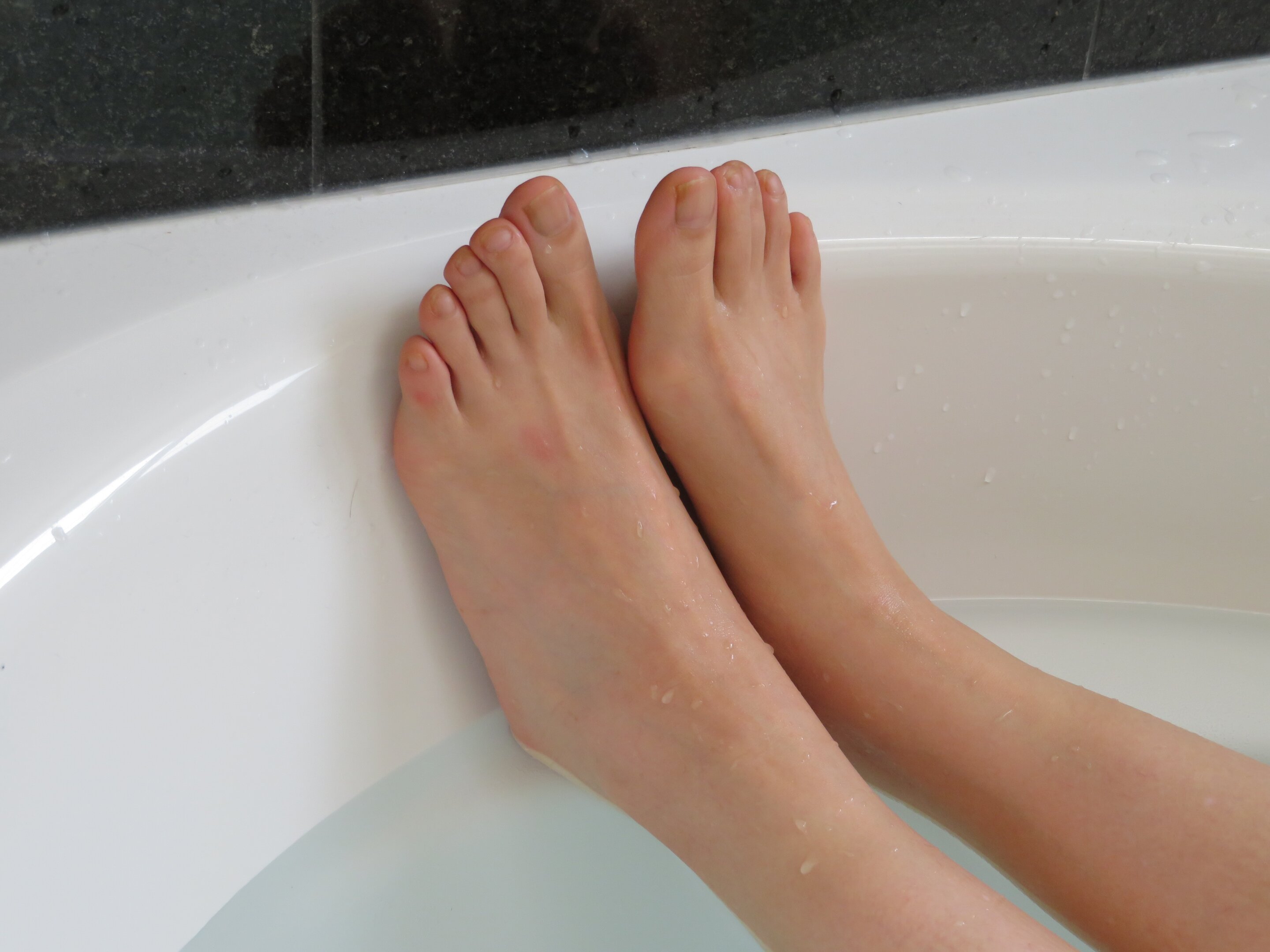
A study by researchers at the George Washington University has found that the composition of the skin microbiome varies across dry, moist, and oily regions of the skin. The study, which tested the "Grandmother Hypothesis," showed that areas like behind the ears and between the toes, which are often washed less frequently, can harbor different types of bacteria compared to areas that are cleaned more thoroughly. The researchers found that these hotspots had a less diverse collection of microbes, potentially leading to skin diseases like eczema or acne. The study highlights the importance of proper hygiene in maintaining a healthy skin microbiome.

The Surprising Benefits of Acne-Causing Bacteria for Skin Health

Originally Published 2 years ago — by ScienceAlert

Featured image for The Surprising Benefits of Acne-Causing Bacteria for Skin Health
Source: ScienceAlert

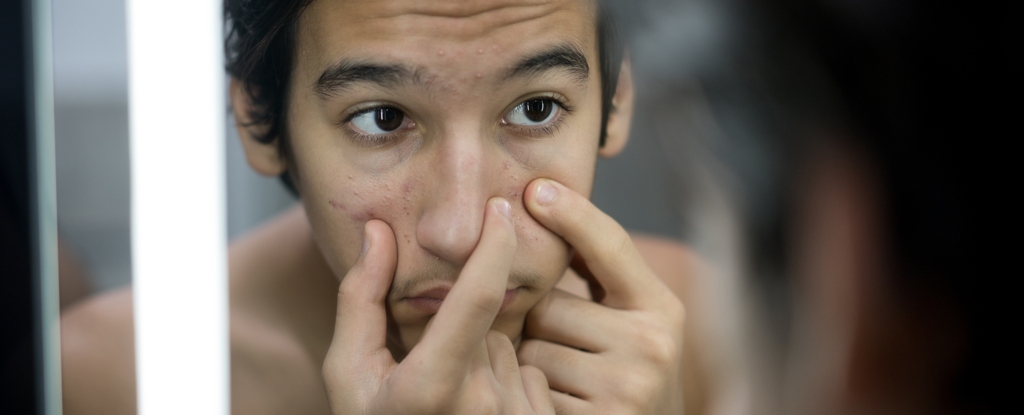
Contrary to popular belief, acne-causing bacteria, specifically Cutibacterium acnes (C. acnes), may actually be vital for maintaining healthy skin. Researchers at the University of California, San Diego found that C. acnes triggers skin cells to increase production of lipids, such as ceramides and triglycerides, which are essential for maintaining the skin barrier and protecting against damage. The bacteria achieve this by producing propionic acid, which not only limits pathogen growth and reduces inflammation but also helps maintain a balanced skin microbiome. These findings shed light on the important role of C. acnes in shaping the composition of skin lipids and may lead to new treatments for skin conditions.

Unveiling the Link Between Acne Bacteria and Essential Skin Lipids

Originally Published 2 years ago — by The Conversation

Featured image for Unveiling the Link Between Acne Bacteria and Essential Skin Lipids
Source: The Conversation

New research conducted by the Gallo Lab at the University of California, San Diego, in collaboration with SILAB, has found that the common skin bacterium Cutibacterium acnes (C. acnes) triggers certain skin cells to significantly increase production of lipids that are essential for maintaining the skin barrier. The study revealed that C. acnes induces an increase in lipid production by producing propionic acid, which not only limits pathogen growth and reduces staph infections but also contributes to anti-inflammatory effects in the gut. The lipids produced after exposure to C. acnes or propionic acid have antimicrobial effects against C. acnes, suggesting a dual role in controlling its presence on the skin and maintaining the balance of the skin microbiome. This research highlights the important role of C. acnes in shaping the composition of skin lipids and may lead to new treatments for skin conditions.

The Impact of Vacation Sun Exposure on Your Skin Microbiome

Originally Published 2 years ago — by Medical News Today

Featured image for The Impact of Vacation Sun Exposure on Your Skin Microbiome
Source: Medical News Today

Researchers have found that sun-seeking behavior during vacations can lead to short-term changes in the skin microbiome, potentially increasing the risk of conditions such as eczema. The study, which analyzed the skin samples of 21 participants before and after their vacations, revealed that sun exposure affected the diversity and composition of skin bacteria, but these changes reversed after 28 days. While further research is needed to understand the long-term implications, it is important to limit sun exposure and take precautions to protect the skin during vacations.