
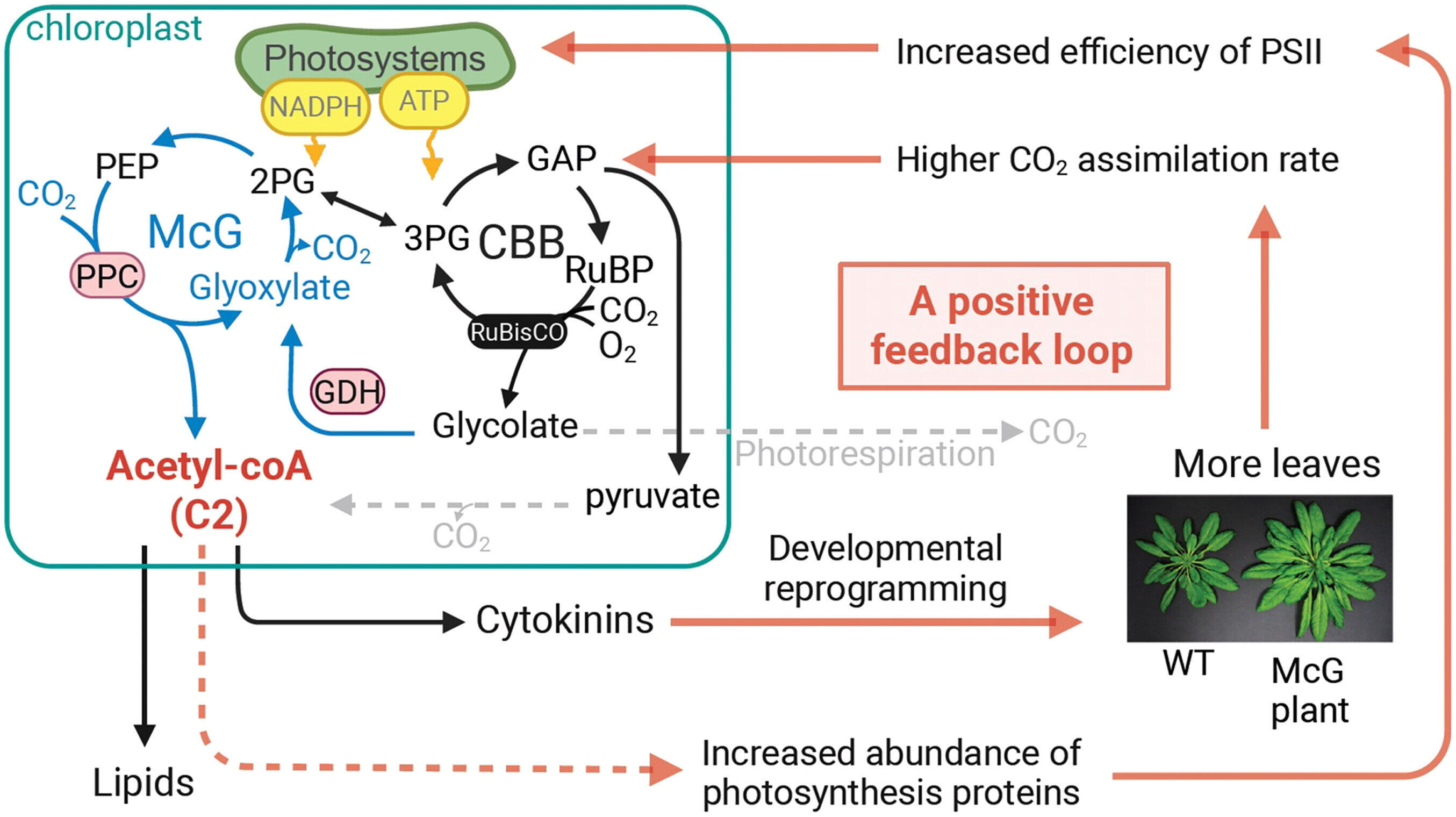
Scientists have engineered Arabidopsis plants with a new dual-cycle CO2 fixation system called the McG cycle, which doubles carbon assimilation rates, leading to larger plants with significantly increased seed and lipid production, potentially benefiting crop yields and climate change mitigation, though long-term effects remain uncertain.

Contrary to popular belief, acne-causing bacteria, specifically Cutibacterium acnes (C. acnes), may actually be vital for maintaining healthy skin. Researchers at the University of California, San Diego found that C. acnes triggers skin cells to increase production of lipids, such as ceramides and triglycerides, which are essential for maintaining the skin barrier and protecting against damage. The bacteria achieve this by producing propionic acid, which not only limits pathogen growth and reduces inflammation but also helps maintain a balanced skin microbiome. These findings shed light on the important role of C. acnes in shaping the composition of skin lipids and may lead to new treatments for skin conditions.