Tag

Skeletal Remains

All articles tagged with #skeletal remains

Pennsylvania man accused of grave robbery with over 100 skeletons stolen

Originally Published 2 days ago — by 6abc Philadelphia

Featured image for Pennsylvania man accused of grave robbery with over 100 skeletons stolen
Source: 6abc Philadelphia

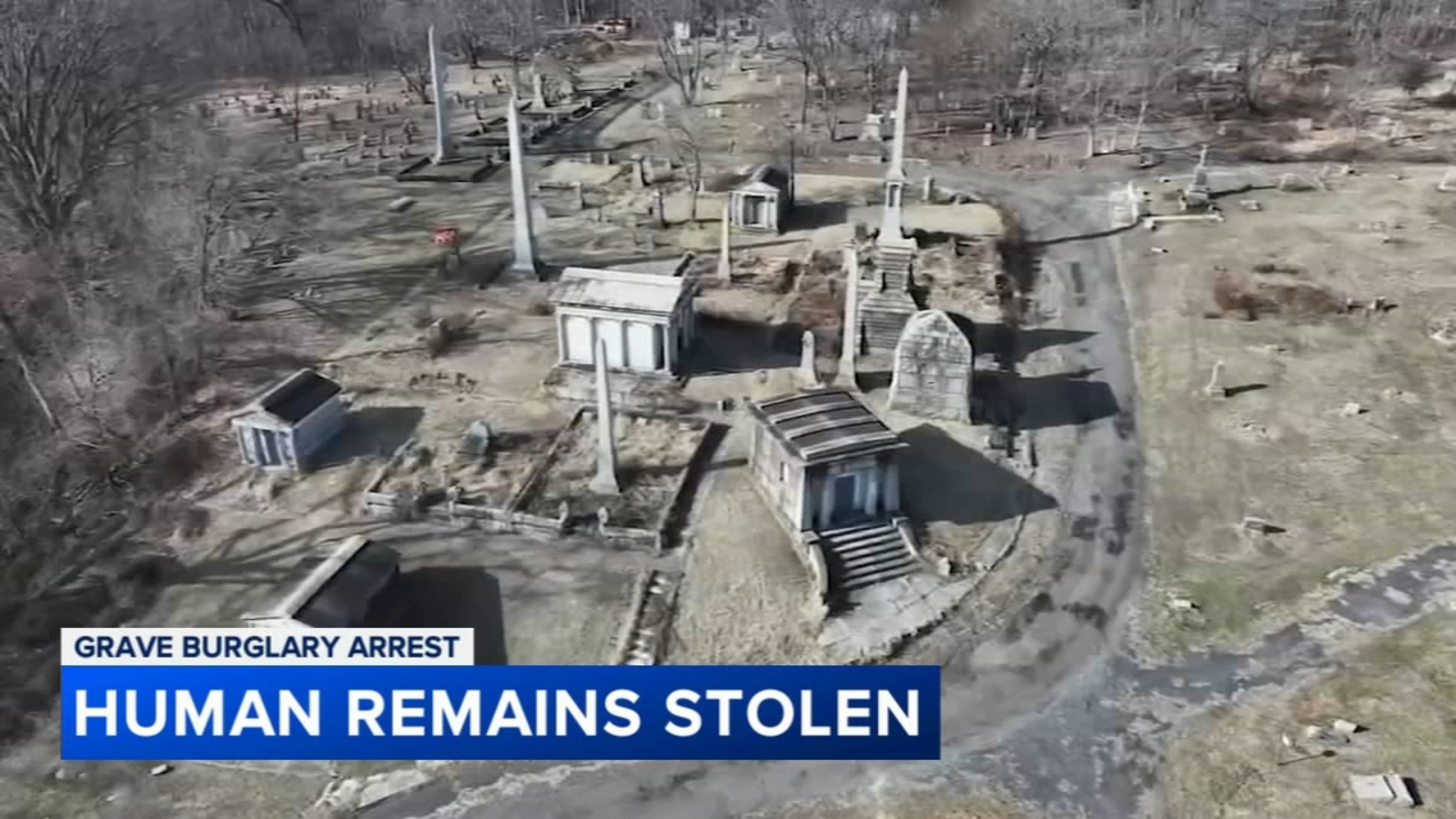
Authorities are investigating a series of grave robberies at Mt. Moriah Cemetery in Pennsylvania, where skeletal remains were found in a man's basement, with suspects allegedly attempting to sell the bones. The case involves multiple mausoleums, stolen remains, and a man named Jonathan Gerlach, who was arrested during the investigation. Families of the victims are upset and speaking out about the thefts.
"Boy's Rock Collection Yields Jawbone of US Marine Lost in 1951 Training Accident"

Originally Published 1 year ago — by Fox News

Featured image for "Boy's Rock Collection Yields Jawbone of US Marine Lost in 1951 Training Accident"
Source: Fox News

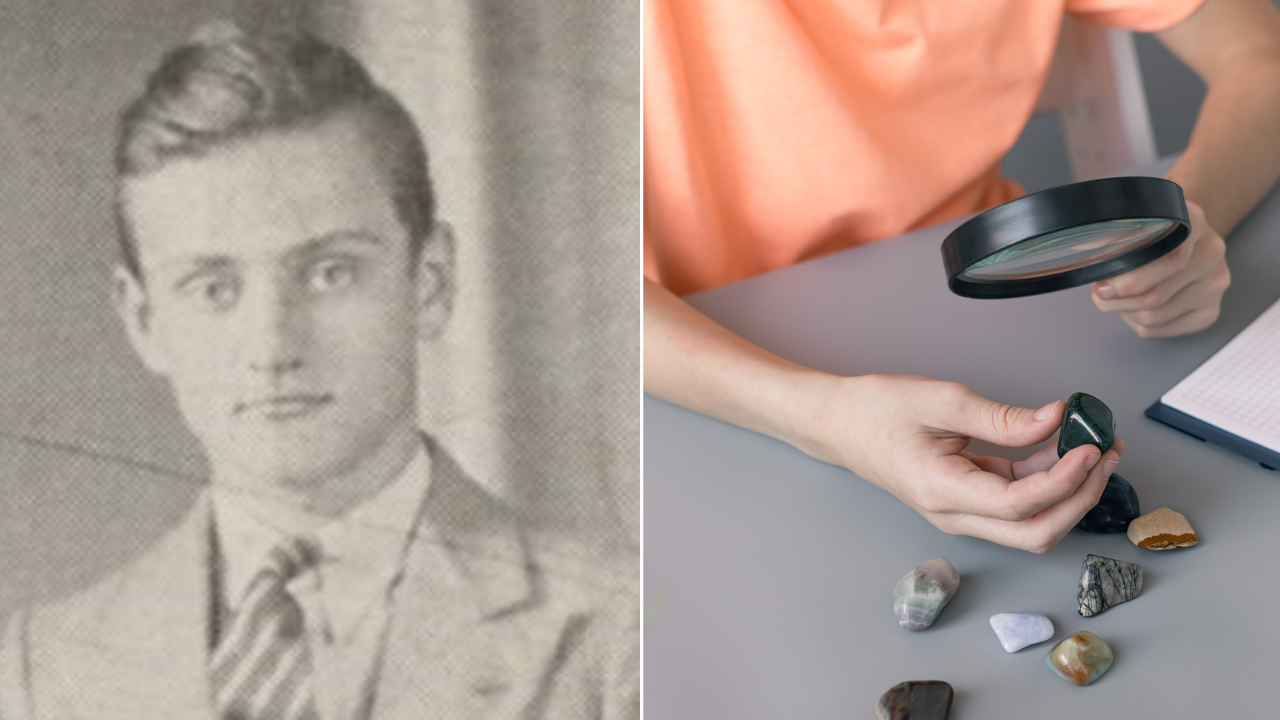
Researchers at Ramapo College in New Jersey used DNA analysis to positively identify the skeletal remains of Marine Corps Captain Everett Leland Yager, which were found in a child's rock collection in Arizona. Yager had died in a military training exercise in California in 1951, and his remains were thought to have been buried in Missouri. The unexpected discovery led to the repatriation of his remains to his family, and researchers theorized that a scavenger may have transported the jawbone from California to Arizona.

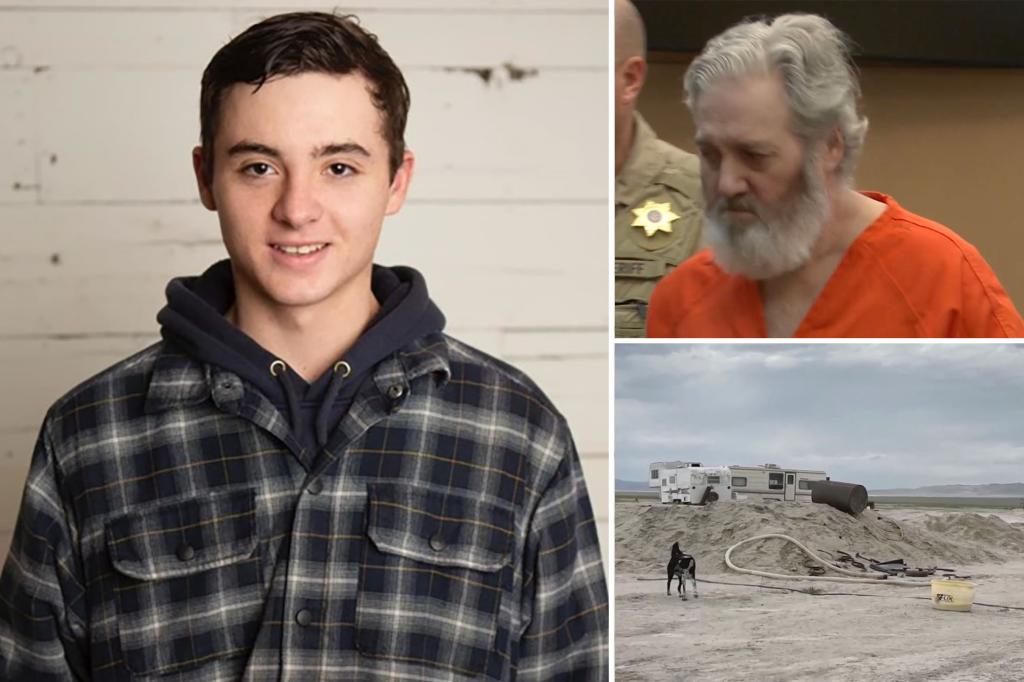
Accused Killer Leads Authorities to Remains of Missing Teen Dylan Rounds

Originally Published 1 year ago — by New York Post

Featured image for Accused Killer Leads Authorities to Remains of Missing Teen Dylan Rounds
Source: New York Post

Skeletal remains believed to be those of 19-year-old Dylan Rounds, who went missing in 2022, were found in a remote area in Utah. James Brenner, a neighbor and squatter, led investigators to the burial site as part of a plea deal. Brenner, who had been in jail since 2022 for firearms violations, was charged with Rounds' murder in 2023. The investigation revealed DNA evidence linking Brenner to the crime, and he made false statements during interviews. The Box Elder County Sheriff's Office expressed condolences to Rounds' family and hoped they could find peace.

"Decades-Old Cold Case Solved: Fishermen Discover Car and Human Remains in Illinois River"

Originally Published 1 year ago — by NBC News

Featured image for "Decades-Old Cold Case Solved: Fishermen Discover Car and Human Remains in Illinois River"
Source: NBC News

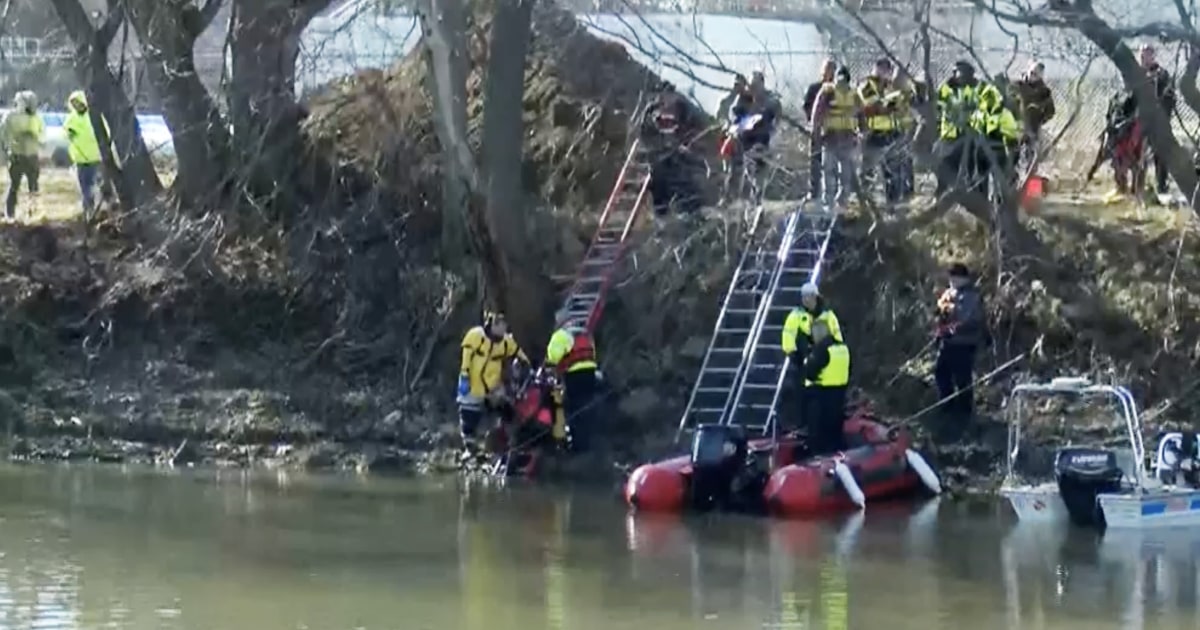
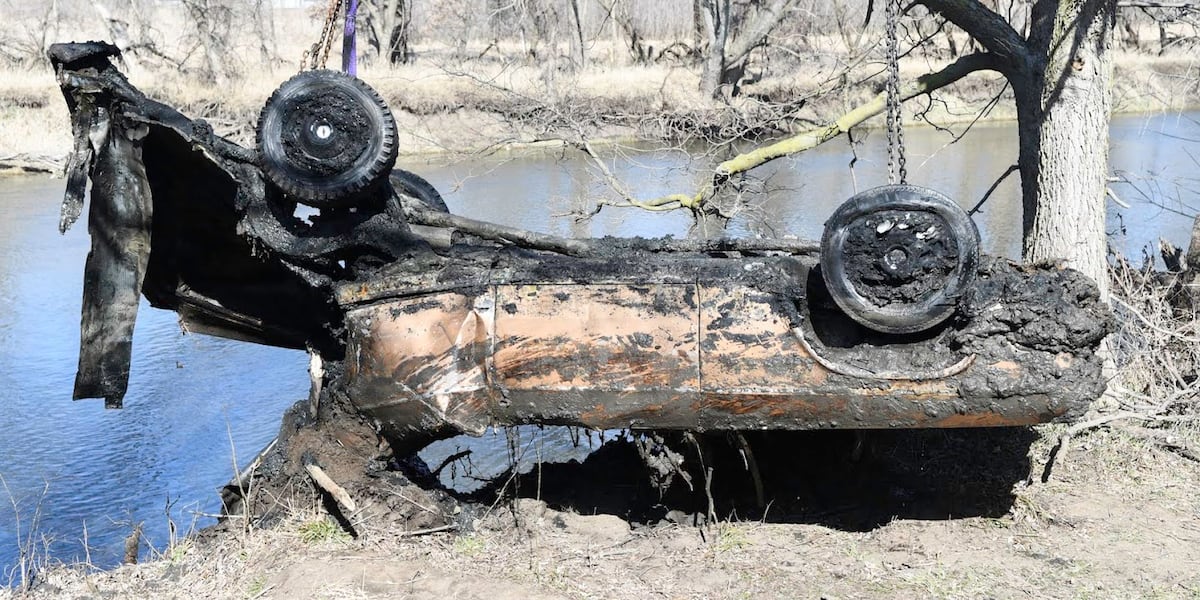
Fishermen using sonar equipment found a gold 1966 Chevrolet Impala at the bottom of the Illinois Pecatonica River, connected to the 1976 disappearance of two men. Human skeletal remains and personal items were also discovered, with over 100 skeletal remains recovered so far. The Winnebago County coroner stated that they are in the early stages of identifying the remains and determining if foul play was involved.

"1966 Chevrolet Impala Linked to Decades-Old Cold Case Disappearance Found in Illinois River"

Originally Published 1 year ago — by WIFR

Featured image for "1966 Chevrolet Impala Linked to Decades-Old Cold Case Disappearance Found in Illinois River"
Source: WIFR

A 1966 Chevrolet Impala was recovered from the Pecatonica River, believed to be linked to the 1976 disappearance of two Freeport-area men. Skeletal remains were found at the site and along the river bank, prompting a forensic investigation to identify the individuals. The Winnebago County Sheriff's Office urges anyone with information to come forward, as they work to unravel the mystery surrounding the car and the missing persons case.

Decades-old cold case cracked: Human remains found near car pulled from Illinois river

Originally Published 1 year ago — by WGN TV Chicago

Featured image for Decades-old cold case cracked: Human remains found near car pulled from Illinois river
Source: WGN TV Chicago

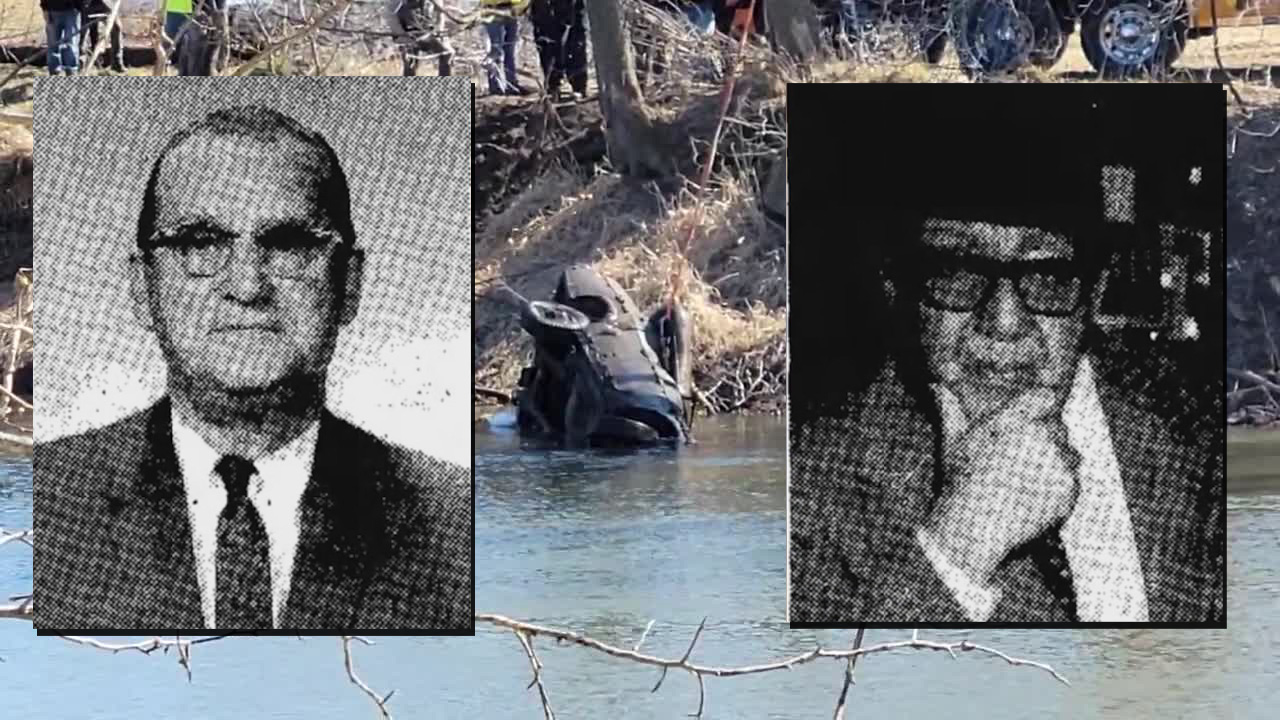
Skeletal human remains have been found in the missing persons case of Everett Hawley and Clarence Owens, who disappeared in 1976. A car linked to the two men was pulled from the Pecatonica River, and over 100 skeletal remains were found at the scene. Divers will continue to search for additional remains, and authorities are asking for public assistance in the investigation. No foul play is suspected at this point, and it will take time to determine if the remains belong to the missing men.

"Uncovering Ancient Cases of Down Syndrome Through DNA Analysis"

Originally Published 1 year ago — by Nature.com

Featured image for "Uncovering Ancient Cases of Down Syndrome Through DNA Analysis"
Source: Nature.com

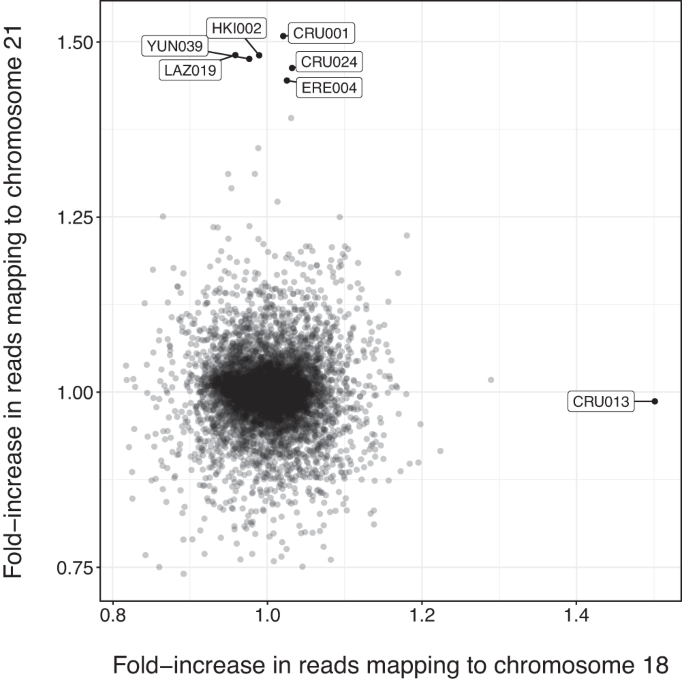
Researchers have identified cases of trisomy 21 (Down syndrome) and trisomy 18 (Edwards syndrome) in ancient and prehistoric individuals through genetic analysis of 9,855 human genomes. The study reveals six cases of Down syndrome and one case of Edwards syndrome, with evidence of skeletal abnormalities consistent with these genetic disorders. The findings suggest that these individuals were cared for and buried with respect, indicating compassionate community attitudes towards those with genetic disorders in the past. The study highlights the potential of integrating genetic, anthropological, and archaeological data to gain insights into the prevalence and societal perceptions of genetic disorders in ancient populations.

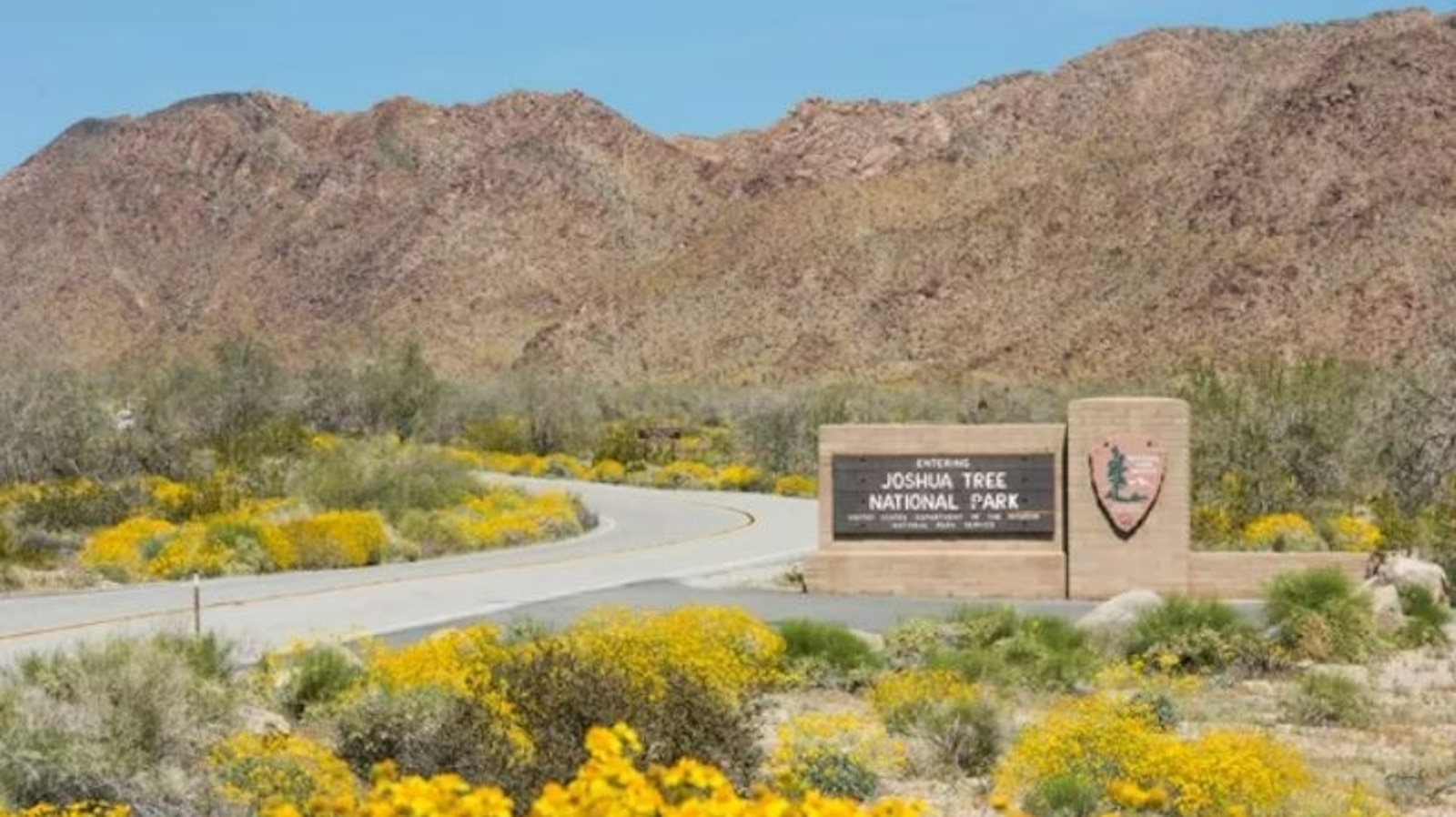
"Discovery of Human Remains in Joshua Tree National Park Raises Questions"

Originally Published 1 year ago — by ABC News

Featured image for "Discovery of Human Remains in Joshua Tree National Park Raises Questions"
Source: ABC News

Human skeletal remains were found just off a trail in Joshua Tree National Park, prompting an investigation by the Riverside County Sheriff’s Office. The identity and cause of death of the deceased are currently unknown, and authorities are seeking additional information from the public.

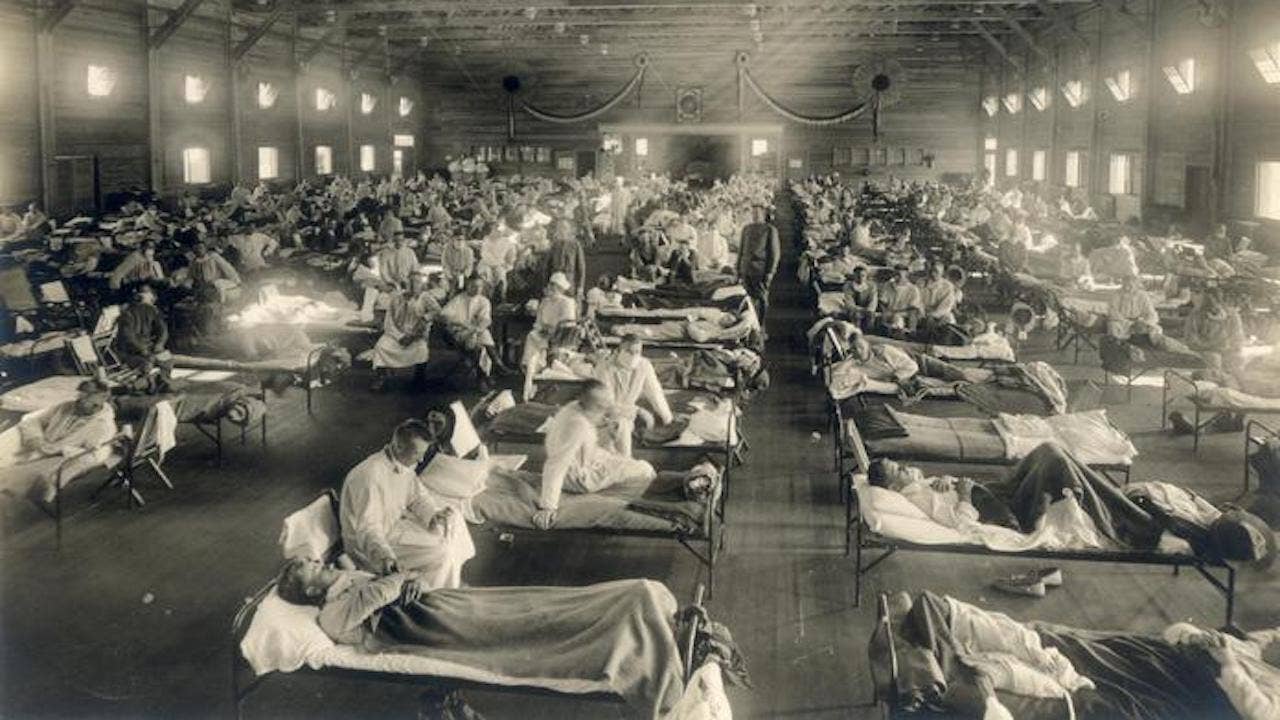
Unearthing Insights: 1918 Flu Pandemic Skeletons Shed Light on Mortality Factors

Originally Published 2 years ago — by Fox News

Featured image for Unearthing Insights: 1918 Flu Pandemic Skeletons Shed Light on Mortality Factors
Source: Fox News

A study published in the journal Proceedings of the National Academy of Sciences has examined the skeletal remains of individuals who died during the 1918 flu pandemic, challenging the assumption that the virus primarily affected young, healthy adults. Researchers from McMaster University and the University of Colorado Boulder found that frail or unhealthy individuals were more vulnerable to the virus. The study analyzed the bones for lesions indicating stress or inflammation, which could have been caused by physical trauma, infection, or malnutrition. The findings highlight the impact of cultural, social, and biological circumstances on the likelihood of death during pandemics. However, the study's limitations include a lack of information on infected individuals who survived and the limited scope of the sample from Cleveland, Ohio.

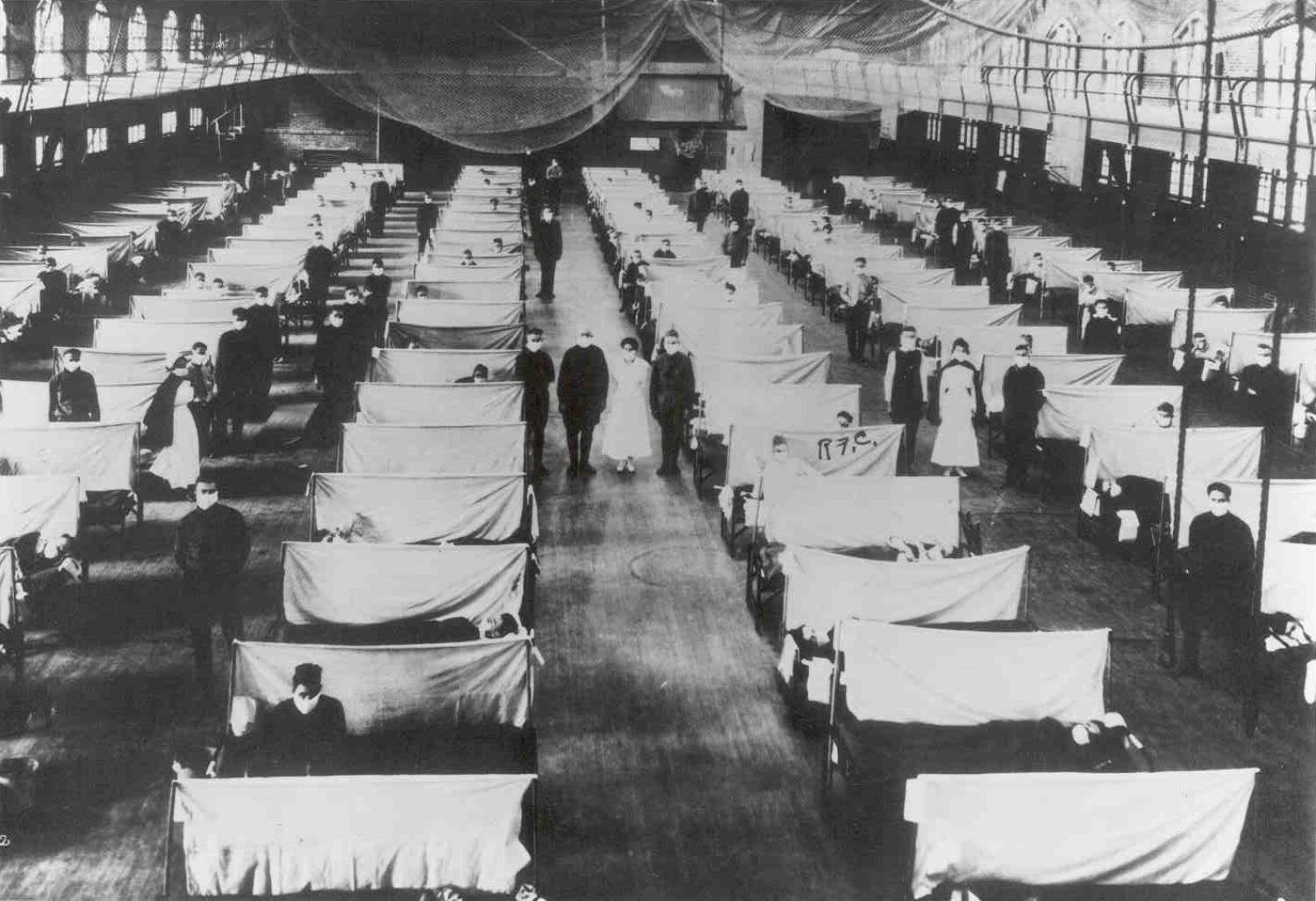
Unveiling the Truth: The Real Victims of the 1918 Flu Pandemic

Originally Published 2 years ago — by Technology Networks

Featured image for Unveiling the Truth: The Real Victims of the 1918 Flu Pandemic
Source: Technology Networks

Researchers from McMaster University and the University of Colorado Boulder analyzed skeletal remains from the 1918 influenza pandemic to understand the death toll. Contrary to previous assumptions, the study found that frail or unhealthy individuals were more likely to die during the pandemic than young and healthy individuals. The research team examined lesions on shinbones to determine underlying conditions and concluded that those with active lesions were the most frail. The study challenges the narrative that the pandemic disproportionately affected healthy young people and highlights the complex factors that influenced mortality during that time.

Unveiling the Truth: Skeletal Remains Challenge Beliefs About the 1918 Flu Pandemic

Originally Published 2 years ago — by Phys.org

Featured image for Unveiling the Truth: Skeletal Remains Challenge Beliefs About the 1918 Flu Pandemic
Source: Phys.org

New research published in the journal PNAS challenges the long-held belief that the 1918 flu pandemic disproportionately affected healthy young adults. By examining skeletal remains, researchers found that individuals who were exposed to environmental, social, or nutritional stressors prior to the pandemic were more likely to succumb to the virus. The study highlights the importance of considering a broader range of historical perspectives and experiences, as well as the need to address socioeconomic factors and health disparities in pandemic preparedness.

Decades-old missing persons case solved with new DNA technology

Originally Published 2 years ago — by CBS News

Featured image for Decades-old missing persons case solved with new DNA technology
Source: CBS News

The remains of a 78-year-old man who went missing in 1991 have been identified in New Hampshire after DNA testing. Benjamin Adams left his home to go for a walk and never returned. Skeletal remains discovered by a hunter in 1996 were suspected to be his, but a positive identification couldn't be made at the time. Recent DNA testing confirmed the remains belonged to Adams with a probability of relatedness of at least 99.999998%. The case highlights the state's commitment to investigating unidentified and missing persons cases.

"Archaeological Study Reveals Ancient Humans Utilized Ancestors' Remains as Tools"

Originally Published 2 years ago — by CNN

Featured image for "Archaeological Study Reveals Ancient Humans Utilized Ancestors' Remains as Tools"
Source: CNN

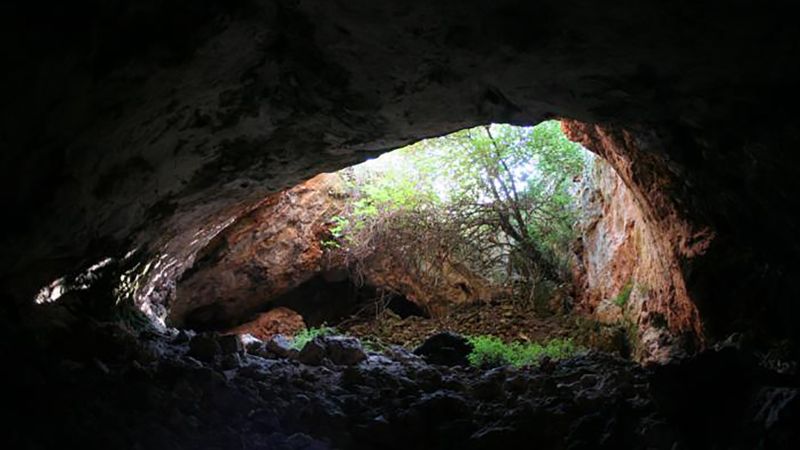
Researchers have discovered evidence that ancient humans in southern Spain dug up and modified the skeletal remains of their ancestors, using them as tools. The remains, found at the Cueva de los Marmoles, showed intentional post-mortem modifications, including fractures and scrapes for extracting marrow and other tissues. One shinbone was modified into a tool, while a skull had been scraped, possibly for dietary or practical use. These findings suggest complex funerary behaviors and a cultural focal point for generations in the region. The practice of modifying human remains became common around 4,000 BC in the southern Iberian peninsula, but the reasons behind it remain unclear.

Unreported Missing Woman's Skeletal Remains Identified After 16 Years

Originally Published 2 years ago — by FOX 13 Tampa

Featured image for Unreported Missing Woman's Skeletal Remains Identified After 16 Years
Source: FOX 13 Tampa

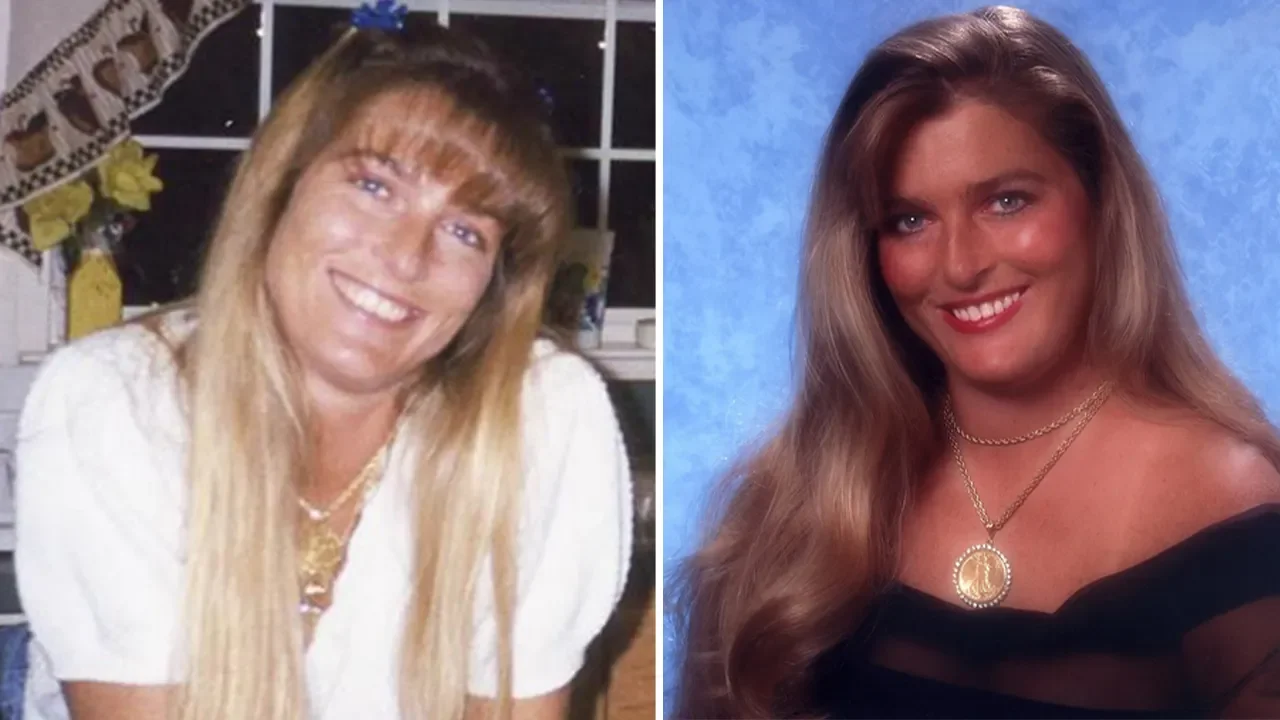
Skeletal remains found in Sarasota in 2007 have been identified as Jeana Burrus, a woman who was never reported missing. The investigation into her death went cold until advancements in DNA testing and genetic genealogy helped identify the remains. Jeana Burrus lived in Sarasota with her husband and son, and authorities are now seeking information on her and her husband, James Burrus. The couple had lived in Citrus County and Frederick, Maryland before moving to Sarasota. Anyone with information is urged to contact the Sarasota County Sheriff's Office.

Police Identify Skeletal Remains of Missing Texas Man Found at UC Berkeley as Homicide Victim

Originally Published 2 years ago — by Berkeleyside

Featured image for Police Identify Skeletal Remains of Missing Texas Man Found at UC Berkeley as Homicide Victim
Source: Berkeleyside

Skeletal remains found at UC Berkeley's Clark Kerr Campus have been identified as those of Steven Lawrence McCreary, a Texas man who was last seen alive in 2009. The condition of the bones indicates that McCreary's death was a homicide that occurred many years ago. University police are asking anyone with information about his killing to come forward as they continue their investigation. McCreary, who was known to travel around the country, did not have a known residence in the San Francisco Bay Area and was not affiliated with the university. The building where the remains were found had been unoccupied since 1979 and is currently used for storage.