
Tag

Myth Debunked

All articles tagged with #myth debunked

health2 years ago

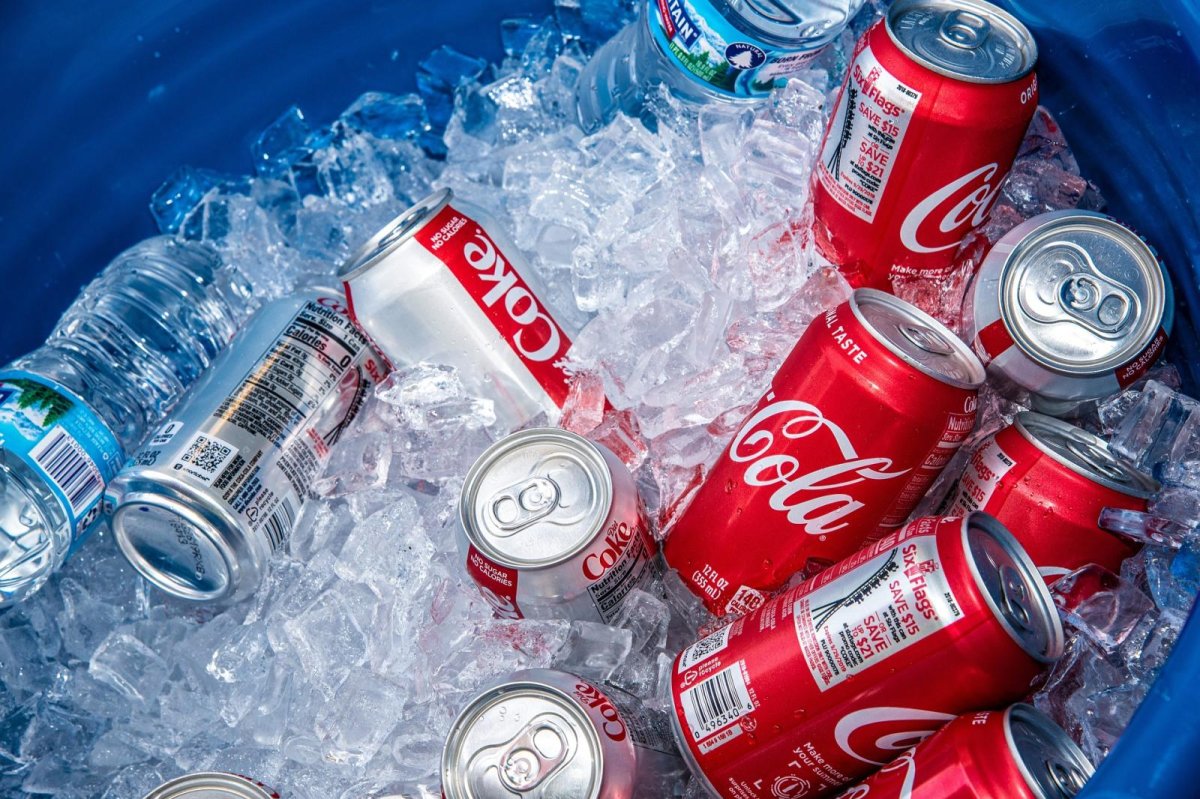
The Myth of Using Cola to Dislodge Food Stuck in Your Throat

New research published in the BMJ journal debunks the myth that cola can help clear a blocked esophagus. The study found that giving cola to patients with food stuck in their esophagus did not improve the condition. Instead, experts recommend drinking a few sips of water and seeking medical attention if the problem persists. Food impaction in the esophagus can be a serious issue, especially during the holiday season when dense foods like meats are commonly consumed.
health2 years ago

"Debunking the TikTok Myth: Sports Bras and Breast Cancer Connection"

A TikTok video suggesting that wearing sports bras frequently can cause breast lumps has sparked panic among young women. The video, which has garnered millions of views, claims that compression from sports bras can lead to fluid build-up in the lymph nodes near the breasts. However, breast surgeons have debunked this myth, stating that fluid does not get stuck in the lymph nodes and that the lymphatic system naturally drains excess fluid away. They recommend a firm breast massage instead of flicking or shaking the breasts. While sports bras are important for physical activity, they advise against wearing them all the time to allow the breasts to move naturally. Breast cancer is the most common form of cancer, but death rates have significantly decreased due to awareness campaigns, better screening, and new drugs.

health2 years ago

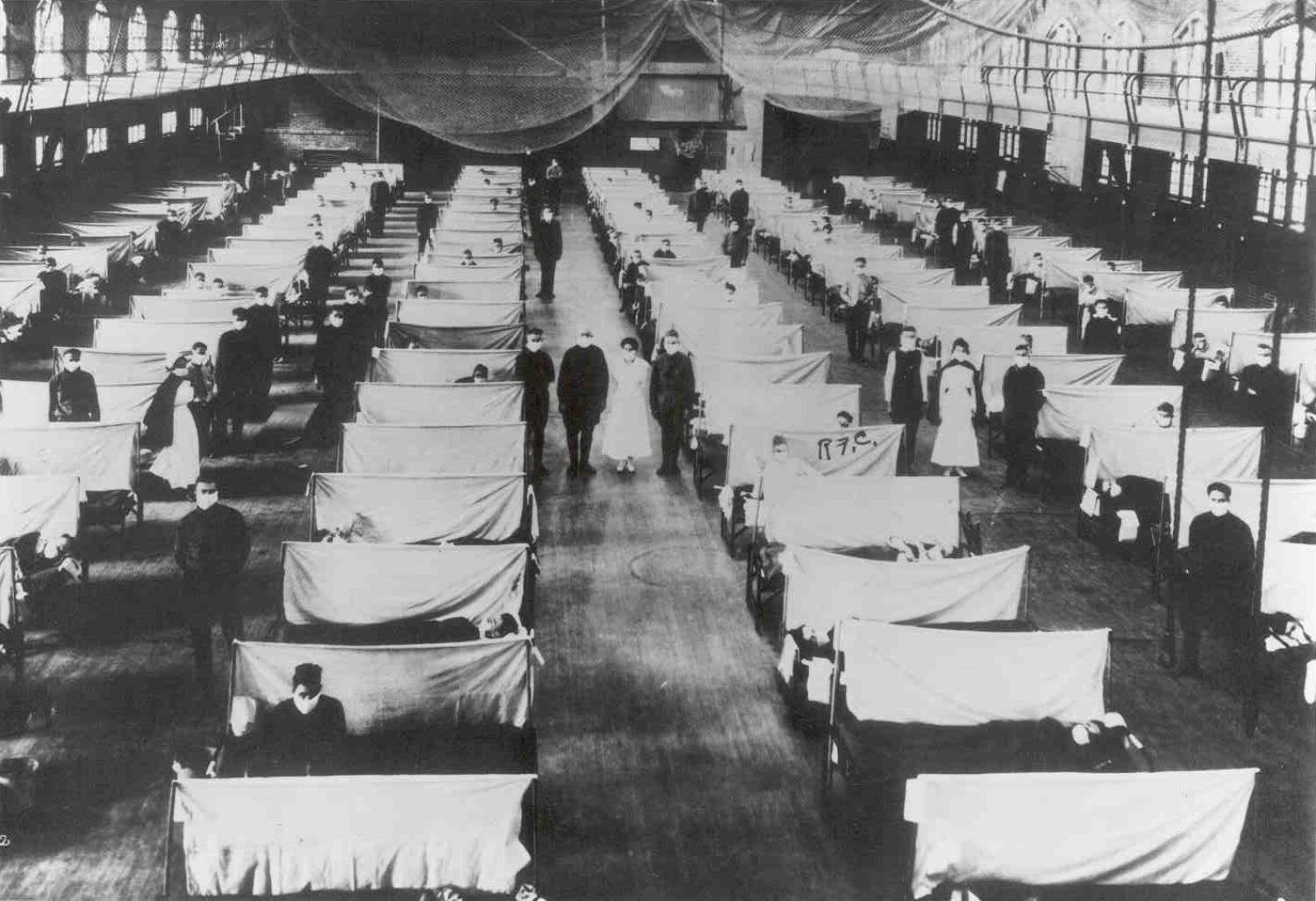
Unveiling the Truth: Skeletal Remains Challenge Beliefs About the 1918 Flu Pandemic

New research published in the journal PNAS challenges the long-held belief that the 1918 flu pandemic disproportionately affected healthy young adults. By examining skeletal remains, researchers found that individuals who were exposed to environmental, social, or nutritional stressors prior to the pandemic were more likely to succumb to the virus. The study highlights the importance of considering a broader range of historical perspectives and experiences, as well as the need to address socioeconomic factors and health disparities in pandemic preparedness.