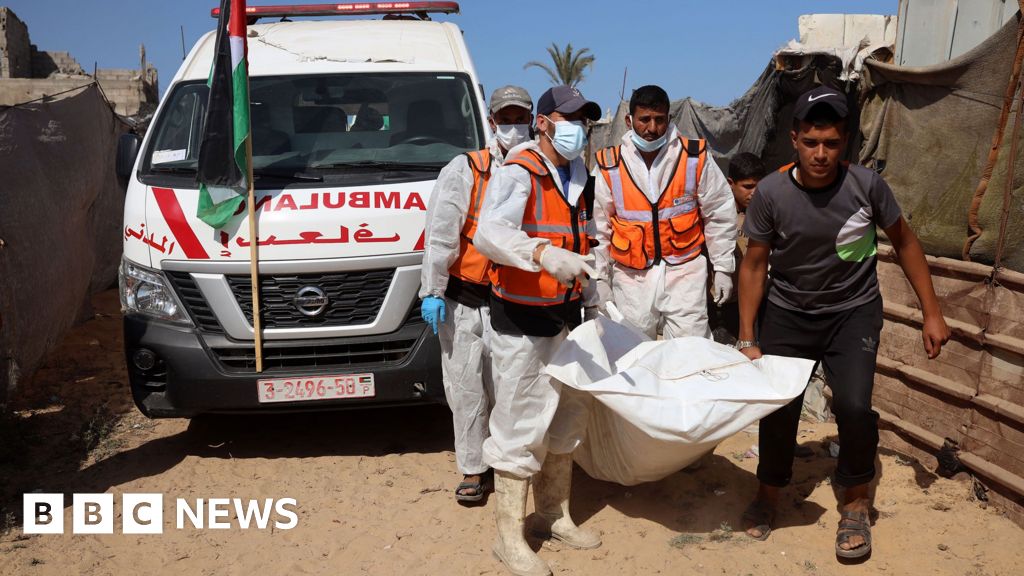
Gaza doctors are investigating signs of torture on 195 bodies returned by Israel, facing resource shortages and challenges in identification and determining causes of death, amid ongoing conflict and concerns over human rights violations.
New forensic evidence suggests that legendary Tennessee Sheriff Buford Pusser was responsible for his wife Pauline's 1967 murder, contradicting his previous account of an ambush, and bringing long-awaited closure to the case.
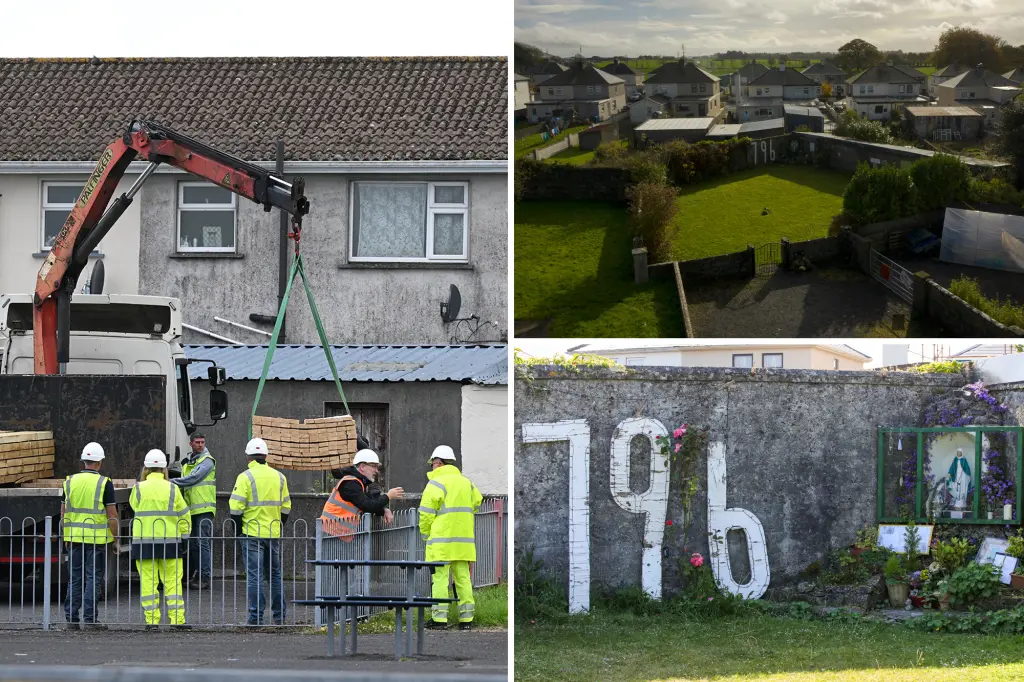
Excavation has begun at a site in Tuam, Ireland, believed to contain the remains of nearly 800 babies and children who died at a home for unwed mothers run by Catholic nuns between 1925 and 1961. The investigation aims to identify and reburial the remains, shedding light on a tragic chapter of Ireland's history involving institutional abuse and neglect.
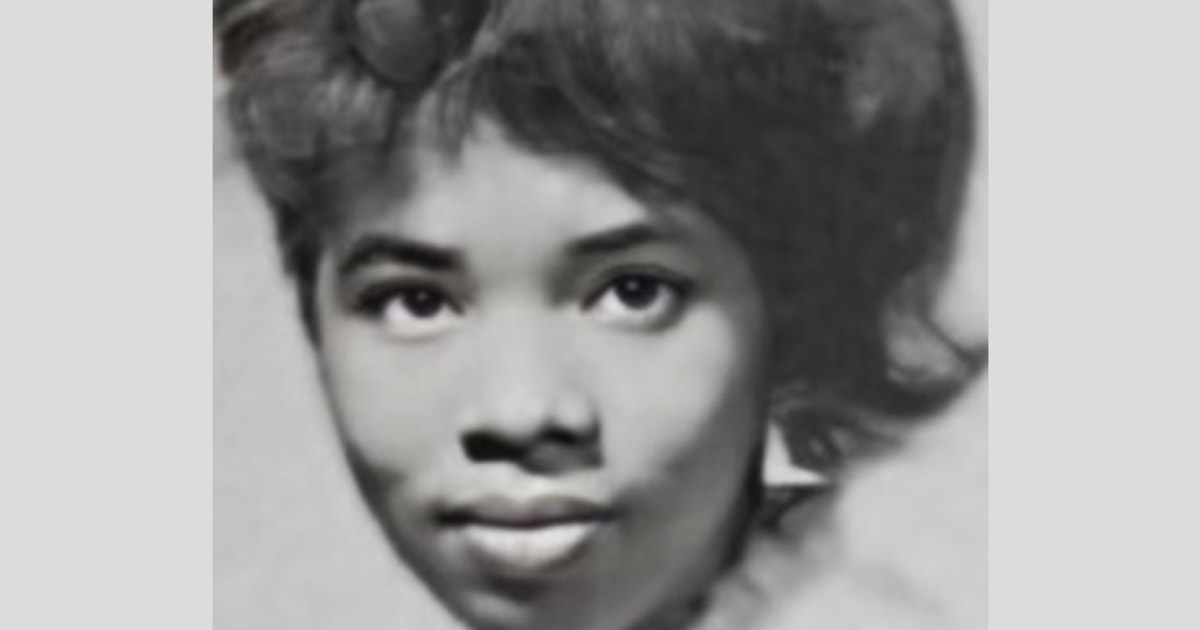
A 92-year-old man from Ipswich has been arrested on suspicion of murder and rape in connection with the 1967 death of Louisa Dunne, a 75-year-old woman found dead in her Bristol home. Avon and Somerset Police reopened the cold case in 2023, leading to this significant development. The arrest has been communicated to Dunne's family, and police activity is expected in the Ipswich area as the investigation continues.
New homeowners in eastern France discovered skeletal remains in a hidden attic space, believed to be those of the former owner who vanished 15 years ago. The remains were found during renovations to address a roof leak. The former owner, identified as Aloïs Iffly, disappeared in 2009 at age 81, and his disappearance remained unresolved despite extensive searches. The scene suggests a possible suicide, as a rope was found hanging nearby. The remains are undergoing forensic examination, and local police are investigating the cause of death.
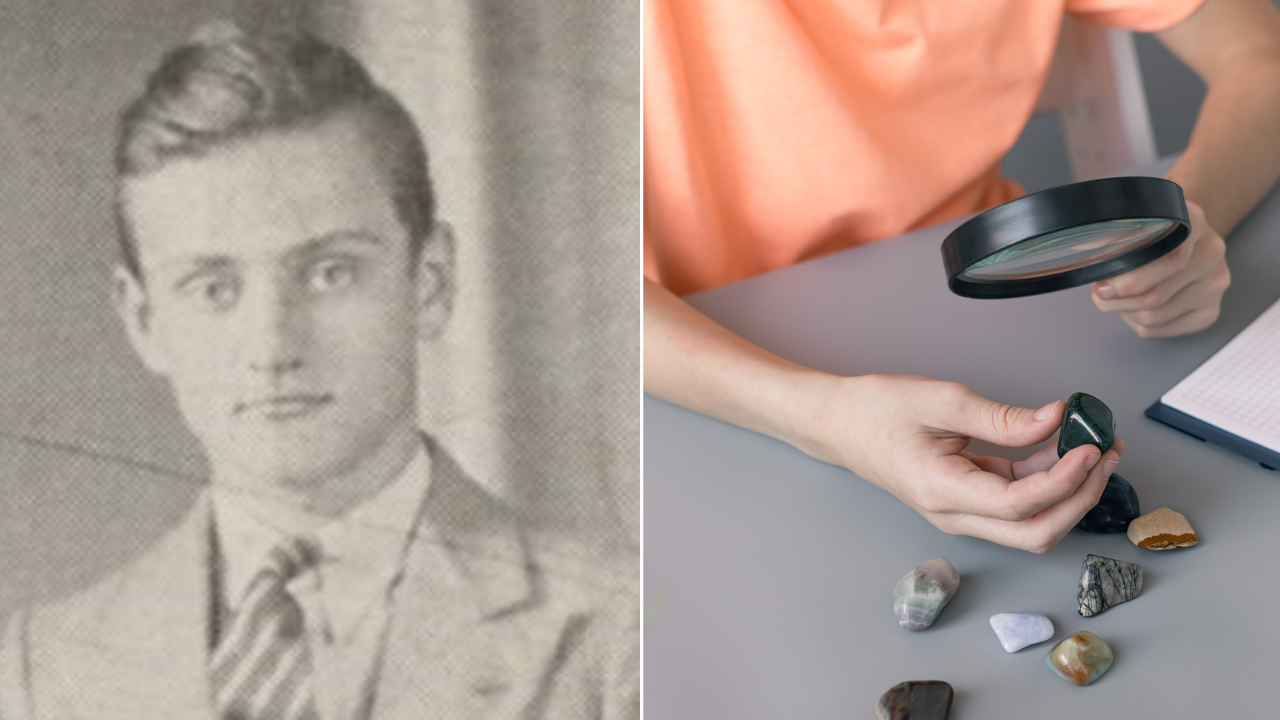
Researchers at Ramapo College in New Jersey used DNA analysis to positively identify the skeletal remains of Marine Corps Captain Everett Leland Yager, which were found in a child's rock collection in Arizona. Yager had died in a military training exercise in California in 1951, and his remains were thought to have been buried in Missouri. The unexpected discovery led to the repatriation of his remains to his family, and researchers theorized that a scavenger may have transported the jawbone from California to Arizona.
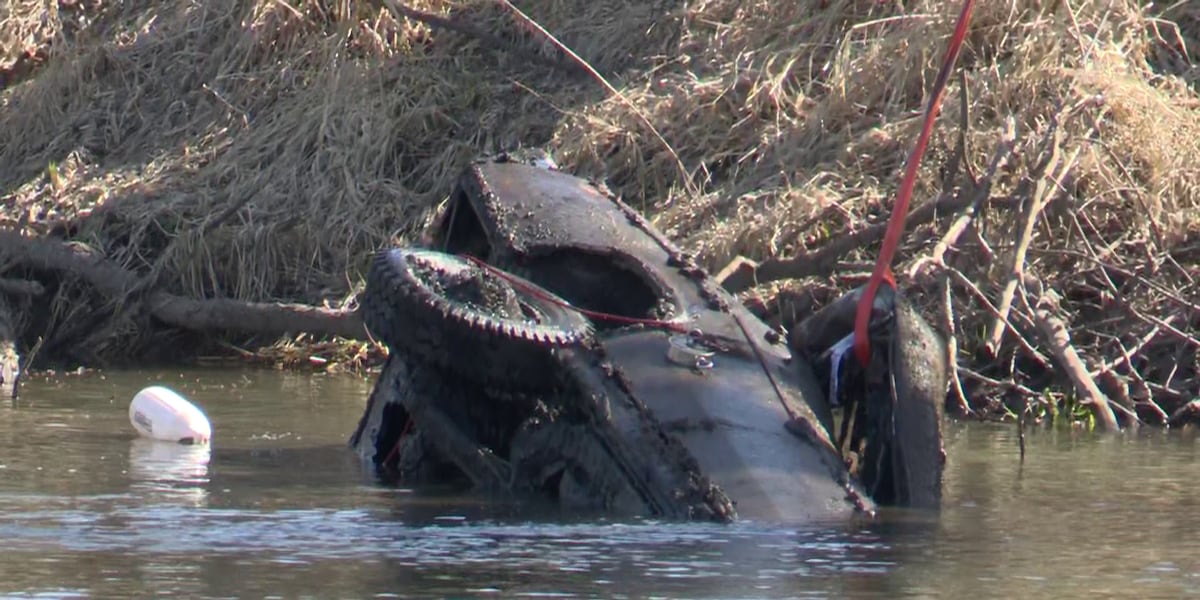
Divers recovered human remains from a 1966 Chevrolet Impala pulled from the Pecatonica River in Winnebago County, Illinois. The remains of at least two individuals were found inside the vehicle and along the river bank, along with personal items. The car is believed to be linked to the 1976 disappearance of two Freeport-area men, and the investigation to identify the remains is ongoing. Authorities are urging anyone with information to come forward.
Scientists have developed a forensic spray using a protein found in jellyfish that can reveal fingerprints in just 10 seconds, making forensic investigations quicker and more effective. The water-soluble and low-toxicity dye spray, based on a fluorescent compound called green fluorescent protein (GFP), is biologically compatible and does not interfere with DNA analysis. The spray comes in two colors, binds to chemicals in sweat and oils, and emits a fluorescent glow under blue light. This innovation offers a safer, more sustainable, and faster alternative to traditional fingerprint detection methods, and the team aims to make the forensic dyes commercially available.
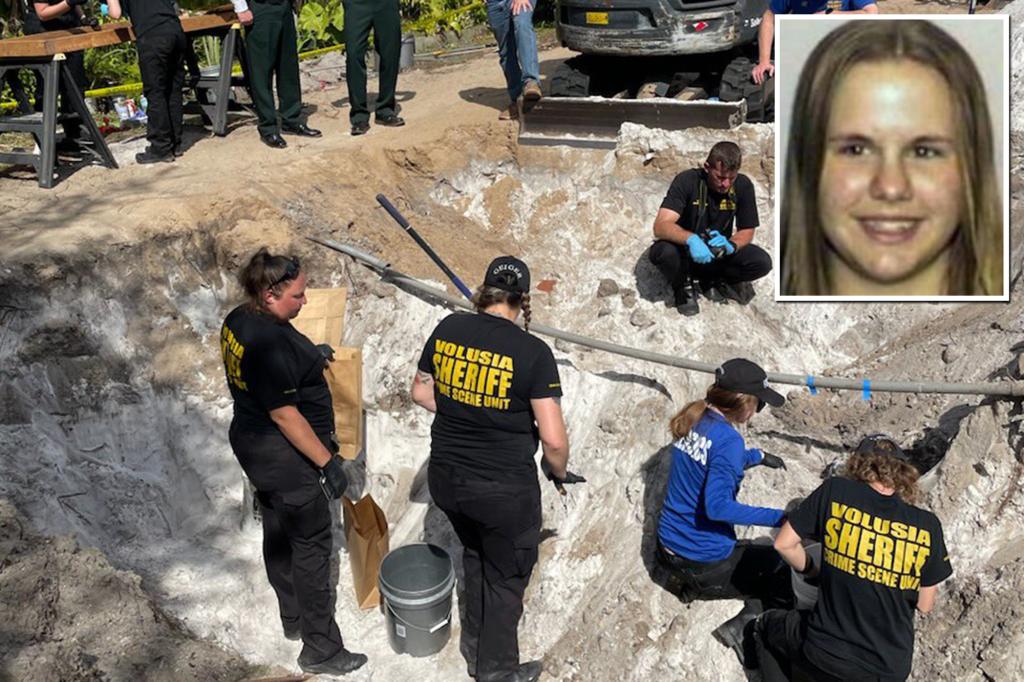
Human remains believed to be those of Autumn Lane McClure, a 16-year-old girl who went missing in 2004, were discovered in a mobile home park in Ormond Beach, Florida. Investigators used ground-penetrating radar to locate the remains, which were found in a trailer where McClure was allegedly killed by a now-deceased suspect. Despite the suspect's death, authorities continued their efforts to solve the case, providing closure to the family after nearly two decades of uncertainty.
The remains of a teenager found over 50 years ago have been identified as Sandra Young, a high school student who disappeared in 1968 or 1969. Advanced DNA technology and genetic genealogy helped confirm her identity, bringing closure to her family. The circumstances of her death, believed to involve foul play, remain unknown. The case highlights the innovative ways in which forensic investigation and DNA technology can aid in solving cold cases, but also underscores the high cost associated with such efforts.
The remains of a victim found on the property of serial killer Herbert Baumeister have been identified as Manuel Resendez, who went missing in 1993. The Hamilton County Coroner's Office has been working to identify the nearly 10,000 remains recovered from Baumeister's property, with recent success in identifying another victim, Allen Livingston. Efforts to bring closure to victims' families continue, and DNA testing is ongoing to identify possible victims. Families of potential victims are encouraged to contact the Hamilton County Coroner's Office to provide DNA samples for testing.
The remains of 16-year-old Tammie Liles, a victim of the Green River killer in Washington state, have been identified, bringing closure to her case and marking the identification of all 49 of Gary Ridgway's victims. Ridgway, known as the Green River killer, preyed on vulnerable girls and young women in the 1980s and 1990s. Advances in DNA technology and forensic investigation led to the identification of Liles' remains, providing answers to her family and law enforcement after decades of uncertainty.
The remains of a man found wrapped in tire chains in Kentucky's Lake Barkley in 1999 have been identified as Roger Dale Parham, who was wanted by the FBI at the time. Parham had been arrested in connection with a rape involving a minor in 1998 but failed to appear in court, leading to a federal arrest warrant. His cause of death has not been determined, but the investigation is being treated as a homicide due to the suspicious circumstances. After years of unsuccessful identification attempts, forensic genealogy scientists helped authorities identify Parham by connecting him to a relative. The case remains open, and anyone with information is urged to contact the Kentucky State Police.
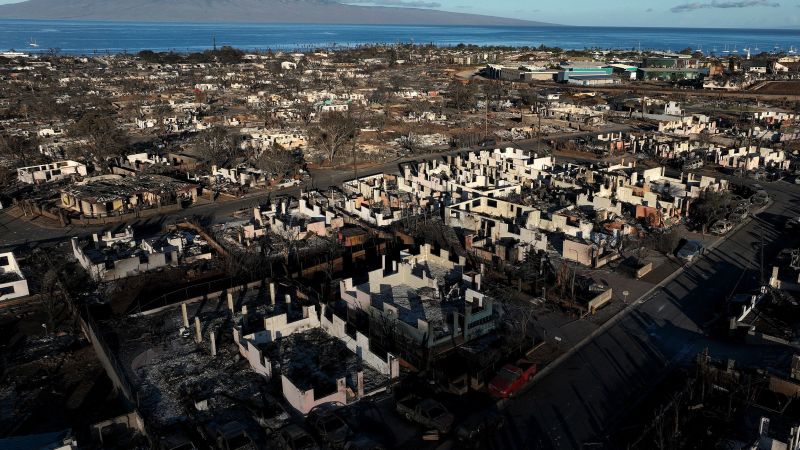
The identification of victims' remains in the aftermath of the devastating Maui wildfires has been challenging due to the intense heat of the fire, making traditional identification methods like fingerprints and dental analysis difficult. However, recent advances in DNA technology, specifically Rapid DNA, have significantly expedited the identification process. Rapid DNA technology, developed by ANDE Corp., allows for on-site DNA analysis, providing results in just 94 minutes. This technology has been crucial in identifying victims in mass casualty events like the Camp Fire in 2018. Despite the challenges, forensic investigators are working diligently to identify the remains, but there are concerns that some victims may never be found due to the severity of the fire.
Former Nigerian Minister of Education, Oby Ezekwesili, has called for a forensic investigation into the alleged forgery of the 2023 Unified Tertiary Matriculation Examination (UTME) results of Miss Ejikeme Mmesoma. Mmesoma, who claimed to have scored the highest in the UTME, has been accused of forging her results by the Joint Admission and Matriculation Board (JAMB). Ezekwesili has reached out to the JAMB Registrar, Prof Is-haq Oloyede, to conduct an independent investigation into the matter. Mmesoma denies the forgery claims and insists that she printed the results from the JAMB portal.