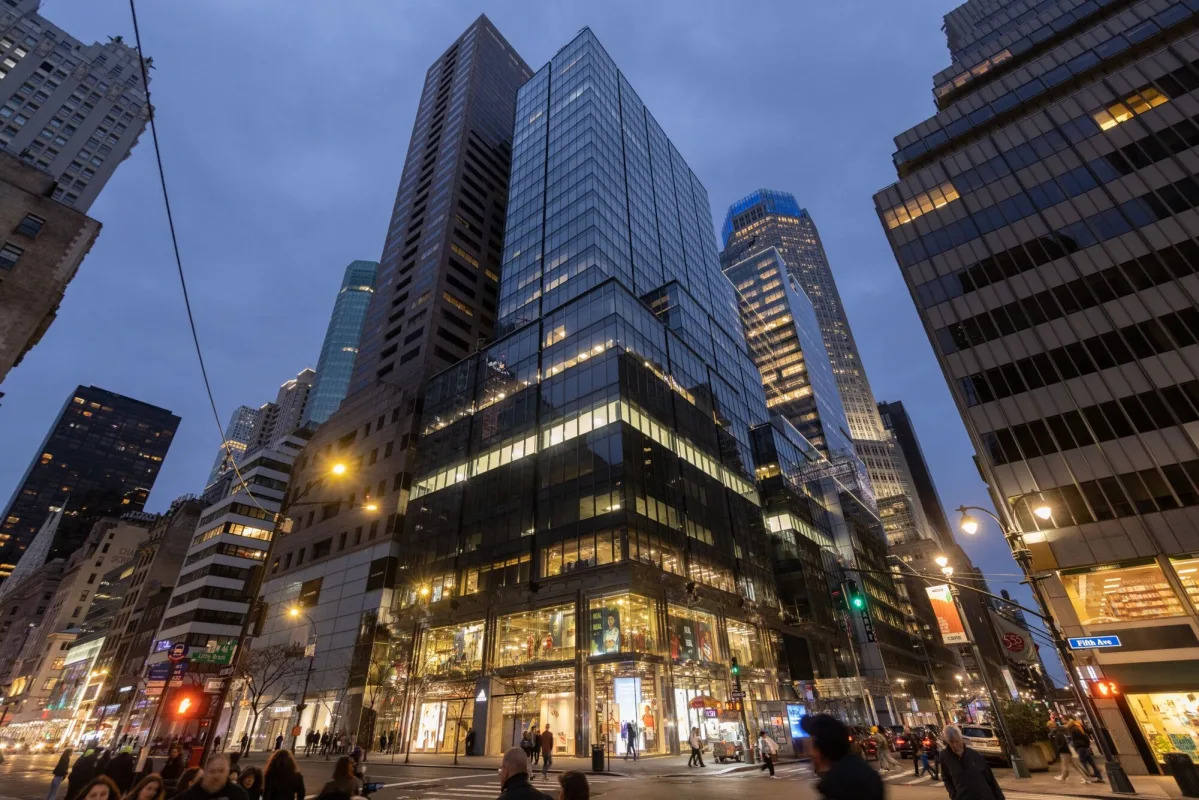
Blackstone is reportedly the leading bidder to acquire a $17 billion portfolio of commercial-property loans from the Federal Deposit Insurance Corp.'s sale of Signature Bank debt. The FDIC has been marketing loans backed by various types of properties, and Blackstone's bid is expected to bring the lowest costs to the agency. The terms of the deal are still being finalized, and Blackstone is in talks to partner with Rialto Capital to service the loans. The sale is closely watched by investors as it provides insights into pricing in the commercial real estate market, which has been affected by rising borrowing costs and declining property values.
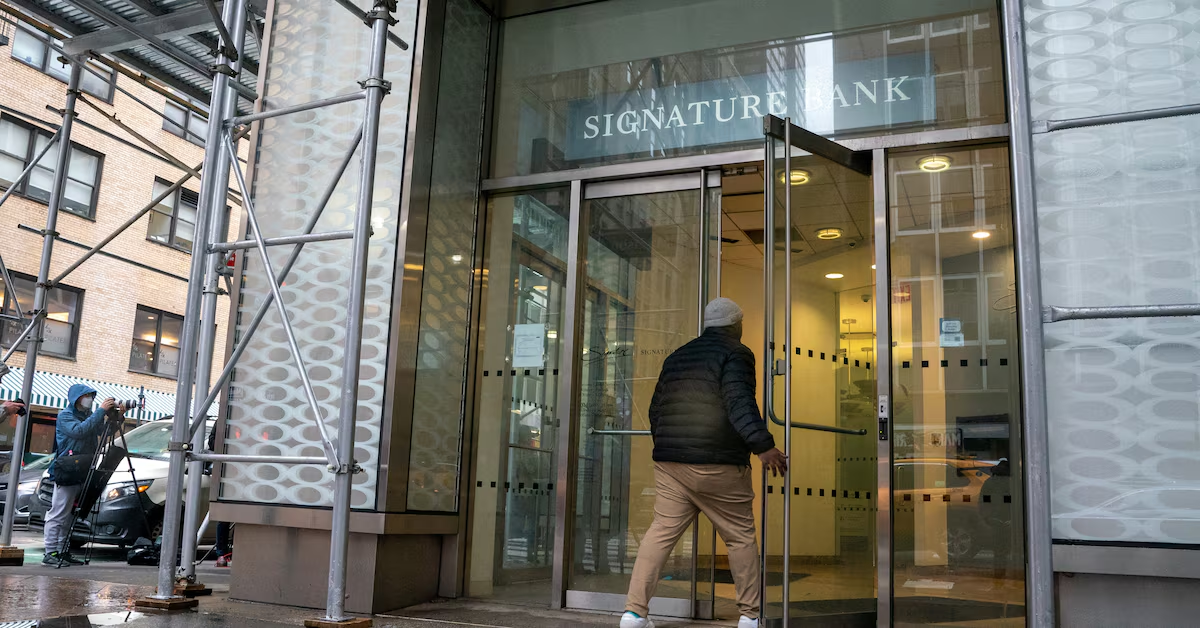
The U.S. Federal Deposit Insurance Corporation (FDIC) is seeking buyers for the $33 billion commercial real estate (CRE) loan portfolio of failed New York lender Signature Bank. The majority of the portfolio consists of multi-family properties primarily located in New York City. The FDIC plans to market the asset over the next three months. The sale includes about $15 billion of loans secured by rent-stabilized or controlled residences. The FDIC intends to place these loans within joint ventures to preserve existing affordable housing. The agency expects to complete the portfolio sales by the end of 2023.
The Federal Deposit Insurance Corp. (FDIC) is seeking buyers for an $18.5 billion loan portfolio from Signature Bank, consisting of subscription credit facilities to private equity funds tied to major firms such as Starwood Capital Group, Carlyle Group Inc., Blackstone Inc., Thoma Bravo, and Brookfield Asset Management Ltd. The sale is part of the FDIC's offloading of about $60 billion of Signature Bank loans, with Newmark Group Inc. handling the sale. The deadline for bids is in September, with closing set for early October.
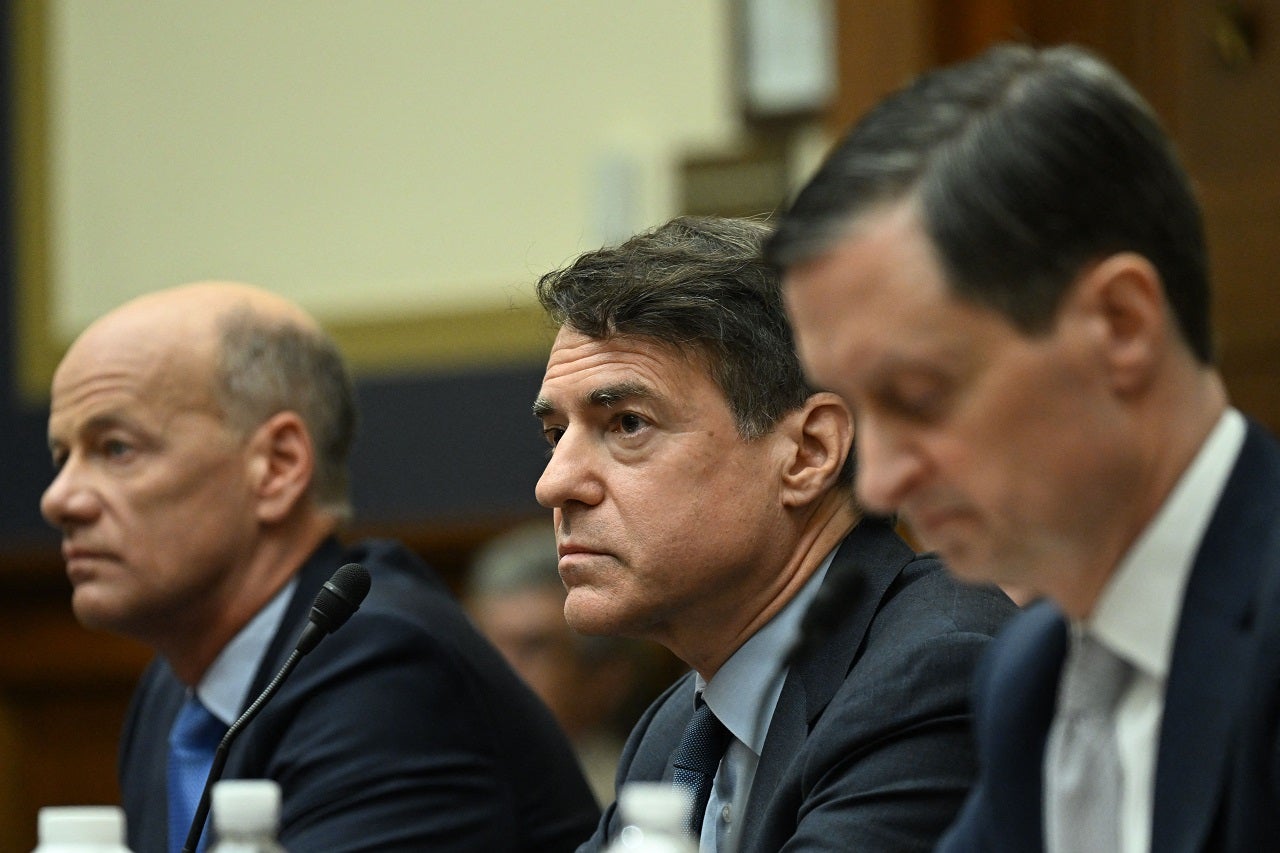
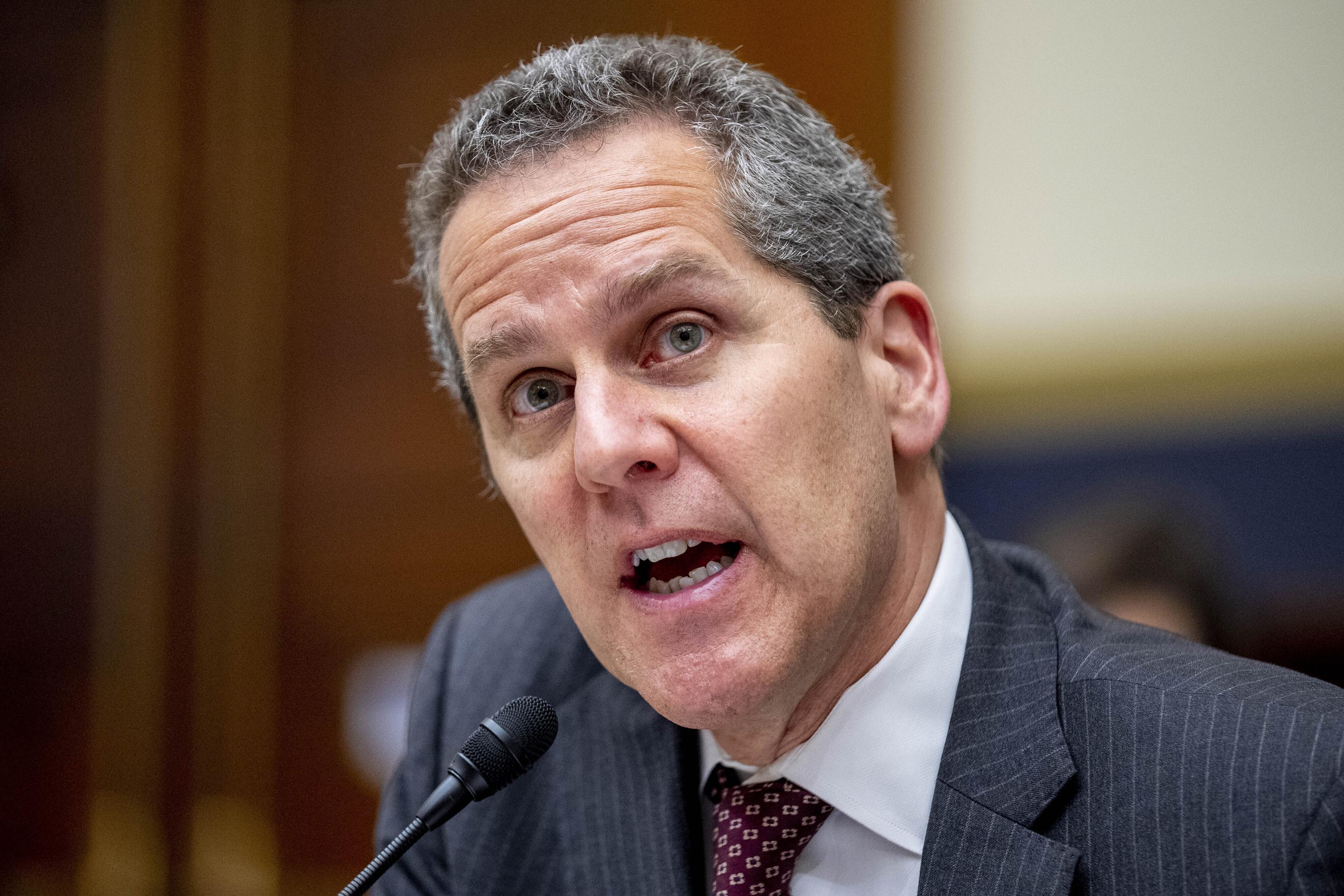
Former CEOs of Silicon Valley Bank, Signature Bank, and First Republic Bank testified before House Financial Services subcommittees that social media played a significant role in fueling the "panic" that caused depositors to pull funds from the institutions, leading to unprecedented outflows of funds that appeared unstoppable. They warned that social media could indirectly impact or crash the U.S. banking system and called for measures to protect against it.
The FDIC has proposed a special assessment fee on larger banks to recover the funds used to protect uninsured depositors who would have been left with nothing following the failures of Silicon Valley Bank and Signature Bank. The proposed fee of 0.125% on insured deposits at banks with $5 billion in assets or more would remain in effect for eight quarterly assessment periods starting in the first quarter of 2024. The FDIC estimates that about 113 banks will be subject to the fee, and banks with more than $50 billion in total assets will pay about 95% of the special assessment, while those with less than $5 billion will be exempt.
The Federal Deposit Insurance Corporation (FDIC) has proposed that banks with more than $5 billion in assets should help pay for the March failures of Silicon Valley Bank and Signature Bank, sparing small community institutions from footing part of the bill. The FDIC estimates that it will cost $15.8 billion to protect all depositors at those two institutions who were above the FDIC's $250,000-per account insurance level. The proposal asks the largest banks – those with total assets over $50 billion — to pay more than 95% of the special assessment.
Former top executives of failed banks SVB and Signature Bank will testify before the Senate Banking Committee on May 16. The hearing will mark the first time any of the men has spoken in public about the bank failures that rocked U.S. financial markets. The former bank executives can expect a grilling from senators on both sides of the aisle. In a separate hearing on May 18, the committee will hear from top federal bank regulators, including Michael Barr, Martin Gruenberg, Michael Hsu, and Todd Harper.
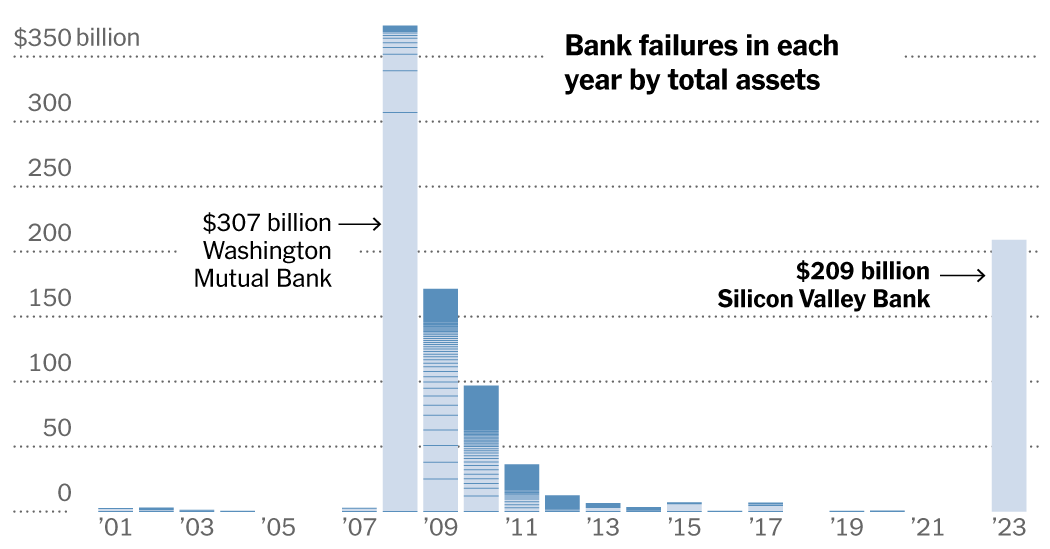
First Republic Bank became the third bank to fail this year after Silicon Valley Bank and Signature Bank collapsed in March. The three banks held a total of $532 billion in assets, more than the $526 billion held by the 25 banks that collapsed in 2008. Stricter regulations have led to fewer bank failures in recent years, but midsize banks like First Republic, Silicon Valley, and Signature do not have the same regulatory oversight. The failure of Silicon Valley Bank was a "textbook case of mismanagement," and the Fed will "re-evaluate" its rules for banks similar in size.
The Federal Reserve has blamed the collapse of Silicon Valley Bank on poor management, watered-down regulations, and lax oversight by its own staffers. The report also criticized the bank for tying executive compensation too closely to short-term profits and the company’s stock price. The passive approach stemmed from actions taken by Congress and the Fed in 2018 and 2019 that lightened rules and regulations for banks with less than $250 billion in assets. The report is likely to reignite a debate about the proper scope of bank regulation.
An internal review by the FDIC found that "poor management" led to the collapse of Signature Bank, which pursued rapid, unrestrained growth without developing adequate risk management practices and controls. The bank funded its growth through an overreliance on uninsured deposits without implementing fundamental liquidity risk management practices and controls. The FDIC could have been more forward-looking and forceful in its supervision, while Signature Bank could have been more measured in its growth and more responsive to the FDIC's supervisory concerns.
The collapse of Signature Bank was due to "poor management," according to a report from the Federal Deposit Insurance Corporation. Bank management did not fully understand the risks associated with accepting crypto deposits, which comprised more than 20% of its total deposits. The bank was overreliant on uninsured deposits, which accounted for 90% of overall deposits. The FDIC report made few recommendations for regulatory changes.
The FDIC released an internal review report evaluating its supervision of Signature Bank, New York, from 2017 until its failure in March 2023. The report identifies poor management as the root cause of the bank's failure and assesses the FDIC's supervision of the bank. The report finds that the FDIC conducted targeted reviews and ongoing monitoring but could have escalated supervisory actions sooner and experienced resource challenges with examination staff. The report recommends further study by the FDIC related to examination guidance, processes, and resources.
New York Community Bancorp's Q1 earnings beat analysts' estimates, reflecting the transformation of the company to a commercial bank after acquiring certain assets and liabilities of Signature Bank. The Q1 results also include the first full quarter of Flagstar operations. The acquisition of Signature Bank assets and liabilities accelerates the company's evolution to a diversified, high-performing commercial bank. The Q1 net interest income exceeded the Visible Alpha consensus, and total revenue surged 360% Q/Q and 667% Y/Y. The current quarter's noninterest income included a bargain purchase gain of $2.0B related to the Signature deal.
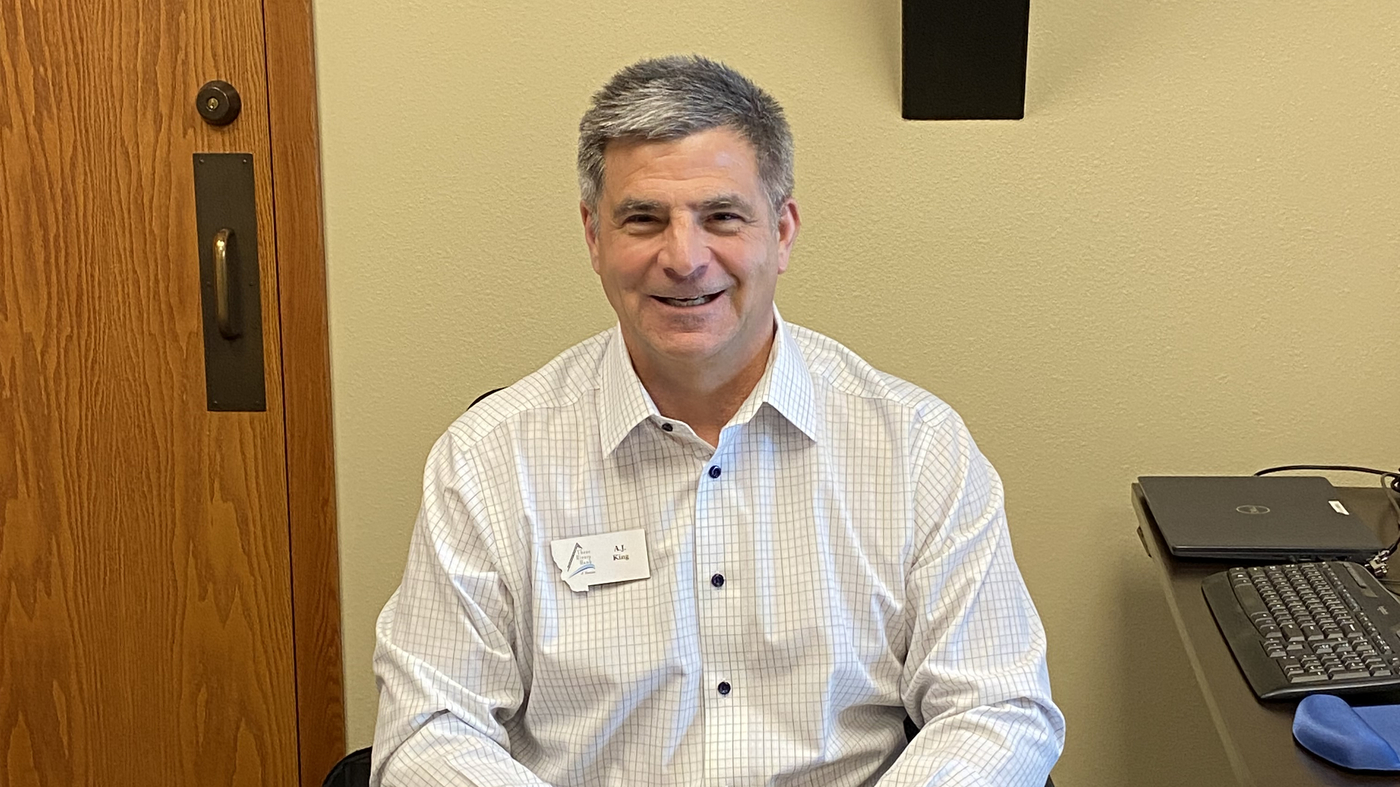
Community banks, such as Freedom Bank and Three Rivers Bank, are concerned they will have to pay for the $22 billion rescue of Silicon Valley Bank and Signature Bank, despite having nothing to do with their failure. The Federal Deposit Insurance Corp (FDIC) plans to impose a "special assessment" on banks, but has yet to decide which lenders will need to pay that fee. Lawmakers and the White House are considering exempting small, community banks from paying the fee, but smaller lenders could still be impacted by increased regulations and customers moving to larger banks.
Tim Mayopoulos, the new CEO of failed Silicon Valley Bank, prepares to take on his new role as Signature Bank tests the FDIC's Executive Reserve Corps.