Tag

Bank Collapse

All articles tagged with #bank collapse

finance2 years ago

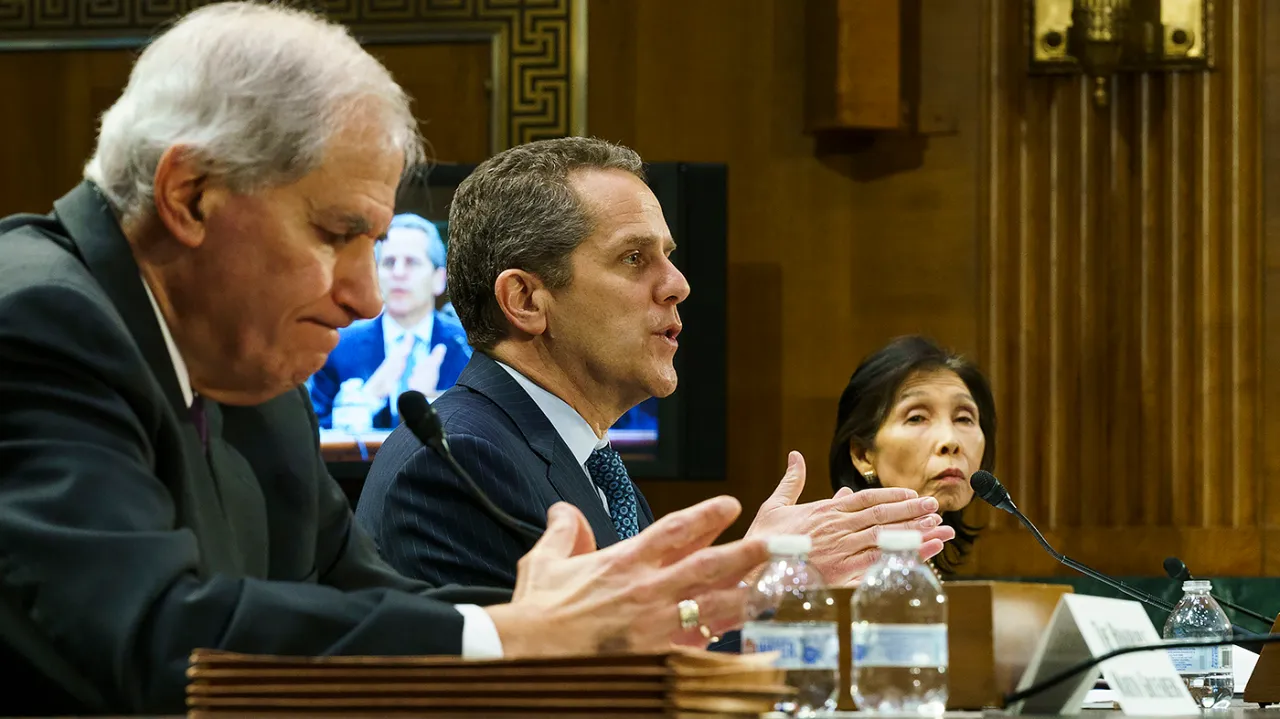
Senate Hearing Grills Former Executives of Failed Silicon Valley Bank and Signature Bank.

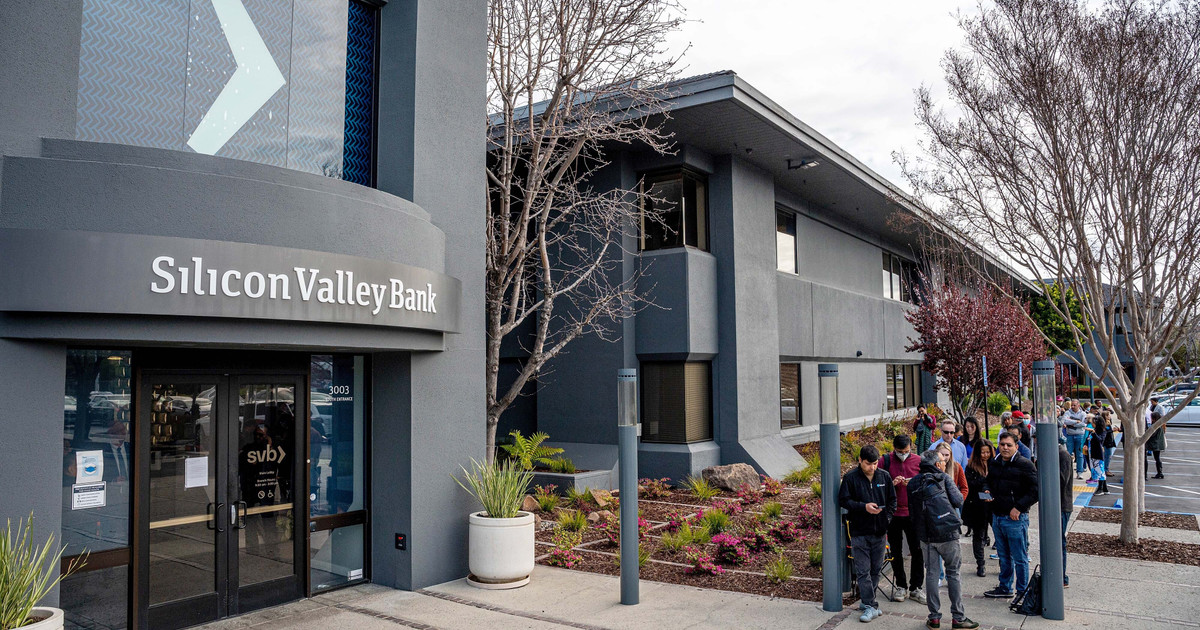
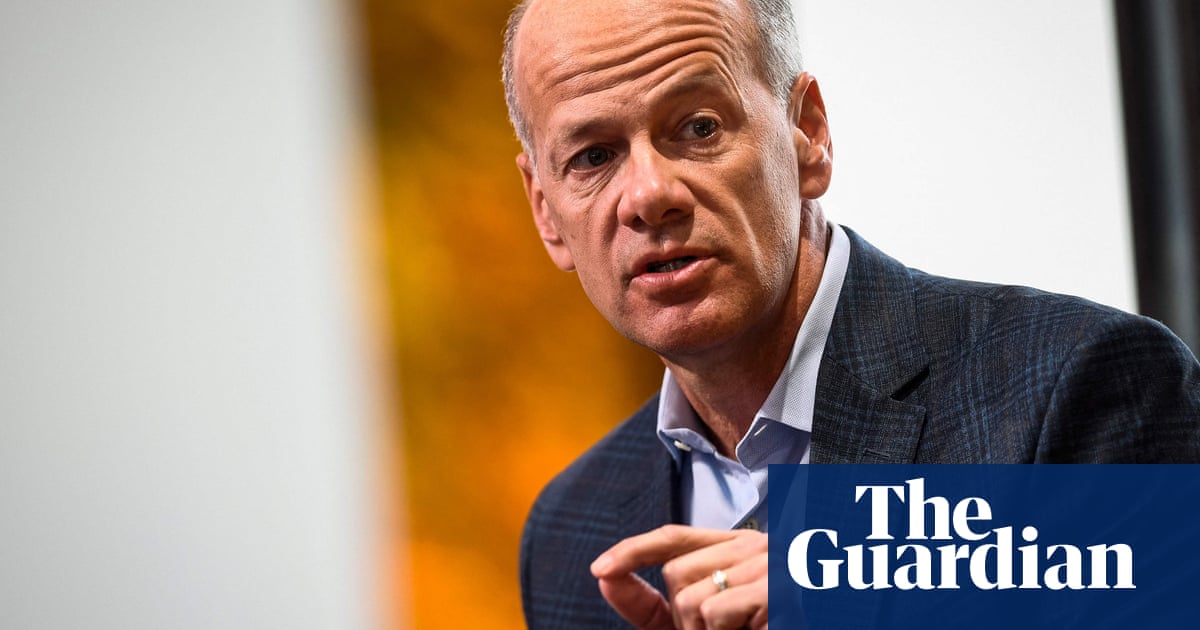
Former CEO of Silicon Valley Bank, Greg Becker, apologized for the "devastating" collapse of the bank during a Senate banking committee hearing. He believed the bank was responsive to regulator concerns about managing risk and working to address issues before an "unprecedented" bank run led to its failure. However, regulators and banking industry executives blamed SVB's leadership for failing to manage interest rate risks or diversify the bank's business beyond the highly concentrated tech sector in the Bay Area. Signature Bank, which collapsed shortly after SVB, also appeared at the hearing and maintained that the bank could have survived had regulators not chosen to close it.

business2 years ago

First Republic Bank's Future Uncertain as Shares Plummet and Buyers Stay Away

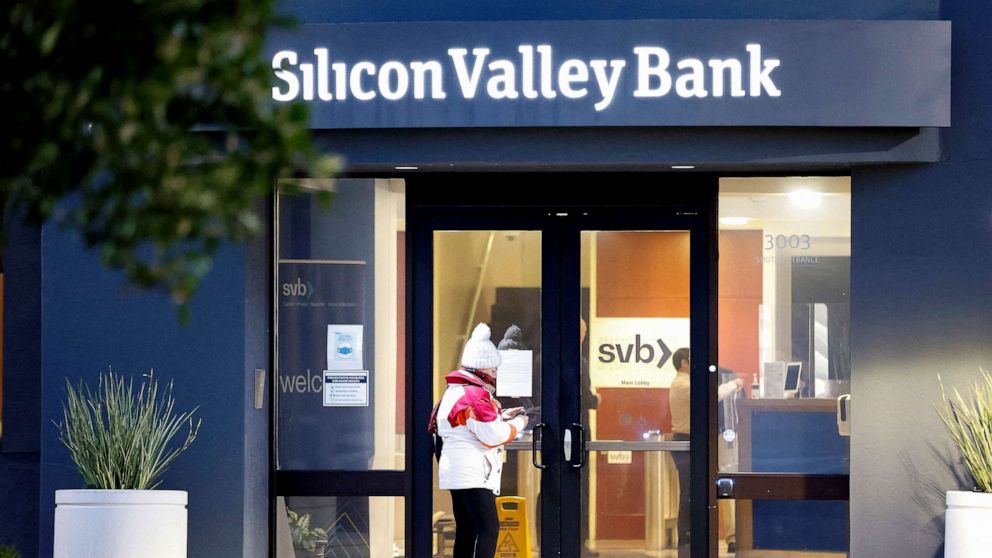
Shares of First Republic Bank fell 43% on Friday after reports that it is likely to be seized by federal financial regulators, making it the third bank to collapse since. The bank had roughly $233 billion in assets under management as of March 31. Deposit withdrawals of over $100 billion during last month's crisis raised concerns about the bank's stability. The bank now plans to sell off assets, restructure its balance sheet, lay off up to a quarter of its workforce, and shrink its corporate office footprint. Silicon Valley Bank's collapse was attributed to poor bank management, weakened regulations, and lax government supervision.

finance2 years ago

FDIC report attributes Signature Bank collapse to mismanagement.

An internal review by the FDIC found that "poor management" led to the collapse of Signature Bank, which pursued rapid, unrestrained growth without developing adequate risk management practices and controls. The bank funded its growth through an overreliance on uninsured deposits without implementing fundamental liquidity risk management practices and controls. The FDIC could have been more forward-looking and forceful in its supervision, while Signature Bank could have been more measured in its growth and more responsive to the FDIC's supervisory concerns.

finance2 years ago

Auditors Neglected to Identify Risks Leading to Bank Failures

KPMG LLP failed to flag the risks building up in Silicon Valley Bank just 14 days before the bank collapsed. While the audit firm flagged potential losses on loans, it remained silent on the bank's unrealized bond losses and its ability to hold them given a reliance on potentially flighty deposits. Experts are questioning how KPMG missed the interest-rate risk.

finance2 years ago

US Lawmakers Criticize Regulators Over Silicon Valley Bank Failure and Bailouts.

Lawmakers criticized banking regulators at a Senate Banking Committee hearing for failing to act on signs that Silicon Valley Bank (SVB) was in trouble, mobilizing instead to bail out depositors after it had collapsed. The CEO of the failed SVB, Greg Becker, who was also a board member of the San Francisco Federal Reserve, did not appear before the committee. The legislative response to the latest bank collapses is still evolving, but Democrats led by Sen. Elizabeth Warren have been arguing for the restitution of the Dodd-Frank Act.

finance2 years ago

First Citizens Bank acquires Silicon Valley Bank's assets in a major deal, while concerns arise over investment-bank internships.

First Citizens Bank will acquire about $72 billion in assets from the failed Silicon Valley Bank, while the remaining $90 billion of assets will remain in receivership with the FDIC. The bank had been the 16th largest bank in the country and its failure cost the FDIC an estimated $20 billion. Seventeen former Silicon Valley Bank branches will open as First Citizens Bank branches on Monday. Shares of First Citizens Bank rose about 47% in early trading on Monday.

finance2 years ago

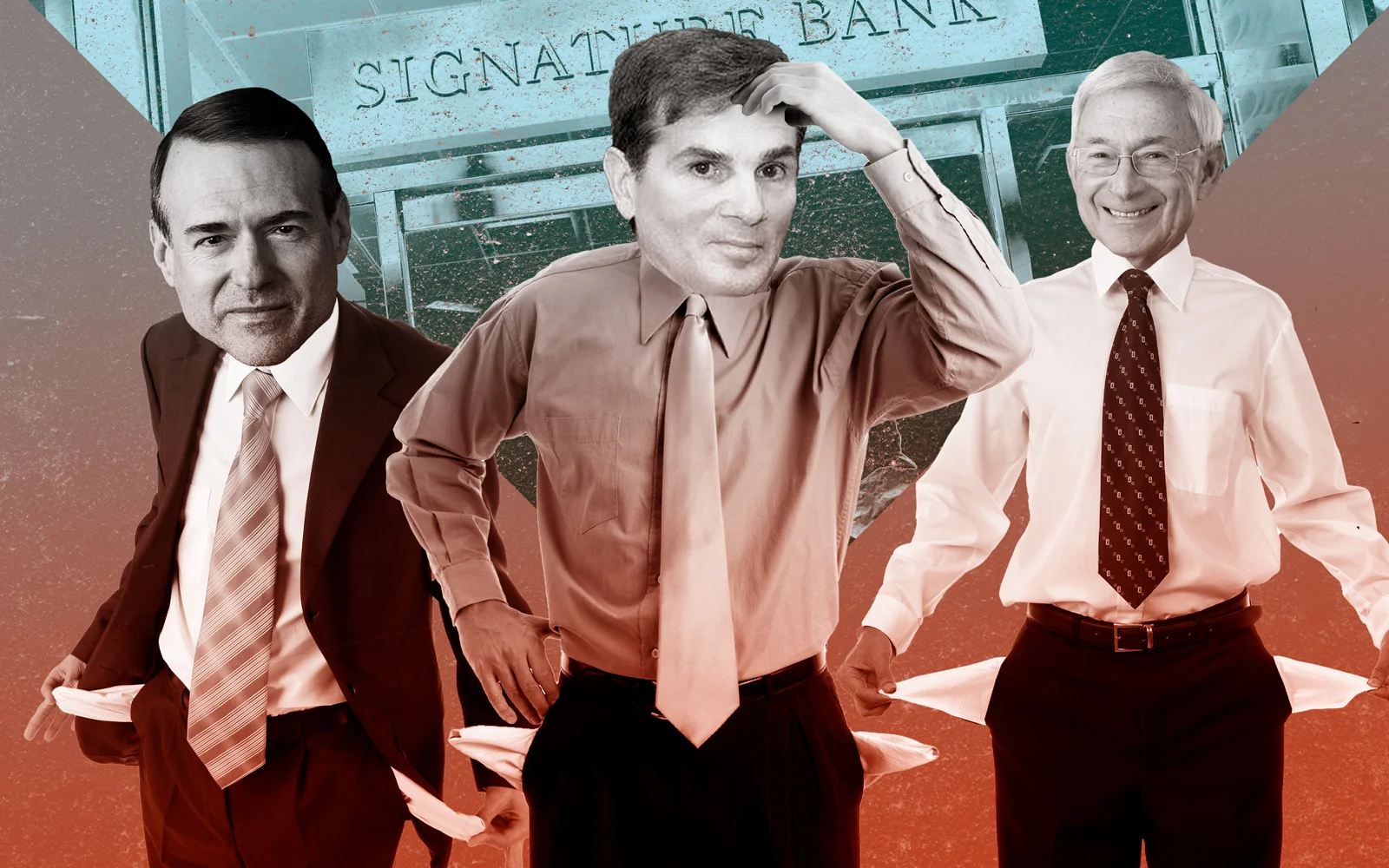
Signature Bank Founders Suffer Major Losses in Collapse.

The co-founders of Signature Bank lost a combined $285 million when the bank collapsed on March 12, after regulators seized the institution and forced out its senior executives. The bank's executives had seen their compensation and net worth balloon as the regional lender grew at a breakneck pace, but scrutiny of their compensation is likely to intensify as regulators do a post-mortem and try to sell the bank’s remaining assets. The Biden administration is already discussing ways to claw back stock compensation from its executives, as well as those from Silicon Valley Bank, which collapsed at the same time.

finance2 years ago

The Fed's Warnings Ignored: The Collapse of Silicon Valley Bank.

The Federal Reserve had been aware of Silicon Valley Bank's risky practices for over a year, but its warnings were insufficient to prevent the bank's collapse. The bank was using an incorrect model to assess its own risks amid rising interest rates and was flagged for deficiencies in risk management. Despite repeated warnings, the bank did not fix its vulnerabilities, and by early 2023, it was in a "horizontal review" that identified additional deficiencies. The bank's collapse has raised questions about bank oversight and the need for stricter regulations for big, but not huge, banks. The Fed has initiated an investigation into what went wrong with the bank's oversight, and the inquiry's results are expected to be publicly released by May 1.

politics2 years ago

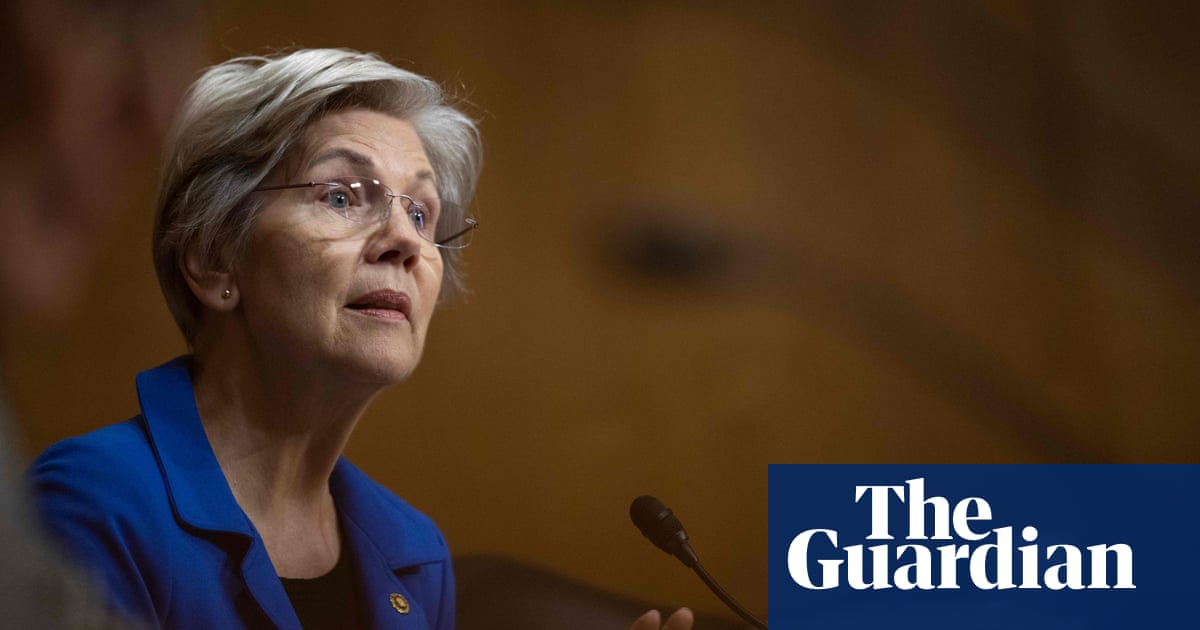
Elizabeth Warren Demands Investigation into Bank Failures and Fed Chair's Actions.

Senator Elizabeth Warren has called for an independent investigation into US bank failures and criticised Federal Reserve finance officials, including Chairman Jerome Powell, for their oversight and supervision of banks. Warren has also sent a letter to the inspectors general of the US treasury department, the Federal Deposit Insurance Corp (FDIC) and the Federal Reserve, urging regulators to examine the recent management and oversight of the banks which collapsed earlier this month. She has also unveiled legislation that would repeal Trump-era deregulation of smaller US banks and raise “stress-tests” on “too big to fail” banks from $50bn to $250bn.

finance2 years ago

Sharon Stone reveals losing half of her fortune to bank failure.

Sharon Stone revealed during a charity fundraiser that she lost half of her money due to "this banking thing," following the collapse of Silicon Valley Bank. Stone became emotional during her speech, shedding a few tears as she spoke. Federal regulators announced that they were bailing out SVB customers after the bank's implosion on March 10, which was caused by a combination of rising interest rates, poor financial choices, a bad market for tech, and a bank run. President Biden called on Congress to hold bank executives accountable for their failures.

finance2 years ago

The Rise and Fall of Silicon Valley Bank: Lessons in Regulation and Risk.

The recent collapses of Silicon Valley Bank and Signature Bank have highlighted the failure of banking regulators to detect obvious red flags and prevent reckless banking practices. Silicon Valley Bank's rapid growth in borrowing from the Federal Home Loan Banks system, its overconcentration in one sector of the economy, and its use of uninsured deposits to buy too many long-term bonds were all clear warning signs that regulators failed to act on. The culture of regulators is just as important as any rules or laws, and the legacy of the Trump administration's opposition to regulation has only exacerbated the problem. The Federal Reserve's failure to internalize the fragility of the financial system and act accordingly has further eroded confidence in the American banking system.

finance2 years ago

"Yellen's Statements on Bank System and Debt Limit Plan Spark Market Reactions"

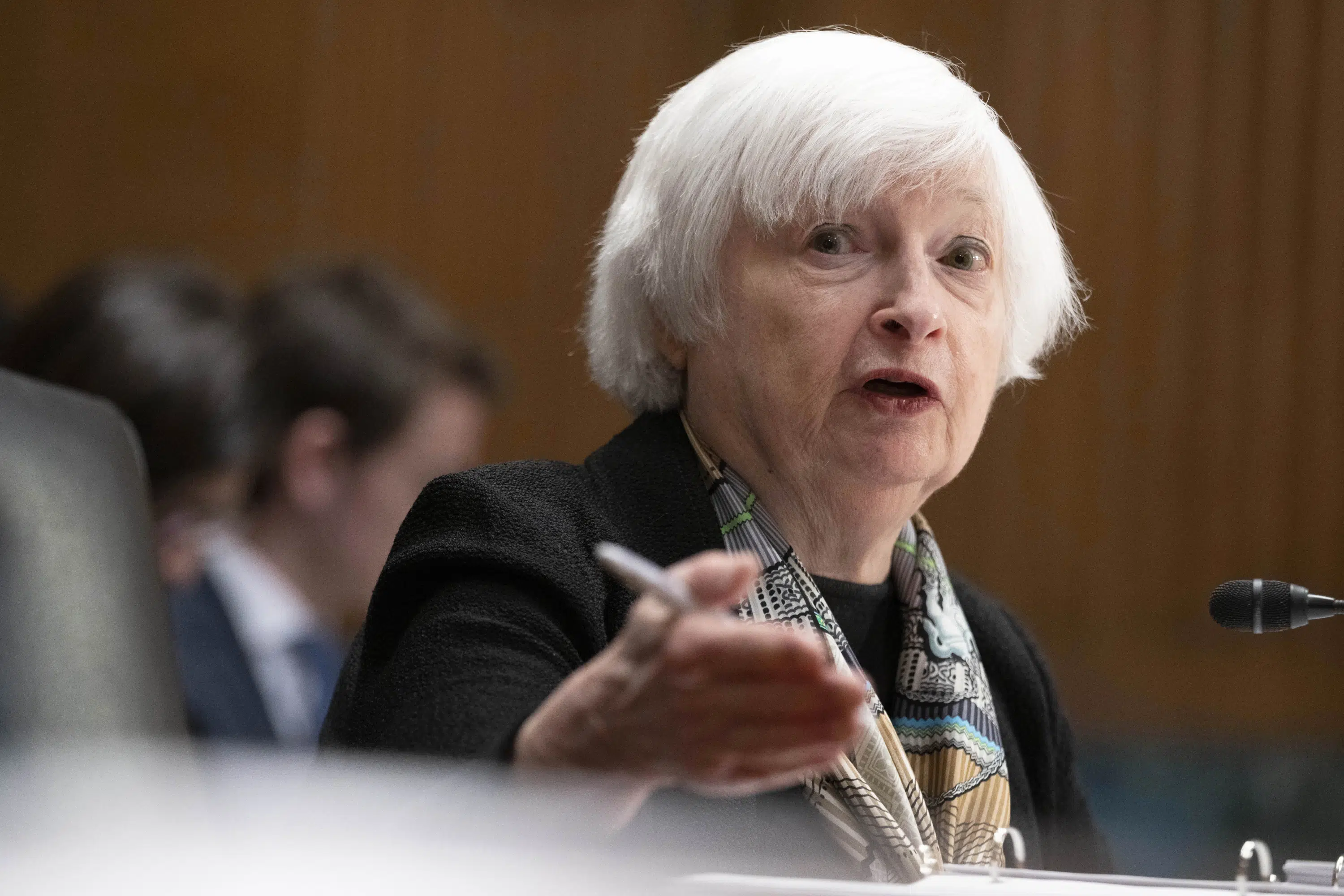
Treasury Secretary Janet Yellen reassured senators that the US banking system "remains sound" and Americans "can feel confident" about the safety of their deposits, despite the collapse of Silicon Valley Bank and Signature Bank. First Republic Bank received an emergency infusion of $30 billion in deposits from 11 banks, and Credit Suisse received a promise from the Swiss central bank of a loan of up to $54 billion. The Justice Department and the Securities and Exchange Commission have launched investigations into the Silicon Valley Bank collapse, and President Joe Biden has called on Congress to strengthen rules on regional banks.

business2 years ago

Former Silicon Valley Bank CEO Becker Retreats to Hawaiian Hideaway

Former CEO of Silicon Valley Bank, Greg Becker, who was at the helm of the financial institution when it collapsed, was spotted in Hawaii with his wife just days after leaving the firm. Becker is under investigation by the Justice Department for selling stocks just before SVB went under. He is also being sued by SVB shareholders for allegedly concealing the fact that rising interest rates left the firm "particularly susceptible" to a bank run. Despite this, Becker seemed unconcerned with cash as the couple enjoyed a chauffeur-driven limo ride to San Francisco Airport and first-class tickets to their island paradise.

finance2 years ago

Peter Thiel Claims $50M Stuck in SVB Collapse

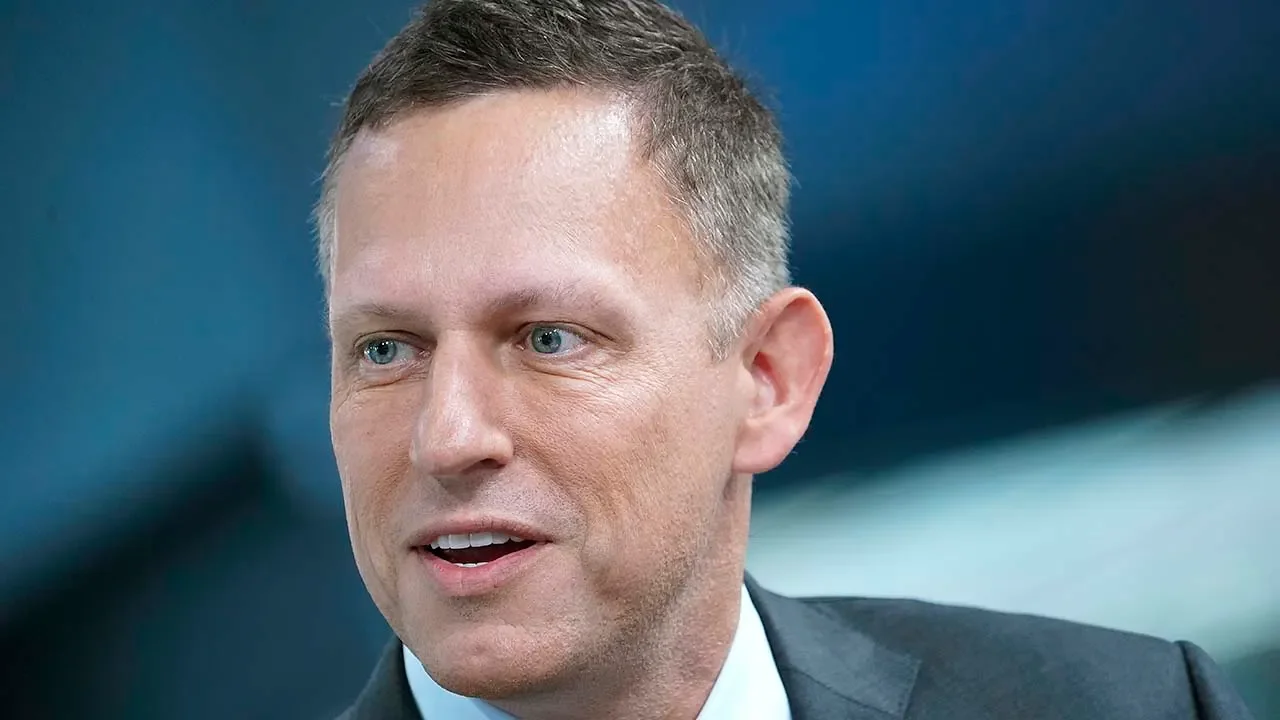
Billionaire investor Peter Thiel had $50 million of his own money in Silicon Valley Bank when it was seized by regulators last week, despite his own venture fund, Founders Fund, warning that the bank could be in trouble. The bank, which catered heavily to the venture capital community, was shut down by California regulators and taken over by the FDIC on March 10 as depositors scrambled to pull their money out. The vast majority of the bank's deposits were above the $250,000 threshold insured by the FDIC, so panicked customers rushed to pull their funds over fears that they would be lost.

finance2 years ago

Wealthy Investors Seek Alternatives Amid SVB Collapse Fallout

Wealthy investors and family offices are moving more of their money out of bank cash balances and into Treasurys, money markets and other short-term instruments, following the collapse of Silicon Valley Bank and potential cracks in the network of regional banks. With the rapid Federal Reserve hikes, Treasurys and money markets can now offer a 4% or 5% risk-free return — often double the yield on a savings or checking account. As a result, wealthy investors and family offices have been moving all but a small portion of their cash balances into higher yielding cash-like investments, which are typically not on the balance sheet of the banks.