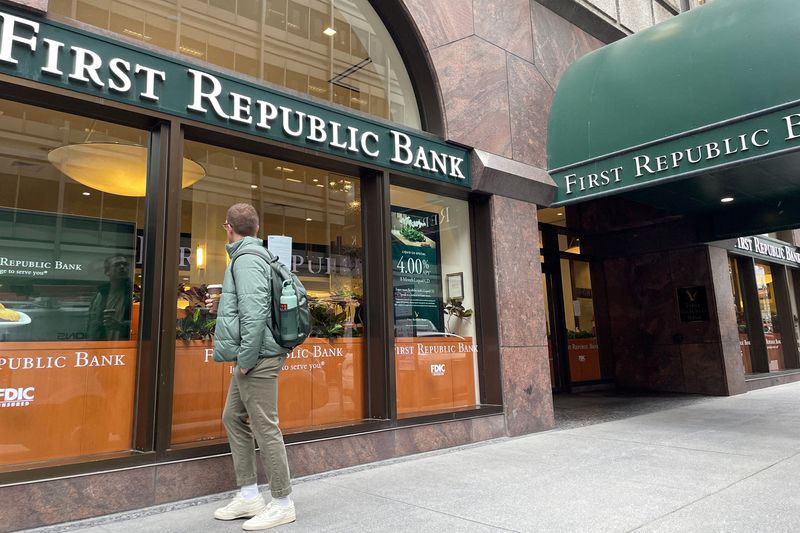
Nearly 170 former employees of First Republic Bank have filed a lawsuit against the U.S. Federal Deposit Insurance Corporation (FDIC), accusing the regulator of blocking their access to approximately $150 million in retirement funds. The employees allege that the FDIC stopped payments intended for them under a deferred compensation plan and instead treated them as unsecured creditors. The lawsuit is the latest fallout for the FDIC from the bank's failure earlier this year, which cost the agency's deposit insurance fund about $32 billion. The FDIC is also facing litigation from the former parent company of Silicon Valley Bank, seeking the return of about $2 billion seized after the bank's collapse.
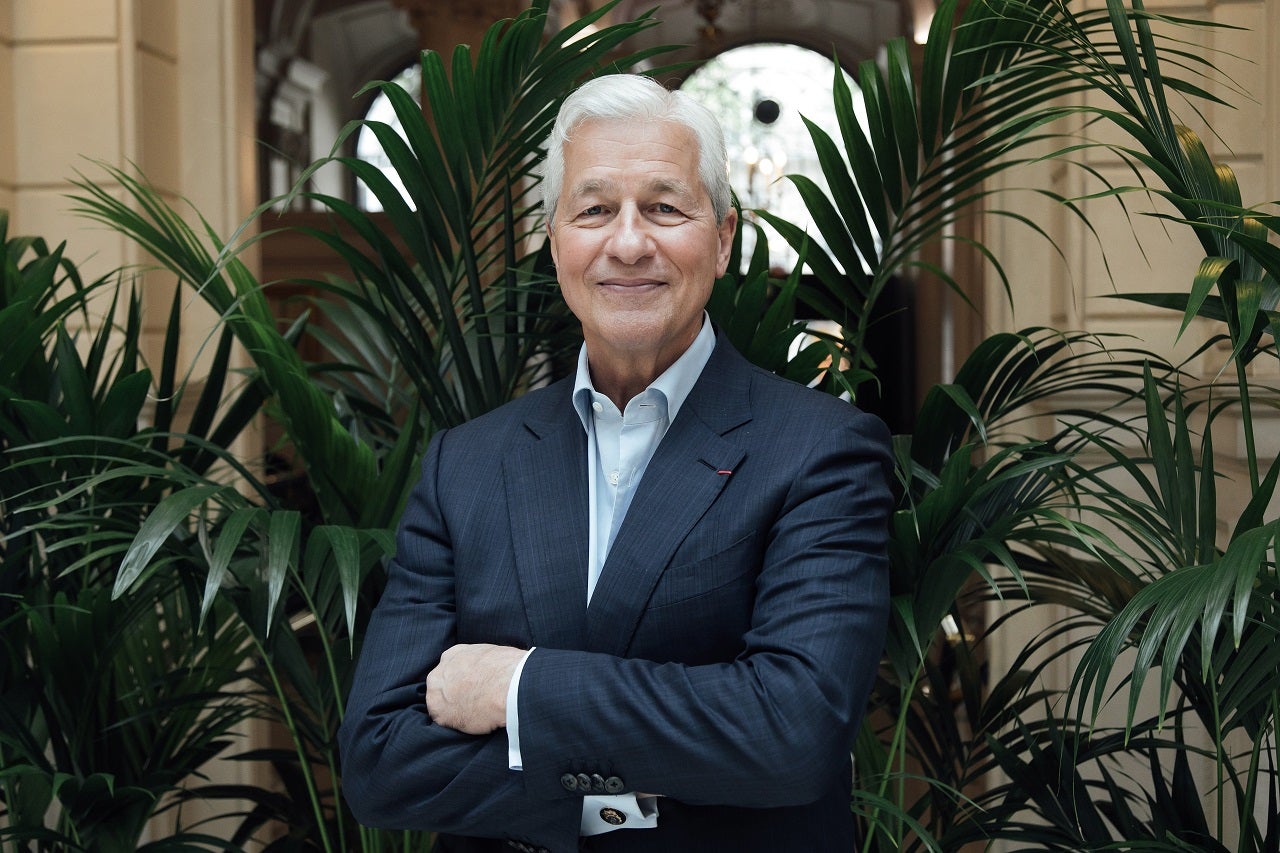
JPMorgan Chase CEO Jamie Dimon stated that the current state of the US banking system is "nothing like '08" and that there is no leverage in the system like there was during the 2008 financial crisis. He also noted that private companies and the banking system are doing well, and recent earnings reports from regional banks have been positive. However, he did mention a couple of banks that are "offsides" on interest rate exposure, including First Republic Bank, which JPMorgan recently acquired. Dimon also warned that rising interest rates could cause issues in the future, but he believes the US is "over this part" of the banking crisis.
JPMorgan Chase is reportedly cutting around 500 jobs across its various departments, affecting employees in consumer, commercial banking, asset and wealth management, technology, and operations. The bank still has over 13,000 open positions. JPMorgan declined to comment on the layoffs. The bank also laid off nearly 1,000 First Republic Bank employees after acquiring the failed bank earlier this month.
About 1,000 employees of First Republic Bank are being laid off after it was seized by regulators and acquired by JP Morgan Chase. The vast majority of First Republic employees were offered jobs by JPMorgan, meaning that about 15% of the bank's employees were laid off. First Republic Bank became the second-largest bank failure in U.S. history, and regulators sold all of its deposits and most of its assets to JPMorgan Chase to restore order after three banks collapsed and threatened to undermine faith in the U.S. banking system.
JP Morgan is cutting around 1,000 jobs, or 15% of the workforce, at First Republic Bank after buying the failed lender earlier this month. The affected employees will receive pay and benefits for 60 days, along with a package which includes a lump sum payment and other benefits. First Citizens, which bought the US unit of another troubled lender, is also planning to cut around 500 roles held by former Silicon Valley Bank workers.
JPMorgan Chase has informed about 1,000 First Republic Bank employees that they will no longer have jobs after acquiring most of the bank's assets earlier this month. The vast majority of employees have been offered a transitional or full-time role, leaving 15% without employment offers. JPMorgan said that employees who have not been offered a role will receive pay and benefits covering 60 days and will be offered a package that includes an additional lump sum as well as continuing benefits coverage and resources to find new opportunities.
JPMorgan Chase & Co has notified almost 1,000 First Republic Bank employees that they will no longer have a job as it integrates the failed lender it bought earlier this month. JPMorgan has offered employment to about 85% of First Republic's almost 7,000 employees for transitional or full-time roles. Temporary positions would last an estimated three months to a year, depending on the job. Employees who have not been offered roles will receive pay and benefits for 60 days and be offered packages that include additional lump sum payments and continuing benefits coverage.
JPMorgan Chase & Co. has informed roughly 1,000 former First Republic Bank employees that they will soon be out of a job, less than a month after acquiring the bank. The company offered jobs to nearly 85% of the workers and provided pay and benefits covering 60 days to those who were not offered a role. First Republic Bank began struggling following the collapse of Silicon Valley Bank and Signature Bank in early March and was widely seen as the bank most likely to collapse next when the Federal Deposit Insurance Corporation (FDIC) accepted JPMorgan's bid to acquire the San Francisco-based lender.
JPMorgan is discontinuing personal credit lines offered by First Republic Bank to its wealthy client base, which was a key way of attracting customers. Clients are being offered the option to transform their revolving credit lines into fixed-term loans at the same rate for a period of up to five years or pay off their credit lines.
First Republic Bank was paying dozens of employees more than $10 million apiece annually before its collapse. JPMorgan Chase & Co agreed to pay $10.6 billion to the FDIC to take control of most of First Republic's assets in a deal to resolve the largest U.S. bank failure since the 2008 financial crisis. Some potential rescuers were surprised by the compensation figures on display when the FDIC granted access to the bank's data room days before the agency's emergency intervention on May 1.
First Republic Bank, which was recently seized and sold to JPMorgan Chase, paid dozens of employees more than $10 million annually before its collapse, with at least one unnamed banker earning over $35 million last year. The bank's incentive system helped drive up compensation for employees to an average of $310,000 apiece last year, more than double the norm at JPMorgan. First Republic's failure left the FDIC's main insurance fund facing a multibillion-dollar hit, and regulators and the Justice Department are now investigating whether anyone working at the firm used inside information to make stock trades as the bank headed for collapse.
More than 40% of First Republic Bank's wealth-management advisors left the struggling bank between the end of February and May 15, with only 11 moving to JPMorgan before the bank's assets were sold to the nation's largest bank. Morgan Stanley picked up 49 of the departing advisors, while 28 went to Rockefeller Capital Management and 19 to Royal Bank of Canada's wealth management arm. The exodus suggests JPMorgan may retain fewer of First Republic's $290bn in wealth management assets than expected, as wealthy investors tend to follow advisors when they jump ship.
JPMorgan's acquisition of First Republic Bank has resulted in a $3 billion contribution to net interest income, $2.6 billion accounting gain, and $200 billion in wealth-management money. The bank's executives noted that First Republic's premium locations cover half of their existing wealth-management clients, providing an opportunity to go up-market.
JPMorgan outlined its growth and spending plans at its 2023 Investor Day on Monday, highlighting challenges such as tech spending, economic headwinds, and cyber attacks. Despite these challenges, the bank continues to spend big, especially on tech, and sees opportunities in its recent acquisition of First Republic Bank. CEO Jamie Dimon also discussed his management style and succession plan during the event.
JPMorgan Chase & Co expects its net interest income to rise to $84 billion from higher interest payments in 2023, increasing an earlier forecast of $81 billion, after it bought First Republic Bank. Integration costs from the deal will add $3.5 billion to its expenses this year, adding to an earlier forecast of $81 billion. The bank also restated its 17% target for return on tangible common equity.