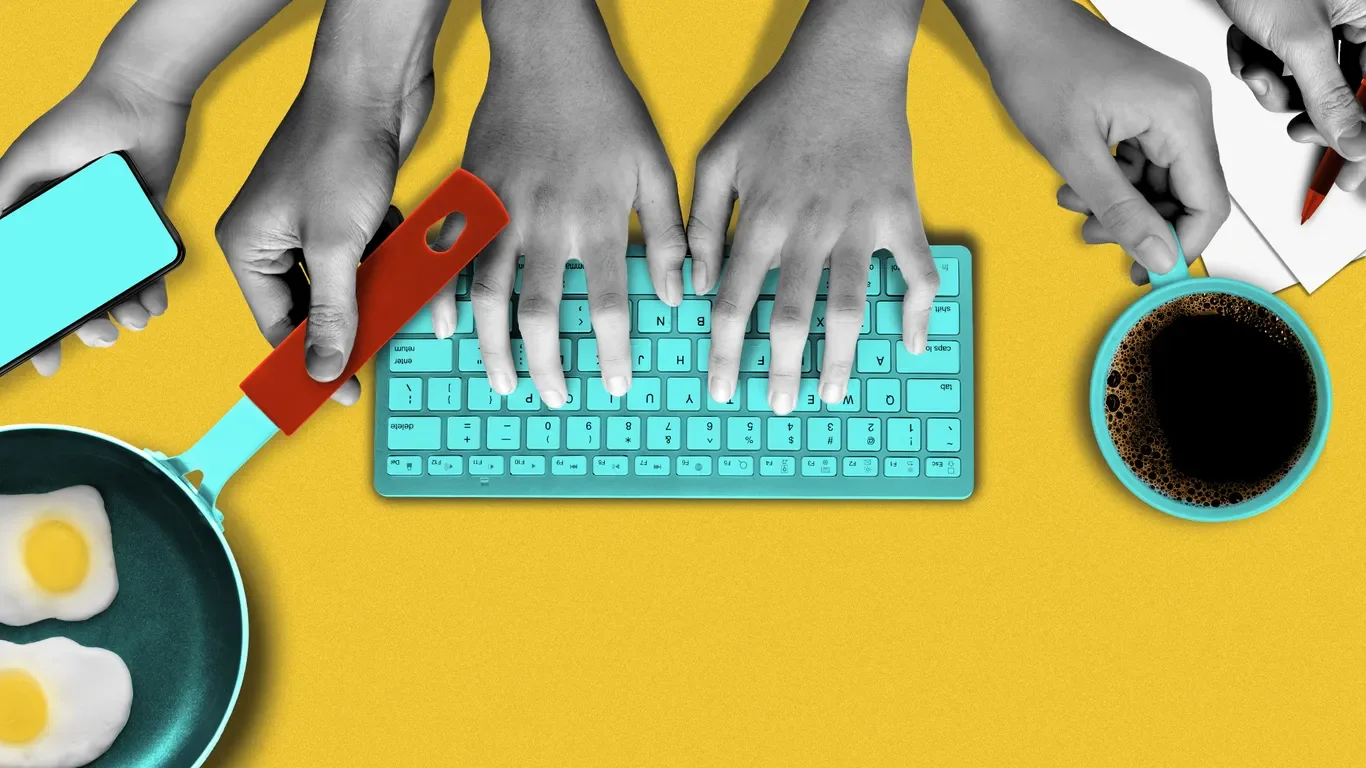
Gen Z is shifting away from quiet quitting towards actively side hustling, with over half engaging in additional work to navigate economic challenges, pursue passions, and redefine success through independence and flexibility, reflecting disillusionment with traditional career paths and leveraging technology to monetize skills.
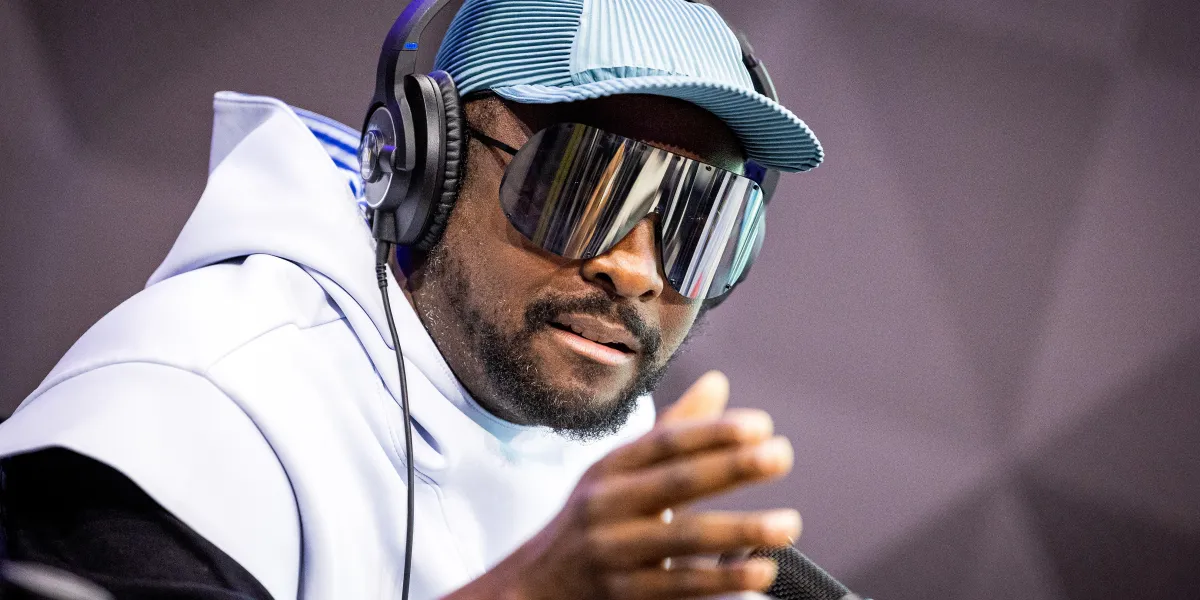
Will.i.am advocates for a 'dream-reality balance' over traditional work-life balance, emphasizing relentless pursuit of personal visions through extended work hours, even sacrificing celebrations, to materialize innovative ideas and success.
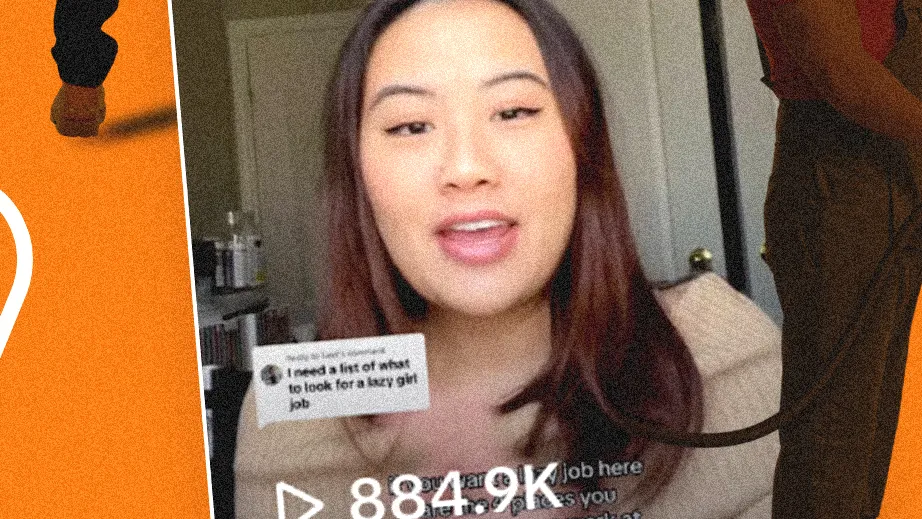
Gen Z is increasingly working multiple jobs and sharing their experiences on TikTok to cope with economic challenges like student debt and high living costs, highlighting a broader trend of financial anxiety and the pursuit of financial independence among young people.
Tech companies are increasingly turning to freelance talent to address skills gaps and meet industry demands, with a 2024 Fiverr survey revealing that Q3 is the most stressful quarter, prompting 89.7% of tech executives to consider hiring freelancers. In-demand high-paying tech skills for freelancers include data science, data modeling, software development, cloud computing, cybersecurity, and artificial intelligence (AI) and machine learning (ML). To stand out, freelancers should focus on developing niche technical skills and consider joining exclusive talent platforms such as Arc, A.Team, Fiverr Pro, Turing, and Toptal.
In 2024, traditional jobs are becoming outdated, leading to a surge in side hustles as a means of financial stability. Some of the top remote side hustle ideas include GMAT tutoring, freelance writing, online marketplaces, virtual assistance, flipping items, career coaching, teaching ESOL, online course creation, app development, and bookkeeping. Specialization and market research are crucial for success in these side hustles, as they help individuals stand out in a competitive freelance market.
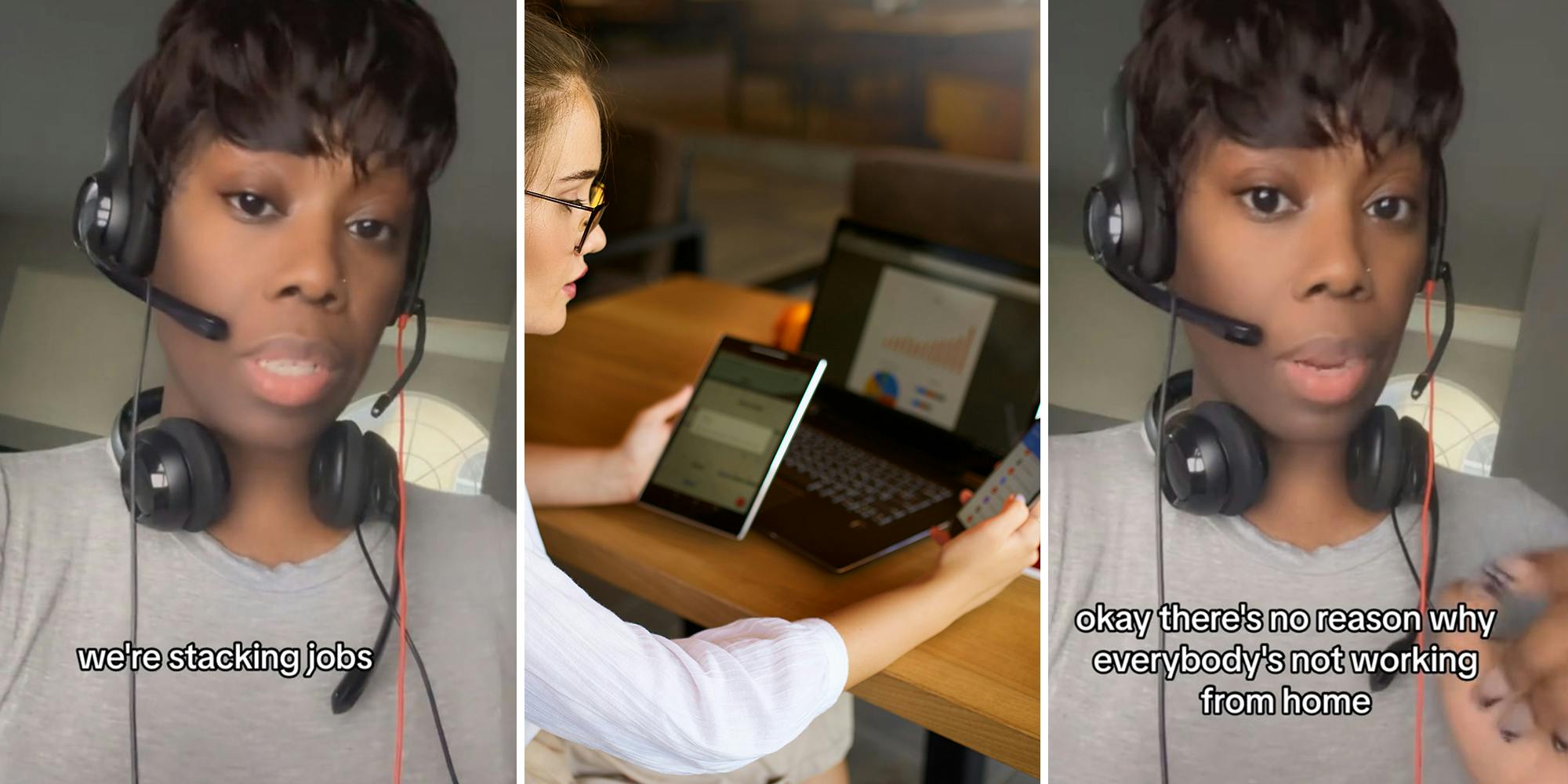
TikToker Tru Jamaican advocates for "stacking jobs," or working for multiple employers at once, to create a sizable income from home, citing the abundance of work-from-home job opportunities. While some express skepticism and stress about the idea, others admire the hustle and express frustration at the difficulty of landing remote positions. The trend reflects a growing interest in side hustles, likely driven by economic challenges such as high inflation and difficulty in purchasing homes.
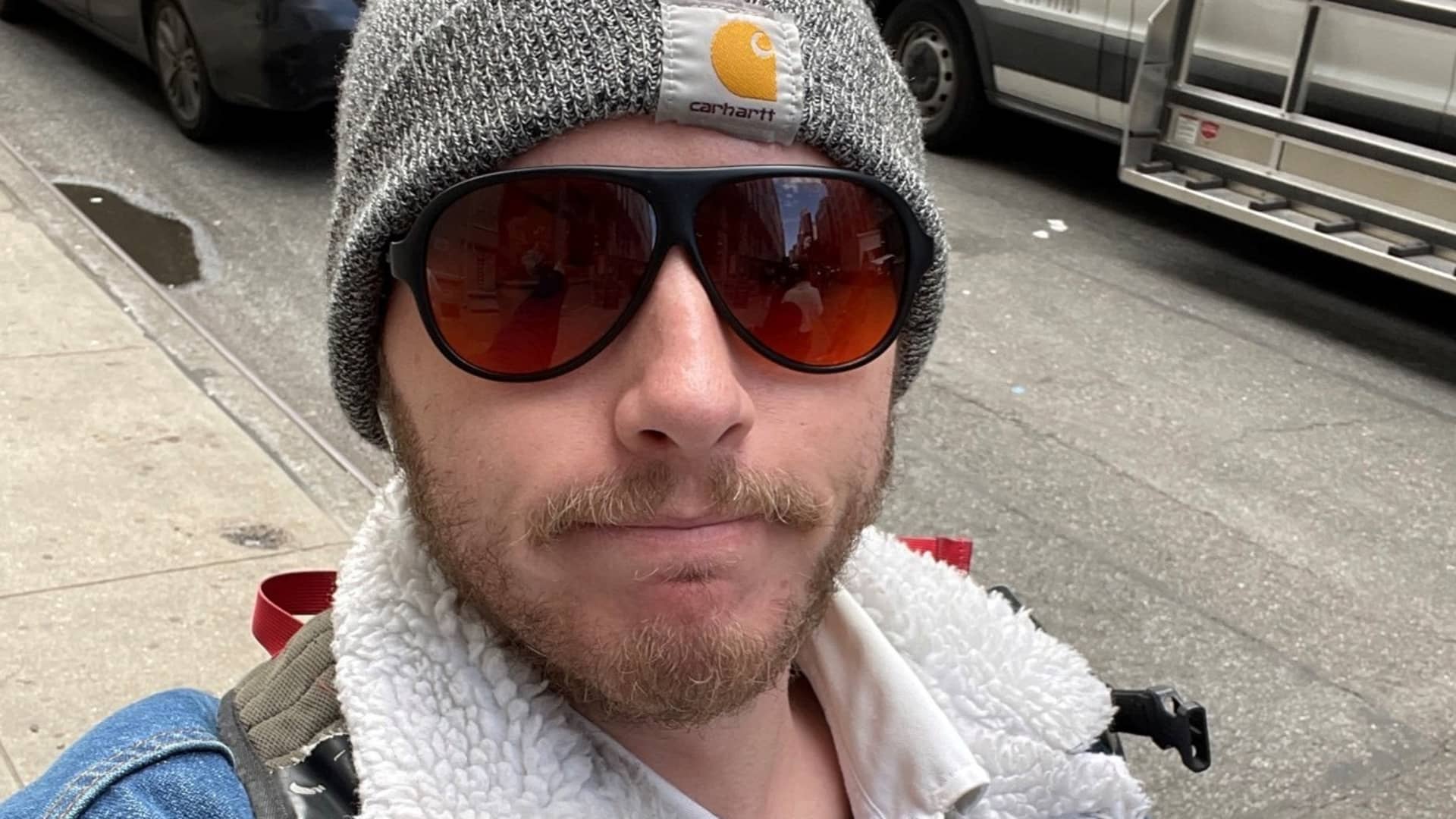
Stand-up comedian Casey James Salengo has been taking on unique side hustles through Taskrabbit, including delivering a birthday fish, standing in line for a clothing sample sale, and more. He made $19 an hour for the line-standing gig, which he says requires "absolutely zero special skills." Salengo recommends Taskrabbit for anyone looking for easy gigs and suggests getting creative with side hustles, such as house helper, pet sitter, and online focus groups.
A broke writer in New York City, who was charging $30 per hour for copywriting services, wrote a slogan for a creative agency called Ready Set Rocket. The writer forgot about the project until they stumbled upon their own words on a billboard for Manhattan Mini Storage. Despite being paid only $45 for the 90-minute project, seeing their work displayed on billboards brought them immense joy.
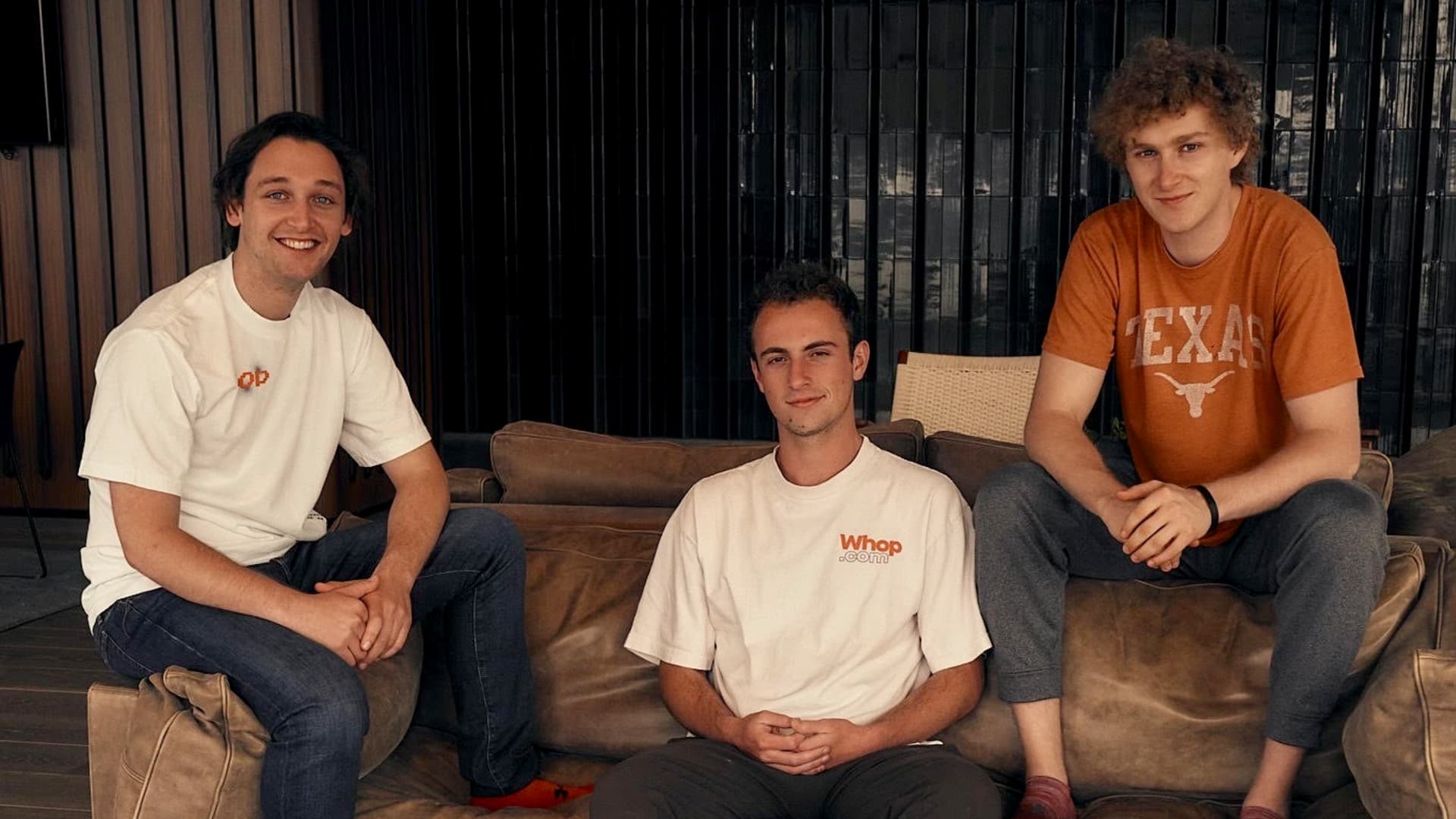
Steven Schwartz, along with co-founders Cameron Zoub and Jack Sharkey, launched tech marketplace Whop, which brings in approximately $354,000 per month. Schwartz's advice for success is to focus on solving a real problem rather than creating something that no one will use. This approach is echoed by billionaire entrepreneur Mark Cuban, who emphasizes the importance of finding solutions and fixing problems. Schwartz and Zoub had previously built sneaker bots and an IT agency, but it was with Whop that they found both financial success and personal fulfillment. The platform addresses the safety concerns of online software sales and provides a reliable place for Schwartz to continue building and selling new software ideas.
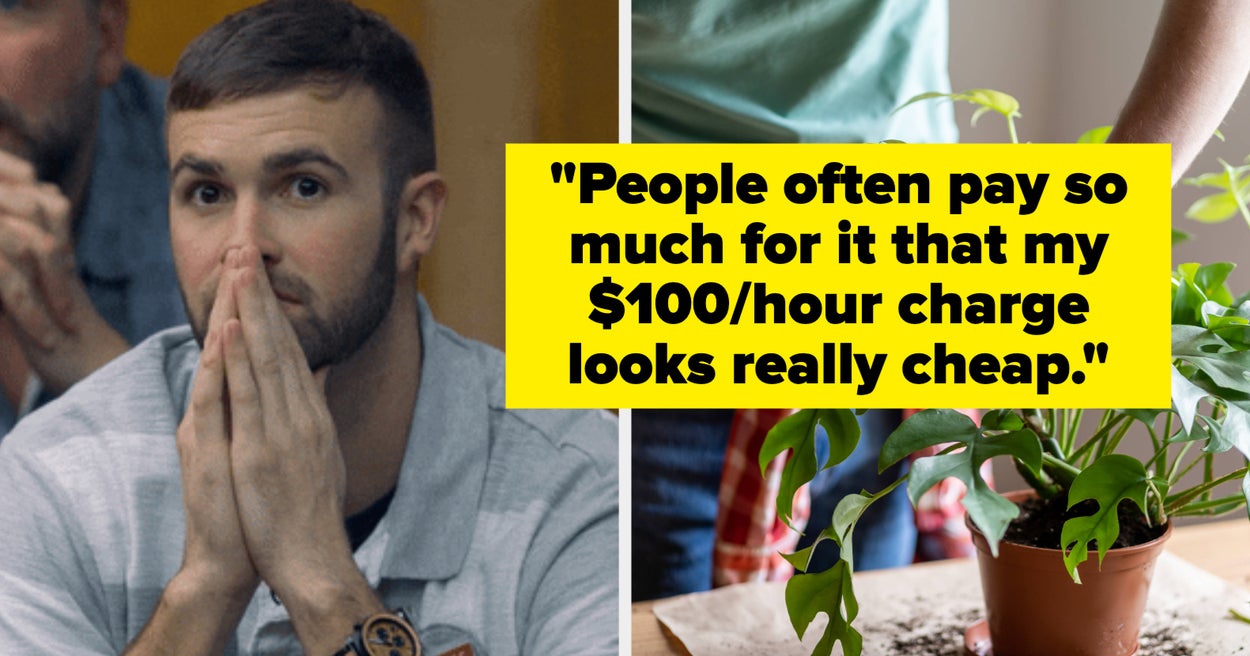
Reddit users shared their unusual side hustles for making extra money, including hosting trivia nights, baking fruitcakes, babysitting overnight, participating in mock juries, selling feeder roaches, selling plant cuttings and seedlings, running a flea market booth, joining class action lawsuits, growing hemp and selling CBD products, teaching English online, valet parking, pet sitting, modeling for art classes, selling vintage items, DJing weddings, transcribing audio, odd jobs, assembling furniture, knife sharpening, selling clothing, and refereeing soccer games.
Many Americans are earning significant amounts of money through online side hustles on platforms like Etsy, Airbnb, TaskRabbit, and Fiverr. However, the downside is that these side hustles can have short shelf lives due to ever-changing algorithms on the platforms. High-earners have reported experiencing impressive highs in profits followed by plateaus or declines, as algorithm shifts can impact their visibility and customer reach. Some have found strategies to stay on top, while others feel powerless on platforms they don't control. The fluctuations in earnings can make it challenging to maintain a stable income, but some individuals have managed to adapt and optimize their gigs to mitigate the impact of algorithm changes.
The trend of turning hobbies into side hustles for extra income has become increasingly popular, with platforms like Etsy and Instagram providing opportunities for monetization. However, the pursuit of profit can often lead to stress, burnout, and the loss of joy in the activity. The pressure to make money from hobbies has resulted in a shift away from leisurely enjoyment and towards productivity. While side hustles can provide financial security and independence, the constant grind culture and the blurring of work-life boundaries have taken a toll on individuals' well-being. It is important to find a balance between monetization and preserving the pleasure and wellness benefits that hobbies once provided.
Ryan, a millennial with a full-time job and two kids, tests side hustles and shares his findings with 100,000 TikTok followers. He recommends user-generated content as a potential side hustle since it can be a low lift. He doesn't recommend trying to start a YouTube channel or voice work if you're looking to make money quickly. Other top side hustles Ryan recommends are hauling junk and being a virtual assistant.
Individuals with ordinary skills have turned them into lucrative side hustles by working for the ultra-wealthy. For example, a travel nanny for billionaires in New York can earn up to $2,000 per day, while a chauffeur for a wealthy financier can earn $1,000 per day. These jobs often involve more than traditional child care or driving, requiring "extraordinary personalities" with patience and a nuanced perception of anticipating a person's needs. While access and luck play a role in securing these gigs, they can provide significant income for those with the right skills and personality.
FlexJobs has identified 25 in-demand side hustles that can be done from home, based on listings from more than 58,000 companies on its platform posted between January and March 2023. These jobs have dozens of active listings and offer remote, part-time opportunities. The most in-demand remote, part-time gigs employers are hiring for are in writing, editing and design. Here are 10 in-demand side hustles that can be done from home, and how much they pay, according to FlexJobs, with salary estimates from Payscale: Writer ($29 per hour), Project manager ($37 per hour), Interpreter ($21 per hour), Editor ($27 per hour), Graphic designer ($24 per hour), Bookkeeper ($19 per hour), Virtual assistant ($17 per hour), Social media manager ($26 per hour), Search engine evaluator ($24 per hour), Executive assistant ($29 per hour). Before taking on a side hustle, assess how much time you can realistically devote to it per week to avoid burnout or overscheduling.