Gen Z is starting to save for retirement, but primarily driven by anxiety about their uncertain future rather than confident financial planning, highlighting a need for better financial education amidst economic challenges.
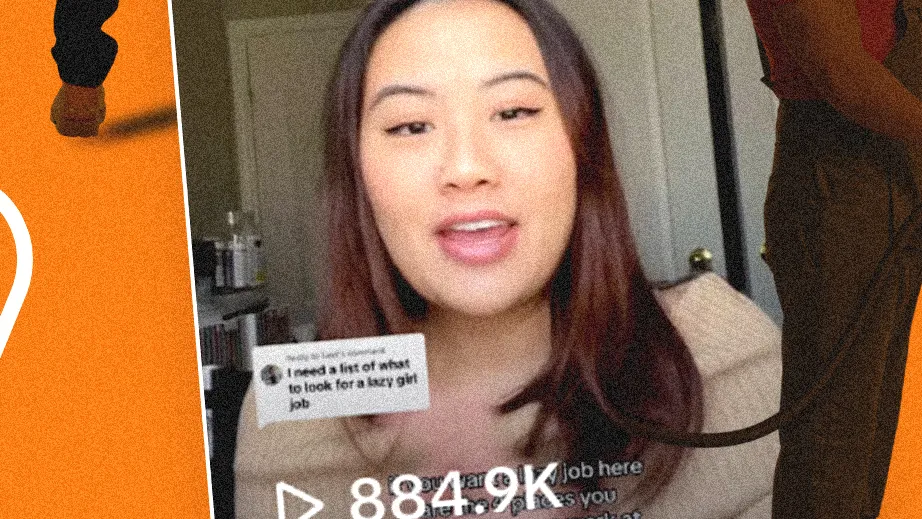
Gen Z is increasingly working multiple jobs and sharing their experiences on TikTok to cope with economic challenges like student debt and high living costs, highlighting a broader trend of financial anxiety and the pursuit of financial independence among young people.
A recent study by Intuit Credit Karma reveals that 27% of Americans engage in 'doom spending' to cope with stress, with higher rates among millennials and Gen Z. This behavior, driven by anxiety from bad news and a constant online presence, leads to impulsive purchases for short-term relief, despite long-term financial risks. Many feel they deserve to treat themselves amid global uncertainties, but experts warn of the negative financial cycle this creates.
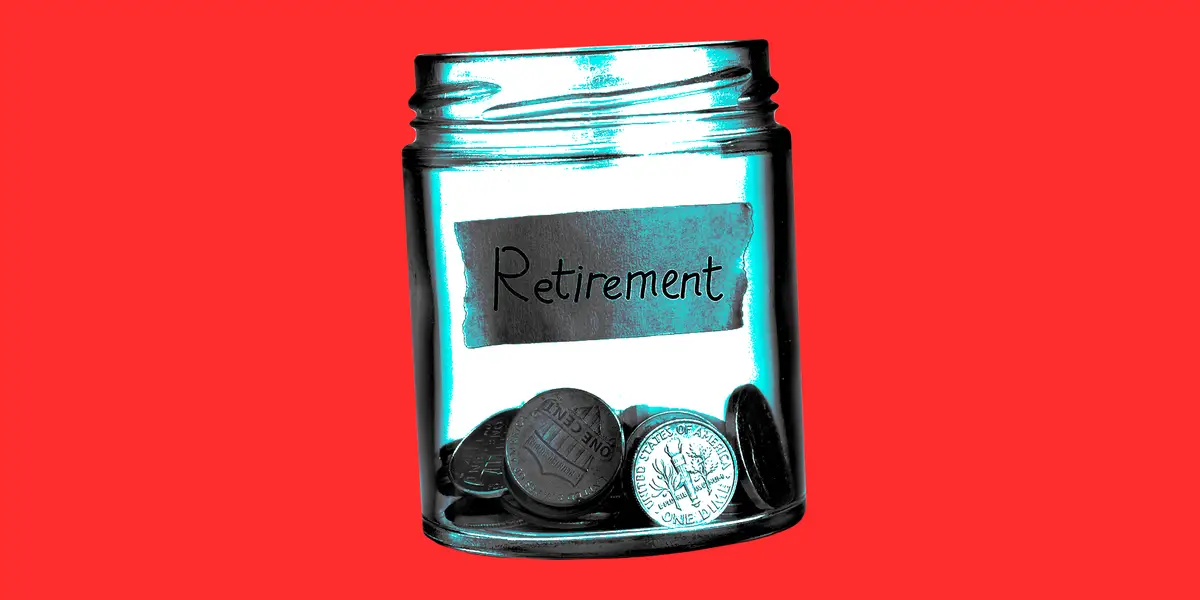
The traditional American retirement dream of leisure and financial security has turned into a source of anxiety for many, with concerns about inadequate savings, uncertain government support, and emotional challenges. The shift from pensions to 401(k)s has placed the burden of retirement savings on individuals, leading to widespread worry about financial stability in old age. Experts advise early and careful saving, investment, and political engagement to navigate the evolving retirement landscape.
Financial uncertainty is causing intense worry and depression among millennials, with 54% reporting that financial anxiety is making them depressed. This is higher than Gen Z (47%) and boomers (20%). Factors contributing to this anxiety include high debt loads, previous recessions, and the impact of climate change. The COVID-19 pandemic has further exacerbated these concerns. Younger generations have had less time to build savings and face challenges such as inflation and housing costs. Experts recommend acknowledging emotions, seeking therapy, and being realistic with budgets. However, there is hope as millennials and Gen Z are starting to save and invest earlier, which can help build a safety net over time.