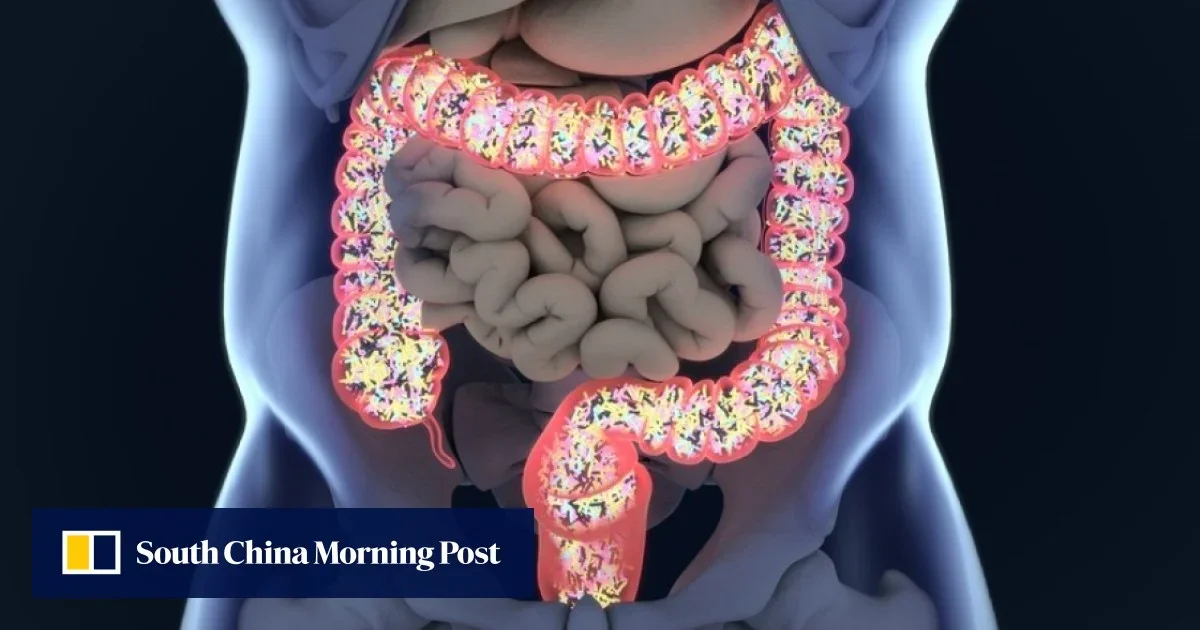
Protecting and improving your gut microbiome, a diverse community of bacteria, fungi, and viruses in the gut, is crucial for digestive health, vitamin synthesis, and maintaining the intestinal barrier, with benefits extending beyond digestion.
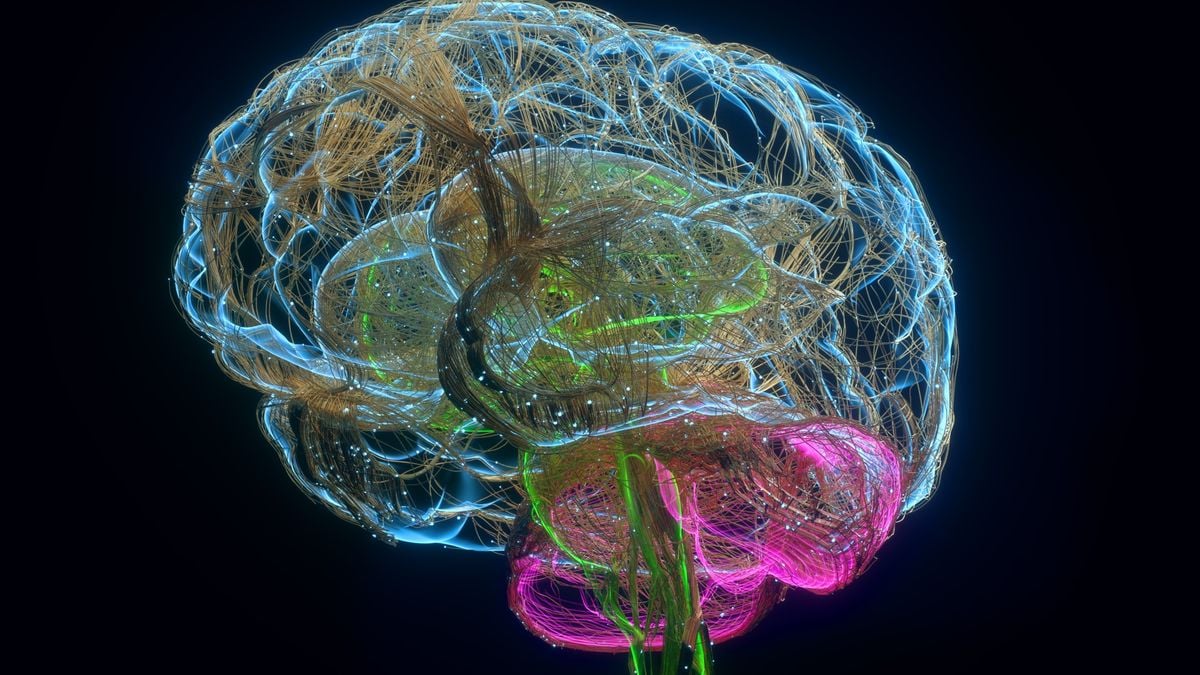
A new study suggests that the gut microbiome may have played a crucial role in the evolution of larger brains in primates, including humans. Researchers found that gut microbes from larger-brained primates, such as humans and squirrel monkeys, helped convert food into energy for the brain more efficiently than those from smaller-brained primates. This process may have driven hosts to consume more food, channeling excess energy to the brain. However, the study, conducted on mice, requires further research to confirm these findings and understand the exact mechanisms involved.
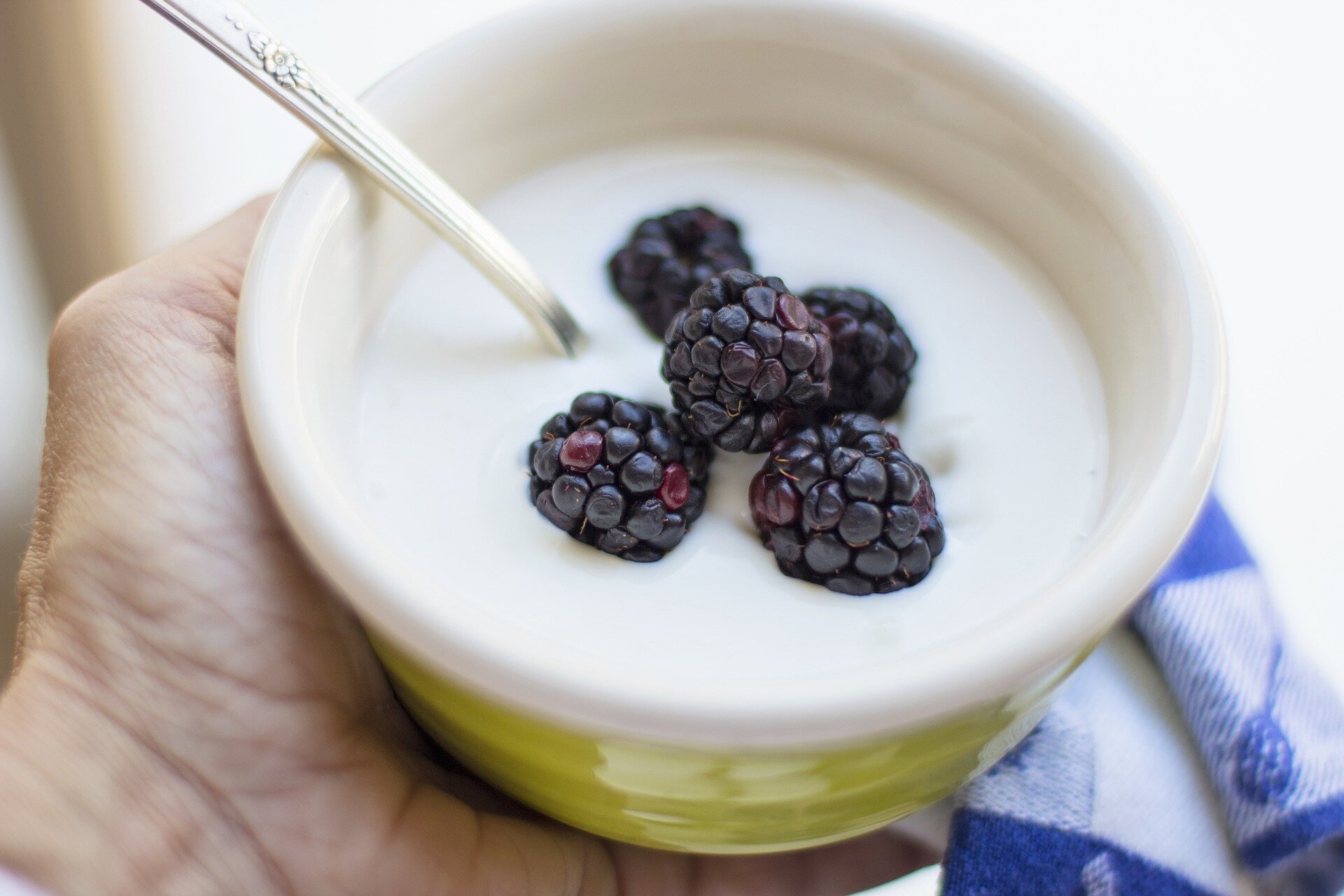
Postbiotics are the metabolites generated after the digestion of prebiotics and fiber-rich compounds by probiotics and our gut's resident microbiota. They can provide similar benefits to probiotics and prebiotics without any side effects. Postbiotics can shift our gut microbiome towards a healthy composition, stimulate our immune system, and lower the risk of colon cancer. Consuming probiotic-containing foods like yogurt and sauerkraut and prebiotic-rich plant foods can help harness the benefits of postbiotics.
Researchers at the Technical University of Munich have found that gut bacteria play a crucial role in the liver's regenerative capacity. Short-chain fatty acids produced by gut bacteria are essential for liver cell growth and division. Antibiotics disrupt the microbiome and delay liver regeneration. The study suggests that physicians could examine patients' gut bacteria to determine whether conditions are favorable for surgery or whether it is better to wait for the microbiome to recover.