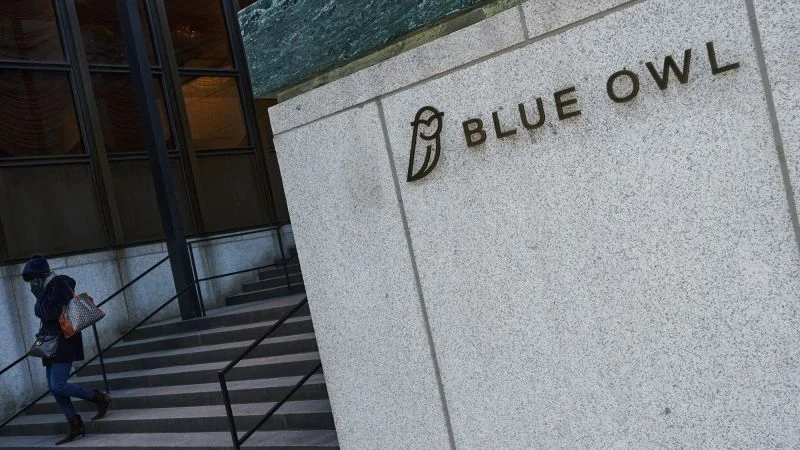
The collapse of two US private credit firms highlights the sector's rapid growth, risks, and regulatory challenges, raising concerns about financial stability and transparency in an industry that has become a significant part of the global economy.
The U.S. Department of the Treasury has imposed sanctions on Iranian financial facilitators and entities in Hong Kong and the UAE for supporting Iran's military and terrorist activities, including funding the IRGC-Qods Force and MODAFL through shadow banking networks, cryptocurrency, and front companies, aiming to disrupt Iran's weapons programs and regional influence.
Chinese leaders sought a quick resolution for Zhongzhi Enterprise Group Co. after its collapse, opting for bankruptcy within three months of its default on wealth products, in a bid to limit the impact on financial markets and contain financial risks amidst economic struggles.
Zhongzhi Enterprise Group, a Chinese shadow banking conglomerate, has filed for bankruptcy liquidation due to its inability to repay debt amidst a deepening real estate crisis in the country. The company's collapse could impact market confidence and renew concerns over the trust industry, potentially having broader implications for the ailing real estate industry. China's government has been trying to limit the rapid growth of non-bank debt issued by shadow banks, and the country's property sector has been caught in the middle of a crackdown on shadow banking. The broader CSI 300 index fell 1.2% by early afternoon trading, weighed down by property stocks, and analysts warn of potential further trust loan defaults as the debt crisis in the property market continues.
Chinese authorities have taken "criminal coercive measures" against employees of Zhongzhi Enterprise, one of China's largest shadow lenders, as the company struggles to fulfill promised payments to investors. Zhongzhi, a privately held conglomerate, sold investment products to wealthy individuals and companies in China. The arrests are part of China's efforts to contain the growing financial troubles in the shadow banking sector.
Zhongzhi, a major Chinese asset and wealth management company in the shadow banking sector, has admitted a shortfall of nearly £30bn and warned investors of its "severe insolvency." The company attributed the crisis to the departure of senior executives, which led to "internal management running wild." Zhongzhi's troubles highlight concerns about contagion in China's economy, particularly in the property market, which has faced a liquidity crisis due to strict debt limits. While some analysts expect government intervention to prevent the spread of Zhongzhi's troubles, others believe a bailout is unlikely as the trust industry represents a small portion of the financial system and most of Zhongzhi's creditors are wealthy individual investors.
The fallout from China's property market is spreading to the shadow banking sector, leaving investors with limited options. As the property market cools down, developers are facing difficulties in repaying their debts, which in turn is impacting the shadow banking sector. This has led to a decrease in lending and an increase in risk for investors. With limited options available, investors are left grappling with the consequences of the property market's downturn.
Zhongzhi Enterprise Group, a major wealth manager in China, has informed investors that it is heavily insolvent with liabilities of up to $64 billion, raising concerns about the spillover of the country's property debt crisis into the broader financial sector. The firm, which has significant exposure to China's real estate sector, apologized to investors in a letter, stating that its liabilities far exceed its estimated total assets. Zhongzhi's troubles are expected to reignite worries about contagion, although regulators are anticipated to intervene to prevent a wider fallout. The company's financial difficulties highlight the risks associated with China's highly indebted property sector and its shadow banking system.
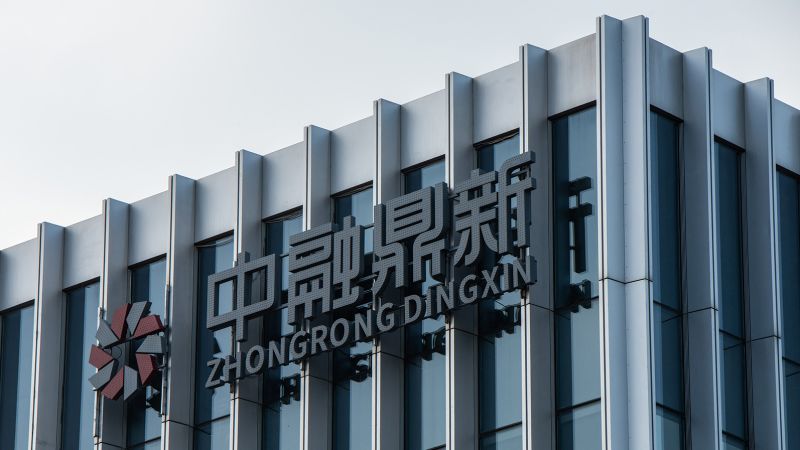
China's shadow-banking industry, particularly the trust industry, is facing significant challenges as weak economic growth and a wave of defaults in the property sector threaten the financial system. Xinhua Trust, the first Chinese trust to go bankrupt in over two decades, is selling its assets at discounted prices, signaling the troubles faced by the industry. Zhongrong, one of China's largest trusts, has also missed payments to clients, raising concerns of further collapses and economic problems. The interconnectedness between trusts, local governments, developers, and larger financial firms has spooked investors and contributed to the poor performance of the Chinese stock market. Policymakers are aware of the risks and have implemented regulatory measures, but the extent of the industry's connections and challenges may pose difficulties in resolving the situation.
Global strategist Chris Wood of Jefferies has warned of a potential 'real Lehman moment' in China's banking crisis, citing the recent failure of Chinese asset manager Zhongzhi Enterprise to fulfill interest payments on its wealth management products. Wood cautions that if property sales continue to drop, it could add further financial strain on private sector developers, exacerbating the crisis. He also highlights the deceptive allure of Chinese equities, characterizing them as a value trap. Wood contrasts the situation with Evergrande, stating that its problems were induced by authorities, unlike a true 'Lehman moment.' The challenges faced by China's real estate industry, dampened entrepreneurial zeal, and confidence blow to property-owning middle-class citizens raise questions about lasting damage to China's command economy model. Wood advises a strategy involving investment in a dividend index and longer-term government bonds for those concerned about a 'balance sheet recession' in China.
Zhongrong Trust, a major Chinese investment trust managing $87 billion worth of funds, has missed payments to corporate investors, raising concerns about a potential financial crisis in China's property market. The missed payments exceeded $15 million, and several companies have reported the non-payment of interest and principal on investment products. Zhongrong Trust is part of China's "shadow banking" industry, which provides high returns to investors outside the formal banking system. The company is linked to the Zhongzhi Group, one of China's largest private conglomerates. The missed payments have sparked panic among investors and renewed concerns about the quality of Chinese banks, but analysts believe the risks of a wider financial crisis are limited.
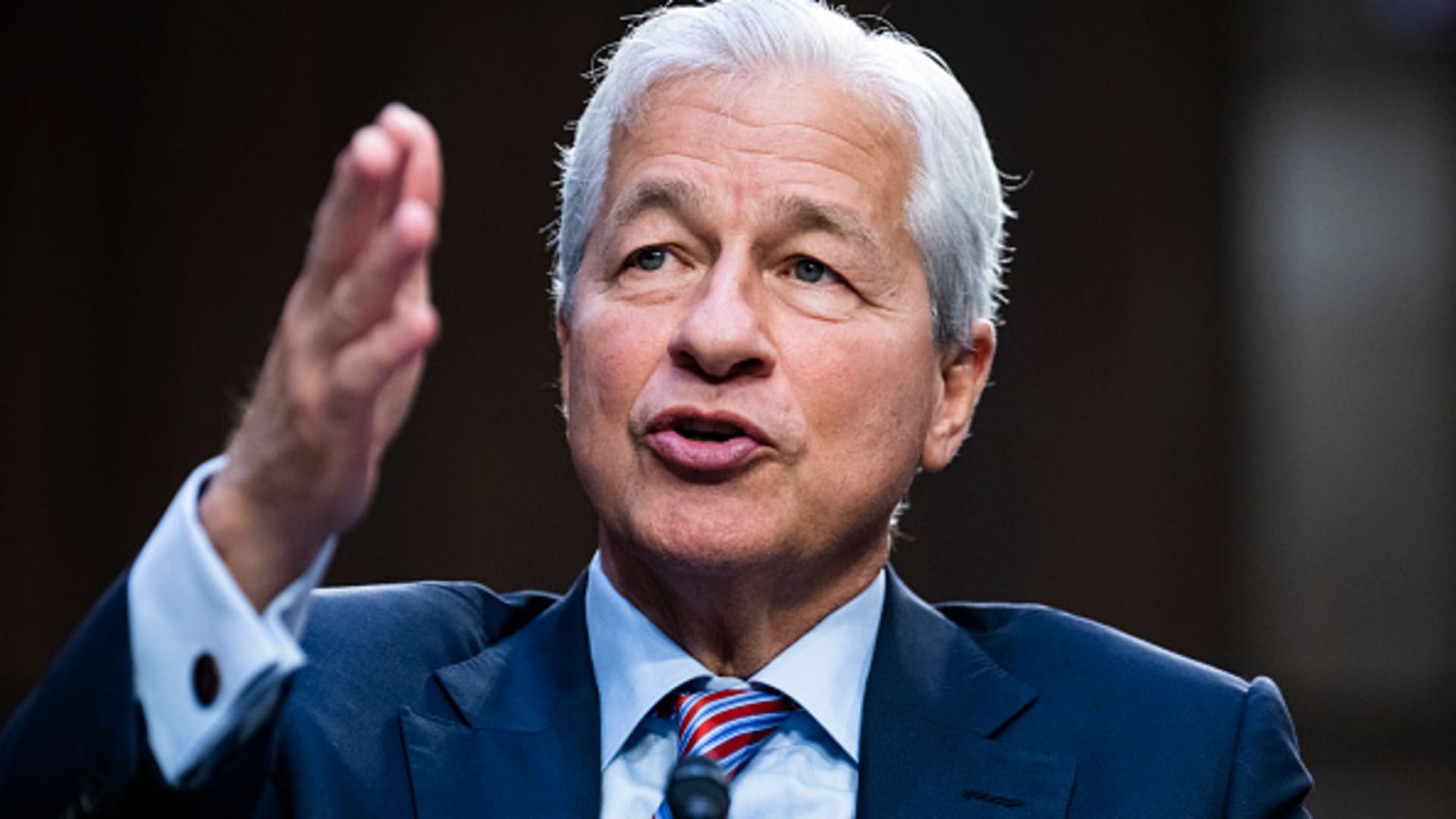
JPMorgan Chase CEO Jamie Dimon warned that tougher bank regulations proposed by Federal Reserve Vice Chair for Supervision Michael Barr would benefit hedge funds and private equity giants like Apollo and Blackstone, who would "dance in the streets" as banks face higher capital requirements. The increased regulations could lead to higher costs for consumers and businesses, and some banks may be forced to exit certain businesses altogether. This could further contribute to the rise of non-bank players in the "shadow banking" industry, which operates with lower federal scrutiny than traditional banks.
Reggie Fowler, former co-owner of the Minnesota Vikings, has been sentenced to six years in prison for operating as a "shadow bank" to the crypto sector, involving over $700 million in unregulated transactions over a 10-month timespan in 2018. Fowler was sentenced to a total of 75 months on bank fraud and money laundering charges. He managed to pull off his crimes by establishing Global Trading Solutions (GTS) around February 2018, which worked with Crypto Capital and other crypto firms operating out of Israel. Fowler opened a dozen of these accounts to facilitate these crypto transactions without the banks' knowledge and failed to disclose GTS's relationship with the crypto firms.
The recent failures of three banks are likely to lead to a cutback in lending that will slow growth, maybe to a halt. More money is flowing out of traditional banks and into other institutions that comprise the "shadow banking" system. Mid-market firms could get squeezed by rising rates and falling asset values, just as those three regional banks did. There’s a loose consensus that markets have not priced in the disruption that might be coming as debt-ceiling bargaining goes down to the wire this summer. Inflation is on everybody’s mind, as it has been for the last 18 months.
US Treasury Secretary Janet Yellen has called for a re-examination of banking regulation and supervisory rules in the wake of the recent failures of Silicon Valley Bank and Signature Bank. Yellen also called for stronger regulation of the growing non-bank, or "shadow bank", sector, including money market funds, hedge funds, and crypto assets. She expressed concerns about the use of leverage by some hedge funds and the potential for systemic risks from digital assets, particularly stablecoins. Yellen also warned of the financial risk of a failure by Congress to raise the debt limit, leading to a default on US obligations.