The article discusses the controversial practice of conversion therapy within the Catholic context, highlighting personal stories like Simon Fung's failed attempt to change his sexual orientation, the evolving professional and legal debates surrounding the practice, and the differing perspectives among Catholic and mental health professionals on its efficacy and ethical implications, especially in light of ongoing legal cases like Chiles v. Salazar.
A study published in the Archives of Sexual Behavior suggests that a person's gender has a greater influence on their preferences for a long-term partner than their sexual orientation. The research, which included a diverse sample of lesbian, gay, bisexual, and heterosexual individuals, found that certain attributes such as wealth, physical attractiveness, enlightenment, and caring were universally valued across sexual orientations. However, gender emerged as the most critical factor shaping partner preferences. Women showed a higher preference for partners who are caring, enlightened, wealthy, generous, adventurous, cultivated, comedic, and like-minded, while men showed a higher preference for a physically attractive partner and a domestic partner. The study highlights the need for more comprehensive research on mate selection preferences across different sexual orientations.
The Florida Department of Education has effectively banned the teaching of AP Psychology by prohibiting the inclusion of content related to sexual orientation and gender identity. The College Board has criticized this decision, stating that any course without the required content cannot carry the "Advanced Placement" designation. The exclusion of these topics from the curriculum could pose issues for college admissions, scholarships, and credit recognition for the more than 28,000 Florida students taking the course. School districts are working to identify alternative options for students, such as replacing AP Psychology with AP Seminar.
The Twins Days Festival in Twinsburg, Ohio, is the largest gathering of twins in the world, highlighting the increasing number of twin births in the United States. Twin studies provide valuable biological information for geneticists, helping them understand diseases, eating disorders, obesity, sexual orientation, and psychological traits. Identical twins share 99.99% of their DNA, making them ideal for studying the impact of genes and the environment on traits. Scott Kelly's year in space altered his genes, changing his DNA expression, immune system, bone formation, and eyesight. Studies suggest that heredity plays a significant role in determining sexual orientation, with genetics outweighing other influences such as parenting and environment.
A study published in the Journal of Sex Research found that people are unable to determine if a man identifies as bisexual based on his voice alone. However, when listening to the voices of gay, straight, and bisexual men, participants perceived bisexual men as the most masculine. This research sheds light on the often overlooked bisexuality and its erasure in discussions about sexual orientation. The study highlights the need for further research to explore the perceptual voice and speech features that allow listeners to identify gay and bisexual men's voices accurately.
The College Board rejected Florida's request to modify "gender identity and sexual orientation" content in an Advanced Placement Psychology course, citing that doing so would break the fundamental promise of AP. The request was made by the Florida Department of Education Office of Articulation, which had asked the College Board to audit and potentially modify AP courses relative to the new Florida laws that restrict classroom instruction on sexual orientation and gender identity. The College Board stated that the learning objective within AP Psychology that covers gender and sexual orientation must remain a required topic, just as it has been in Florida for many years.
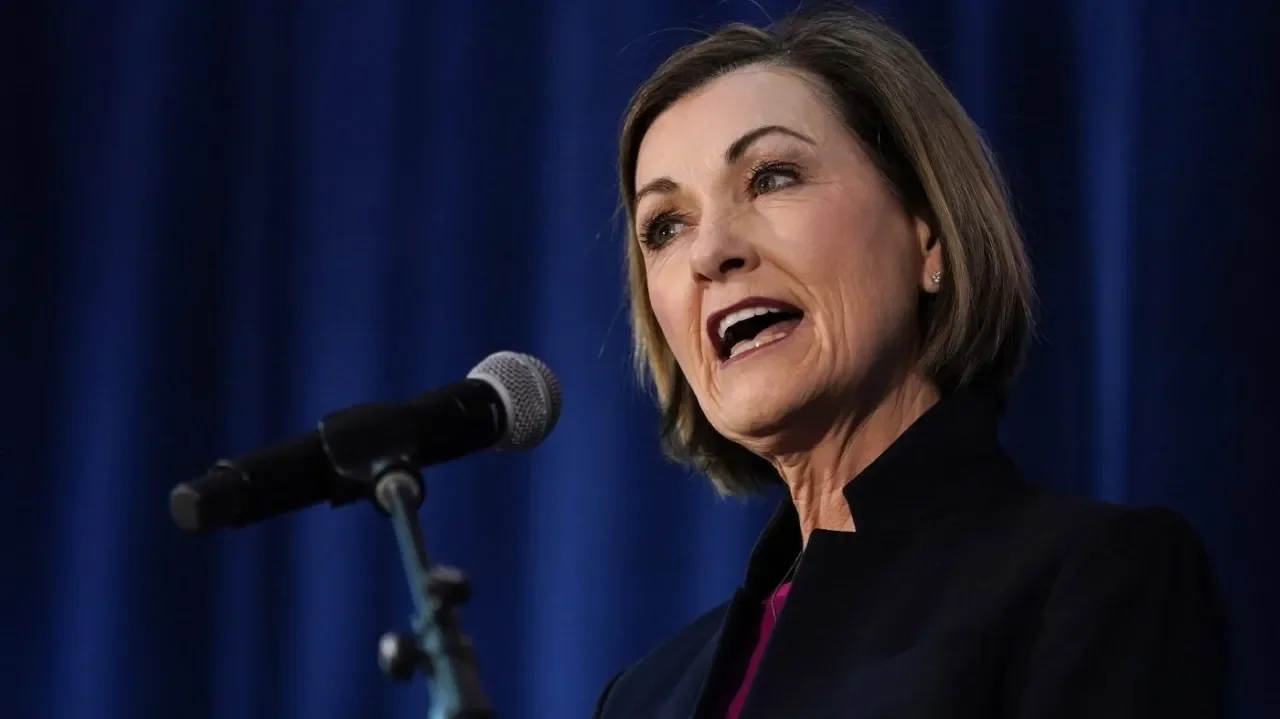
Iowa Governor Kim Reynolds signed a bill into law that restricts lessons on gender identity and sexual orientation in schools from kindergarten through sixth grade. The law bans teachers from raising issues of sexual orientation and gender identity in class through grade six and orders the removal of all books depicting sexual acts from school libraries. The law also requires school administrators to notify parents if a student requests to have their pronouns or names used in school changed. Democrats and LGBTQ groups said the law will prevent students from being able to be open with teachers about their own sexual orientation and gender identity and see their own experiences reflected in materials.
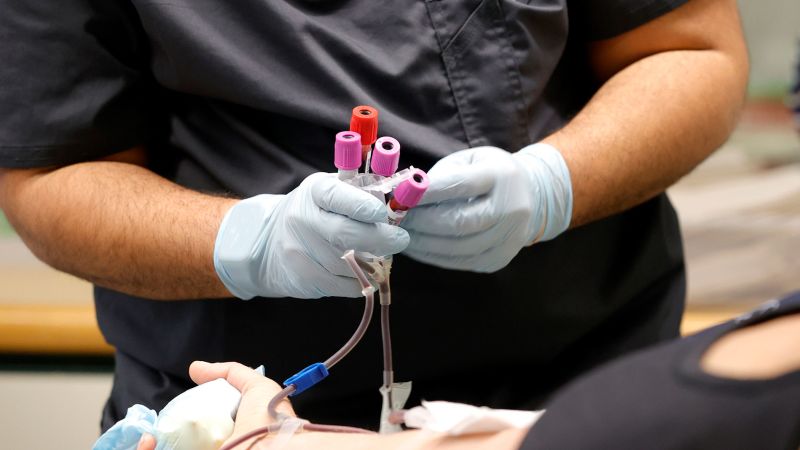
The FDA has finalized new risk-based rules for blood donation, which will ask all donors the same set of questions regardless of their sexual orientation. The new rules require all prospective donors who report having a new sexual partner, or more than one sexual partner in the last three months, and anal sex in the past three months to defer donations to reduce the likelihood of donations by individuals with new or recent HIV infection. This paves the way for more gay and bisexual men to donate blood.
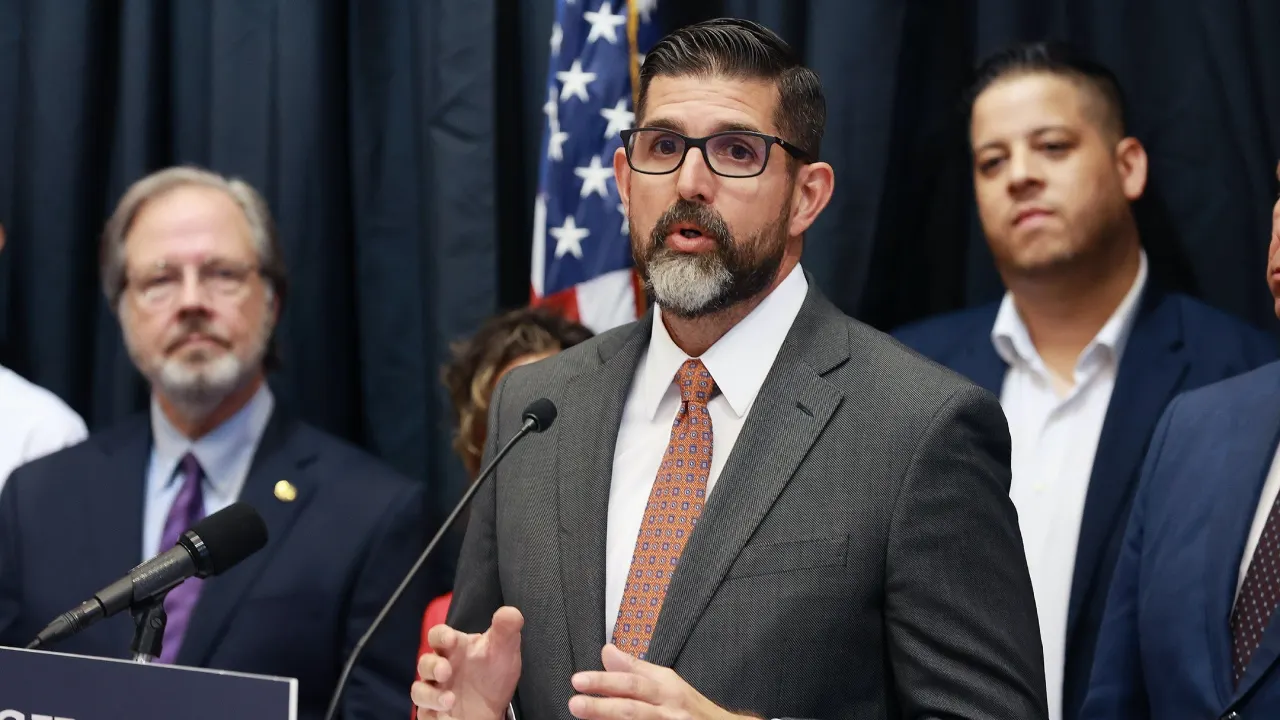
The Florida Board of Education has expanded restrictions on classroom instruction related to sexual orientation and gender identity, prohibiting instruction on these topics for students in pre-kindergarten through Grade 3 and limiting it for Grades 4 through 12 unless expressly required by state academic standards or part of a reproductive health course or health lesson. Critics argue that the rule would make it impossible to do much instruction at all, while supporters argue that there is no reason for instruction on sexual orientation or gender identity to be part of K-12 public education.
A proposed rule by the Florida Board of Education could expand restrictions on classroom instruction related to sexual orientation and gender identity for grades 4 through 12, unless expressly required by state academic standards or part of a reproductive health course. This builds on the "Don't Say Gay" law signed by Florida Governor Ron DeSantis in March 2022, which bans classroom instruction on sexual orientation or gender identity in kindergarten through third grade. Critics say the proposed rule would make it impossible to provide adequate instruction on these topics, and it coincides with other legislation being considered in the state legislature.