Nvidia's stock rose amid relief over US chip tariff exemptions, with the company likely to avoid tariffs due to its domestic manufacturing commitments and key partnerships, boosting investor confidence in the semiconductor sector.
Arm Holdings aims to capture over 50% of the Windows PC market within five years, driven by Microsoft's plans to launch AI-enhanced PCs using Arm's technology. Despite a recent 5% gain, Arm's stock traded 1% lower on Tuesday. Analysts are optimistic about Arm's potential in AI and datacenter markets, with CEO Rene Haas targeting 100 billion AI-ready devices by 2025.
Fundstrat Global Advisors' Mark Newton believes that despite a recent slowdown, Nvidia's stock performance remains impressive, with potential for further gains as he anticipates a temporary period of consolidation before a push higher. He also notes the broadening of market performance beyond tech, the lack of indiscriminate buying, and the relatively low stock market valuation. Additionally, he discusses the positive trends in the semiconductor sector and shares optimism for Tesla's stock bottoming out.
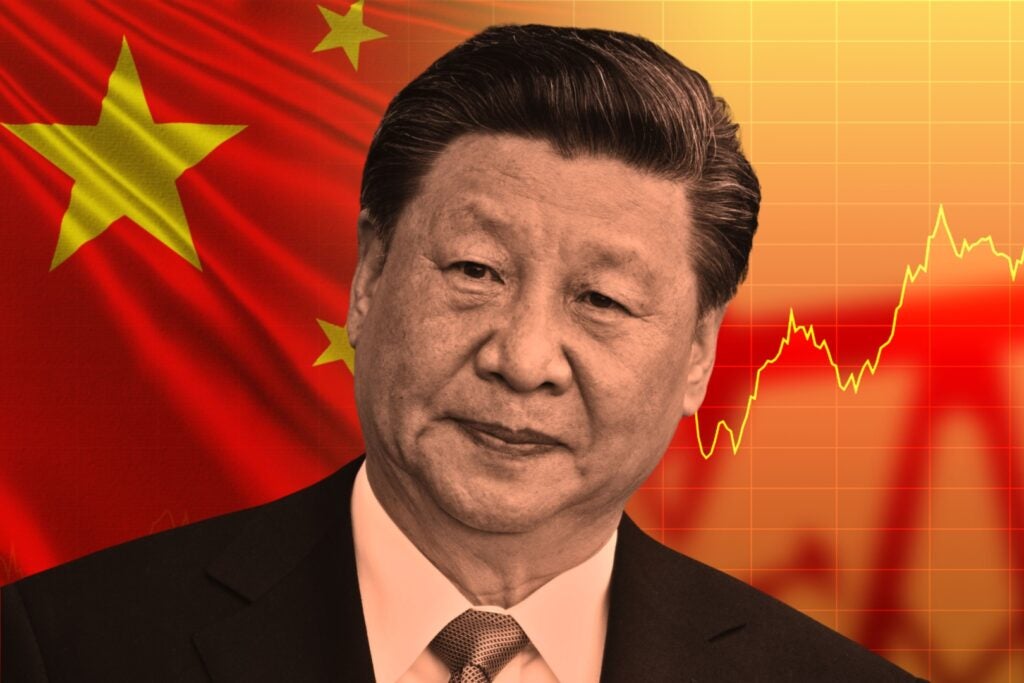
Chinese President Xi Jinping met with U.S. CEOs, providing "tough answers" on the economy, Sino-U.S. relations, Taiwan, Thucydides Trap, and China's governance. Xi extolled the Chinese economy, expressed confidence in addressing challenges, and criticized U.S. efforts to constrain it. He warned against the Thucydides Trap and emphasized China's governance structure. The meeting reflects China's commitment to centralize the economy, with citizens divesting ostentatious items and trying to move money out of the country. Xi desires to mend strained U.S. relations but recognizes the relationship may never return to "old ways."

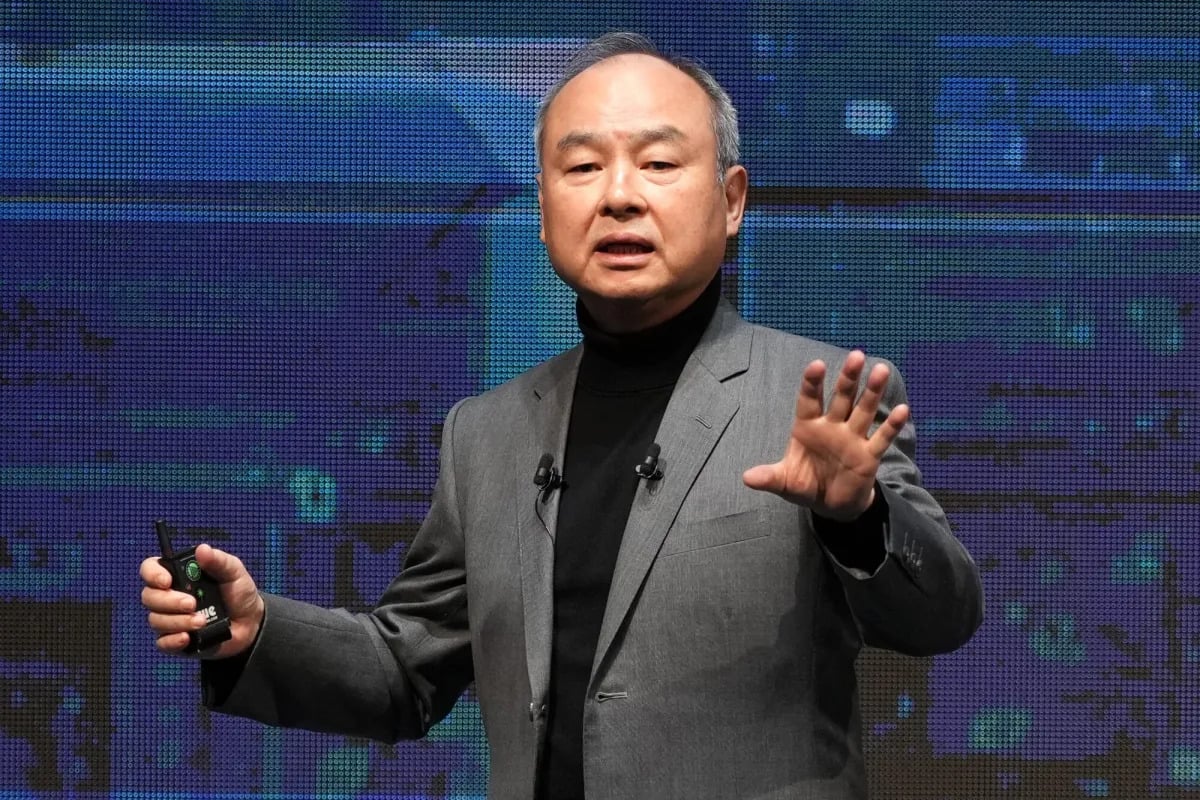
SoftBank is reportedly considering a $100 billion AI chip venture, with $30 billion coming from the company and $70 billion from Middle Eastern institutions. The venture, codenamed Izanagi, aims to rival Nvidia and is a sign of SoftBank's shift from funding startups to focusing on semiconductors. The company's share price rose nearly 5% following the news. Additionally, the Biden administration is providing substantial subsidies under the 2022 CHIPS Act to stimulate semiconductor manufacturing in the U.S., with companies like GlobalFoundries and Intel potentially receiving billions in support.
Retail investors are shifting their focus from crypto stocks to the semiconductor sector, particularly chip stocks, as they search for opportunities among Nvidia's competitors. Advanced Micro Devices (AMD) has been leading the charge, with its shares experiencing record inflows and gaining 100% in 2023. If the momentum in semiconductor stocks continues, individual traders may make AMD their new top pick to close the gap with Nvidia, which has seen a 172% gain in 2023. Other chip names like Broadcom are also seeing increased retail appetite, but there is a caution about heightened volatility due to a surge in out-of-the-money option call turnover.
Shares of Analog Devices, a chip manufacturer, are sinking after the company provided disappointing guidance, causing concerns in the semiconductor sector.
China's announcement to curb exports of gallium and germanium, both critical metals used in various high-tech applications including silicon chips, highlights the escalating global competition for critical minerals and metals. This move is seen as a response to the U.S. Chips Act and increasing pressure on U.S. allies to restrict sales of sensitive microchip technology to China. While export controls will disrupt gallium and germanium markets in the short term, Western countries are expected to adapt over time. However, concerns remain about potential future restrictions on other critical metals, as China's dominance in the supply chain poses a significant challenge for the West's high-tech industrial base.
The US has reportedly asked South Korea to urge its chipmakers, Samsung Electronics and SK Hynix, not to fill any market gap in China if Beijing bans memory chipmaker Micron Technology from selling chips. The request was made ahead of South Korean President Yoon Suk-yeol's visit to the US for a summit with President Joe Biden. The US has imposed export controls on chipmaking technology to China for fear it could be used to produce chips for military applications.