The Netherlands' seizure of Chinese semiconductor company Nexperia has heightened fears of a repeat of pandemic-era chip shortages in the European car industry amid ongoing tensions in the Netherlands-China chip war.
The Biden administration is considering new restrictions on exports of artificial-intelligence (AI) chips to China, which could further hinder China's ability to develop its AI capabilities. In response, China has retaliated by imposing export controls on gallium and germanium, metals used in semiconductor production. This move is seen as a countermeasure in the ongoing US-China tech fight. Analysts warn that if China escalates its threat, the market reaction could become more significant. The Department of Energy has identified gallium and germanium as critical materials, and China is a major producer of both.
Nvidia's stock is experiencing a decline due to the ongoing chip war between the U.S. and China. While it remains uncertain how far and how long the stock will continue to fall, investors can use technical charts to navigate the volatility.
Nvidia's competitors are struggling to catch up in the generative AI chip war, as the company continues to dominate the market with its powerful and efficient chips. Despite efforts from companies like Intel and AMD, Nvidia's lead in the space remains significant, with its chips being used in a wide range of applications from gaming to self-driving cars.
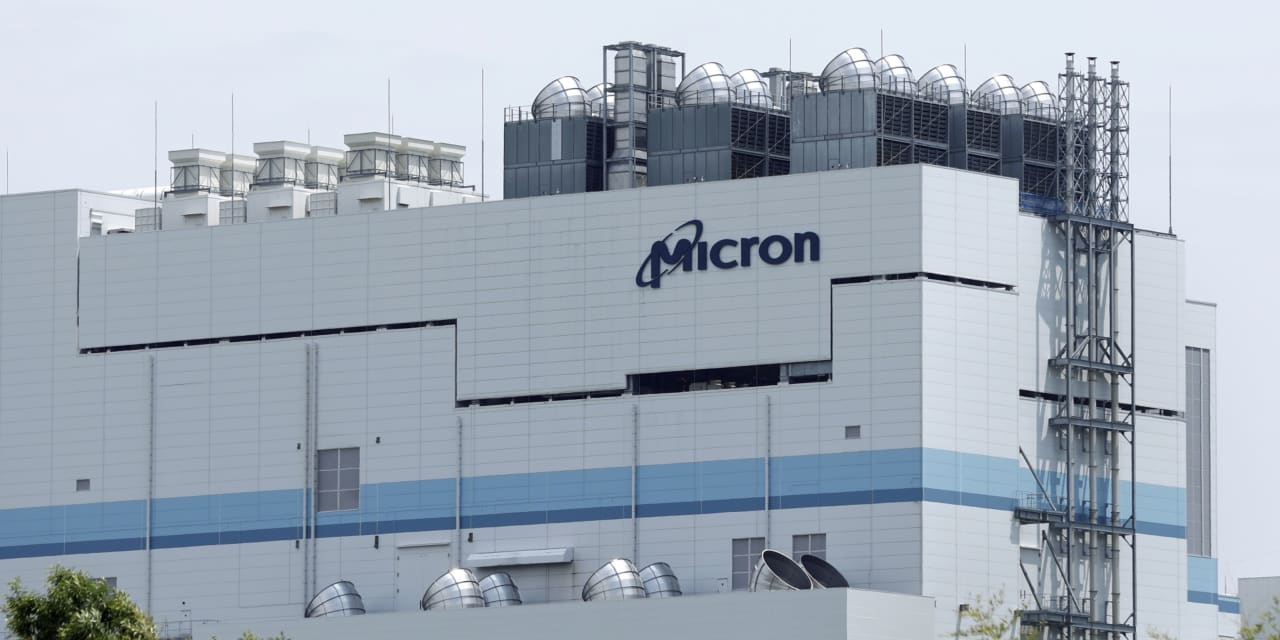
The chip war between China and the US is escalating as China strikes back with sanctions against US companies, including Micron. This comes after the US blacklisted several Chinese tech companies. The ongoing trade war between the two countries is fueling tensions in the tech industry, with both sides vying for dominance in the global market. The future of the chip industry remains uncertain as the conflict continues.
Nvidia CEO, Jensen Huang, warns of "enormous damage" to US companies if the chip war with China escalates, cautioning lawmakers to think about the implications of further Chinese trade restrictions. Huang believes that the US would be "swimming in fabs" if the company loses the Chinese market, which would cause its capacity needs to fall by a third. China may move to build more chips itself if it can't buy from US companies, and companies in China are already starting to make chips that challenge Nvidia's.
Analysts at New Street Research have warned that Qualcomm may be the next chip stock most at risk in the ongoing chip war between the US and China. This comes after the Cyberspace Administration of China launched a review of Micron Technology products, citing national security issues.