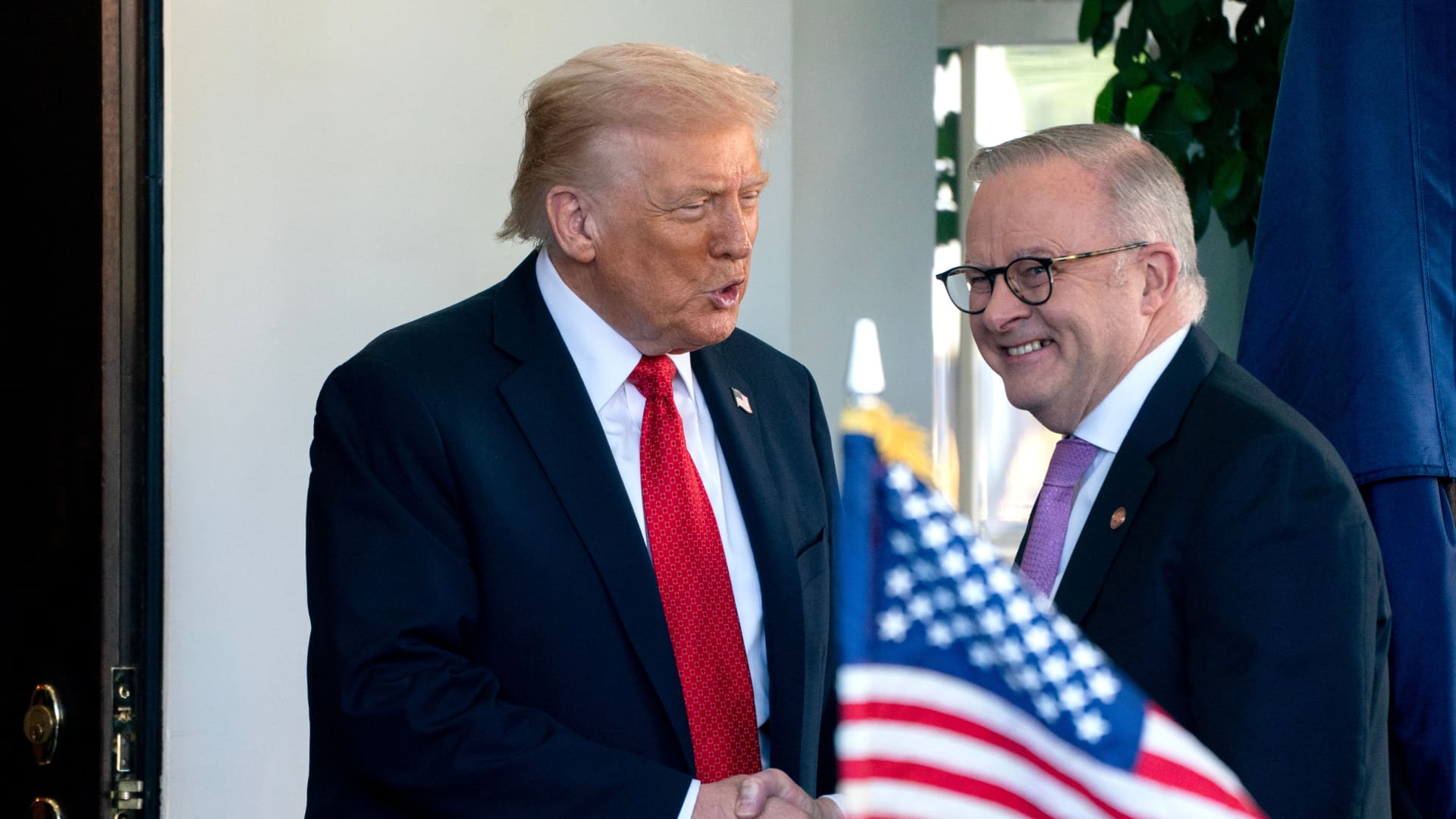
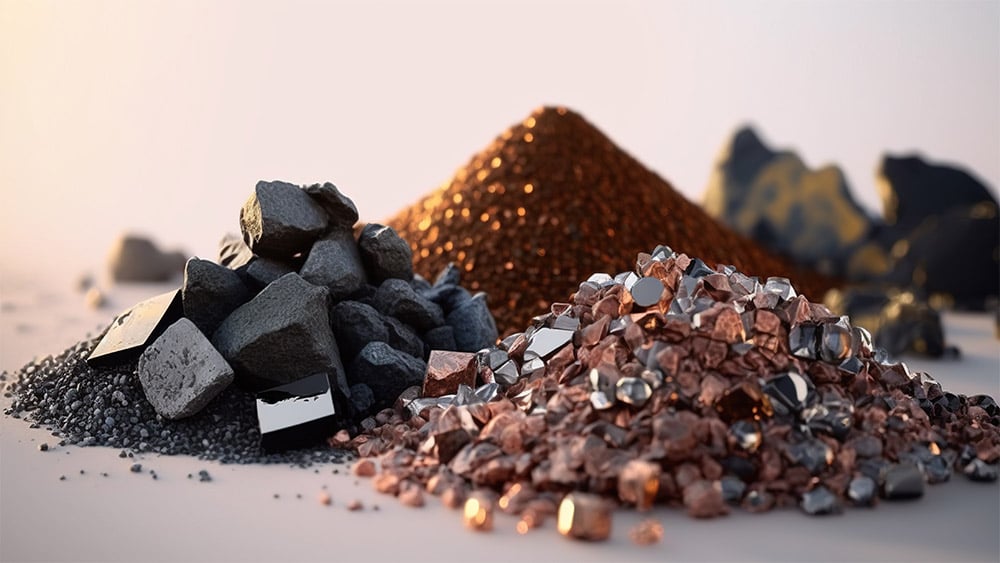
Shares of Australian critical metals companies surged following an $8.5 billion US-Australia minerals deal aimed at boosting supply for defense and energy, with significant investments and project funding announced to diversify supply chains and reduce reliance on China.
Critical Metals' stock surged amid reports of a potential Trump administration equity stake, though these reports were later denied, while Lithium Americas' stock fell after being downgraded by analysts. The Department of Defense has taken stakes in some mining companies, and the market remains volatile with high ATRs, indicating increased risk and speculation in these stocks.
The US government has denied reports of considering an investment in Critical Metals, a company with significant rare earth resources in Greenland, causing its stock to fluctuate but not confirming any deal. The company had previously seen a surge in stock price following reports of potential US investment, which was later clarified as false by White House officials.
The Trump administration is not currently considering taking an equity stake in Critical Metals Corp., despite reports and market volatility caused by speculation. The administration has received numerous deal proposals but is not actively pursuing any, including with Critical Metals, which is involved in Greenland’s rare earths project. Recent government investments in other resource companies highlight ongoing efforts to support critical industries.
The US is considering converting a $50 million Defense Production Act grant into an equity stake in Critical Metals Corp to secure access to Greenland's large rare earth deposit, Tanbreez, as part of its strategy to reduce reliance on Chinese-controlled mineral supplies, with discussions ongoing and potential investments in other critical minerals projects.
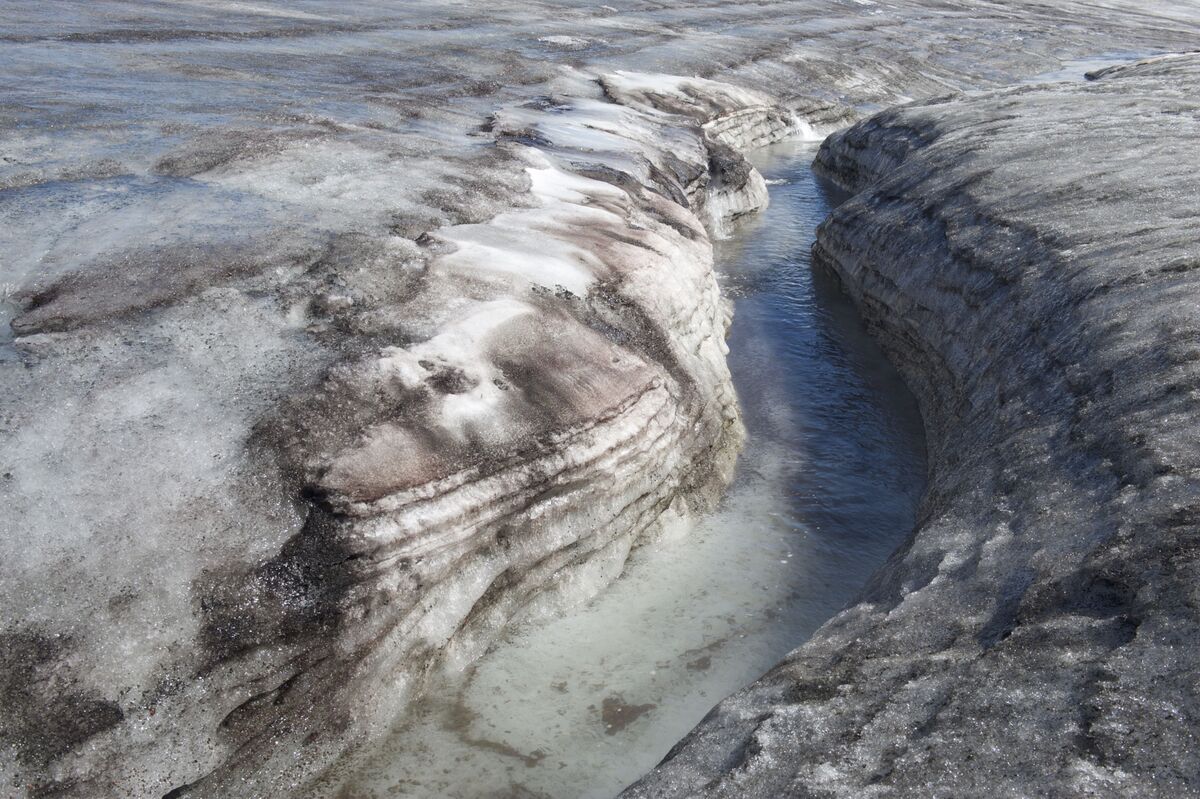
Chinese scientists have developed a new industrial process to extract high-purity rubidium directly from salt lake brine, reducing reliance on imports and supporting industries like electronics, aerospace, and medical research.
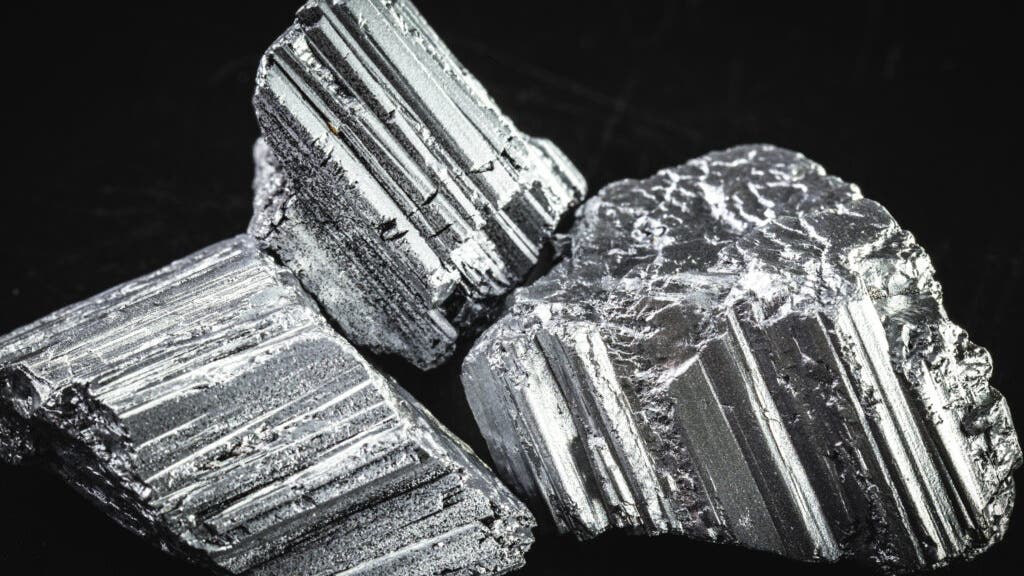
China has banned the export of critical metals like gallium, germanium, and antimony to the US in response to American technology restrictions. The move, announced by China's Ministry of Commerce, also includes tighter controls on graphite sales, marking a significant escalation in the ongoing trade tensions between the two countries.
The space mining industry is gaining momentum as companies like AstroForge, Trans Astronautica Corporation, and Karman+ prepare to test their technology in space. Economists have published papers considering the potential growth of economic activity in space, driven by the demand for critical metals used in electronics, renewable energy, and electric car components. A study suggests that in the next few decades, space mining could surpass Earth mining in the production of certain metals. Metallic asteroids contain abundant reserves of nickel, cobalt, iron, platinum, and other metals. The development of reusable rockets has significantly reduced launch costs, making space mining more feasible. However, the study also highlights the social and environmental costs of Earth mining, such as child labor and environmental degradation.
China's announcement to curb exports of gallium and germanium, both critical metals used in various high-tech applications including silicon chips, highlights the escalating global competition for critical minerals and metals. This move is seen as a response to the U.S. Chips Act and increasing pressure on U.S. allies to restrict sales of sensitive microchip technology to China. While export controls will disrupt gallium and germanium markets in the short term, Western countries are expected to adapt over time. However, concerns remain about potential future restrictions on other critical metals, as China's dominance in the supply chain poses a significant challenge for the West's high-tech industrial base.