Donald Trump is heavily branding himself through various projects and initiatives, from buildings to military ships, emphasizing his name as a central part of his legacy and influence in America.
Daniella Pierson, a young entrepreneur known for her high-profile ventures and self-promotion, has seen her businesses unravel due to exaggerations about revenue, subscriber numbers, and valuations, leading to internal conflicts, collapsing partnerships, and a potential reputation crisis, highlighting the dangers of hubris and hyperbole in entrepreneurship.
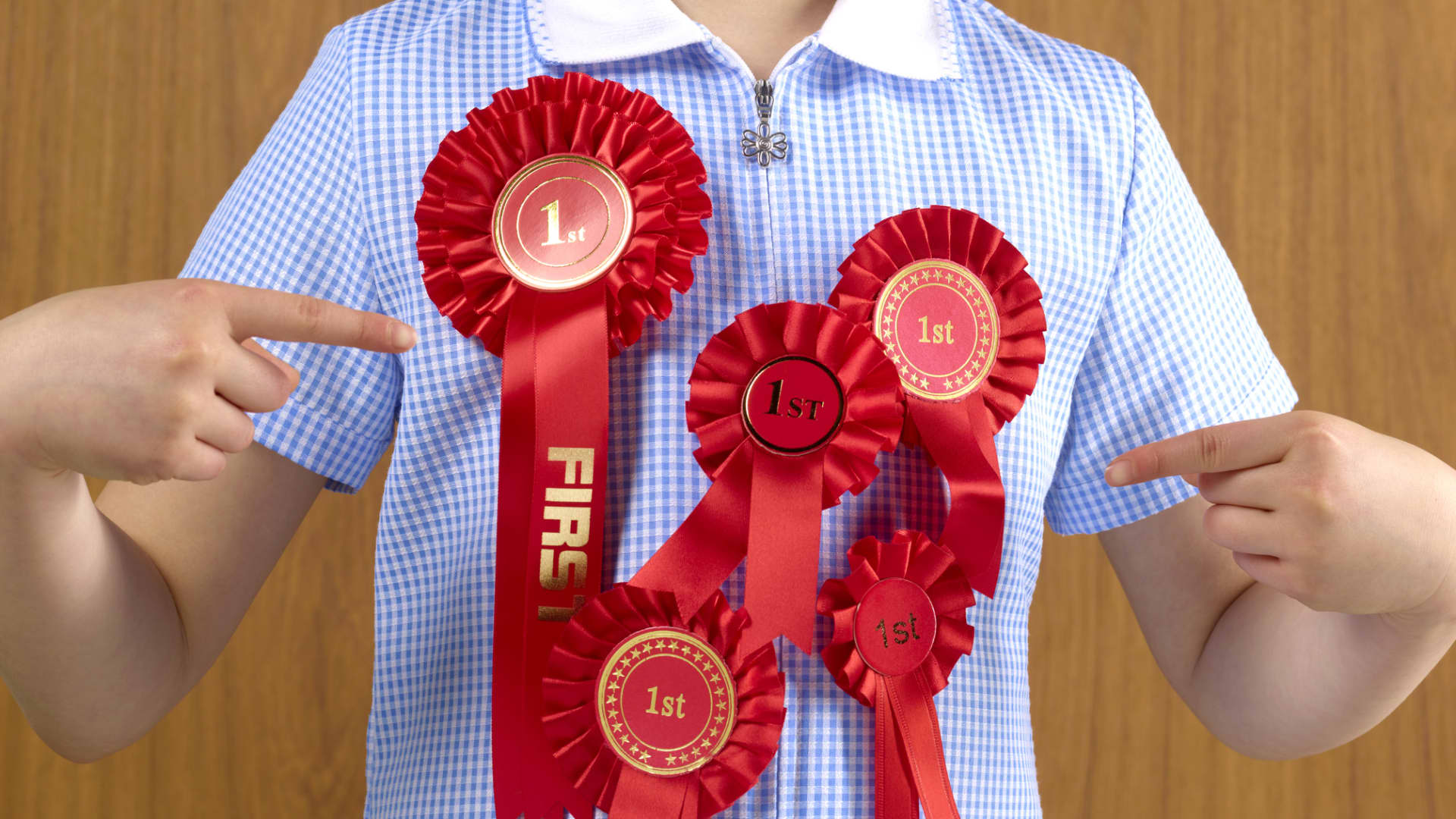
The article argues in favor of self-promotion, stating that it is a natural and necessary part of human behavior, and that it should not be stigmatized. The author believes that showing off can be a positive expression of confidence and success, and that it challenges societal norms that discourage individualism.
Self-promotion is a delicate balance when vying for a job or promotion, as it's important to come across as both competent and likable. Wharton professor Maurice Schweitzer suggests using "dual promotion" by following self-promotion with a promotion of someone else. This approach not only makes you seem more agreeable but also more competent. Schweitzer's research shows that including a compliment of someone else's work alongside your brag increases how likable and competent you are viewed, improving your chances of getting hired or promoted. Despite its success, the majority of job candidates still engage only in self-promotion during interviews.
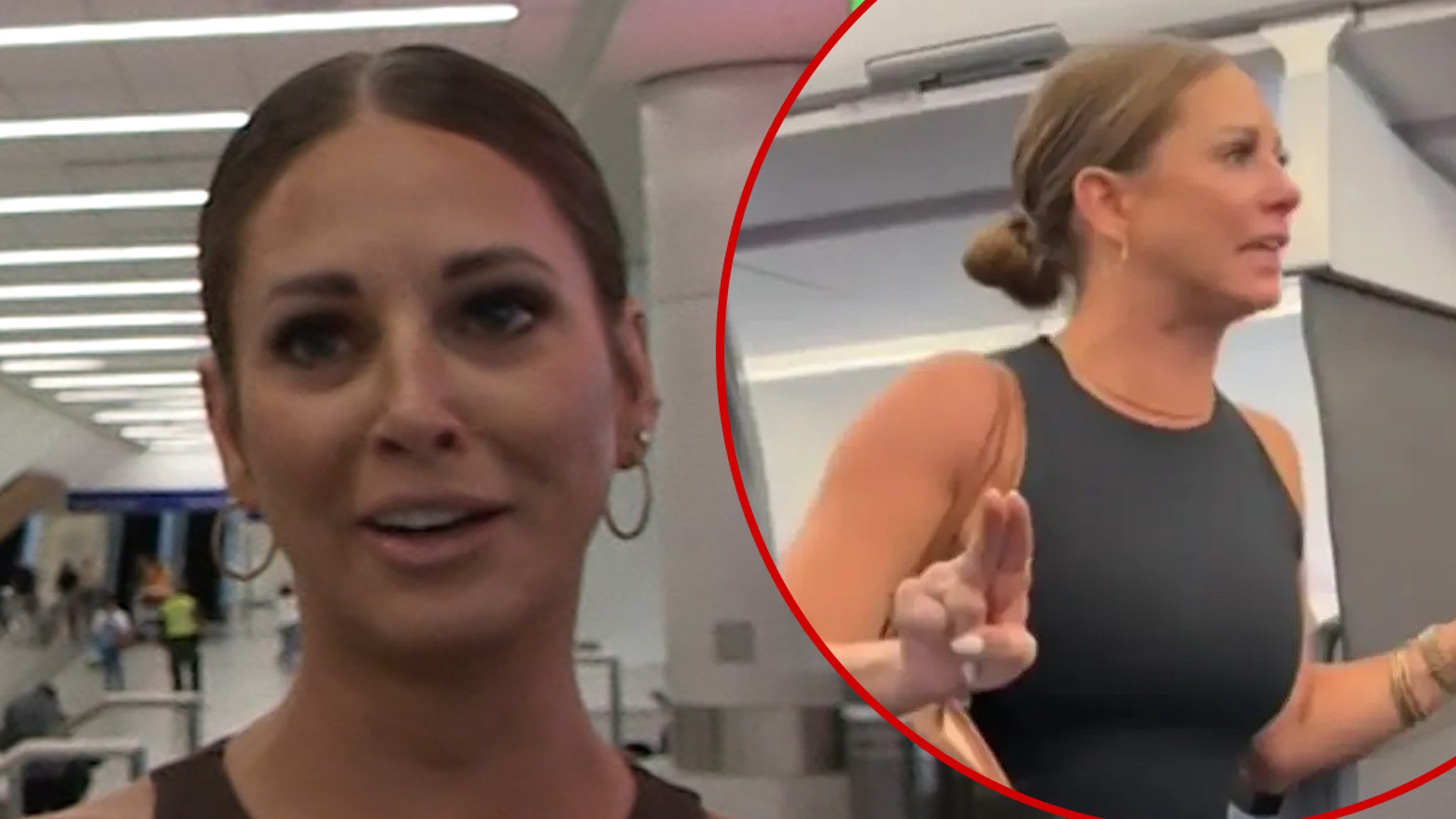
Tiffany Gomas, the woman who went viral for her airplane freakout, is back at the airport but remains tight-lipped about what she "saw" on the plane. Despite being asked multiple times, Gomas continues to play coy and refuses to elaborate on the source of her meltdown, leaving people curious. Her behavior suggests shameless self-promotion, and even the police couldn't get a clear response from her during their interview.
LinkedIn, the professional networking platform, is often filled with self-congratulatory and exaggerated posts, where users present themselves as successful and accomplished individuals. Despite the facade of success, many users experience stress, financial worries, and imposter syndrome. However, LinkedIn remains a valuable platform for business networking and generating leads, as it fosters a more professional and civil environment compared to other social media platforms. Transparency and honesty are not the norm on LinkedIn, as it is primarily a space for self-promotion and selling products and services.
"Loud laborers," employees who prioritize self-promotion and visibility over actual work, can negatively impact workplace morale and team dynamics. These individuals may talk excessively about their work and achievements, often seeking external validation and recognition. Their behavior can create an atmosphere of competition rather than collaboration, diminishing work group cohesion. To address this issue, leaders should recognize and reward actual performance rather than showmanship, value different work styles, and provide constructive feedback to encourage a balance between self-promotion and productive work.
Daily Nous invites readers to share their favorite philosophy articles published in lesser-known journals. The aim is to promote excellent philosophy that may not receive as much attention due to prestige effects, citation snobbery, and limited time. Readers are encouraged to share links to the articles or PhilPapers entries and not to promote their own work.
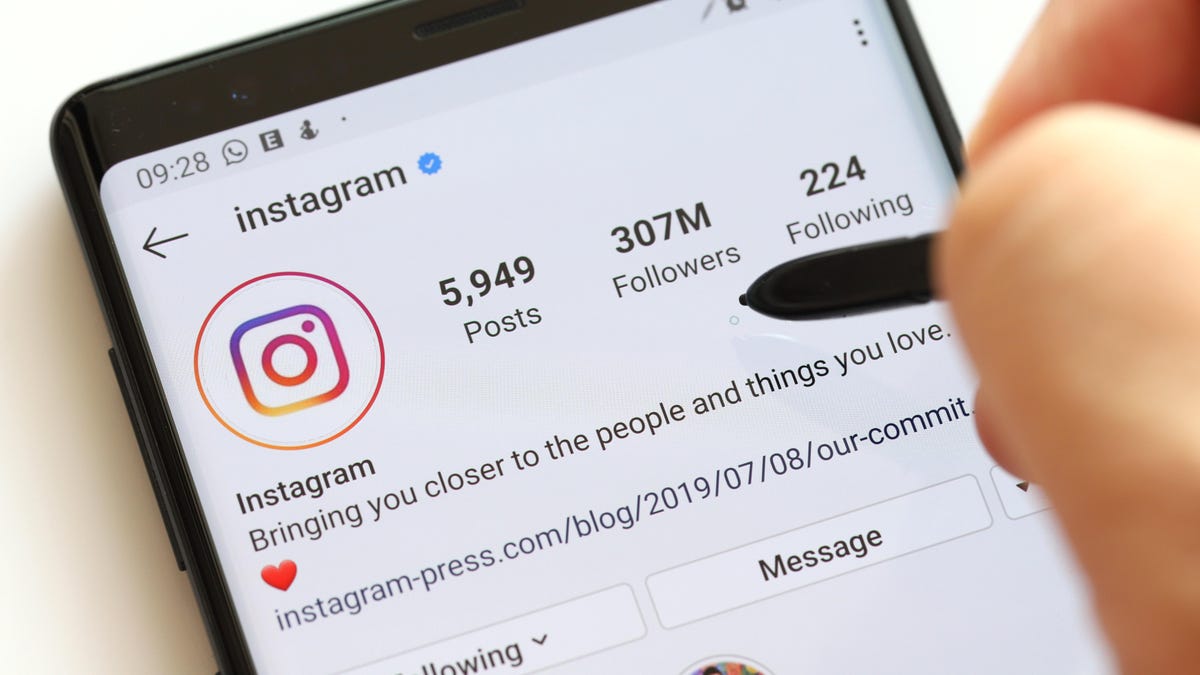
Instagram now allows users to add up to five links in their bios, instead of just one. This new feature makes it easier for users to share multiple links to their content. However, social media companies are incentivized to keep users engaged on their platforms, so this change took a while to implement. To add multiple links to your Instagram bio, go to Edit profile > Links > Add external link and enter the URL with a title.