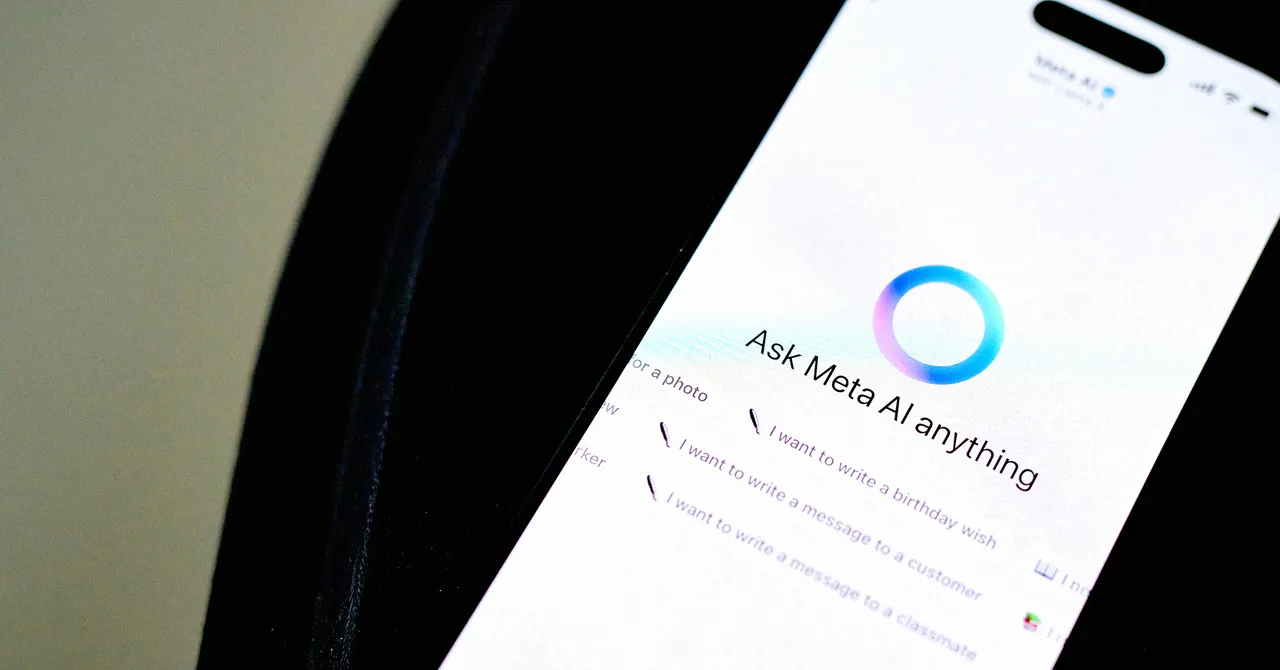
Meta is planning to allow some job candidates to use AI assistants during coding interviews and is encouraging current employees to participate in mock AI-enabled interviews, reflecting a shift towards integrating AI tools in recruitment processes.
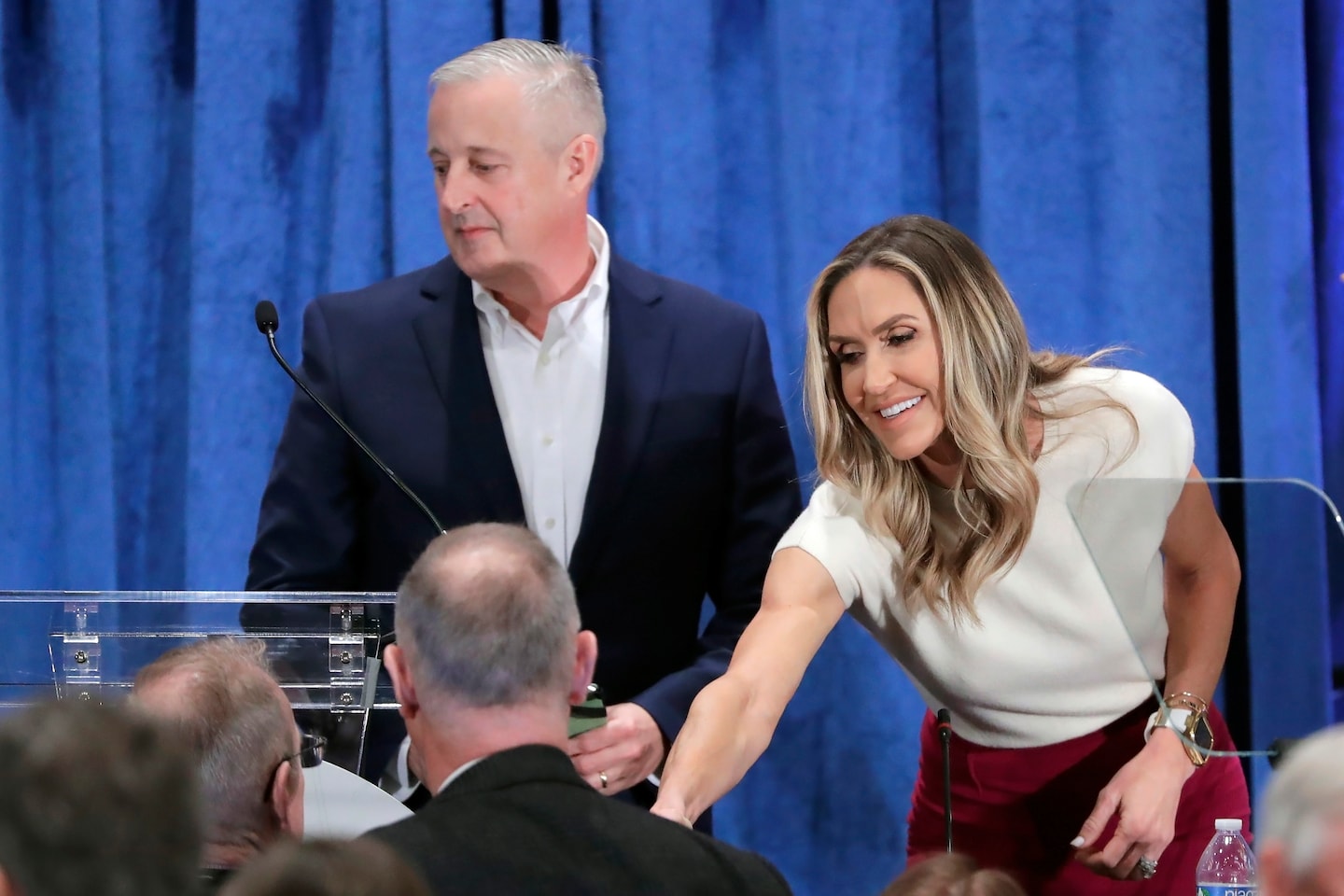
Job applicants at the Republican National Committee have been asked in interviews whether they believe the 2020 election was stolen, with the false claim serving as a litmus test for hiring. Trump advisers have been conducting these interviews, questioning the loyalty of potential employees. The hiring process comes after Trump's dissatisfaction with RNC leadership and his focus on "election integrity." Critics view this practice as an attempt to enforce loyalty to Trump's beliefs, while RNC officials emphasize the need for experienced staff with views on election processes.
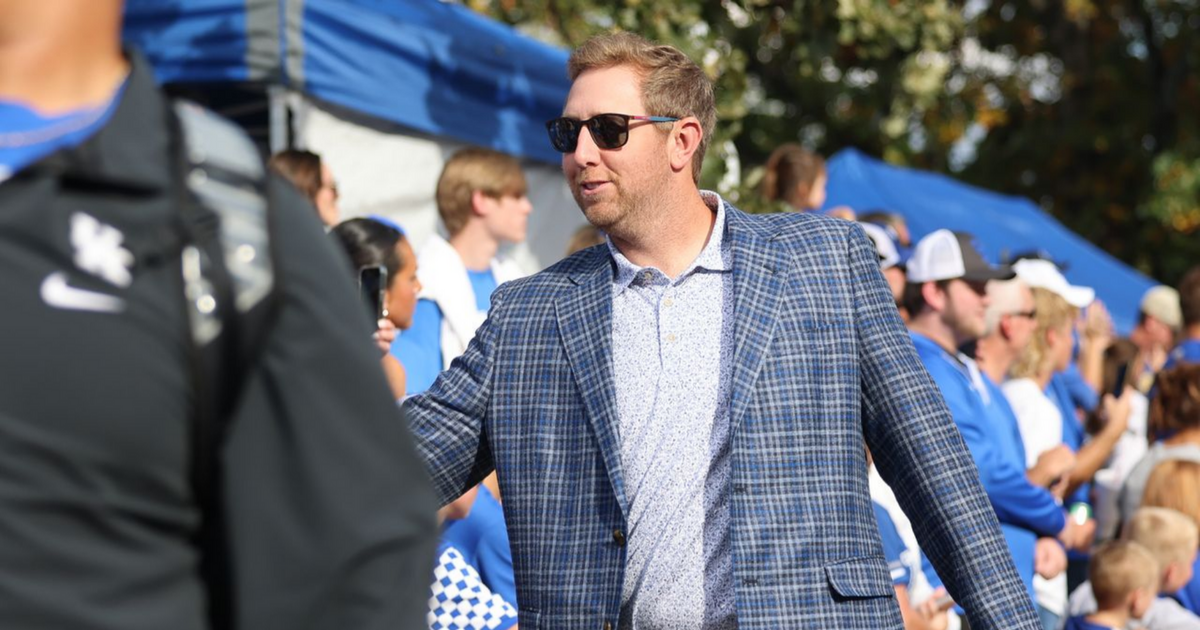
The coaching carousel continues as Kentucky offensive coordinator Liam Coen is reportedly a potential target for a head coach search at Boston College and is also being interviewed for the Tampa Bay Buccaneers' opening play-calling position. Coen, who previously worked with Baker Mayfield, is one of several candidates with ties to the quarterback. The NFL and college football coaching landscape remains active with potential changes and new opportunities.
Job candidates often struggle to receive meaningful feedback from employers after interviews, as recruiters are often constrained by legal risks and company policies. The fear of potential discrimination lawsuits and the subjective nature of interview feedback contribute to the reluctance to provide detailed feedback. Some candidates are taking matters into their own hands by seeking help from third-party recruiters or conducting mock interviews to improve their performance.
A recent survey reveals that nearly 40% of hiring managers admit to lying during job interviews. The most common deceptions include exaggerating the role's responsibilities, career growth, and professional development at the company. Interviewers also lie about compensation, benefits, and the financial health of the business to attract more qualified candidates. Red flags to watch out for include interviewers discouraging you from talking with other employees, talking in circles, and dodging your questions.
Self-promotion is a delicate balance when vying for a job or promotion, as it's important to come across as both competent and likable. Wharton professor Maurice Schweitzer suggests using "dual promotion" by following self-promotion with a promotion of someone else. This approach not only makes you seem more agreeable but also more competent. Schweitzer's research shows that including a compliment of someone else's work alongside your brag increases how likable and competent you are viewed, improving your chances of getting hired or promoted. Despite its success, the majority of job candidates still engage only in self-promotion during interviews.
Asking about work-life balance during a job interview can send the wrong message to employers, according to Bert Bean, CEO of Insight Global. It may imply a lack of engagement, reliability, or commitment to the role. Bean suggests that work-life balance is a personal issue that should be owned by the employee, not dictated by the employer. Instead, candidates can research company culture through employee reviews or ask specific questions about expectations, such as being reached in off hours or the company's policy on sick days and vacations.
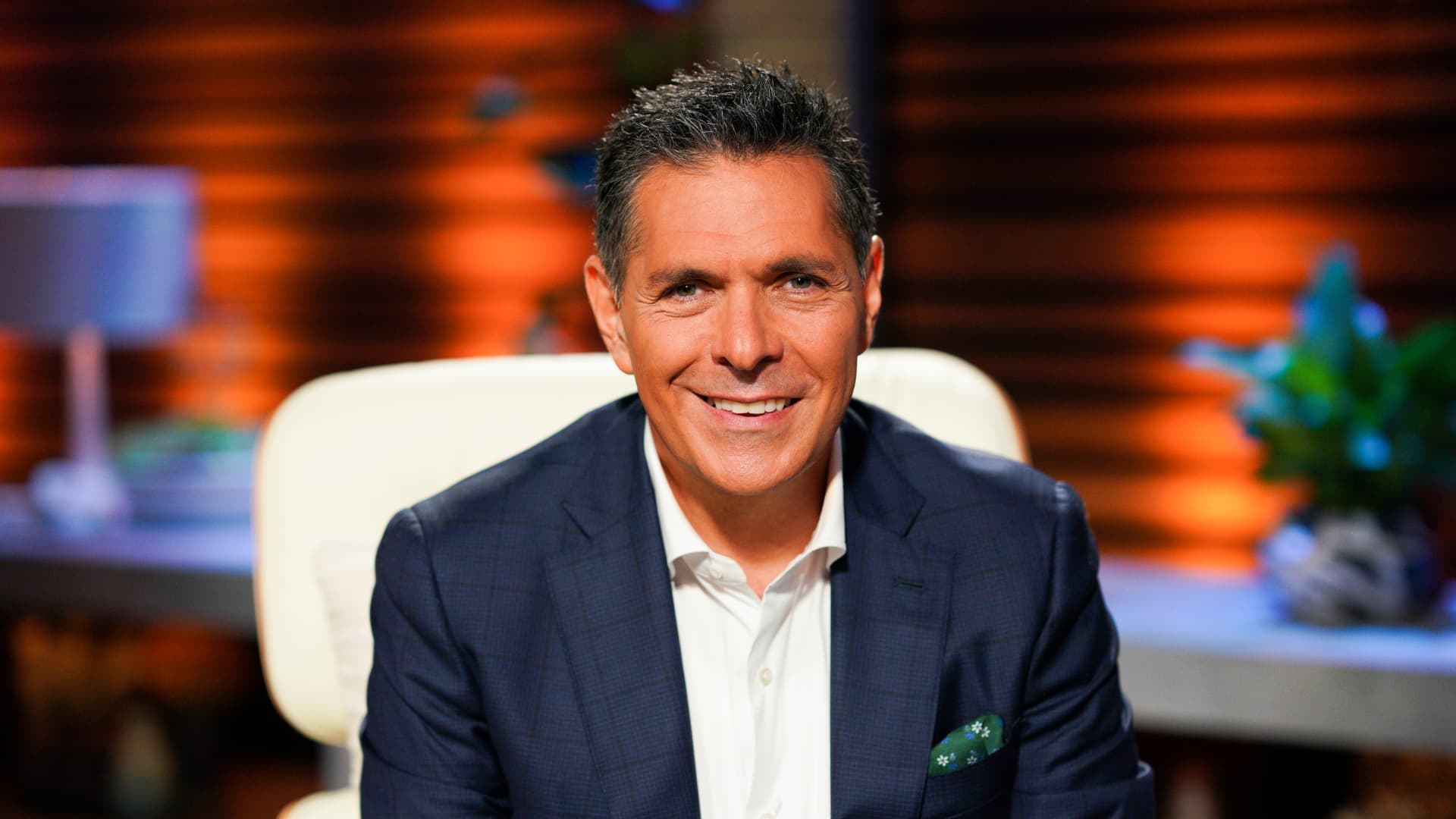
Daniel Lubetzky, founder of Kind Snacks and guest judge on "Shark Tank," believes that the ability to self-reflect is a crucial skill when hiring, especially for Gen Z candidates. Lubetzky screens for self-reflection during job interviews by asking about past failures and how candidates would approach them differently. He emphasizes that self-reflection signals accountability, humility, and a commitment to self-improvement. Lubetzky personally practices self-reflection through scheduled alone time and meditation. Other business figures also prioritize introspection, recognizing its importance in personal growth and decision-making.
CEOs and experts suggest that job candidates should not shy away from mentioning their weaknesses during interviews. By being open about areas where they may need help, candidates can establish a two-way, honest dialogue that sets everyone up for success. This approach allows both the candidate and the interviewers to determine if there is a true match and partnership before starting the role. Demonstrating humility is also seen as a valuable trait in leadership and can contribute to a candidate's overall appeal.
Daniel Rizea, a director of engineering at Google, shares the top interview mistakes that job candidates often make. These mistakes include thinking they're prepared because they're good at their current job, being tired during the interview, not picking up on hints from the interviewer, and not preparing for behavioral questions. Rizea emphasizes the importance of practicing and preparing for interviews, as successful interviewing is a skill that requires effort and investment. He advises candidates to practice solving interview questions, do mock interviews, and research the company's values to prepare for behavioral questions.
A boss's hiring strategy called the "coffee cup test," where he only hires candidates who offer to wash their cup after an interview, has sparked criticism on social media. Trent Innes, a chief growth officer at SiteMinder, shared his strategy in a resurfaced 2019 podcast episode, stating that he looks for attitude and the willingness to perform even the smallest tasks. However, social media users have accused him of playing mind games and creating a toxic work culture.
A four-year-old podcast interview featuring Trent Innes, a corporate executive from Melbourne, Australia, has gone viral as social media users debate his "coffee cup test" for job candidates. Innes explained that he offers candidates a cup of coffee during interviews and those who don't offer to take their empty cups back to the kitchen are unlikely to receive a job offer. While some argue that the test is a fair metric to evaluate workplace culture fit, others believe it is manipulative and not a reliable vetting tool. The debate has taken place on platforms like TikTok, Facebook, and Reddit, with users questioning the test's effectiveness and fairness.
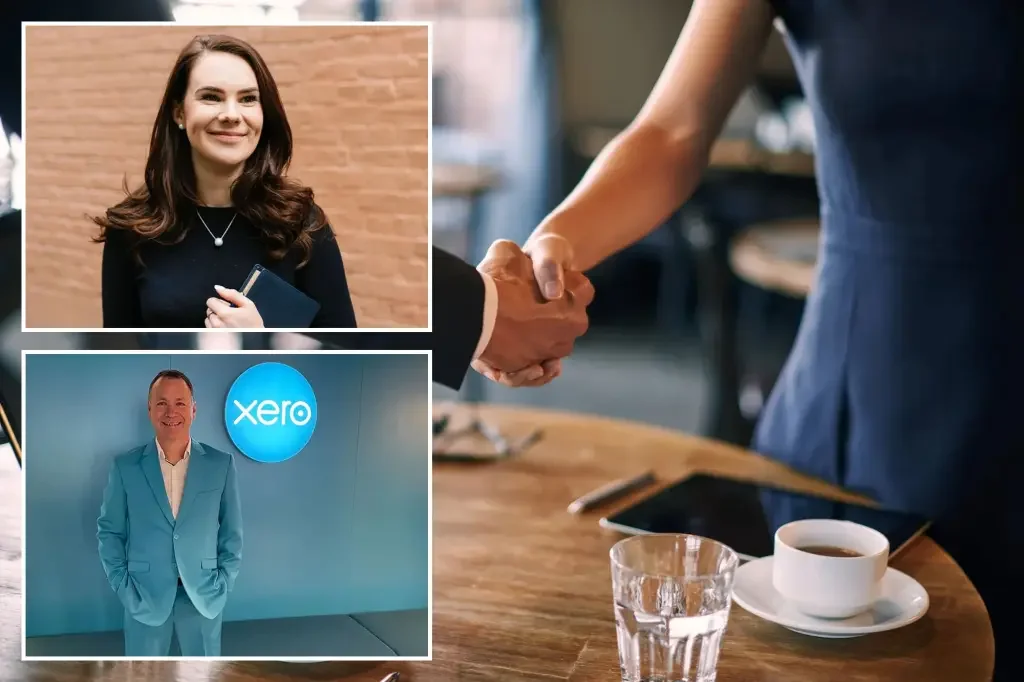
A former managing director for Xero Australia, Trent Innes, revealed a unique "coffee cup" test he uses during job interviews to assess an applicant's attitude and sense of ownership. Innes takes candidates for a walk to the kitchen at the end of the interview and observes whether they offer to return their empty cup. By doing so, he aims to gauge their willingness to take on low-level tasks and contribute to a culture of ownership. Innes believes that attitude and ownership are crucial in a fast-growing environment. Similarly, author Victoria Devine uses an attention-to-detail test in her job descriptions to filter applicants, while another employer shared a receptionist test to assess candidates' respect and behavior towards all team members.
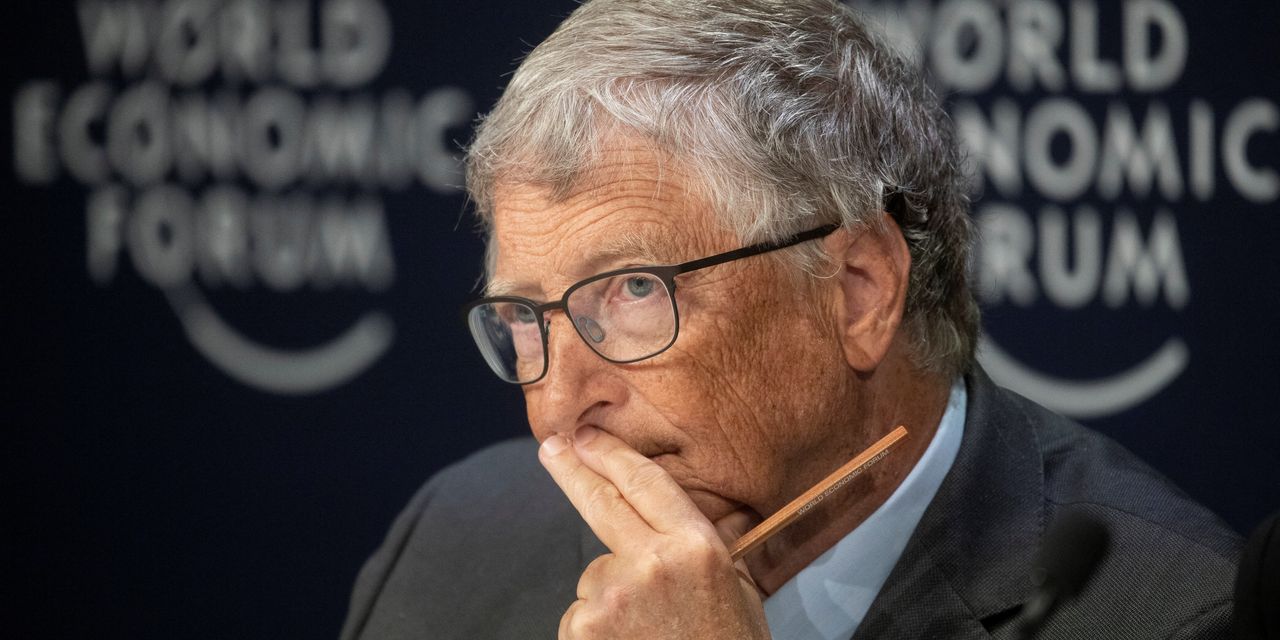
Female job candidates who interviewed for positions at Bill Gates's private office have come forward with claims of being asked inappropriate and discriminatory questions during the interview process. The allegations include questions about marital status, family planning, and personal relationships, which are considered illegal and unethical in the workplace. This raises concerns about gender bias and discrimination within Gates's private office.
Women interviewing for positions at Bill Gates's private office reported being subjected to sexually explicit questions and invasive inquiries about their personal lives, including their sexual histories and past drug use. The extensive screening process, conducted by a security firm, aimed to identify vulnerabilities that could potentially be exploited for blackmail purposes.