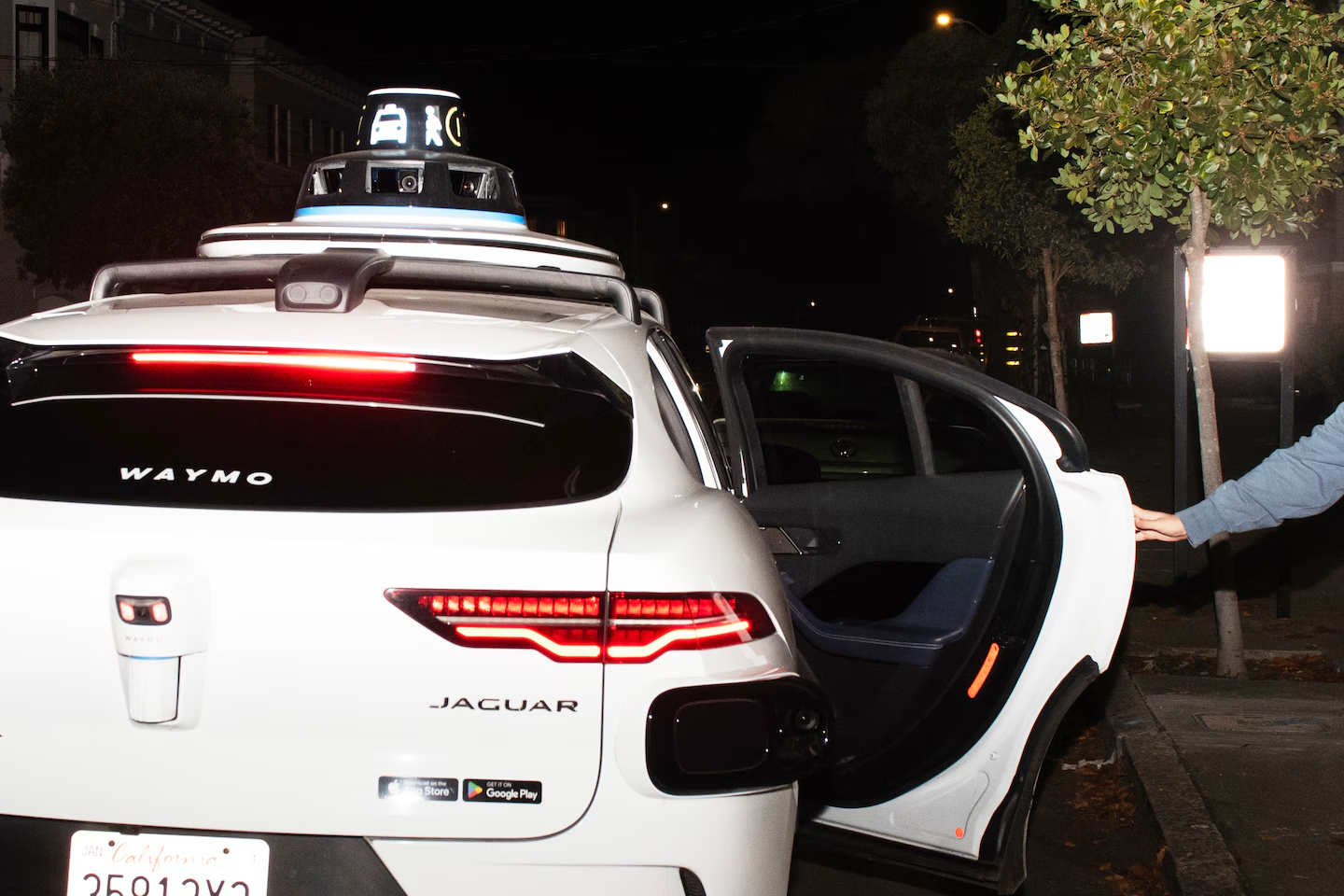
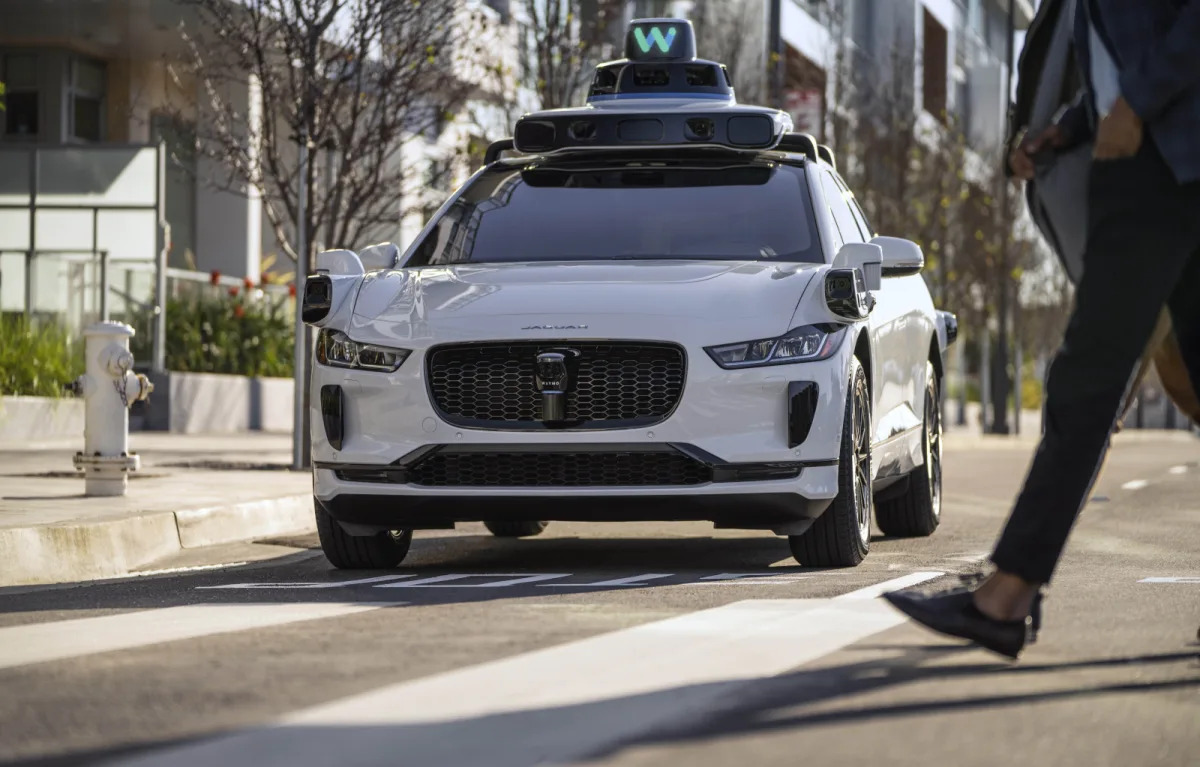
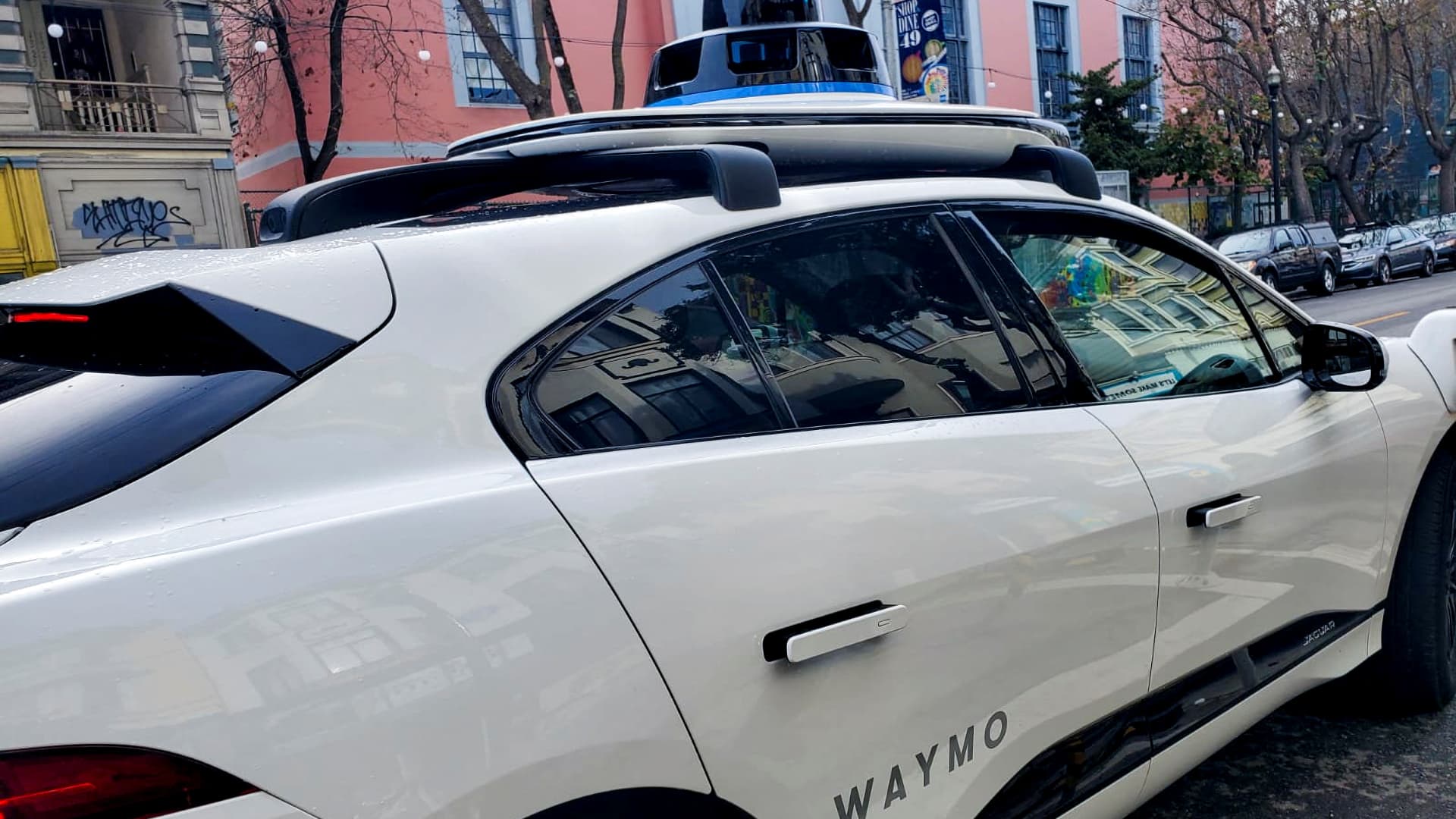
A power outage in San Francisco highlights the vulnerabilities of self-driving vehicles, as a Waymo robotaxi in Los Angeles required human intervention to resolve an issue, demonstrating the ongoing need for human support in autonomous vehicle operations.
Uber will test Level Four autonomous vehicles in London with Wayve starting in 2026, aiming to expand its autonomous ride-hailing services amid increasing competition from Tesla and other AV developers, supported by the UK’s new framework for self-driving pilots.
President-elect Donald Trump's transition team is reportedly prioritizing the creation of a federal framework for self-driving vehicles, aiming to make it a top priority in the upcoming term. This move comes as companies like Tesla and Waymo are advancing autonomous vehicle technologies. Elon Musk, who has been named a co-leader of the Department of Government Efficiency under Trump, is expected to benefit from these developments. The initiative seeks to address current limitations on the deployment of self-driving vehicles and could accelerate the technology's rollout nationwide.
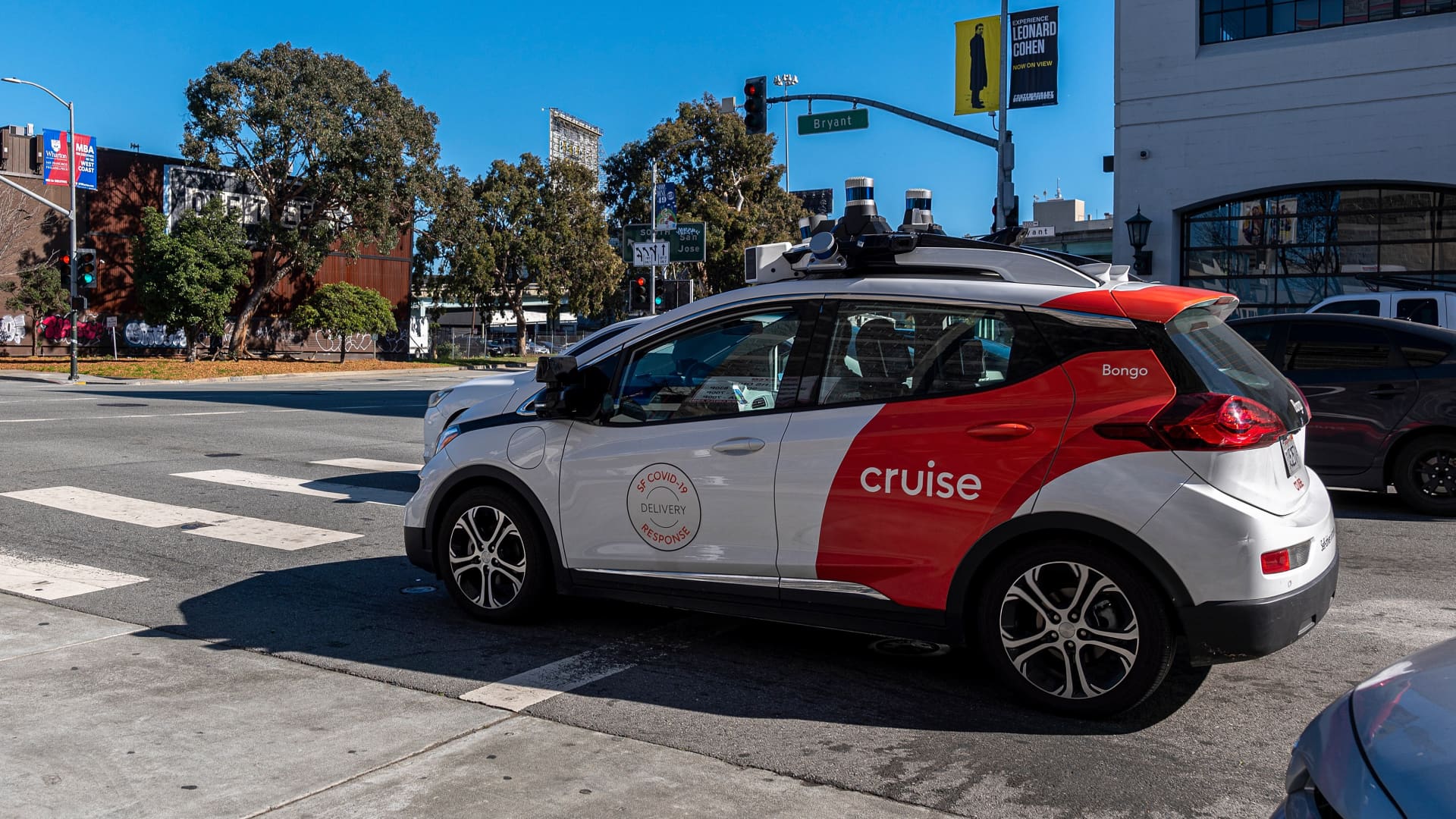
General Motors' Cruise self-driving vehicle unit is relaunching vehicles with human drivers in Phoenix, marking the first deployment since an October accident in San Francisco. The redeployed vehicles will not operate as robotaxis but will gather road information and create maps. Cruise aims to resume driverless operations but has not provided a timeline for doing so. The relaunch follows a third-party probe into the October incident, which found culture issues, ineptitude, and poor leadership at the center of regulatory oversights. Cruise has accepted the probe's conclusions and is cooperating with investigations by state and federal agencies.
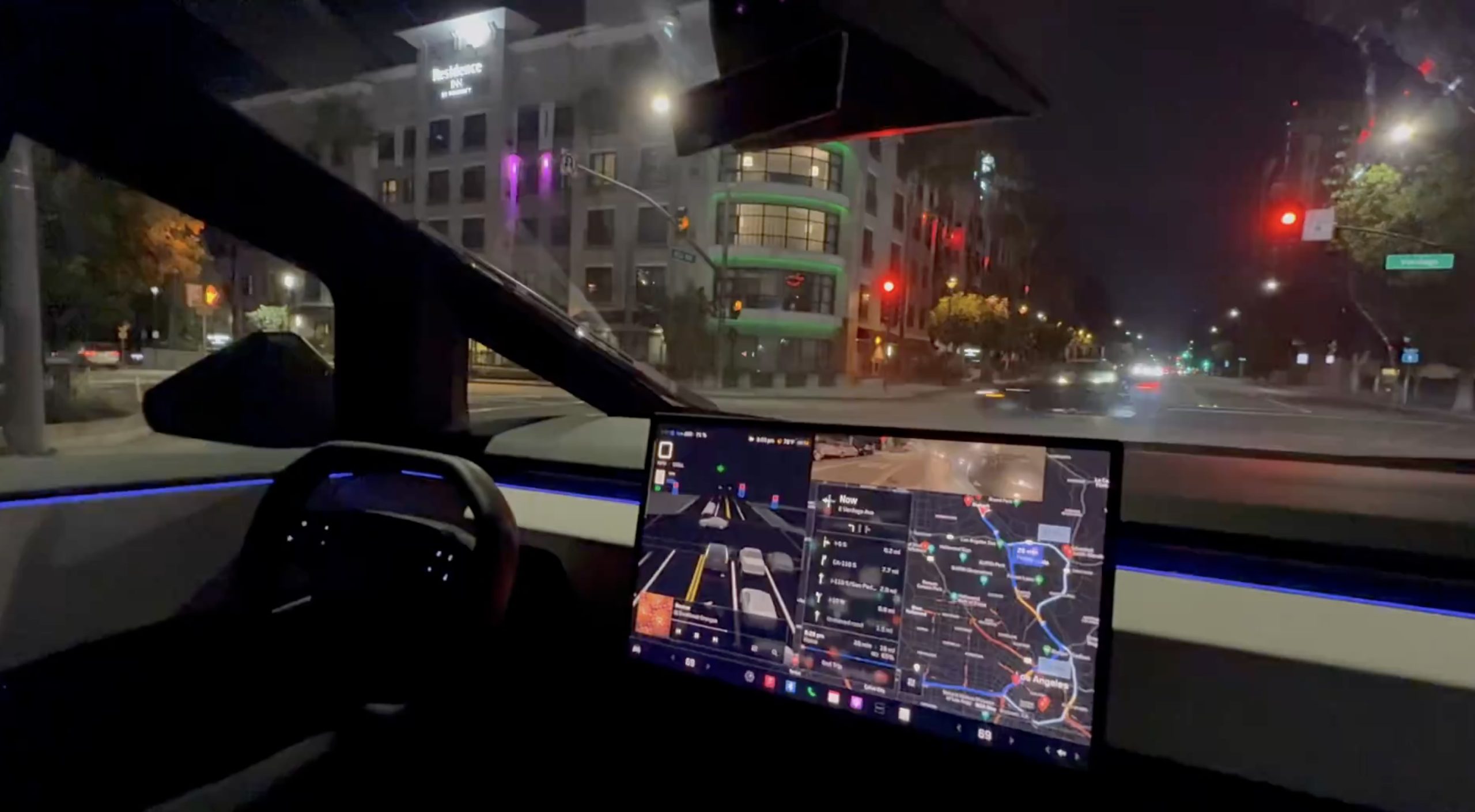
Tesla's decision to shift focus to developing self-driving robotaxis on its small-car vehicle platform is a risky bet, as the successful introduction of autonomous vehicles is still far off and faces engineering and regulatory hurdles. The company's emphasis on robotaxis comes with increased risk due to the complexity of the technology involved, and analysts believe that the industry is nowhere near proving the performance of self-driving vehicles. Tesla's Autopilot and Full Self-Driving driver-assistance systems are under unprecedented scrutiny from lawsuits and government investigations, and the company faces challenges in meeting federal and local rules for taxi fleets and autonomous vehicle testing.
NASA has selected three companies, Intuitive Machines, Lunar Outpost, and Venturi Astrolab, to develop preliminary designs for vehicles to transport astronauts around the lunar south polar region. These vehicles will have self-driving capabilities and will be used as robotic explorers after the astronauts return to Earth. The chosen vehicle, known as the lunar terrain vehicle (L.T.V.), is expected to reach speeds of 9.3 miles per hour, travel a dozen miles on a single charge, and allow astronauts to drive for eight hours. NASA will work with the companies for a year to further develop their designs before choosing one for the demonstration phase.
Nvidia is expanding its collaborations with Chinese automakers such as BYD, Xpeng, and GAC Aion's Hyper brand to develop self-driving vehicles and AI-augmented infotainment technology. BYD will use Nvidia's Drive Thor chips for increased levels of autonomous driving and digital functions, while other automakers will also utilize Nvidia technology for various purposes. Additionally, Nvidia announced partnerships with U.S. software company Cerence, Chinese computer maker Lenovo, and Soundhound to adapt AI systems for in-car computing and develop in-vehicle voice command systems.
Waymo is recalling 444 autonomous vehicles for the first time due to a software concern after two of its self-driving vehicles hit the same pickup truck in Phoenix. The incidents occurred in December, prior to a software update release, and the vehicles were traveling at low relative speeds with no injuries. Waymo updated the software in all affected vehicles and had ongoing discussions with the National Highway Safety Transportation Administration about the incidents.
Waymo issued a software recall for its robotaxis after two vehicles made contact with the same improperly towed pickup truck in Phoenix, leading to minor vehicle damage but no injuries. The incidents were caused by a software error that incorrectly predicted the movements of the towed vehicle. Waymo developed and deployed a fix for its software to prevent similar incidents in the future. In contrast, rival company Cruise faced a more serious incident in San Francisco, leading to a suspension of its license to operate in California.
Waymo has issued a voluntary recall for its self-driving vehicle software after two incidents in which its robotaxis crashed into the same towed pickup truck in Phoenix. The company's automated driving system incorrectly predicted the motion of the towed vehicle, resulting in minor vehicle damage and no injuries. Waymo updated the software during regular maintenance and recharging, with no interruption to its ride-hailing service. This comes amid public backlash over the testing and deployment of driverless vehicles, with Waymo generally facing less criticism compared to its competitors.
Nine managers and executives at Cruise, GM's self-driving vehicle subsidiary, have left the company following an internal analysis of an incident involving one of its robotaxis. The departures include key leaders from legal, government affairs, and commercial operations, as well as safety and systems. The analysis was conducted by the Cruise board and is separate from the ongoing investigation. This comes after the CEO's resignation and the suspension of Cruise's permits to operate self-driving vehicles. Morale at the company has been low, with employees blaming poor management and layoffs affecting both contract workers and full-time employees.
A former Tesla employee, Lukasz Krupski, has raised concerns about the safety of Tesla's self-driving technology, stating that the hardware and software are not ready for public roads. Krupski leaked data, including customer complaints about Tesla's braking and self-driving software, to a German newspaper in May. He claims that internal attempts to address his concerns were ignored. Tesla has not responded to requests for comment. Krupski's claims highlight wider concerns about the use of artificial intelligence in autonomous vehicles. The US Department of Justice has been investigating Tesla since January, and the Dutch data protection authority is looking into the data breach.
A former Tesla employee, Lucasz Krupski, has raised concerns about the safety of Tesla's self-driving technology, stating that the hardware and software are not ready for public roads. Krupski leaked data, including customer complaints about Tesla's braking and self-driving software, to a German newspaper. He claims that his attempts to address these concerns internally were ignored. Tesla has not responded to requests for comment. The US Department of Justice has been investigating Tesla over its claims regarding assisted driving features, and the Dutch data protection authority is looking into the data breach. Krupski's claims highlight wider concerns about the use of artificial intelligence in autonomous vehicles.
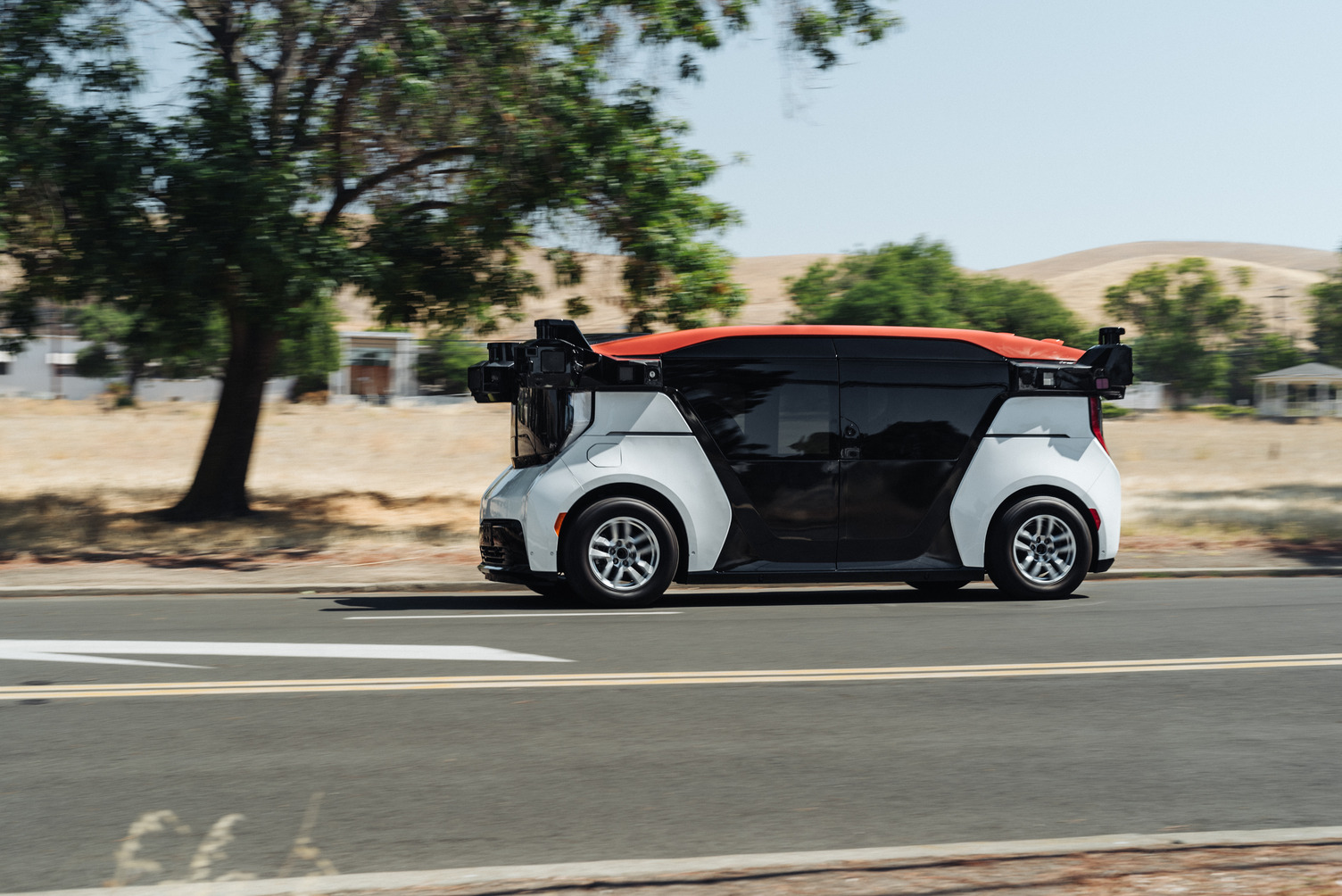
Cruise, the self-driving subsidiary of General Motors, has announced that it will not produce any of its Origin self-driving vans in the near future and will substantially scale back its operations. Following a recent accident involving one of its driverless vehicles, Cruise will focus on the Bolt-based Cruise AVs instead. The company plans to reduce operations to just one city once it resumes, but no specific city or timeline has been provided. Cruise will produce a small number of pre-commercial prototypes but will not build production models or prototypes in 2024. The company's permit to operate driverless vehicles has been revoked by the California DMV, and it is facing a federal investigation.
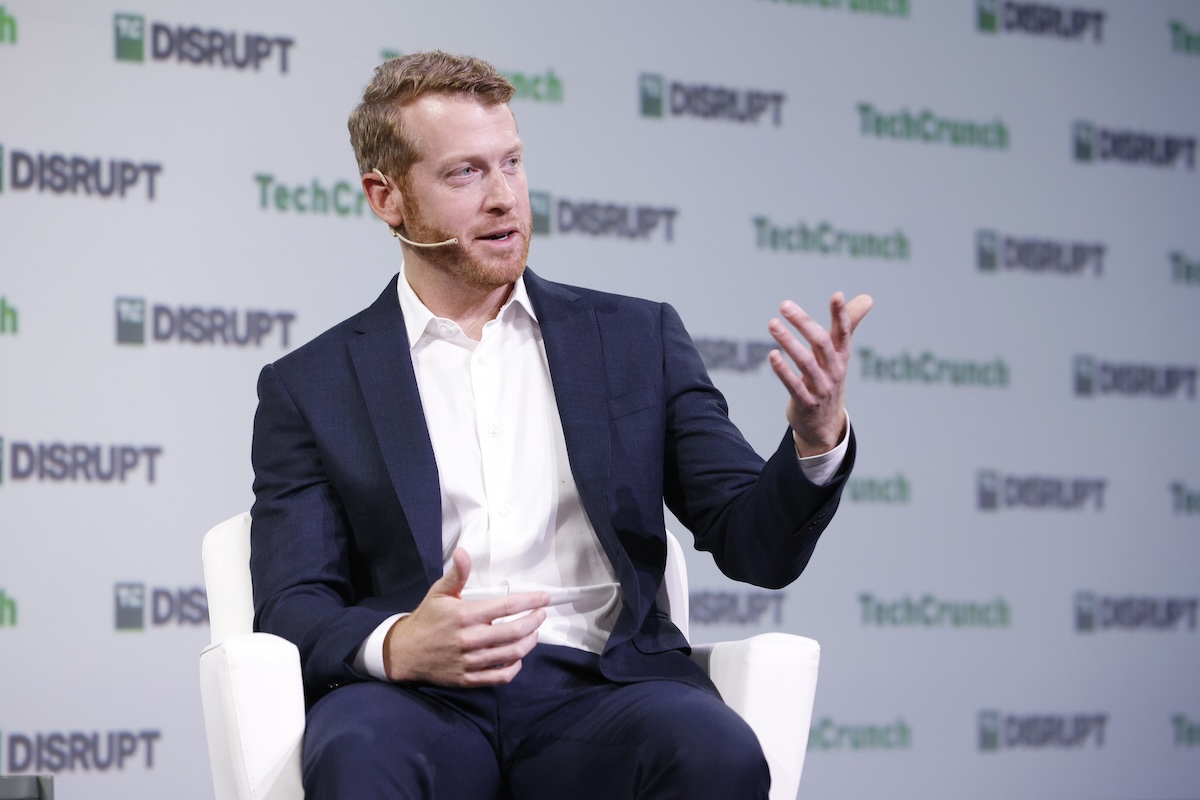
Kyle Vogt, co-founder and CEO of Cruise, has resigned from his position, according to an email sent to employees. The resignation comes after the California Department of Motor Vehicles suspended Cruise's permits to operate self-driving vehicles following an incident where a pedestrian was hit and dragged by a Cruise robotaxi. Mo Elshenawy will serve as president and CTO for Cruise, while Craig Glidden and Jon McNeill will continue in their roles. Vogt expressed gratitude for the past 10 years and believes Cruise has a great future ahead. Employee morale has been low, with concerns about poor management and safety prioritization.