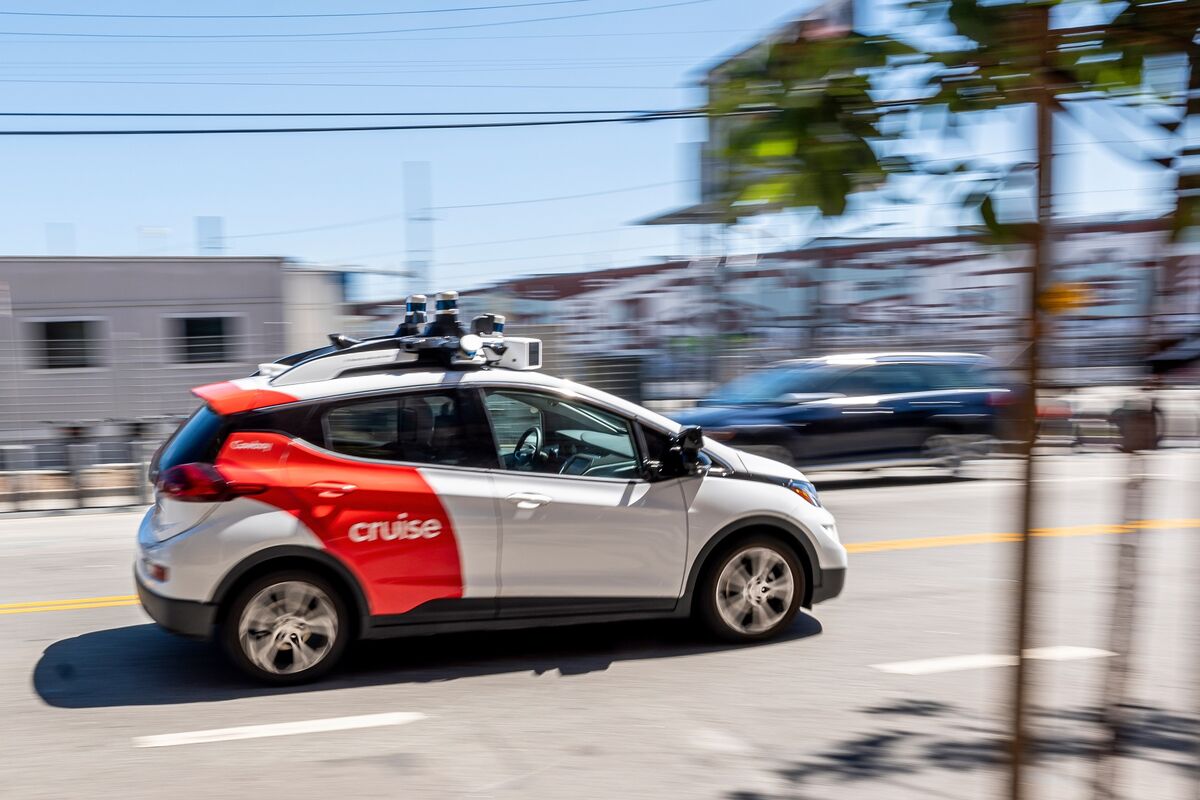
General Motors is reviving its efforts to develop autonomous vehicles for personal use, focusing on hands-free and eyes-free driving, after restructuring its Cruise division and laying off employees. Led by Sterling Anderson, GM aims to accelerate self-driving tech development, despite previously exiting the robotaxi market due to costs and safety issues. The company remains committed to autonomous vehicle innovation, with plans to hire new talent and expand its research efforts.
Lucid Group's stock surged over 36% after announcing a partnership with Uber and Nuro to deploy 20,000 Gravity SUVs with self-driving tech, signaling a strategic move into AI-enabled autonomy. Morgan Stanley maintains a hold rating with a $3.00 target, viewing the deal as a potential catalyst for future growth in autonomous driving and AI partnerships, despite cautious overall sentiment. The company is expected to report a narrower Q2 loss and increased revenue, with investors keen on updates regarding Gravity production and partnership impacts.
Deutsche Bank auto analyst Emmanuel Rosner highlights the need for clarity on Tesla's future direction, expressing concerns about the potential impact of a shift in strategy on the stock. Uncertainty surrounds the development of the Model 2 and the timeline for robotaxi deployment, with implications for investors depending on Tesla's upcoming earnings call. The acceleration of robotaxi without changes to Model 2 could be seen as positive, while any delay or cancellation of Model 2 may significantly alter the investment thesis, posing execution risks and impacting earnings estimates. Clarification from Tesla is awaited to gauge the potential impact on the stock and investor sentiment.
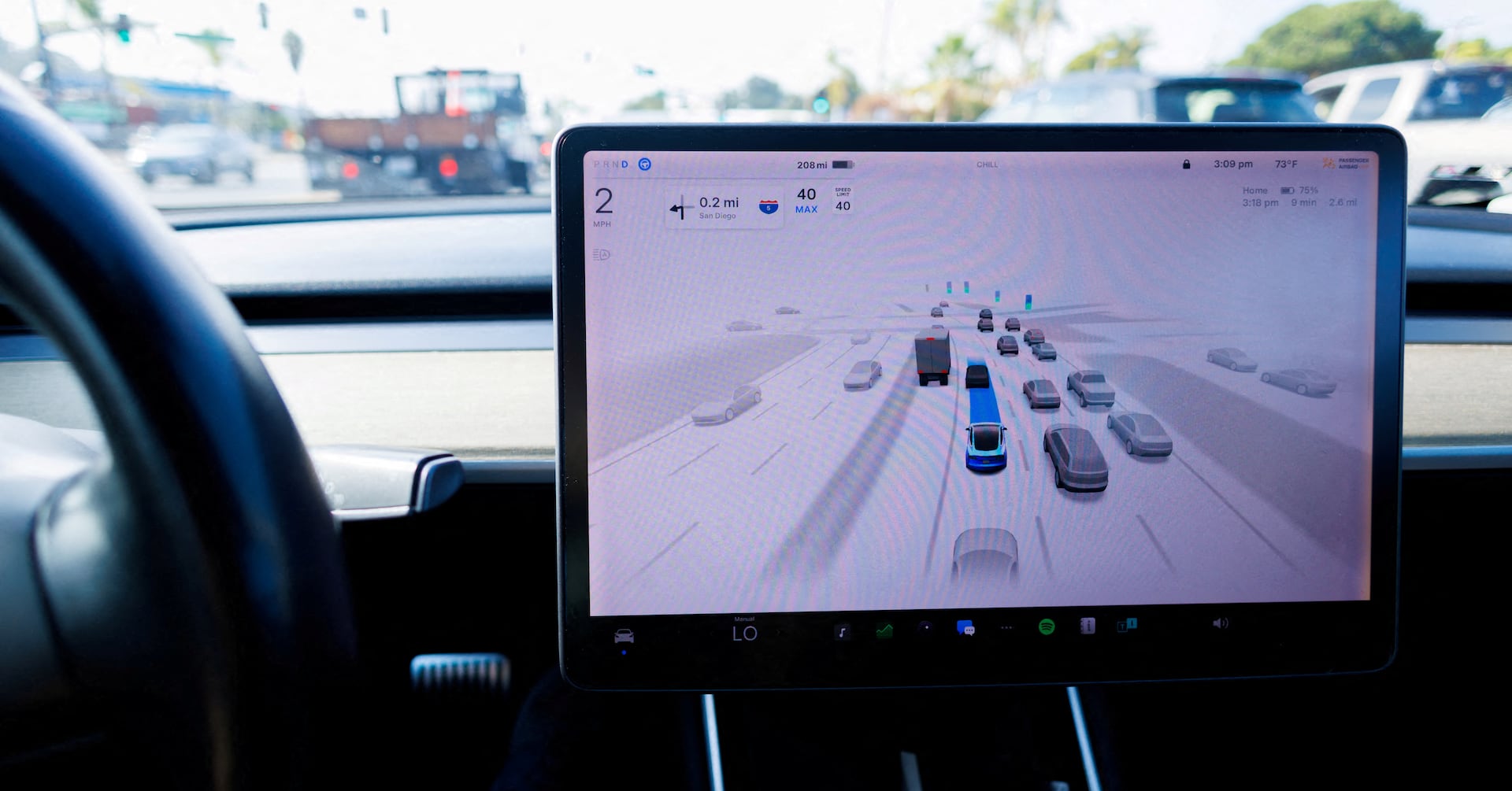
Tesla's decision to shift focus to developing self-driving robotaxis on its small-car vehicle platform is a risky bet, as the successful introduction of autonomous vehicles is still far off and faces engineering and regulatory hurdles. The company's emphasis on robotaxis comes with increased risk due to the complexity of the technology involved, and analysts believe that the industry is nowhere near proving the performance of self-driving vehicles. Tesla's Autopilot and Full Self-Driving driver-assistance systems are under unprecedented scrutiny from lawsuits and government investigations, and the company faces challenges in meeting federal and local rules for taxi fleets and autonomous vehicle testing.
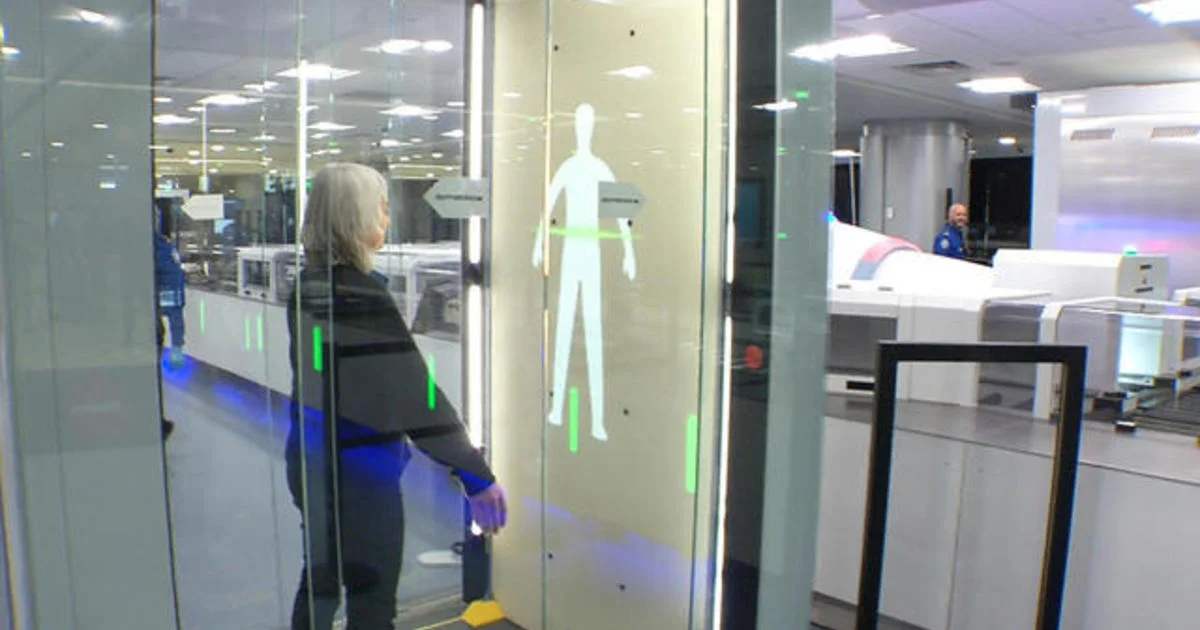
The Transportation Security Administration has introduced new self-screening technology at the Harry Reid International Airport in Las Vegas, aiming to make security checks faster and safer for travelers. The system, which draws comparisons to self-checkout lanes at supermarkets, features automated conveyors for luggage, a more sensitive detection system, and virtual agents to assist passengers. While still in the testing phase, the technology is designed to enhance security, efficiency, and the passenger experience, with the potential to reduce the number of TSA agents needed at each checkpoint.
Apple is reportedly scaling down its efforts to develop a fully autonomous electric vehicle and is now focusing on creating an electric car with "limited" self-driving features, similar to Tesla's advanced driver-assistance systems for highways. The company's car may not be introduced until 2028 at the earliest, and there is a possibility that the project could be reconsidered altogether. Apple has been rumored to be working on an autonomous car for years, and this shift in focus represents a significant change in its approach to autonomous technology.
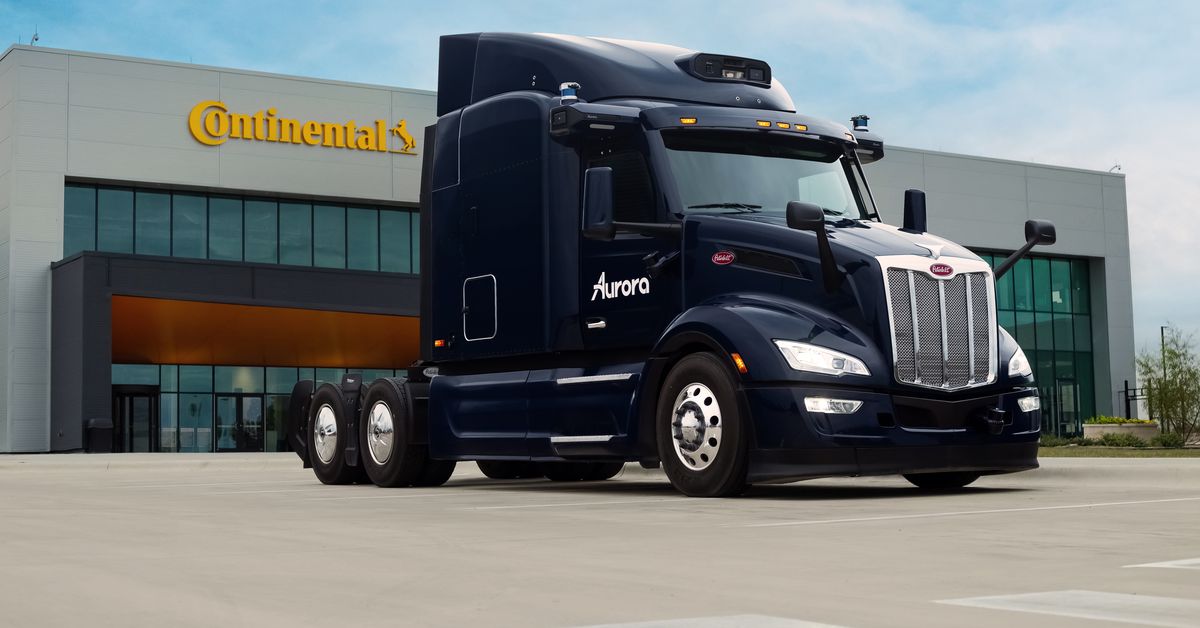
Aurora Innovation has completed the design and architecture of its Aurora Driver, a self-driving technology for semi trucks, in partnership with Continental. They plan to start production in 2027, with a few driverless trucks expected to be deployed by the end of 2024. The company aims to scale up to thousands of trucks within three years and has existing deals with Volvo and Paccar. Despite challenges faced by the autonomous vehicle industry, Aurora is taking a conservative approach to commercialization, focusing on building and testing prototypes and ensuring a reliable fallback system. Aurora and Continental will also develop a service playbook for customers.