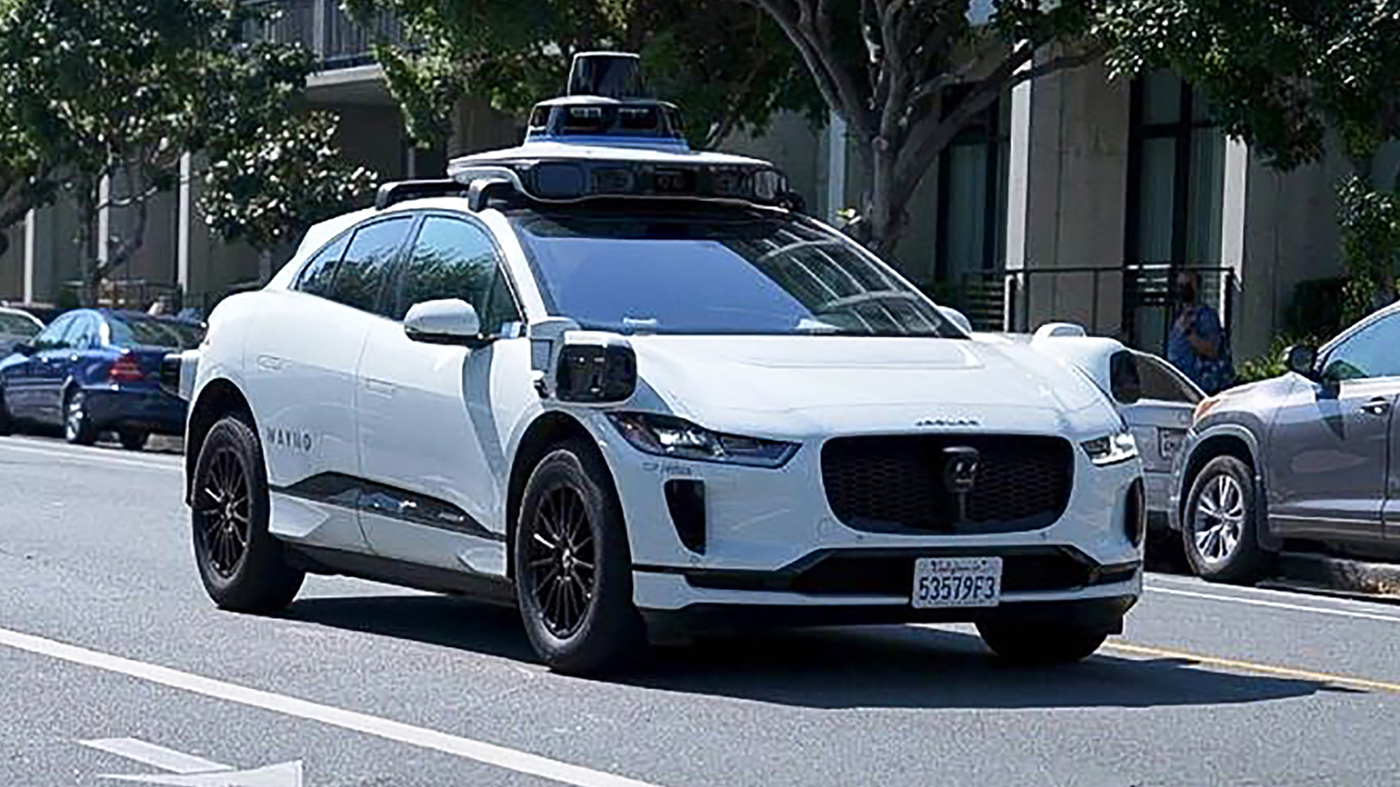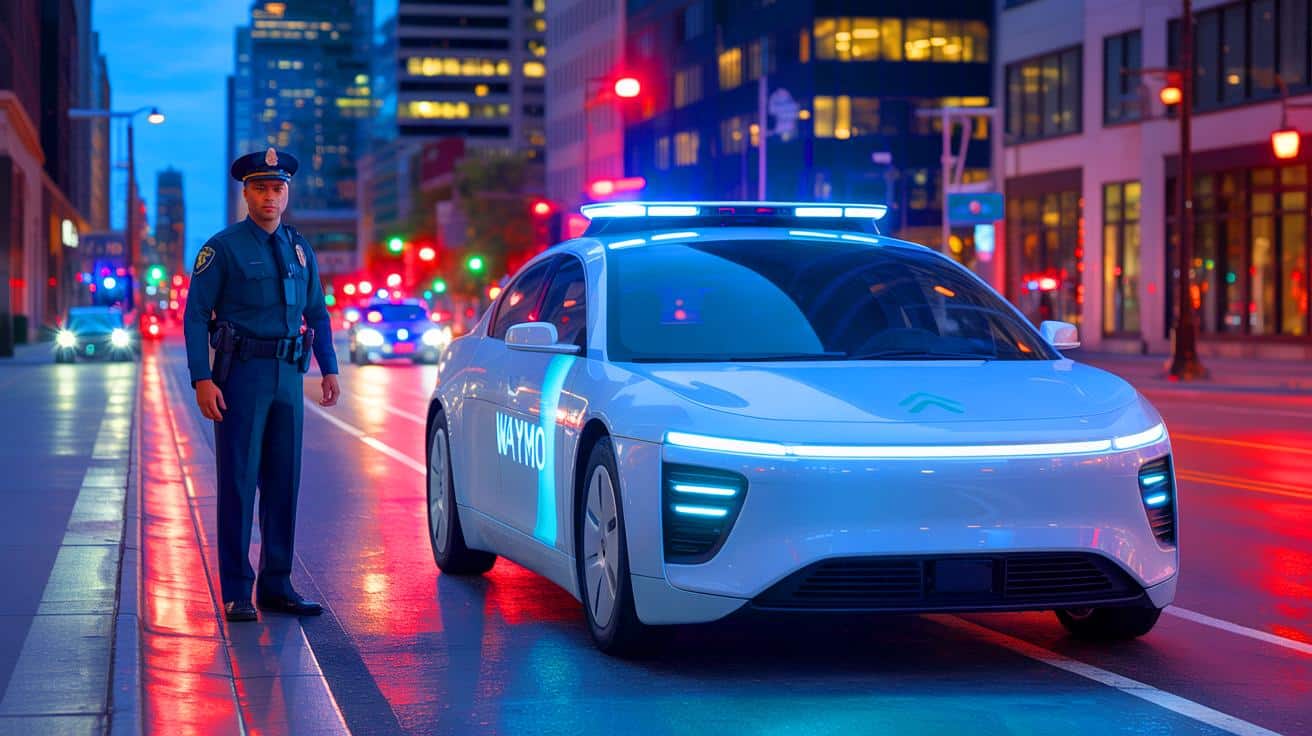
In San Bruno, police encountered a driverless Waymo vehicle making an illegal U-turn, highlighting legal and regulatory gaps in managing autonomous cars, as legislation is being discussed to address enforcement issues. The incident underscores the need for updated laws and protocols as autonomous vehicles become more common on roads.
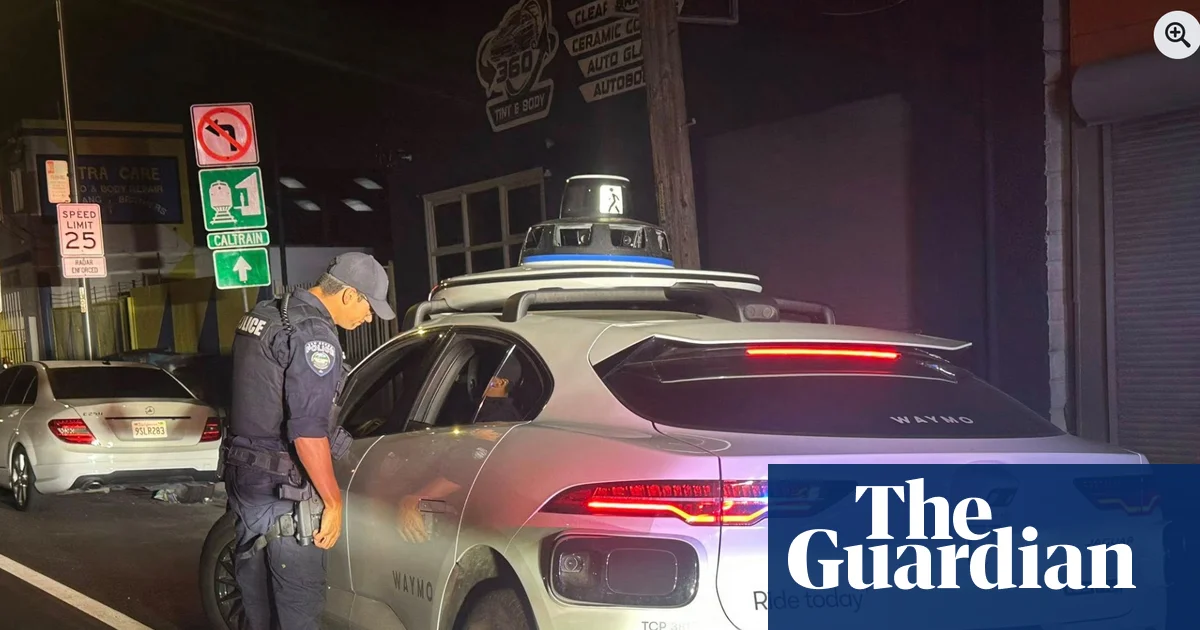
A California police department struggled to issue a ticket to a driverless Waymo vehicle that made an illegal U-turn, highlighting legal and procedural challenges surrounding autonomous cars, especially as new laws are being enacted to regulate their behavior and interactions with first responders.
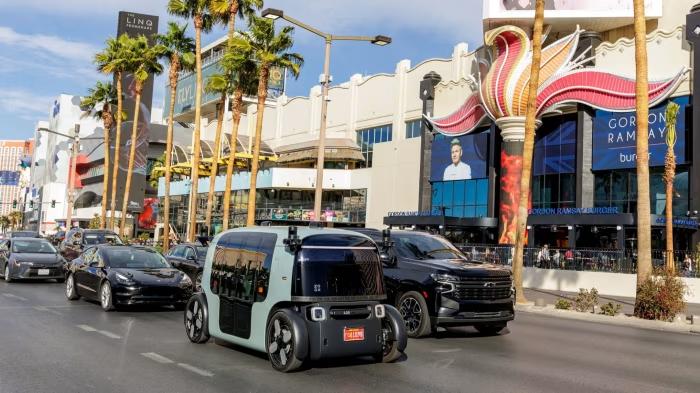
Amazon's autonomous vehicle subsidiary Zoox is launching a public robotaxi service in Las Vegas, marking its first step in offering driverless rides to the public and competing with companies like Waymo and Tesla in the US autonomous vehicle market. The service will initially be free and limited to specific destinations on the Strip, with plans to expand to other cities and increase vehicle deployment. Zoox's vehicles are unique in being built from the ground up without a steering wheel, and the company aims to produce around 5,000 robotaxis annually by the end of 2024.
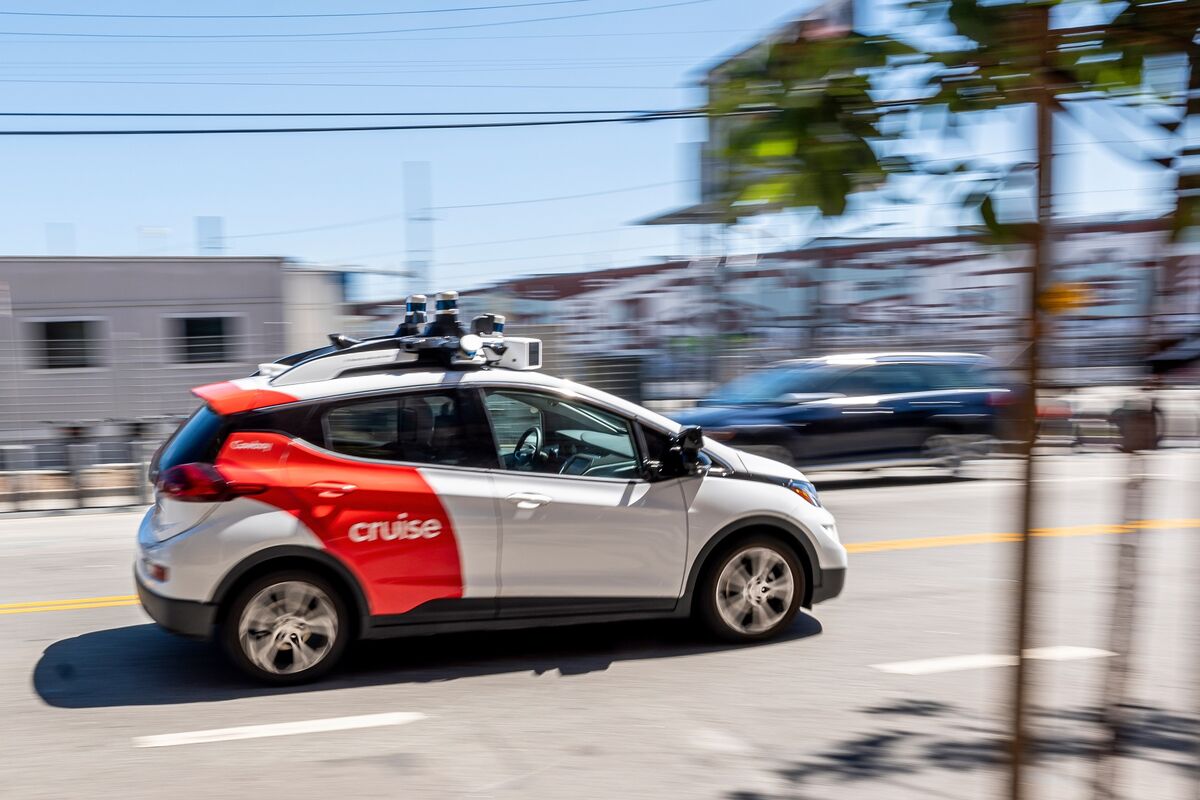
General Motors is reviving its efforts to develop autonomous vehicles for personal use, focusing on hands-free and eyes-free driving, after restructuring its Cruise division and laying off employees. Led by Sterling Anderson, GM aims to accelerate self-driving tech development, despite previously exiting the robotaxi market due to costs and safety issues. The company remains committed to autonomous vehicle innovation, with plans to hire new talent and expand its research efforts.
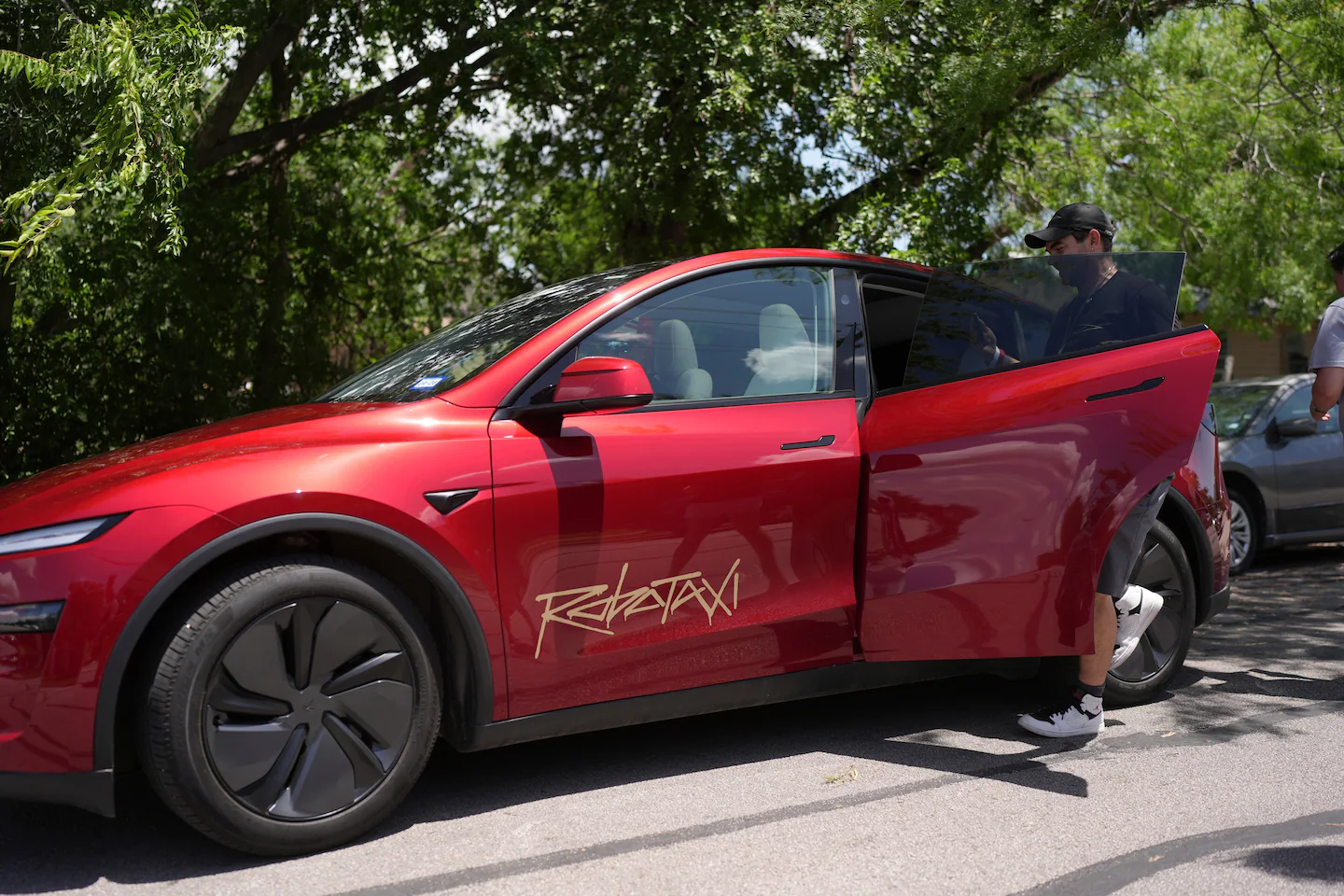
Tesla launched its long-anticipated Robotaxi service in Austin, offering initial rides to social media influencers and investors, with a human observer present in the vehicles.
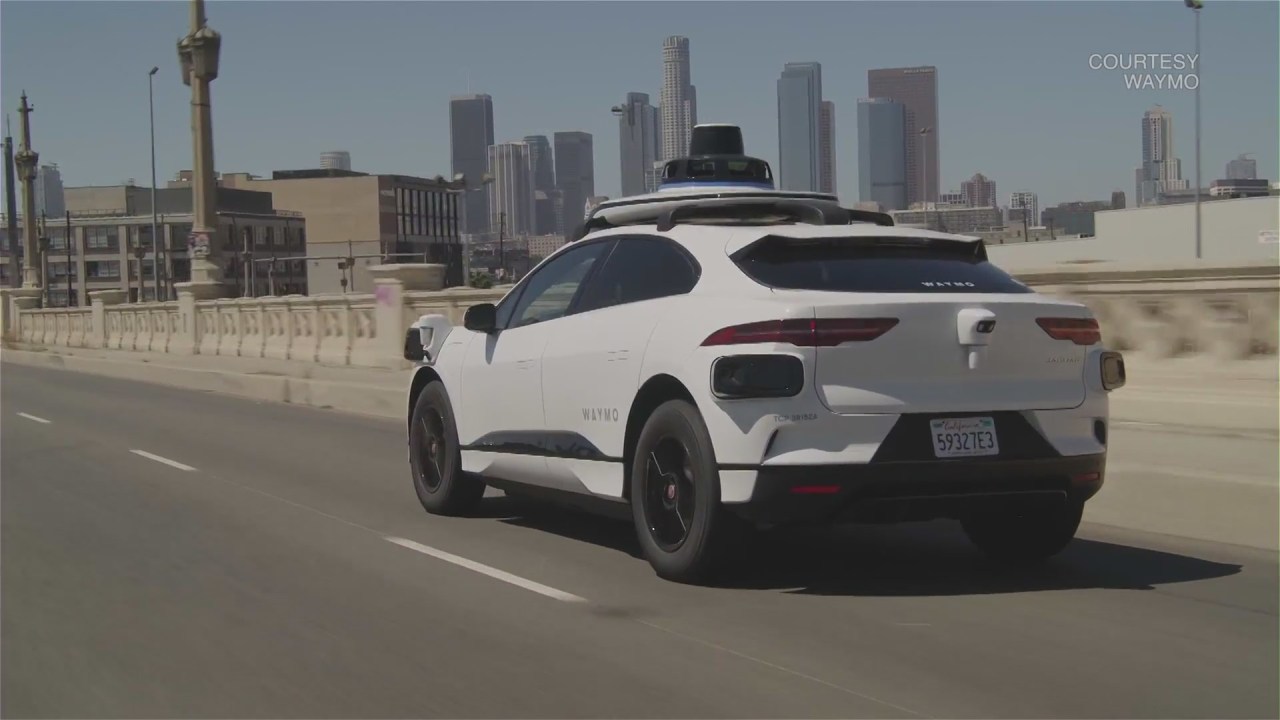
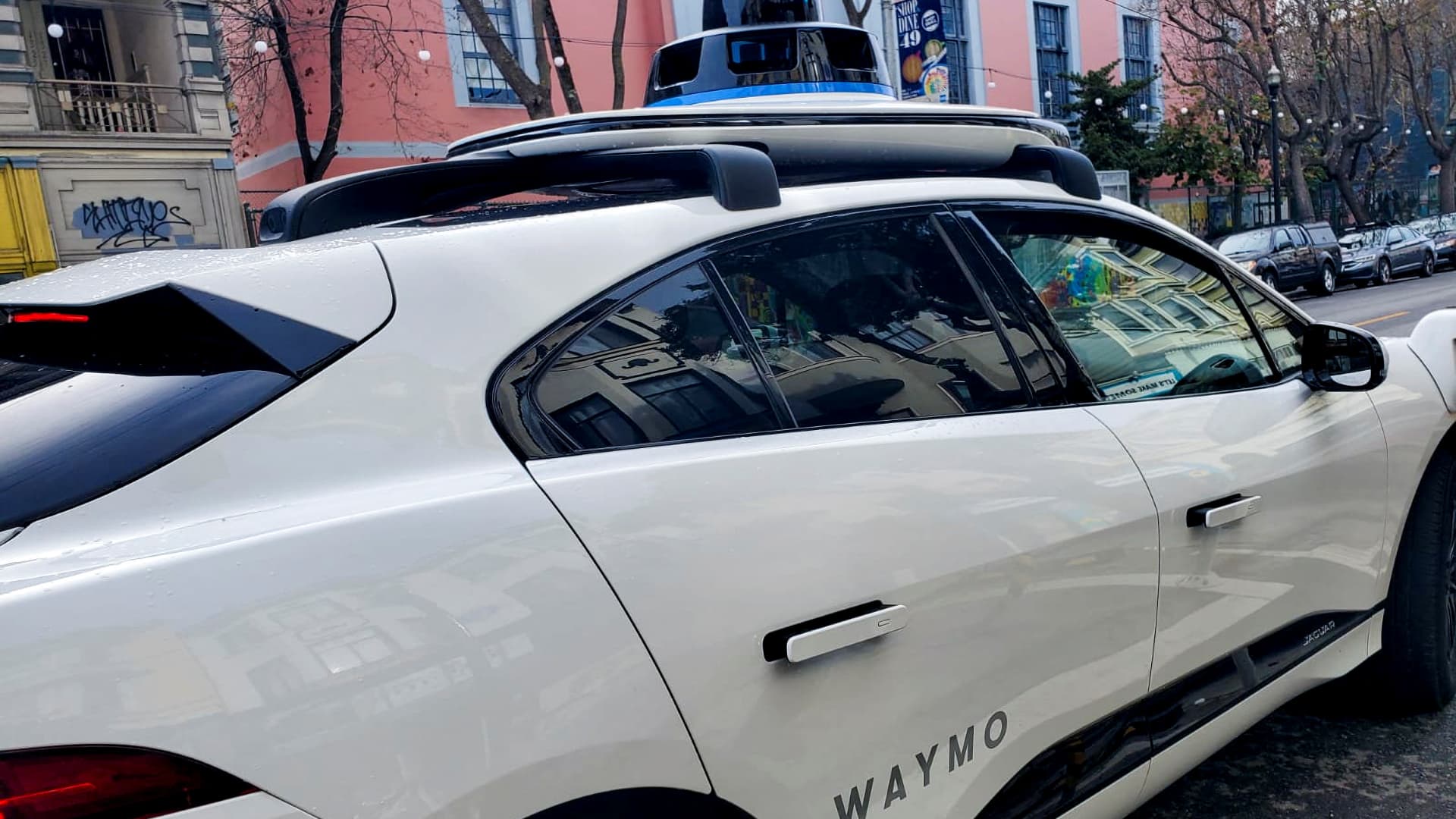
Waymo's driverless robotaxi service is expanding into Los Angeles with around 50 vehicles, sparking both excitement and concern. While supporters tout the smooth and delightful rides, labor leaders and local lawmakers express worries about job displacement, safety hazards, and the potential impact on public safety. Despite claims of safety and reliability from companies like Waymo and Cruise, controversies and incidents in San Francisco have fueled skepticism and opposition to the introduction of autonomous vehicles in Los Angeles.
Waymo has received approval from the California Public Utilities Commission to launch its robotaxi service in Los Angeles and San Mateo counties in the coming months, allowing the company to operate autonomous vehicles to carry passengers. While Waymo plans to take a careful and incremental approach to expansion, some local officials, including L.A. Mayor Karen Bass and L.A. County Supervisor Janice Hahn, have expressed opposition to the decision, citing concerns about the safety and impact of the driverless vehicles on the city.
Waymo has issued a voluntary recall for its self-driving vehicle software after two incidents in which its robotaxis crashed into the same towed pickup truck in Phoenix. The company's automated driving system incorrectly predicted the motion of the towed vehicle, resulting in minor vehicle damage and no injuries. Waymo updated the software during regular maintenance and recharging, with no interruption to its ride-hailing service. This comes amid public backlash over the testing and deployment of driverless vehicles, with Waymo generally facing less criticism compared to its competitors.
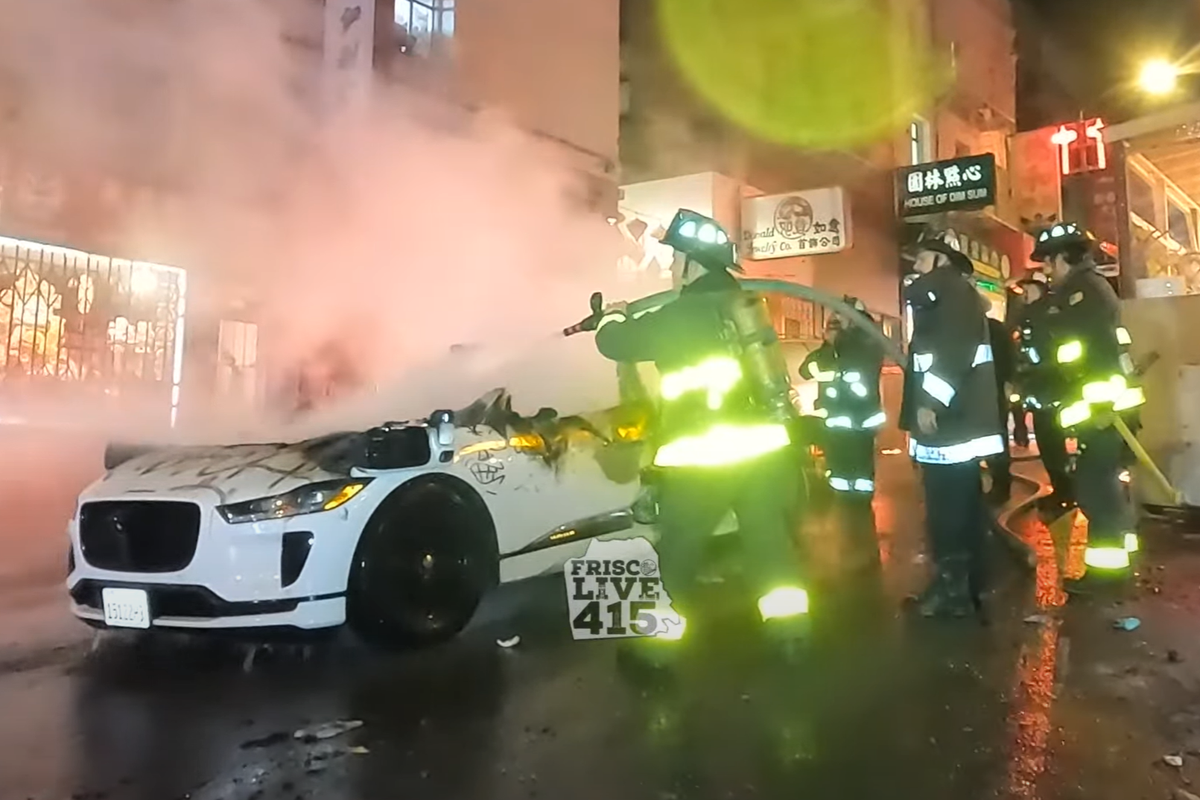
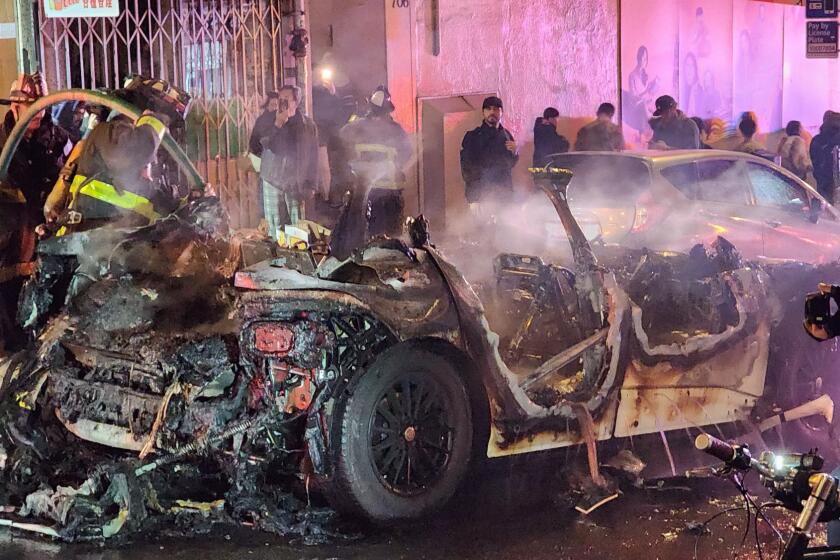
A driverless taxi owned by Waymo, the autonomous driving unit of Google’s parent company Alphabet, was targeted by vandals in San Francisco, who smashed its windows, covered it in paint, and set off fireworks inside, causing a fire. No passengers were inside at the time, and no injuries were reported. This incident comes amid increasing frustration with driverless cars in San Francisco, with the California Department of Motor Vehicles banning Waymo rival Cruise from operating robotaxis and city officials blaming the technology for obstructing emergency vehicles and causing traffic. Additionally, a recent collision involving a self-driving car and a cyclist is under investigation, and a pair of Super Bowl ads called for a boycott of Tesla's allegedly "defective self-driving software."
A Waymo robotaxi was vandalized and set on fire in San Francisco's Chinatown, with a crowd surrounding the vehicle, scrawling graffiti, smashing windows, and throwing a firework inside. No injuries were reported, and the motive for the attack is unclear. Tensions over driverless cars have been rising, with concerns about safety and regulation, as Waymo expands its fleet in cities like Los Angeles.
German startup Vay has launched its "teledriving" service in the U.S., allowing cars to be driven remotely by human operators. The company's service, now live in Nevada, enables users to have cars delivered by remote drivers and then choose to have a teledriver take over and park the car. Vay's CEO emphasizes the safety and compliance of their technology with local laws. Vay aims to offer a cost-effective alternative to self-driving car services like Tesla and Waymo, believing that their human-driven approach will be more efficient and affordable.
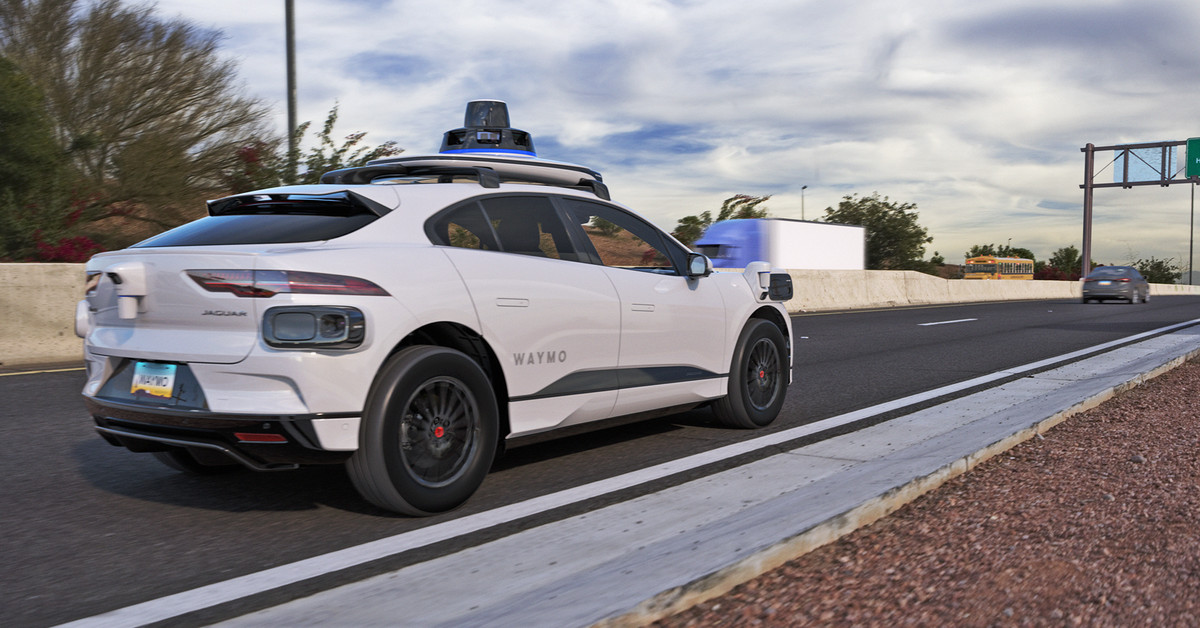
Waymo is set to begin testing its driverless vehicles on highways and freeways in and around Phoenix, initially limited to company employees and their guests. The autonomous Jaguar I-Pace SUV will be used for these tests, with a focus on providing faster routes to Phoenix airports. Waymo has been gradually increasing freeway testing over the past year and aims to offer a true self-driving experience without a specialist in the front seat. The company's safety record is highlighted, in contrast to incidents involving rival Cruise's robotaxi service.
Waymo's fully driverless vehicles will now be operating on Phoenix's freeways, initially offering rides to employees and their friends before expanding to paying passengers through the Waymo One ridehailing app. This move aims to address customer concerns about longer trip times due to the avoidance of highways by self-driving cars. Waymo plans to collect data and feedback from passengers to improve highway driving and hopes to provide faster routes, particularly for trips to Phoenix's airports, which are a key source of revenue for ridehailing services.
General Motors' driverless car subsidiary, Cruise, has been facing major setbacks, including the recent resignation of CEO Kyle Vogt following an incident involving a hit-and-run victim. Cruise's permit to operate driverless cars in California was suspended, leading to a nationwide pause in operations. The company has recalled all 950 vehicles, appointed a new chief safety officer, and initiated an independent safety audit. Co-founder and Chief Product Officer Dan Kan is also stepping down. GM now faces a difficult decision on whether to continue investing in self-driving cars or cut its losses. Other automakers have scaled back their autonomous ambitions, but GM has remained bullish, despite losing $8.2 billion on Cruise since 2017. The company is now taking a more direct role in Cruise's operations, with GM general counsel Craig Glidden serving as co-president alongside Mo Elshenawy.
Cruise, General Motors' autonomous vehicle unit, has announced a pause on all public road operations, including both supervised and manual driving, as part of an expanded safety review. The decision comes after a series of safety concerns and incidents, including a recent pedestrian collision that led to a recall of 950 robotaxis. The California Department of Motor Vehicles had previously suspended Cruise's deployment and testing permits, and federal auto safety regulators are also investigating the company. Cruise will now undergo a full safety review, hire an independent safety expert, and expand the probe into its technology and safety systems. The company also announced a reorganization and increased oversight from GM.