A woman shares her harrowing experience of being dismissed by her doctor despite symptoms of a rare, aggressive cancer, highlighting issues of gender bias, systemic healthcare delays, and the importance of self-advocacy in medical care. Her story underscores the critical need for patients to persist in seeking timely diagnosis and treatment, especially for women and those with rare conditions.
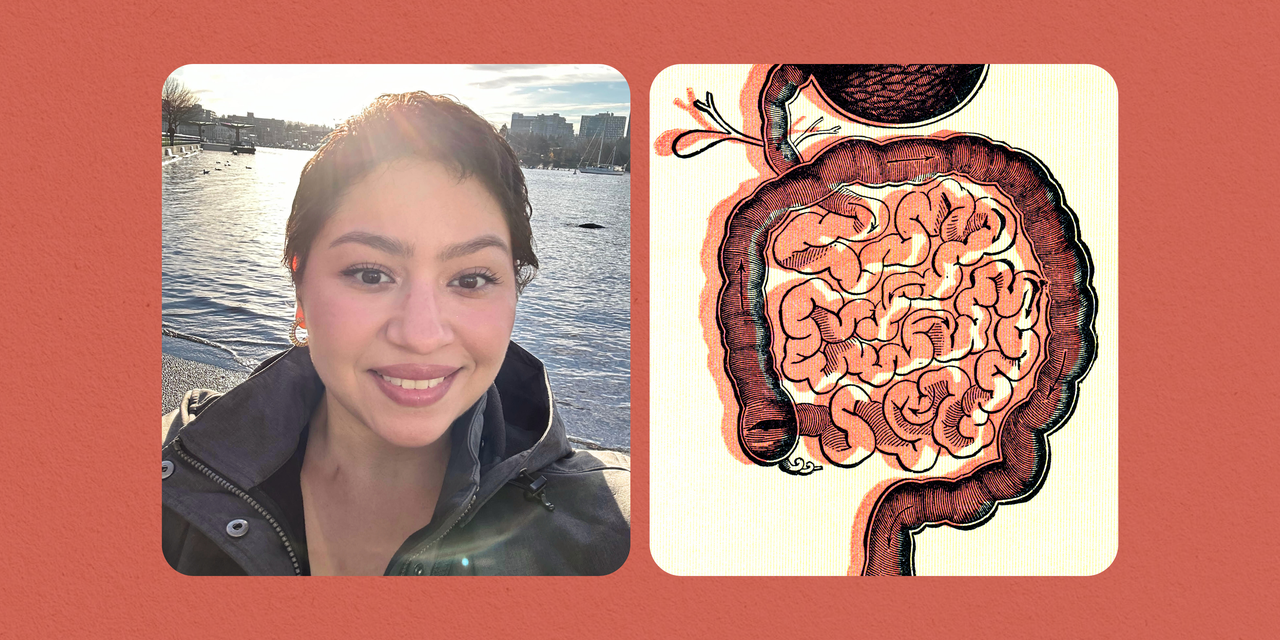
Jackie Garcia's five-year journey to diagnose a large tumor highlights the challenges faced by women of color and plus-size women in healthcare, emphasizing the importance of self-advocacy and addressing unconscious biases to ensure timely diagnosis and treatment.
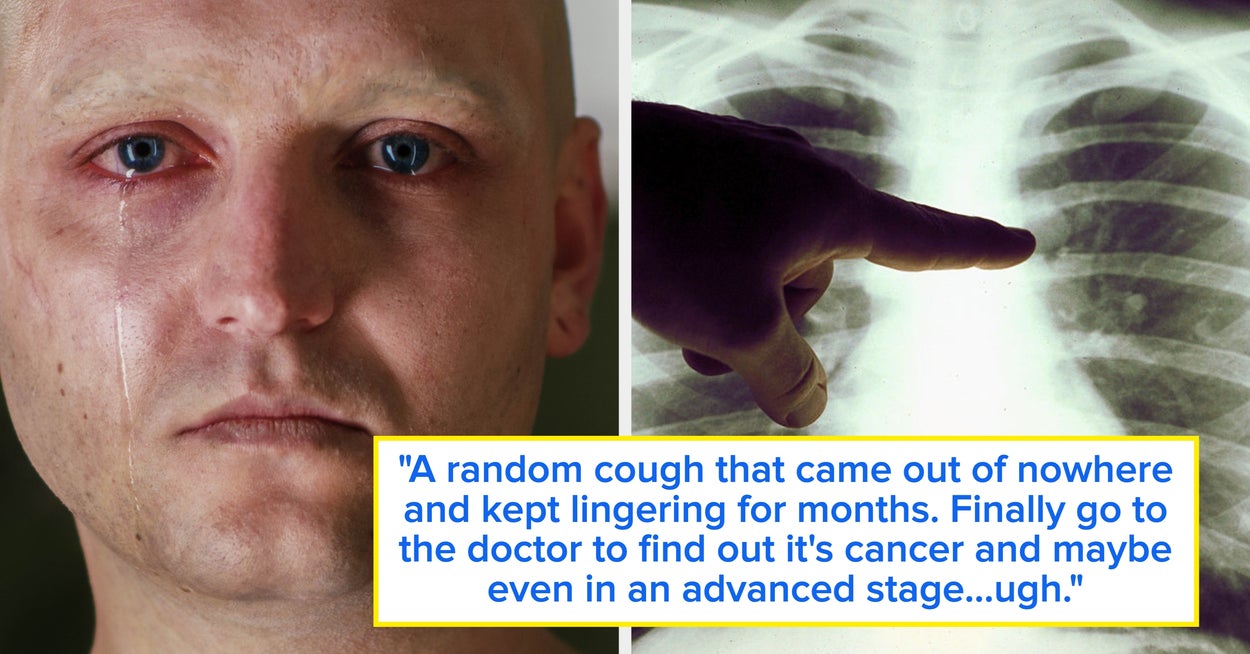
The article highlights the importance of recognizing early signs of cancer through personal stories shared on Reddit, emphasizing that early detection can significantly improve outcomes. It encourages body awareness and proactive medical consultation when symptoms like unusual bleeding, persistent pain, or unexplained weight loss occur, to avoid late-stage diagnoses and improve survival chances.
The article advises that the woman should take her time to build the relationship without rushing into meeting her partner's daughter, emphasizing the importance of self-advocacy and patience to ensure a healthy relationship and reduce anxiety.
Jenna Scott was diagnosed with stage 4 colon cancer at age 31 after her symptoms were initially dismissed as pregnancy-related, leading to delayed diagnosis and ongoing treatment. Despite the challenges, she continues to manage her health while raising awareness about the importance of self-advocacy and regular check-ups for young people.
Christine Kalafus was misdiagnosed with a clogged milk duct during pregnancy, which delayed her breast cancer diagnosis until it was aggressive and advanced, leading to a life-threatening situation that she now advocates women to trust their instincts and stand up for themselves in medical settings.
Amanda Eilian, a 33-year-old mother from New York, was diagnosed with stage 2 melanoma after her 2-year-old daughter mistook a mole on her wrist for a chocolate stain. Despite initial dismissals from her doctor, Eilian's persistence led to the mole's removal and subsequent diagnosis. Her experience underscores the importance of self-advocacy and regular skin checks, especially for those with a family history of skin cancer. Eilian has since been cancer-free and advocates for proactive health measures.
Amanda Eilian, a 33-year-old mother, had a mole on her wrist that worried her for years, but doctors dismissed her concerns. It wasn't until her 2-year-old daughter pointed it out that she insisted on its removal, discovering it was stage 2 melanoma. Eilian's experience underscores the importance of self-advocacy and regular skin checks, especially for those with a family history of skin cancer. She now emphasizes proactive health measures and encourages others to trust their instincts about their bodies.
A parent seeks advice after her teenagers were embarrassed when she politely asked a server to replace a dirty glass at a restaurant. The columnist emphasizes the importance of addressing issues at businesses and the need for self-advocacy, while also cautioning against entitlement. The parent is encouraged to continue modeling polite assertiveness for her kids.
Advocating for yourself at the doctor's office can lead to a more personalized and comprehensive healthcare experience. You can ask for modern UTI testing, pain relief during IUD insertion, a butterfly needle for blood draws, anxiety medication before scans, free medication samples, a clear surgical drape during a C-section, and annual physical exams at urgent care to better meet your healthcare needs.
Raquel A. shares her experience of being diagnosed with stage four colon cancer at 32 after experiencing symptoms like frequent bowel movements, blood in stools, and abdominal pain. Despite initially being dismissed by a doctor, she eventually received a diagnosis after visiting the ER. She emphasizes the importance of self-advocacy and seeking medical help early, as her cancer had likely been present for years before diagnosis. She is undergoing chemotherapy and advocating for herself to explore treatment options, highlighting the significance of trusting one's intuition and finding doctors who listen.
A grandmother expresses anger towards her granddaughter's primary care doctor for dismissing her concerns about a lump, which turned out to be stage 2 breast cancer. The granddaughter's decision to trust her instincts and seek further testing led to early detection and treatment. The advice columnist acknowledges that the doctor may have been following guidelines but emphasizes the importance of evolving screening guidelines for younger women. In another letter, a fiancé seeks advice on boosting his partner's self-confidence and asserting their wedding planning choices. Lastly, a family adopts a puppy, but the dog becomes more attached to the mother, causing concern for the son. The columnist reassures the family that it's normal for dogs to have favorites and encourages the son to continue caring for the puppy.
The son of a doctor has shared a viral TikTok video advising female patients to bring a male friend or partner with them to medical appointments in order to be taken more seriously by doctors. He acknowledges the unfortunate and sexist nature of the advice but highlights the reality of the current healthcare system. Many users in the comments shared their own experiences of needing a male counterpart present to receive proper medical care. Sexism in healthcare, including disparities in pain management and treatment, has long been a subject of research. Women have found ways to self-advocate, such as requesting notes in their medical charts and asking for copies of their charts.
A woman shares her experience of being dismissed by her doctor when she complained of severe shortness of breath, only to later discover she had congestive heart failure. After undergoing two heart transplants, she learned the importance of advocating for herself and educating herself about her condition. She encourages others to trust their instincts, question their doctors, and seek second opinions when necessary.
A woman with a congenital heart defect shares her journey of being misdiagnosed with weight gain and pneumonia before discovering she had congestive heart failure. After educating herself about her condition, she underwent a heart transplant but later experienced rejection and required a second transplant. She emphasizes the importance of self-advocacy, educating oneself about their condition, seeking second opinions, and trusting one's instincts when it comes to healthcare.