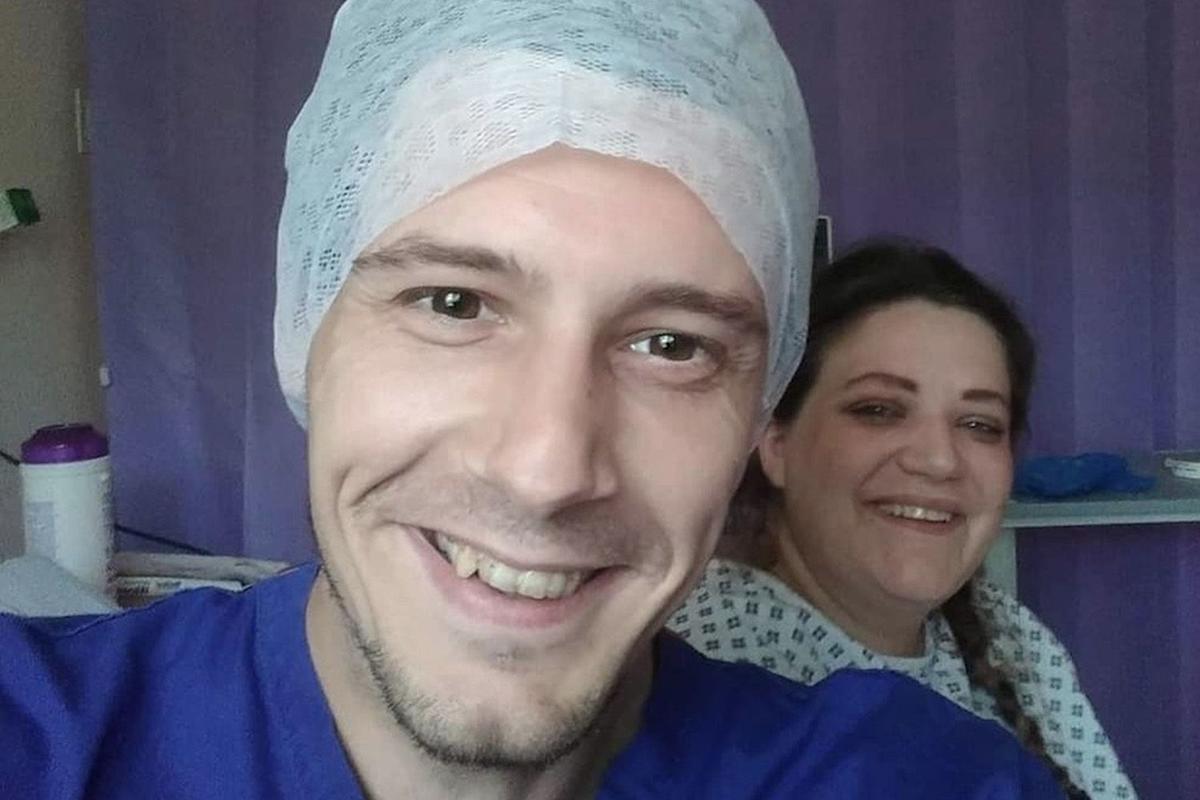
A 38-year-old man from England died two months after being diagnosed with aggressive stage 4 rectal cancer, which initially presented as back pain that he dismissed as aging, highlighting the importance of seeking medical advice for persistent symptoms.
Young adults born around 1990 face a fourfold increased risk of rectal cancer compared to those born in 1950, driven by environmental factors like obesity, Western diets, and sedentary lifestyles, with disparities affecting minority groups and challenges in diagnosis and treatment for younger patients.
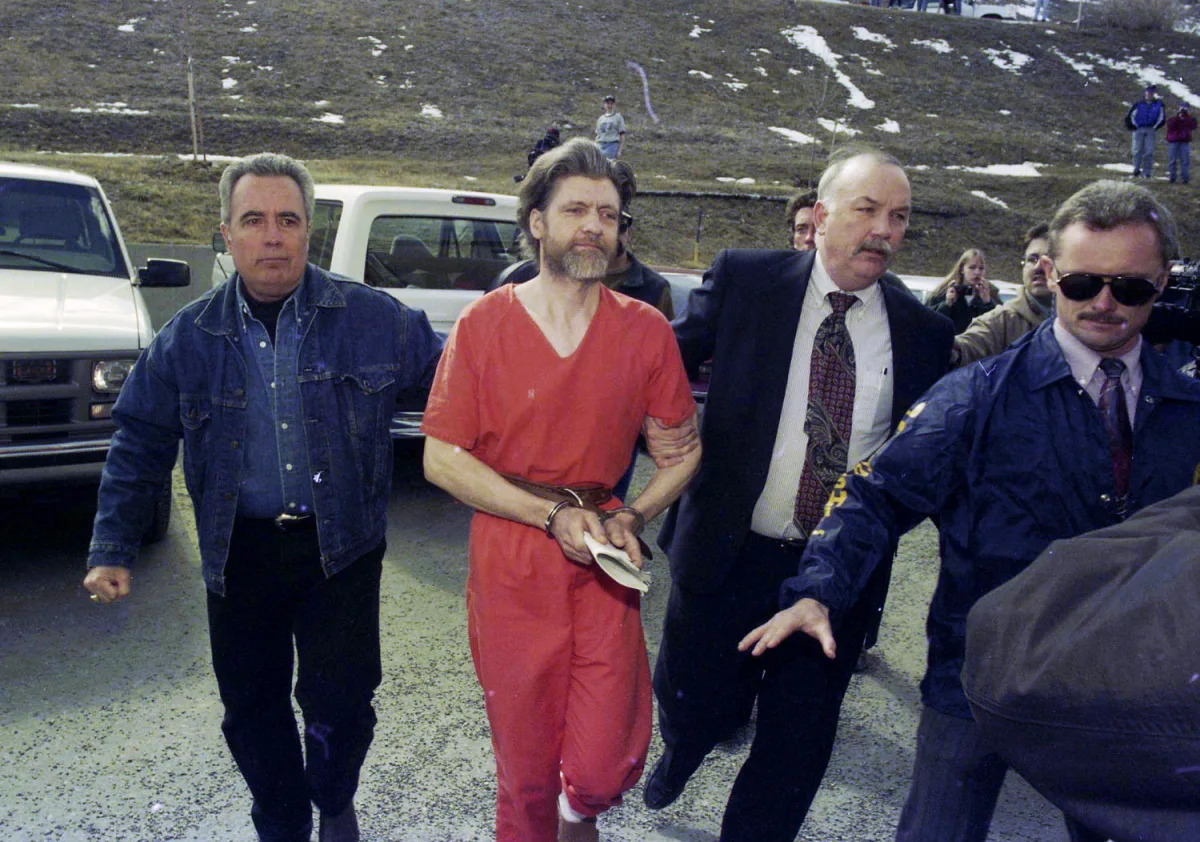
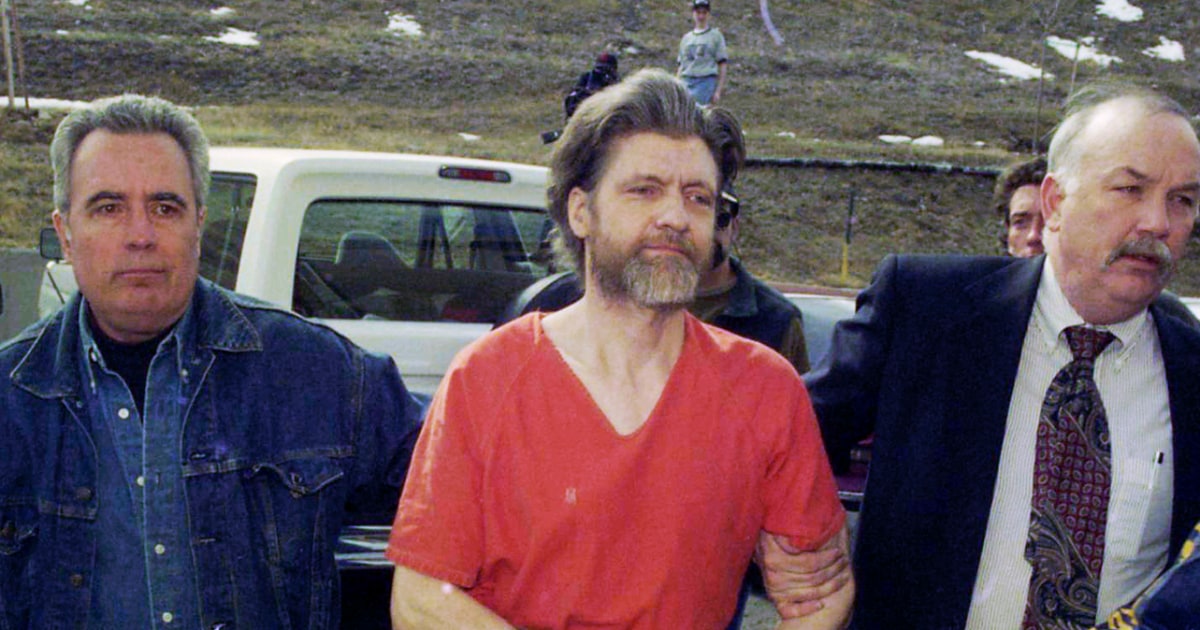
The autopsy report of "Unabomber" Ted Kaczynski reveals that he was diagnosed with late-stage rectal cancer in 2021 and was noted to be depressed a month before his suicide in 2023. His death by hanging in his solitary cell at the Federal Medical Center in Butner raises questions about preventability and access to objects for self-harm. The report also mentions his history of mental health disorders and refusal of further cancer treatments due to poor prognosis and negative side effects. Kaczynski, known for a deadly bombing spree, had been captured in 1996 and sentenced to life in prison without parole.
The autopsy report of "Unabomber" Ted Kaczynski revealed that he was diagnosed with late-stage rectal cancer in 2021 and was noted to be depressed before his suicide in 2023. Kaczynski, who waged a deadly bombing spree, took his own life in his solitary cell at the Federal Medical Center in Butner. Questions have been raised about the circumstances of his suicide, including how he had access to a shoelace. The report also mentioned extensive injuries due to chest compressions and the spread of his cancer. Kaczynski's notoriety as the "Unabomber" stemmed from his campaign of homemade pipe bombs targeting universities and an American Airlines flight.
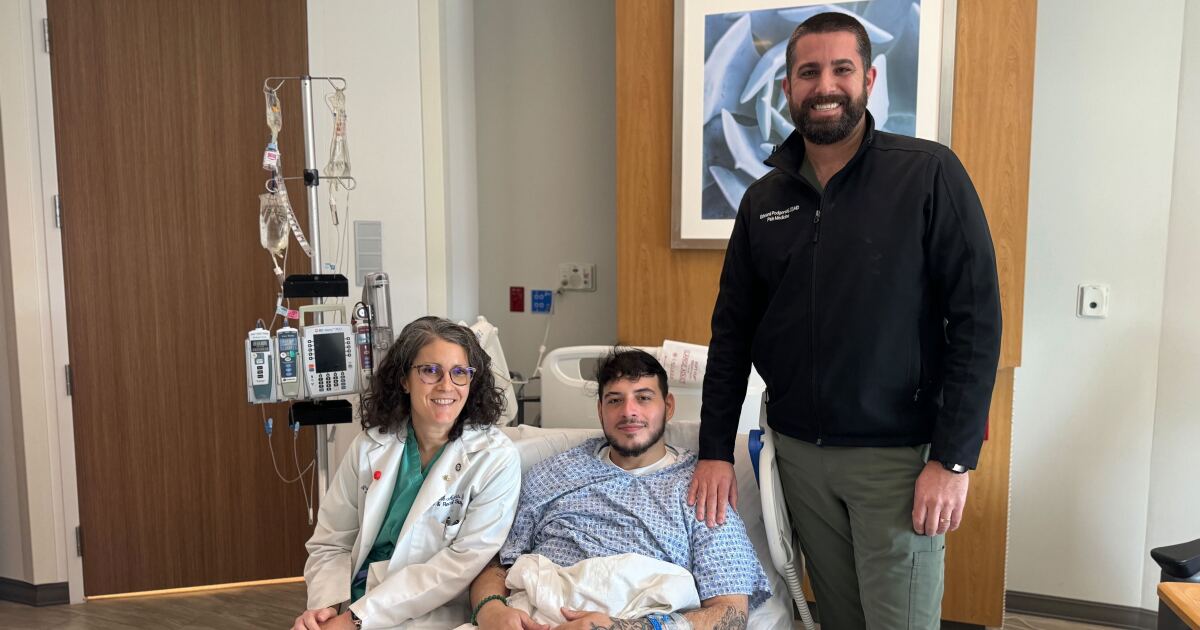
Alex Mojica, a 35-year-old man from Tampa, is warning others about the symptoms of rectal cancer after his own diagnosis. He initially ignored the symptoms but eventually sought medical help after experiencing severe abdominal pain. Doctors discovered a tumor occupying 75% of his rectum and he underwent radiation, chemotherapy, and surgery. Dr. Elizabeth Myers, a colorectal surgeon, emphasized the importance of not ignoring symptoms such as weight loss, abdominal pain, changes in bowel habits, and rectal bleeding. Mojica hopes to inspire others by sharing his story and has started a GoFundMe page to support his journey.
The rates of colorectal cancer, including colon and rectal cancer, are increasing among young people globally, and the reasons for this trend are unclear. Potential risk factors include inactivity, a lack of dietary fiber, obesity, alcohol consumption, and tobacco use. A high-fat diet has been found to increase colorectal cancer risk in mice by affecting the gut microbiome and increasing bile acids. However, the study's findings cannot be directly translated to humans, and further research is needed to understand the impact of a high-fat diet on the human microbiome and bile acids.
A clinical trial conducted by Memorial Sloan Kettering Cancer Center found that rectal cancer patients may be able to avoid radiation therapy before surgery and rely solely on chemotherapy. The trial included over 1,100 participants with locally advanced rectal cancer who were given either FOLFOX or the traditional pre-surgery chemoradiation combination. The study found that individuals who underwent FOLFOX experienced results that were just as favorable as the more traditional, painful chemotherapy and radiation therapy. By avoiding radiation, individuals could avoid hindered sexual function and fertility. However, any cancer treatment poses the risks of side effects, and patients who can’t risk a loss of dexterity may want to opt for traditional chemoradiation therapy.
A large clinical trial has found that rectal cancer patients may not need radiation therapy, which can have serious side effects such as infertility and sexual dysfunction. The study, which focused on patients with locally advanced rectal cancer, found that radiation treatment did not improve outcomes compared to chemotherapy and surgery alone. The results could give more than 10,000 patients annually in the United States the option to forgo radiation therapy. The trial is part of a new direction for cancer researchers, who are starting to ask if there are elements of successful treatments that can be eliminated to provide patients with a better quality of life.