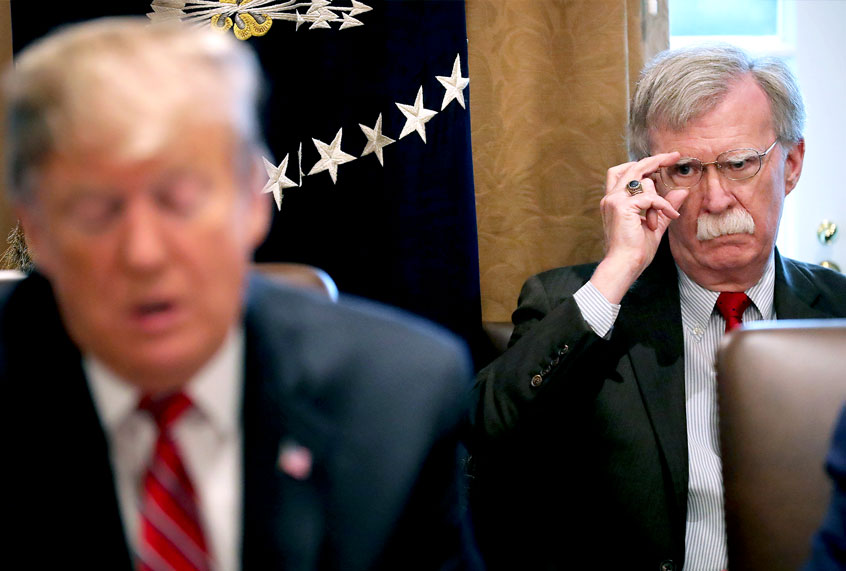
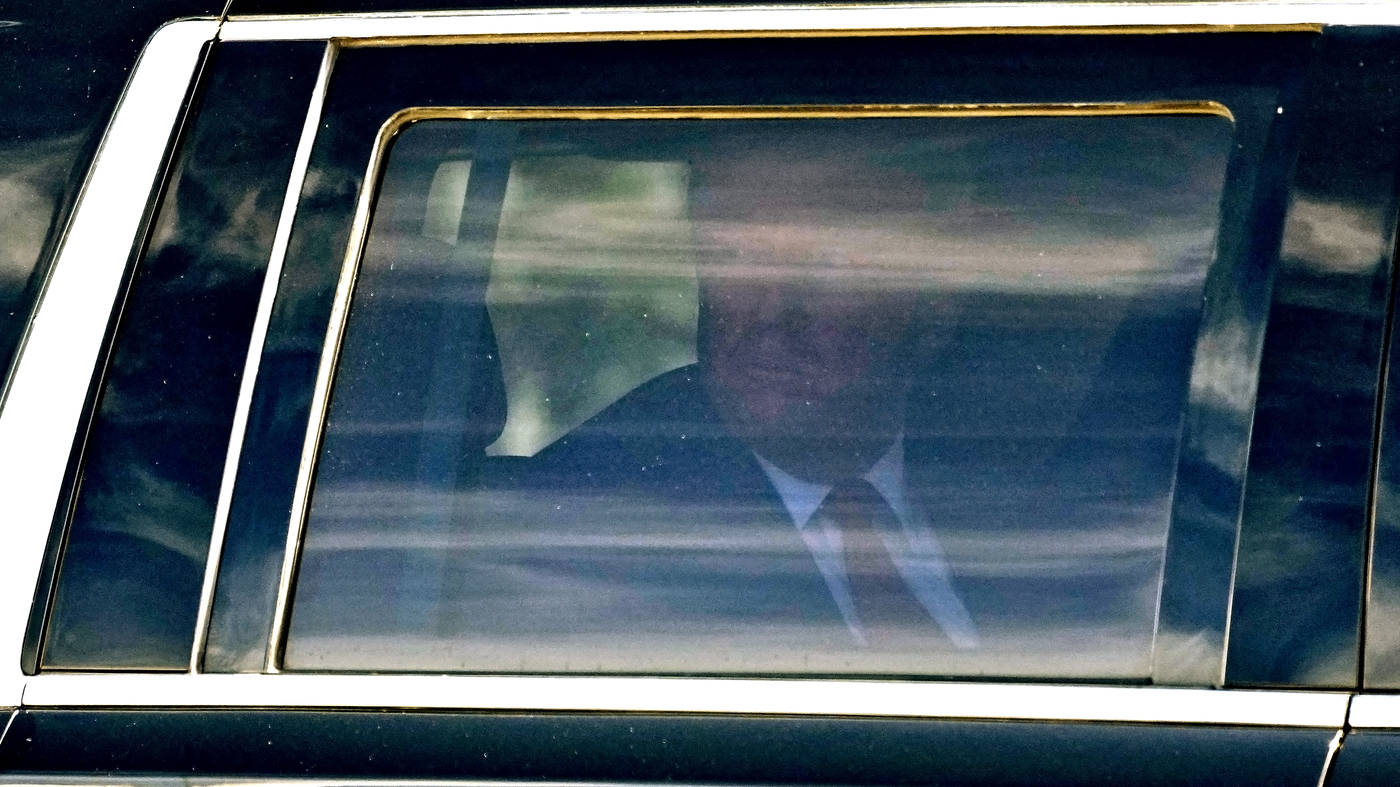
John Bolton, former national security adviser to Donald Trump and critic of the former president, surrendered to authorities on federal charges related to mishandling classified information, including transmitting and retaining sensitive documents, under the Espionage Act. The indictment alleges Bolton shared classified notes via personal email and messaging accounts with individuals lacking security clearances, and he plans to contest the charges, asserting his conduct was lawful.
John Bolton, former national security adviser to Donald Trump, has been indicted on 18 counts for mishandling classified information, marking a significant legal development amid ongoing political tensions. The indictment accuses Bolton of transmitting highly classified diary entries to unauthorized individuals. Bolton and his lawyer deny wrongdoing, and the case is part of broader investigations into Trump critics. Meanwhile, other political events include Zelenskyy's upcoming visit to the US, NYC mayoral debates, and ongoing government funding disputes.
Former national security adviser John Bolton was indicted on 18 counts related to mishandling classified information, with charges including transmitting national defense information and retaining classified documents under the Espionage Act, amid ongoing political tensions and investigations into Trump and his associates.
John Bolton has been indicted on multiple counts of violating the Espionage Act for allegedly transmitting and retaining classified national defense information, with potential penalties of up to 10 years in prison per count. The charges stem from the investigation into his possession of classified records, including some related to weapons of mass destruction and military strikes, though Bolton's attorneys argue he did nothing wrong and that the records were unclassified or personal.
The article discusses the Trump administration's recent actions against former national security advisor John Bolton, including a raid on his home and office amid an investigation into his handling of classified information, which critics see as retaliatory and hypocritical given Trump's own record with classified documents. The piece highlights concerns about political retaliation, the use of the Espionage Act, and the broader implications for justice and accountability in government.
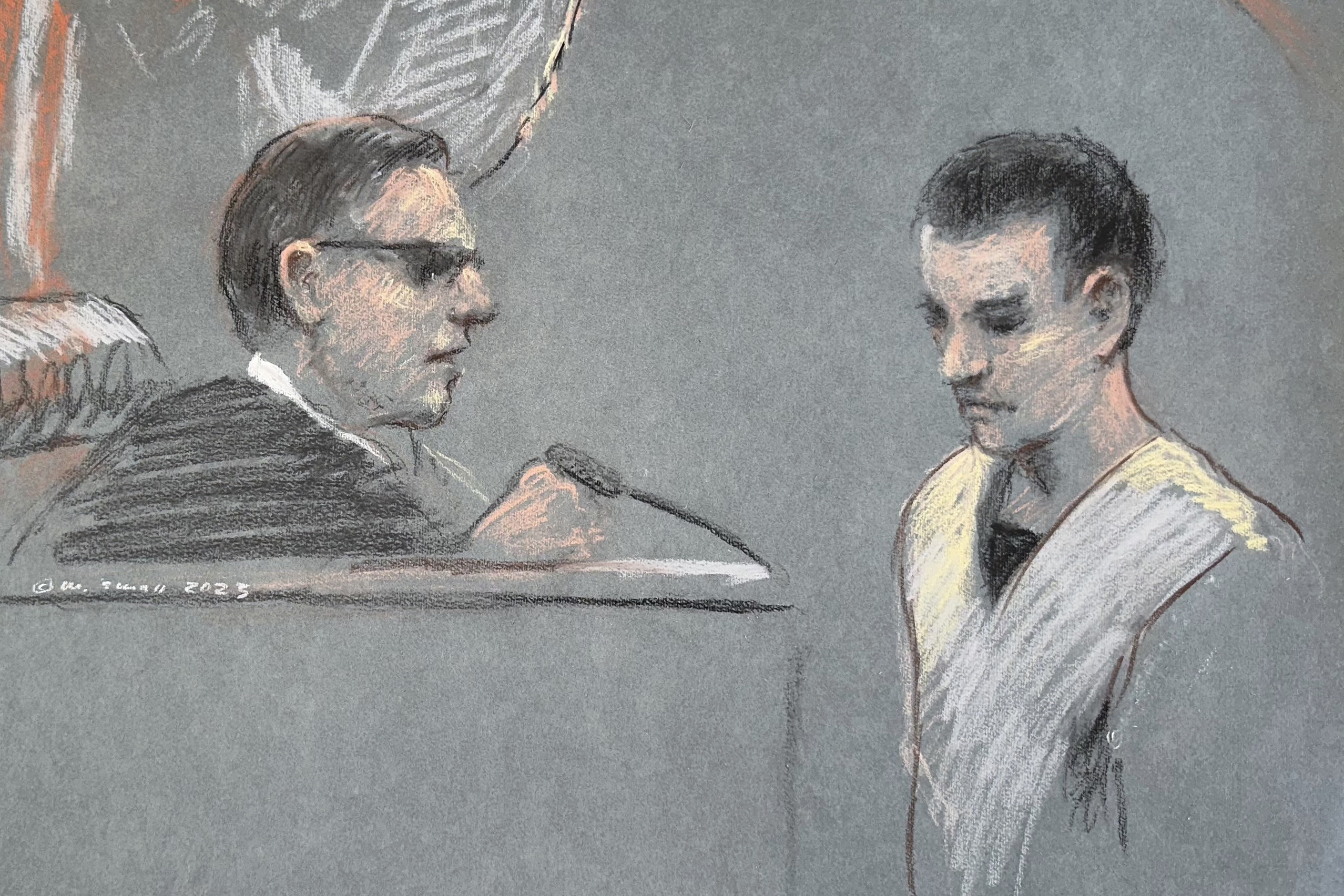
Jack Teixeira, a 22-year-old US Air National Guardsman, has been sentenced to 15 years in prison for leaking classified Pentagon documents, including intelligence on the Ukraine war, to an online platform. Teixeira pleaded guilty to the charges, which prosecutors described as one of the most significant violations of the Espionage Act in US history. Despite his defense citing personal struggles, the court emphasized the seriousness of his actions. The leak has prompted the Pentagon to review its handling of classified information.
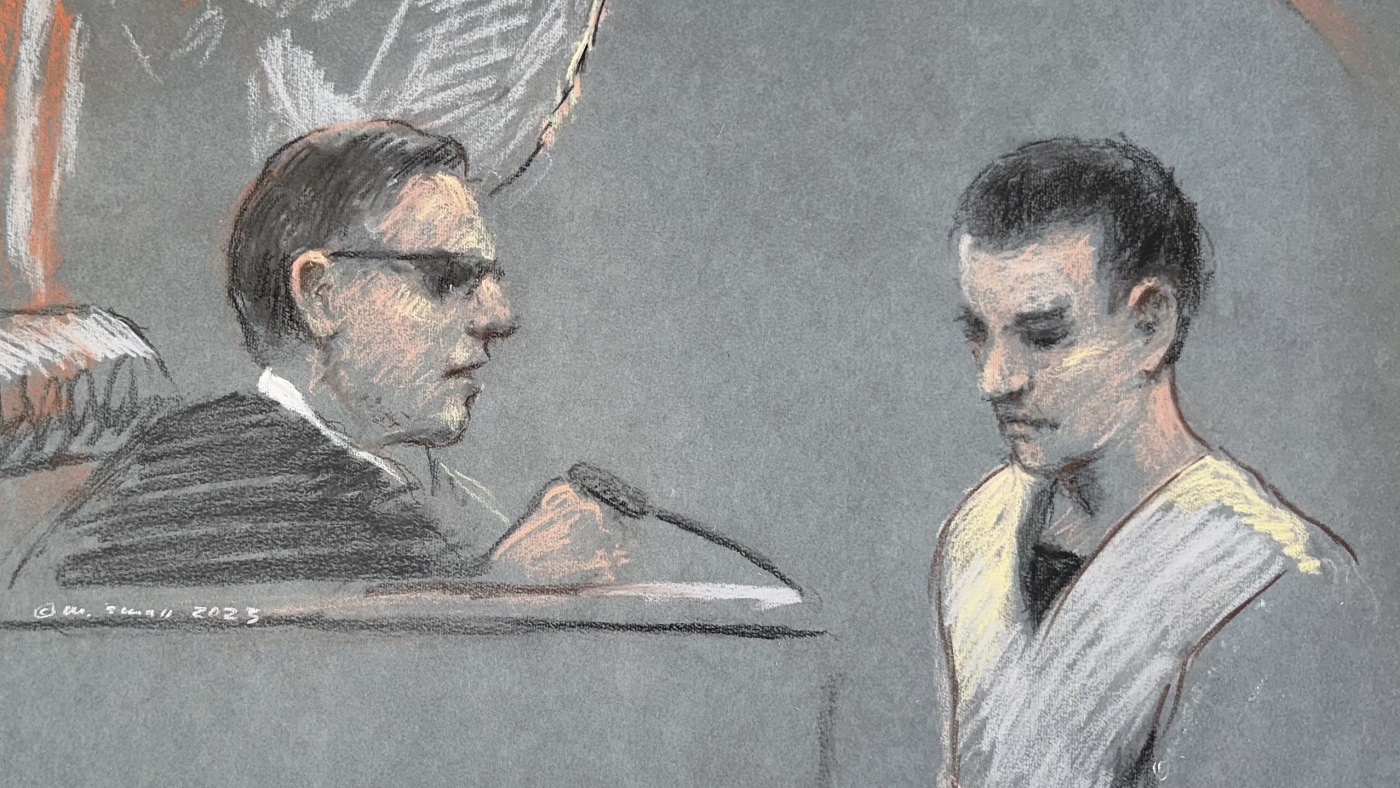
Jack Teixeira, a Massachusetts Air National Guardsman, was sentenced to 15 years in prison for leaking highly classified military documents about the Ukraine war. Teixeira pleaded guilty to six counts under the Espionage Act, admitting to sharing sensitive information on Discord. The leaks caused significant diplomatic and military fallout, prompting the Pentagon to tighten security measures. Prosecutors argued for a harsh sentence to deter similar actions, while Teixeira's defense highlighted his autism and lack of intent to harm the U.S. as mitigating factors.
Jack Teixeira, a Massachusetts Air National Guardsman, was sentenced to 15 years in prison for leaking highly classified military documents about the Ukraine war. Teixeira pleaded guilty to six counts under the Espionage Act, admitting to sharing sensitive information on Discord. The case highlighted concerns over U.S. security protocols and led to tightened controls at the Pentagon. Prosecutors argued for a harsh sentence to deter similar actions, while Teixeira's defense cited his autism and lack of intent to harm the U.S. as mitigating factors.
Jack Teixeira, a former Massachusetts Air National Guard member, was sentenced to 15 years in prison for stealing and sharing classified Pentagon information online. Teixeira pleaded guilty to six counts under the Espionage Act for leaking documents on Discord, including details about U.S. military support to Ukraine and foreign threats to American forces. He had access to these documents due to his top-secret security clearance obtained in 2021.
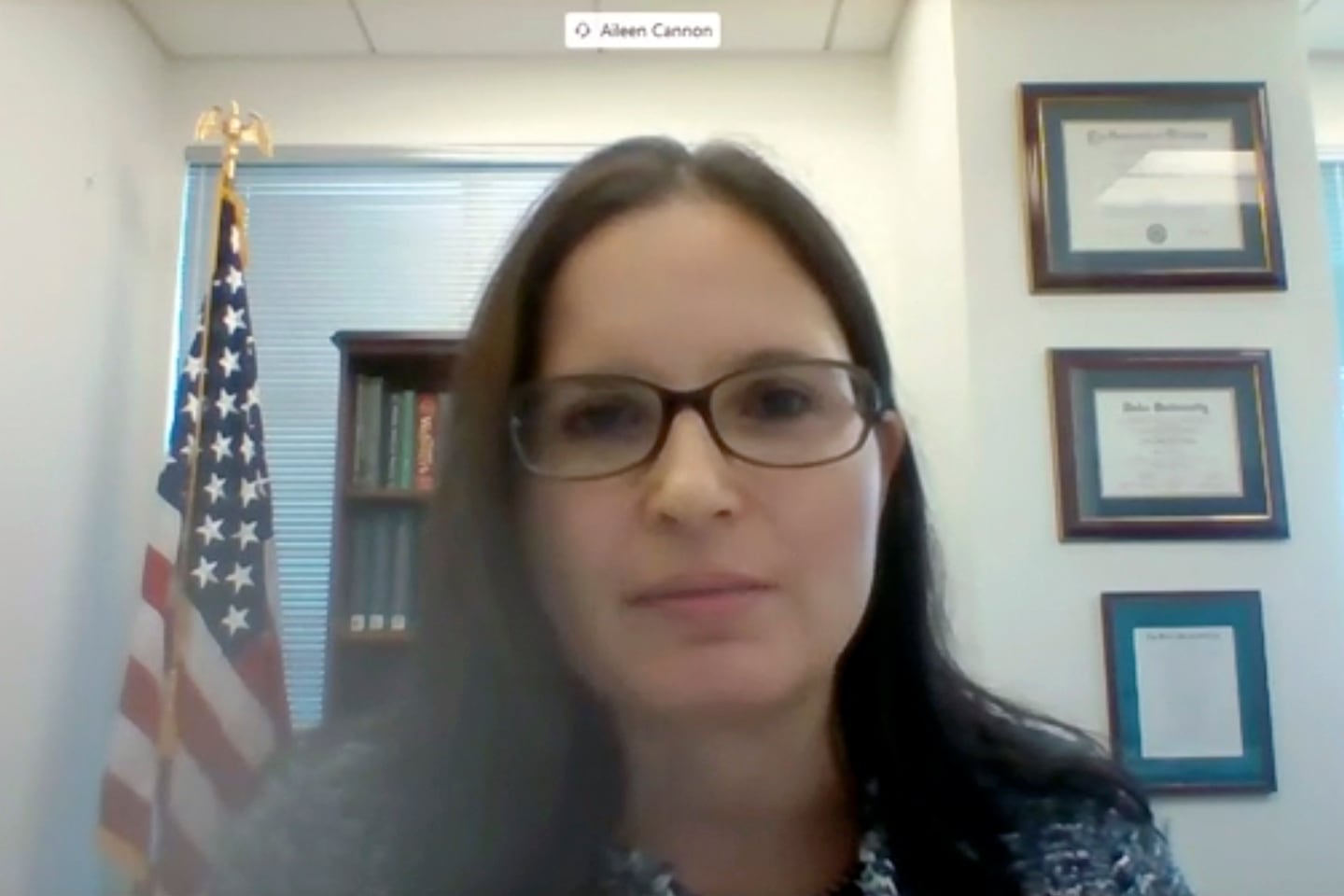
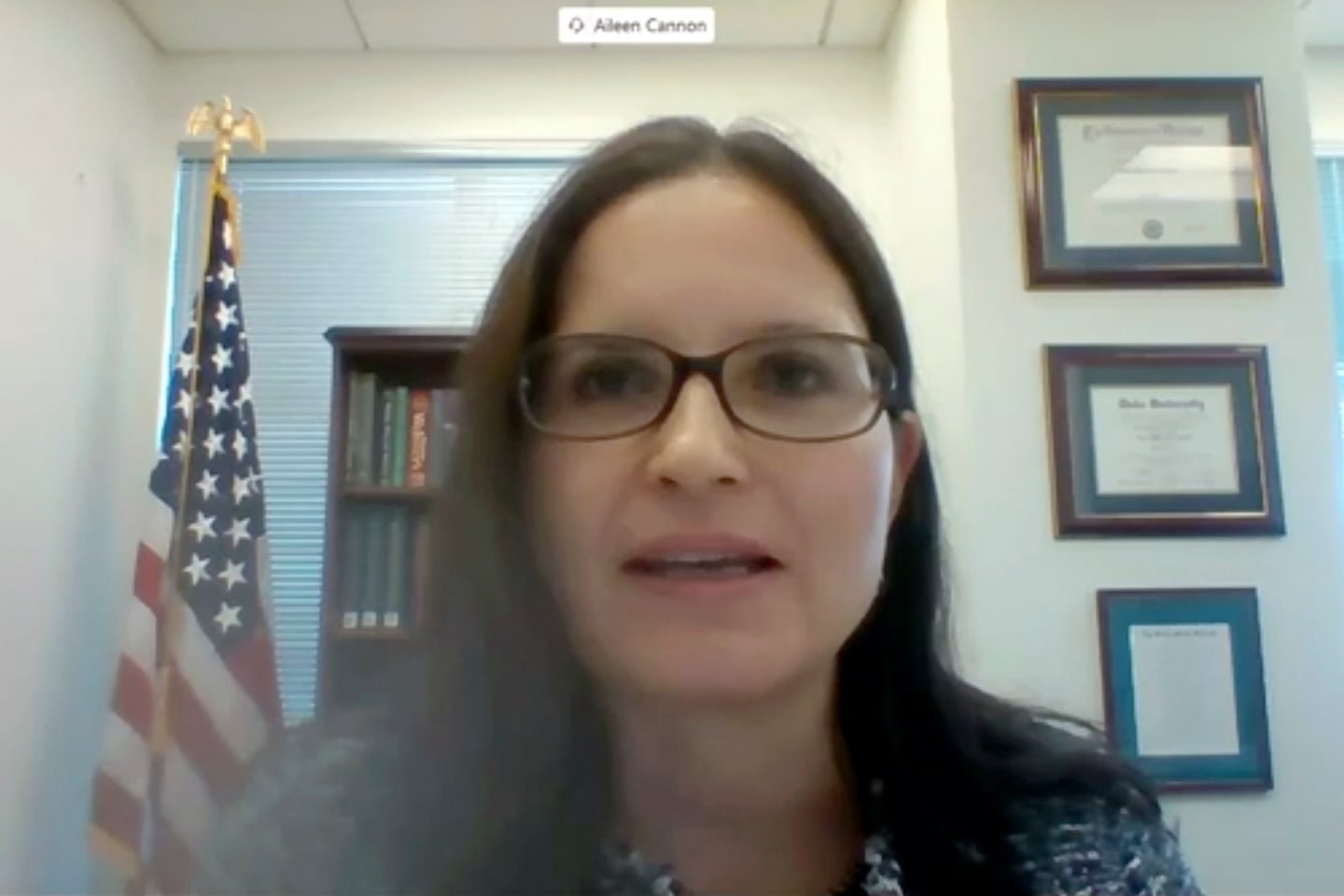
U.S. District Court Judge Aileen M. Cannon rejected Donald Trump’s attempt to dismiss charges of mishandling classified documents by claiming protection under the Presidential Records Act, defending her handling of the issue and pushing back against special counsel Jack Smith's challenge. The judge's decision comes after a back-and-forth with prosecutors and defense lawyers over proposed jury instructions, with Cannon emphasizing that her request was not a final declaration but an attempt to understand the parties' positions in the upcoming trial.
Special counsel Jack Smith sharply rebukes Judge Cannon's order for hypothetical jury instructions in the classified-document case against Donald Trump, warning of potential appeal. The judge's focus on jury instructions is seen as premature by legal experts, with the government expressing frustration and urging a quick decision on key legal questions. The dispute centers on interpretations of the Presidential Records Act and its relevance to the Espionage Act charges against Trump, who has pleaded not guilty to all counts. The trial, originally scheduled for May, is likely to be delayed as the judge considers various pretrial motions.
Judge Aileen M. Cannon has instructed lawyers to file proposed jury instructions related to defense motions in Donald Trump's classified-documents case, suggesting an openness to some of the defense’s claims regarding the Presidential Records Act. The judge's focus on jury instructions indicates she is already thinking ahead to a trial of the former president. Trump's lawyers have fought to delay the trial, claiming politically motivated prosecution, while the judge has not yet ruled on when the trial will be held.
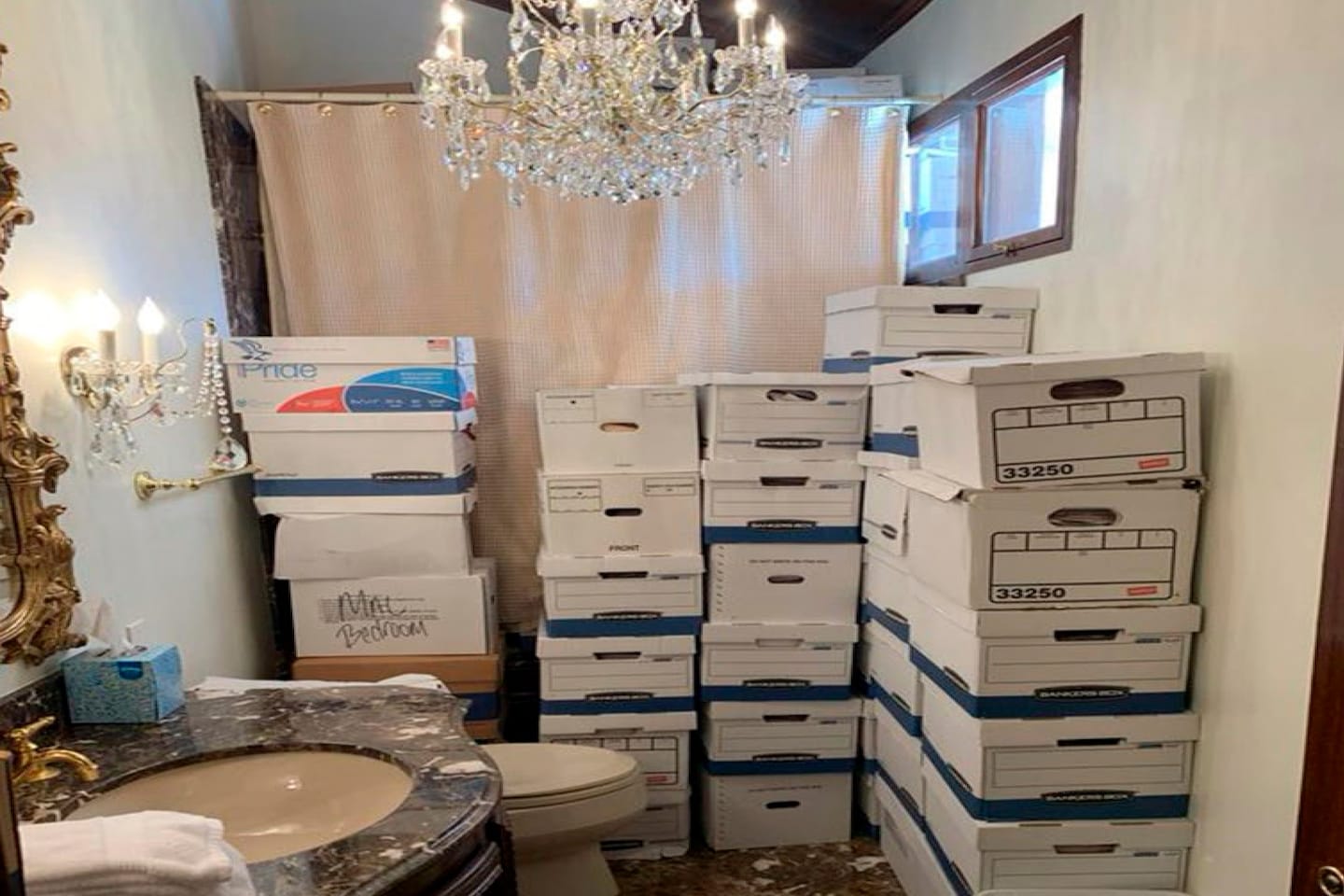
A federal judge has denied a motion by former President Donald Trump to dismiss charges in a criminal indictment accusing him of withholding and concealing classified documents taken from the White House to Florida and lying about it. Trump's lawyers argued that the statute he's charged with violating is unconstitutionally vague, but the judge rejected the motion, expressing skepticism of the defense arguments. The trial schedule has yet to be set, with prosecutors aiming for a July start, while Trump and his lawyers seek a delay until after the November presidential election.
A federal judge rejected Donald Trump's bid to dismiss his classified documents criminal case, expressing skepticism about the arguments presented. The judge, nominated by Trump, indicated reluctance to dismiss the case and seemed disinclined to do so on constitutional grounds. The case revolves around whether Trump was entitled to retain sensitive records he took with him after leaving the White House, with his lawyers arguing that the Presidential Records Act gave him the authority to designate them as personal property. Prosecutors countered that the records were presidential, not personal, and included top-secret information. The judge has yet to announce a trial date, and Trump's lawyers are hoping to delay it until after the election.
U.S. District Court Judge Aileen M. Cannon expressed skepticism at a hearing regarding former President Donald Trump's attempts to dismiss charges of mishandling classified documents, questioning the validity of his legal arguments. Trump's lawyers argued that the Espionage Act was too vague and that the Presidential Records Act protected him, but the judge seemed unconvinced. The case involves Trump being charged with violating national security laws by keeping classified documents at his Florida home after leaving the White House. The judge indicated she would rule promptly on the motions to dismiss the case.