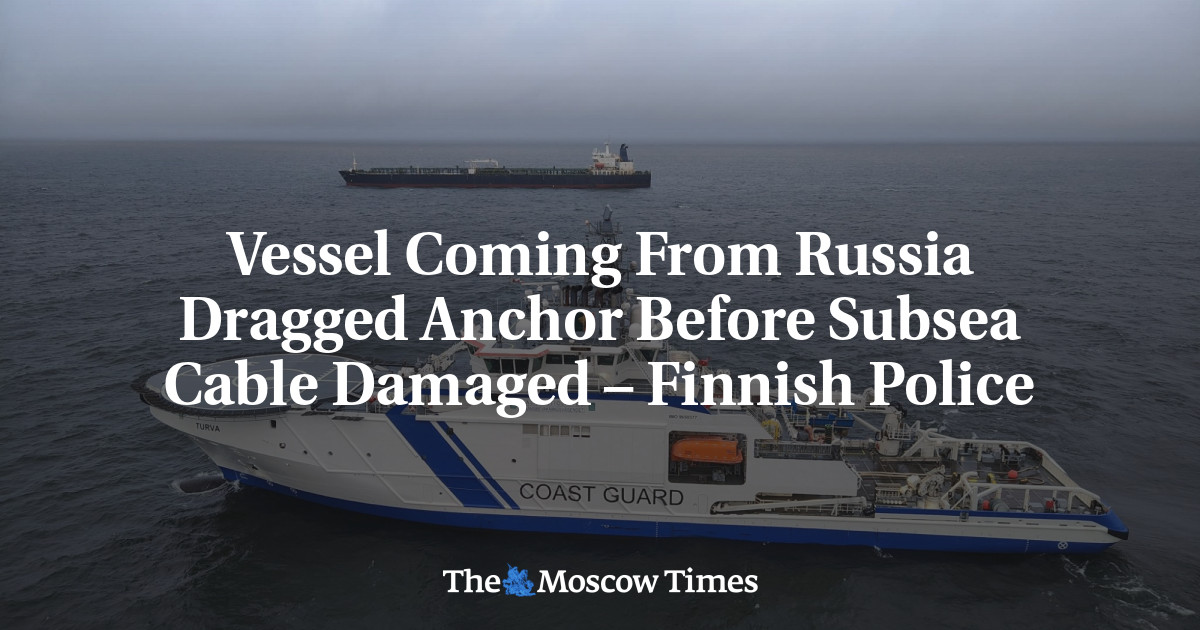
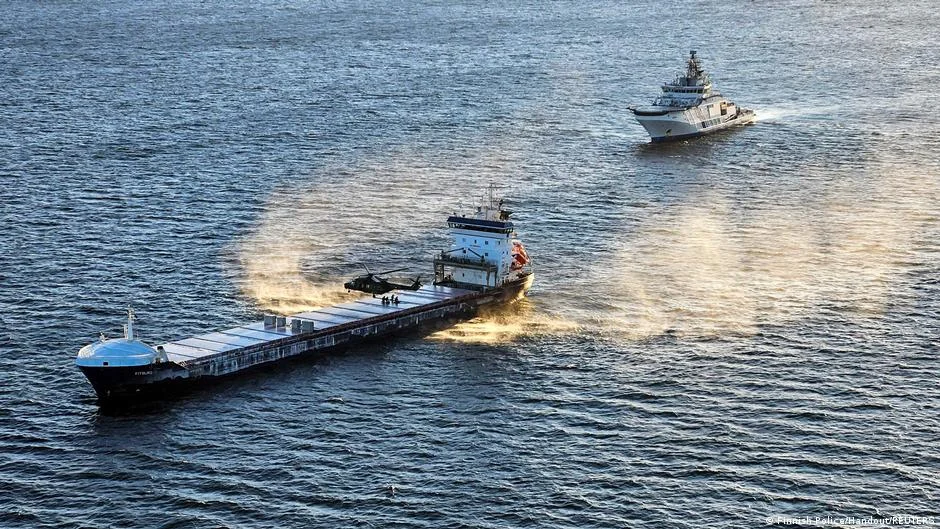
A vessel from Russia, the Fitburg, dragged its anchor across the seabed for tens of kilometers before damaging an undersea cable between Helsinki and Tallinn, Finland, prompting an investigation into possible sabotage linked to broader tensions involving Russia and Western countries.
Finnish police have arrested two crew members from the cargo vessel Fitburg in connection with damage to an undersea telecommunications cable in the Gulf of Finland, amid ongoing investigations into possible sabotage linked to broader tensions involving Russia and Western countries.
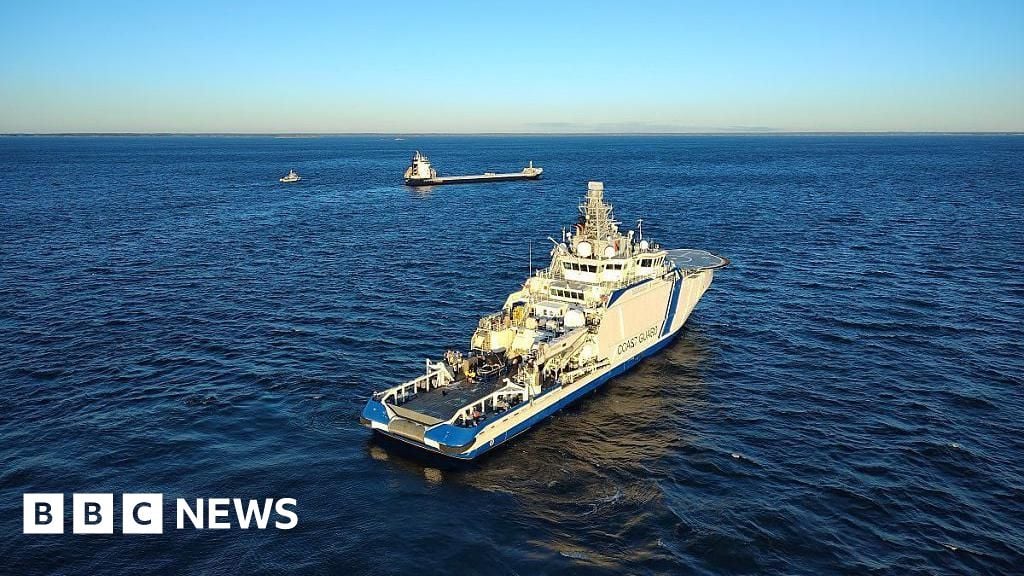
Finnish police detained the vessel Fitburg and its crew suspected of damaging an undersea telecoms cable between Helsinki and Estonia, amid rising concerns over sabotage and hybrid warfare in the Baltic Sea region, with multiple incidents raising alarms about critical infrastructure security.
Denmark publicly blames Russia for cyberattacks in 2024 and 2025 targeting a water utility and government websites, linked to pro-Russian hacking groups, as part of Russia's broader hybrid warfare against the West, causing limited damage but highlighting vulnerabilities in critical infrastructure.
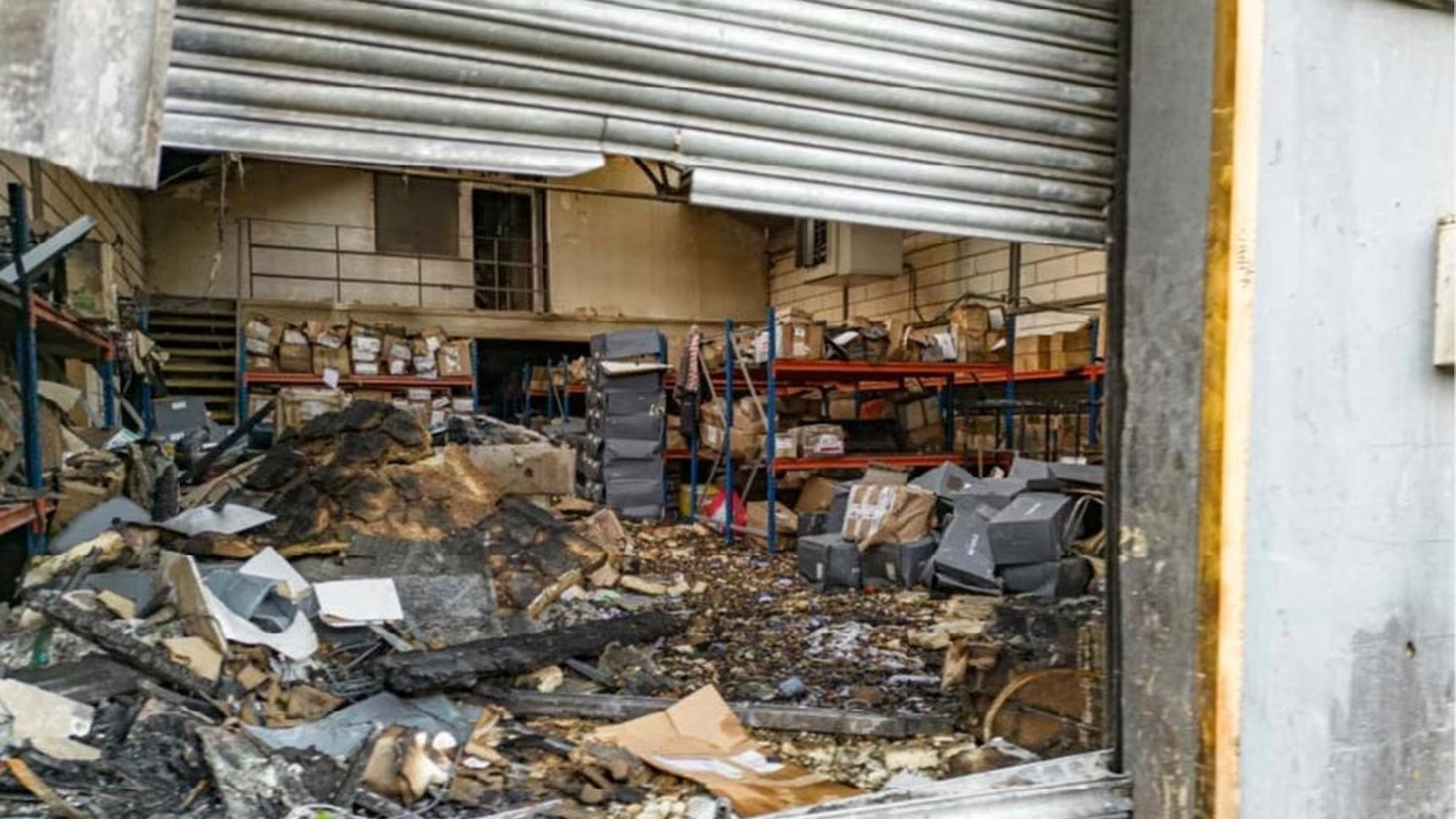
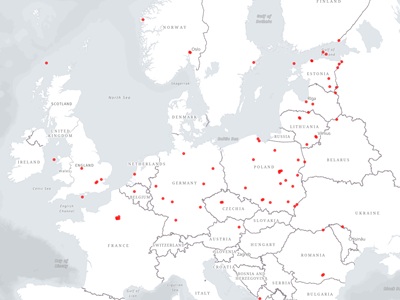
Western officials report that Russia is orchestrating a widespread sabotage campaign across Europe, involving incidents like train attacks, cyberattacks, and vandalism, to weaken support for Ukraine and create divisions within Europe, while relying on proxies and criminal networks to minimize costs and risks for Russia.
Russia is conducting a widespread sabotage campaign across Europe, involving incidents like train attacks and cyberattacks, aimed at weakening Ukraine support and creating divisions in Europe. These operations, often carried out through proxies and criminal networks, drain European security resources and have temporarily paused but are resuming at full pace, posing a growing threat to regional stability.
European countries, including Britain, France, and Germany, are deploying anti-drone teams to Belgium amid escalating UAV incursions over critical infrastructure, which are suspected to be part of Russia's hybrid warfare tactics related to the conflict in Ukraine and the frozen assets in Belgium.
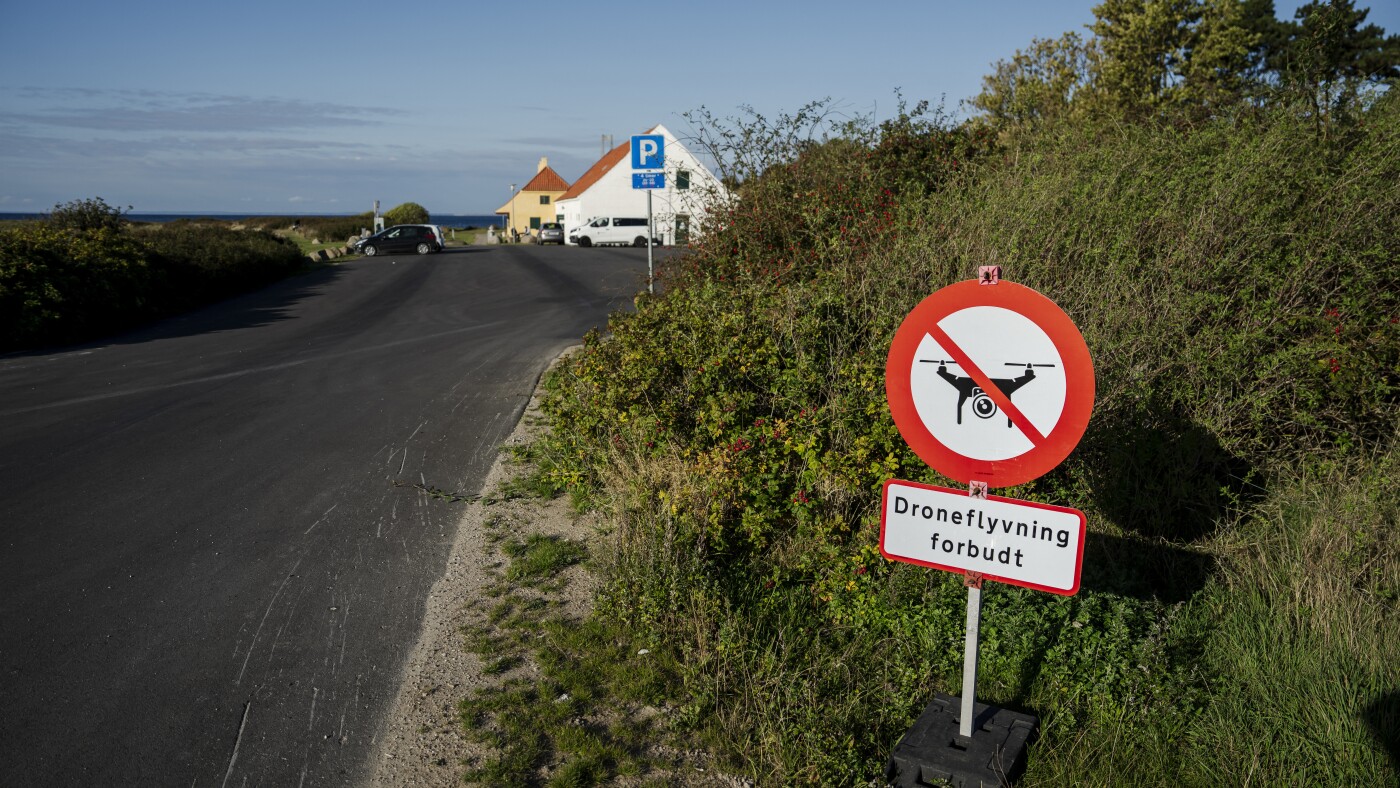
Denmark is on high alert after mysterious drone sightings, which the government attributes to hybrid warfare by Russia, leading to increased security measures, public panic, and emergency preparedness efforts.
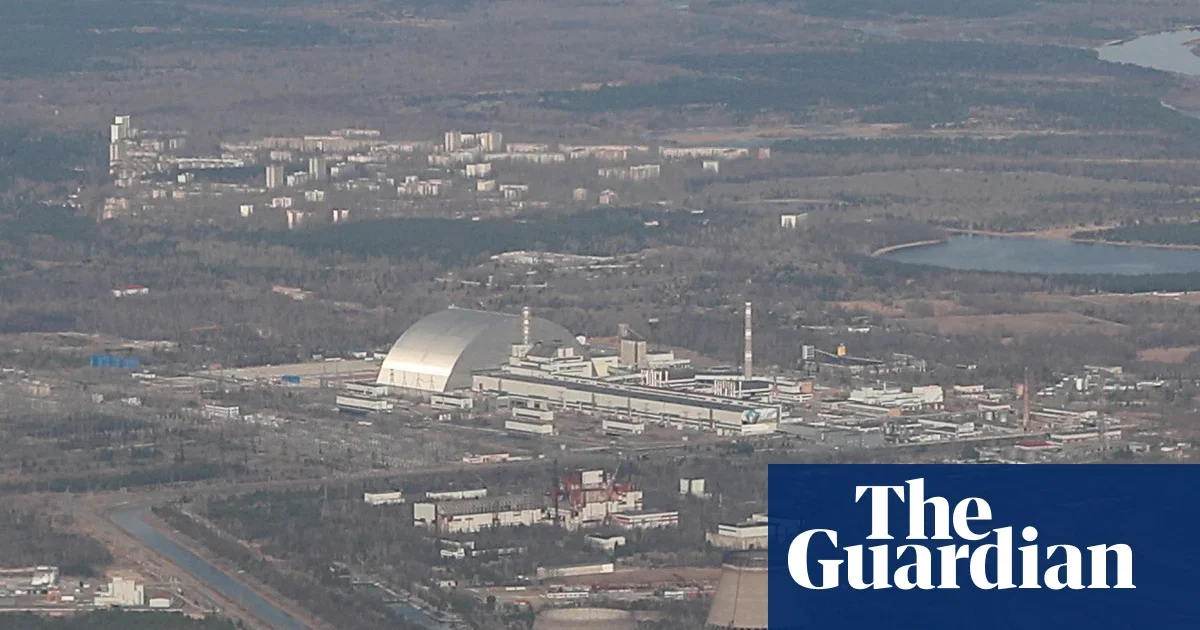
Ukraine's President Zelenskyy warned that Russia's shelling of the Chornobyl nuclear plant and other energy infrastructure pose a global threat, amid ongoing attacks and sabotage linked to the broader hybrid war. The incident follows similar issues at the Zaporizhzhia plant, with the US considering providing Ukraine with intelligence for long-range missile strikes on Russian energy targets. European nations face increased security challenges from Russian drone and sabotage activities, prompting calls for enhanced defense systems. Additionally, the G7 is intensifying efforts to pressure Russia by targeting its oil exports, while France has detained individuals linked to suspected drone operations.
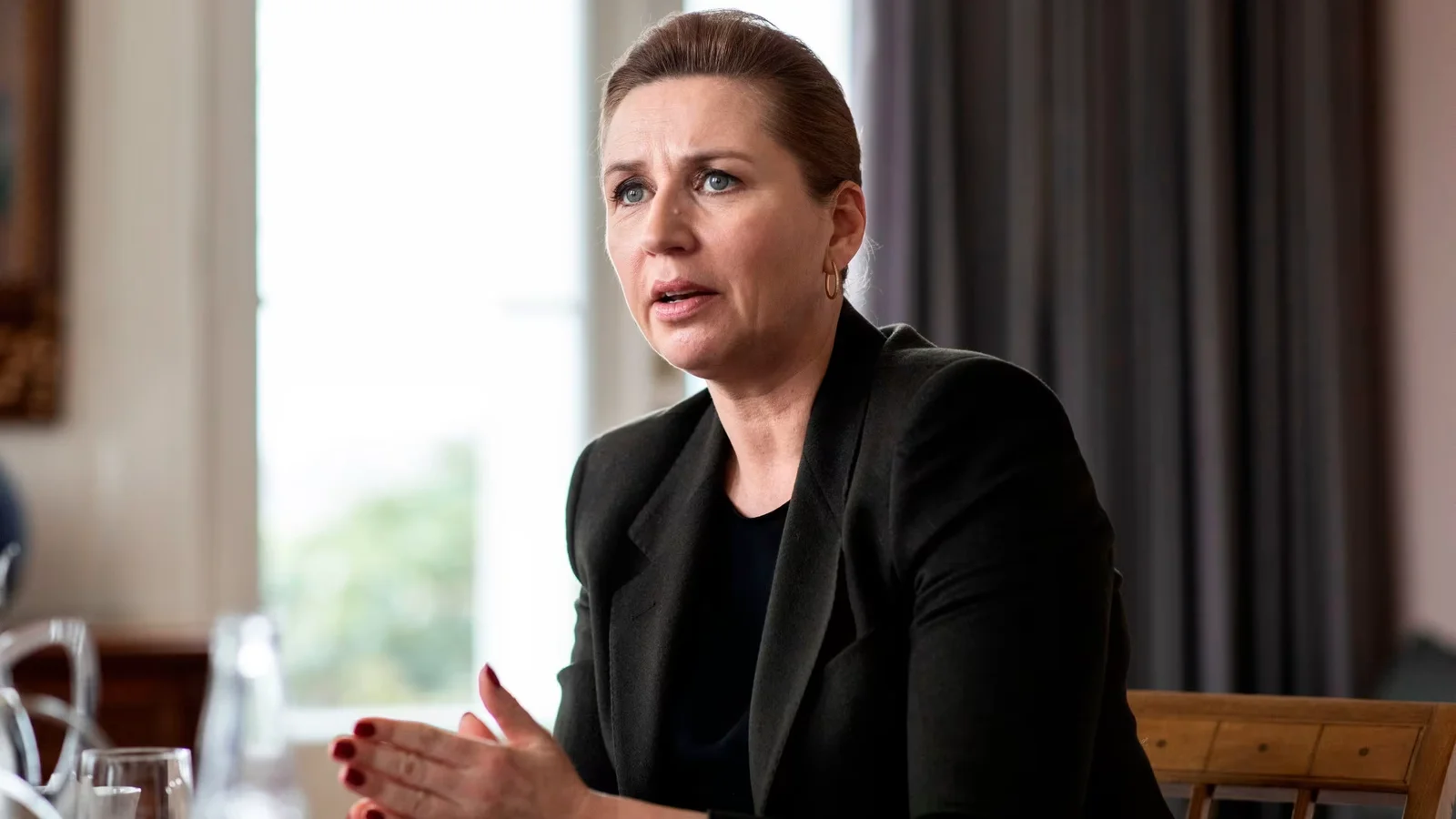
The Danish Prime Minister warns that Russia's current hybrid warfare tactics are just the beginning of a broader threat, highlighting concerns over escalating geopolitical tensions.
The article discusses Europe's heightened alert due to a series of drone sightings and airspace breaches, with the Danish prime minister declaring that Europe is engaged in a hybrid war, amidst broader geopolitical tensions involving the US and Ukraine.
Russia's Deputy Foreign Minister Alexander Grushko criticized NATO's Steadfast Defender 2024 exercises, calling it an "irrevocable return" to Cold War strategies and part of a "hybrid war" against Russia. NATO's largest exercise since the Cold War involves 90,000 troops and aims to rehearse potential reinforcement of European allies in case of conflict with a "near-peer" adversary, without explicitly naming Russia. Tensions between NATO and Russia continue to escalate amid accusations and military maneuvers, with Russia's invasion of Ukraine further exacerbating the situation.
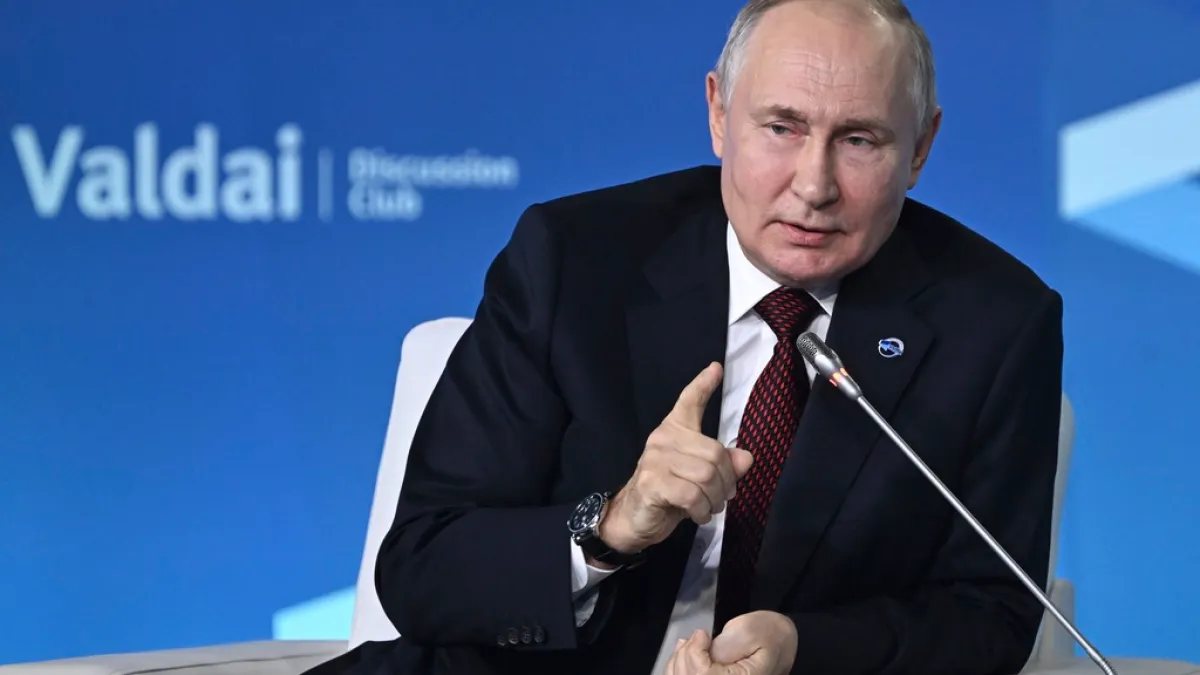
Russian President Vladimir Putin has stated that Moscow is upgrading its nuclear arsenal and maintaining its strategic forces at the highest level of readiness, citing a "hybrid war" being waged against Russia by the West. Putin also accused the United States of exploiting Europe for its own interests and emphasized that Russia plans no war on Europe. He expressed willingness to engage in talks about the future of Ukraine but asserted that Russia would defend its national interests. Additionally, Putin announced his intention to run in the 2024 presidential election, which would extend his presidency until 2030.
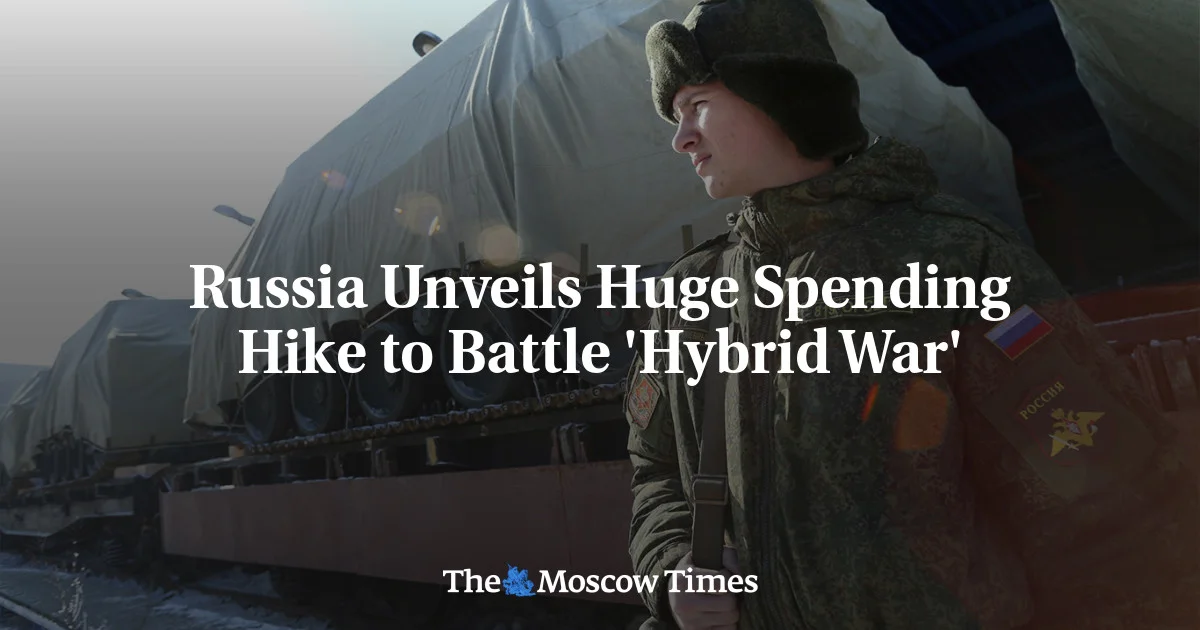
Russia plans to increase defense spending by almost 70% next year to fight what it calls a "hybrid war" unleashed by the West in Ukraine. Both sides have been procuring weapons in preparation for a protracted conflict. NATO chief Jens Stoltenberg visited Kyiv, where President Volodymyr Zelensky lobbied for more air defense systems. Ukraine's newly appointed defense minister said they are ready for winter. Russia's defense spending is set to jump by over 68% year-on-year, totaling more than spending allocated for social policy. The focus of economic policy is shifting towards strengthening defense capacity and integrating the Ukrainian regions Moscow claims to have annexed.
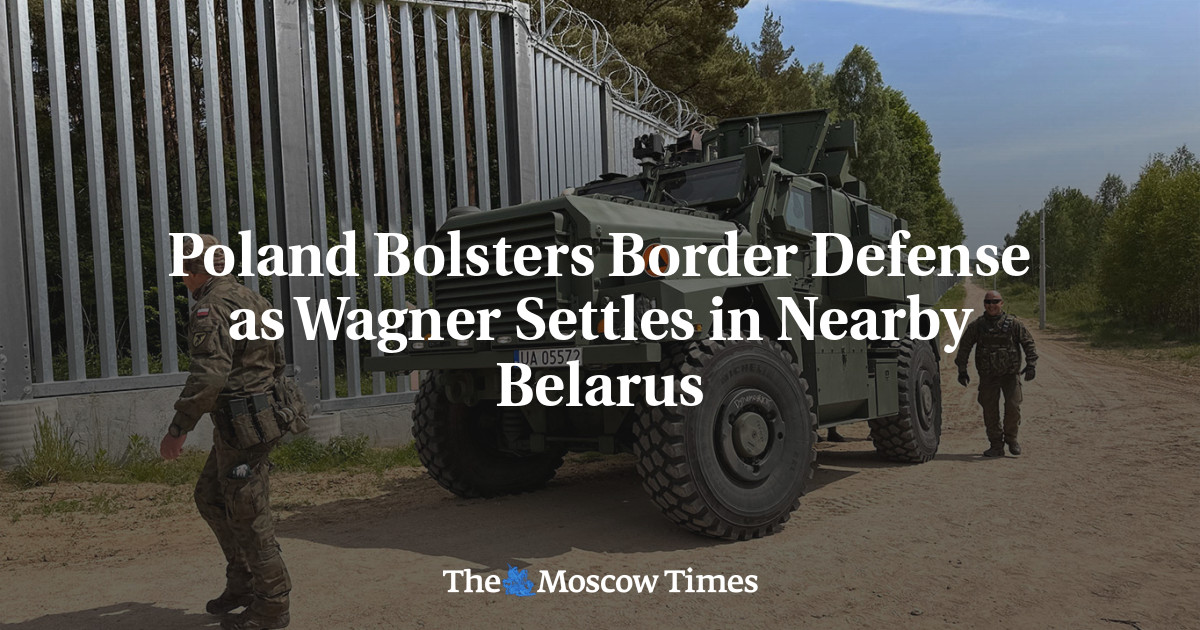
Poland is bolstering its eastern border with Belarus in response to the relocation of Wagner Group mercenaries to the neighboring country. The move comes after the failed mutiny of the private military outfit against Russia's military leadership. Belarusian President Alexander Lukashenko confirmed the arrival of Wagner leader Yevgeny Prigozhin in Minsk, and reports suggest that construction is underway for a camp to accommodate thousands of Wagner fighters. Poland's Deputy Prime Minister Jaroslaw Kaczynski stated that this development poses a potential threat to Ukraine, Lithuania, and Poland, prompting the decision to strengthen defense at the eastern border. Additionally, Lithuania, Latvia, Estonia, and Finland have agreed to coordinate and enhance border measures with Russia and Belarus.