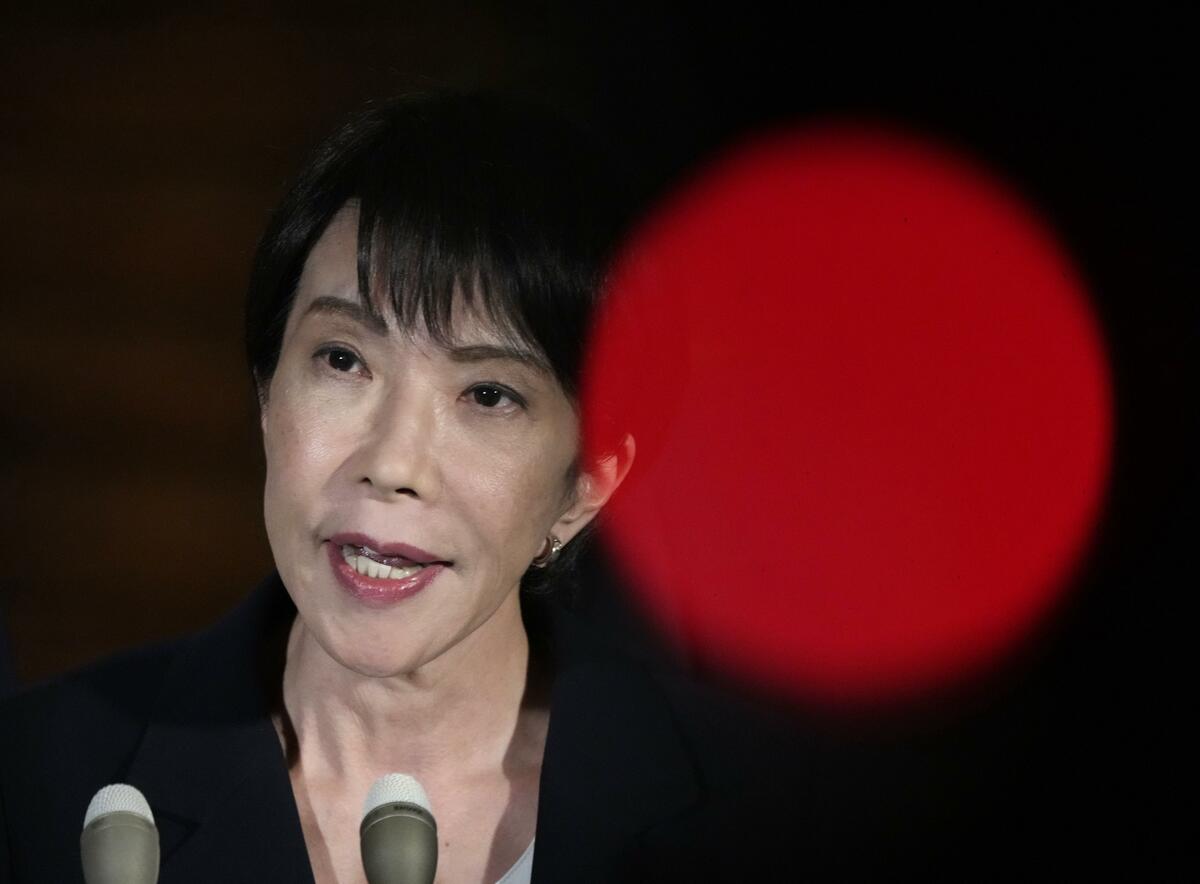
North Korea has warned that Japan's nuclear ambitions must be stopped at any cost following a Tokyo official's suggestion that Japan should acquire nuclear weapons, highlighting escalating tensions over regional security.
A source within Japan's prime minister's office suggested that Japan needs nuclear weapons, deviating from its long-standing non-nuclear principles, amid discussions led by Prime Minister Sanae Takaichi who is considering reviewing these principles, sparking controversy given Japan's pacifist stance and reliance on U.S. nuclear deterrence.
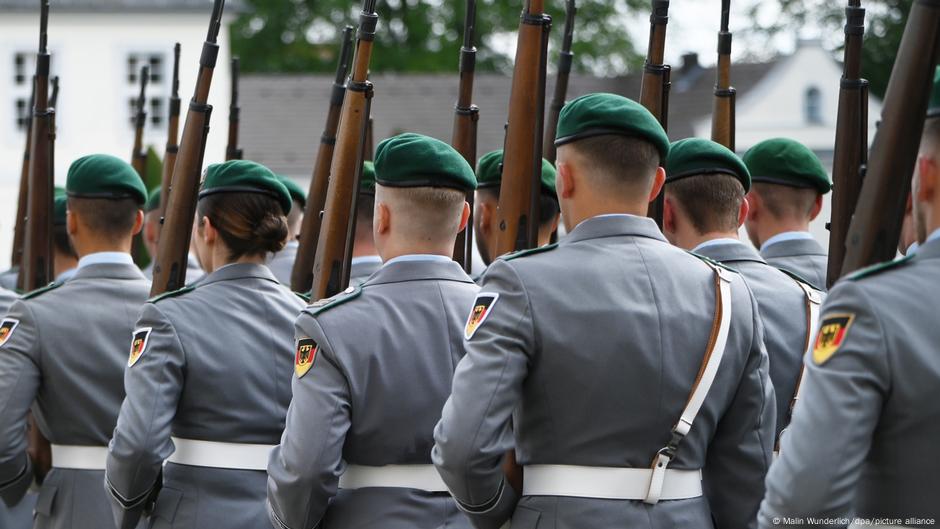
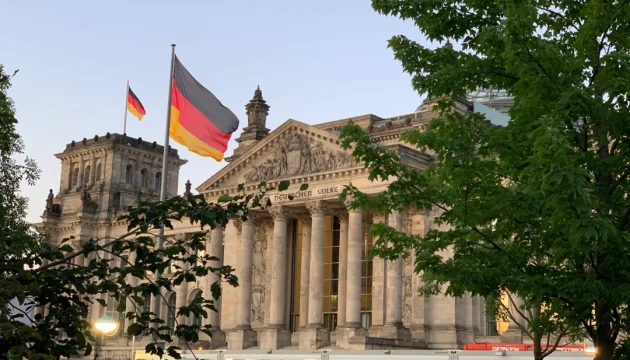
Germany's cabinet has approved a bill to enhance military recruitment through voluntary service, aiming to increase troop numbers and strengthen national security amid geopolitical tensions, including the threat from Russia. The government is also establishing a National Security Council to improve crisis response and strategic planning.
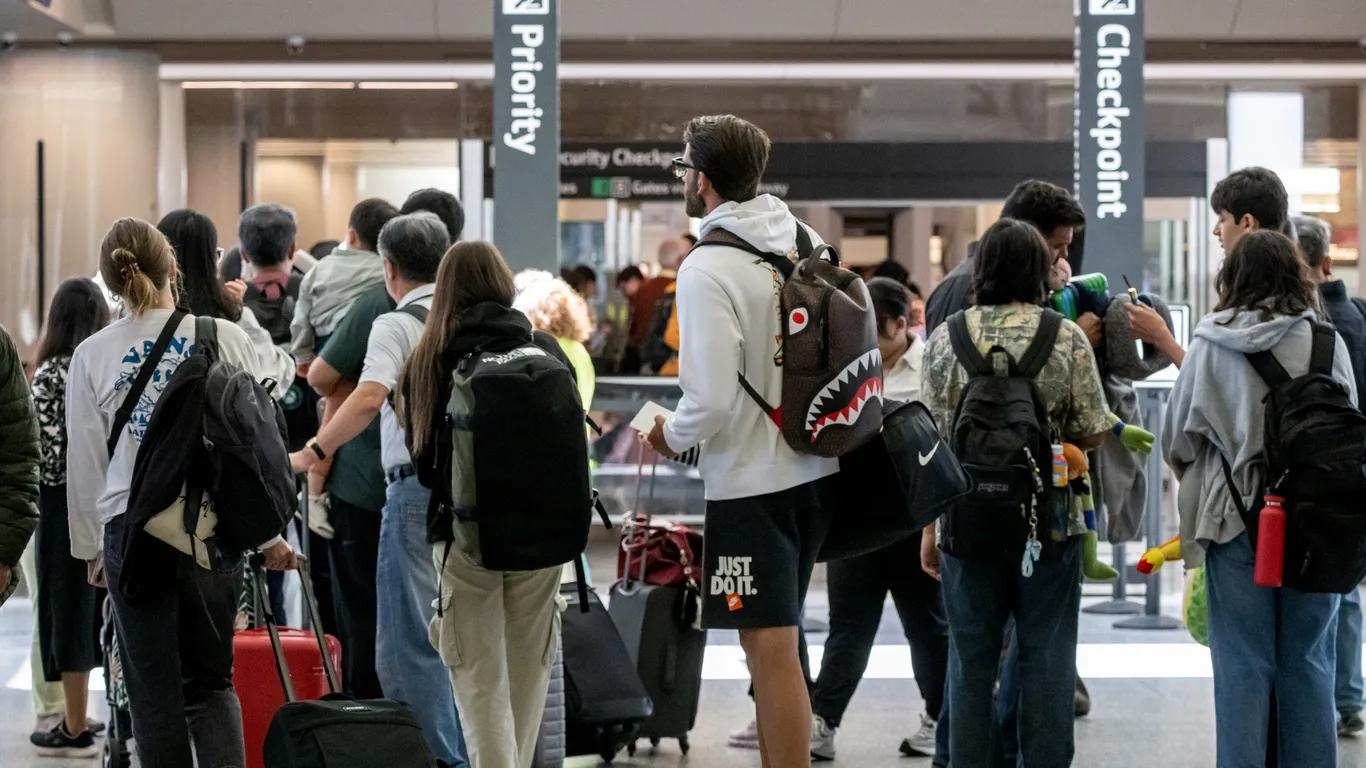
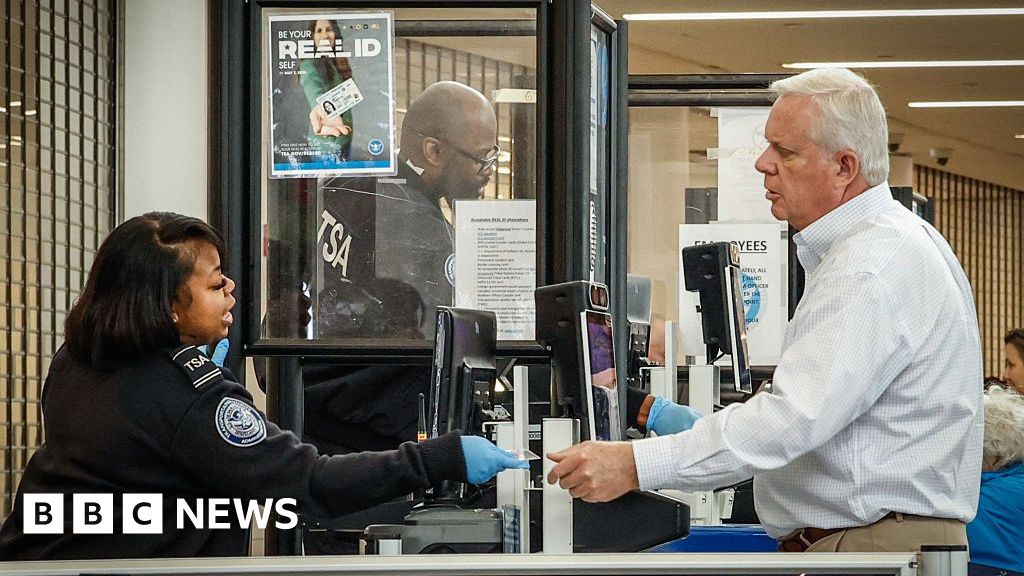
The TSA has officially ended its 19-year-old policy requiring passengers to remove their shoes during security checks, citing advancements in security technology and a need to streamline the process, especially with upcoming major events like the World Cup and Olympics.
The TSA has officially ended the two-decade-old requirement for passengers to remove shoes during security screenings at US airports, citing advancements in security technology and a multi-layered security approach, while maintaining other screening protocols.
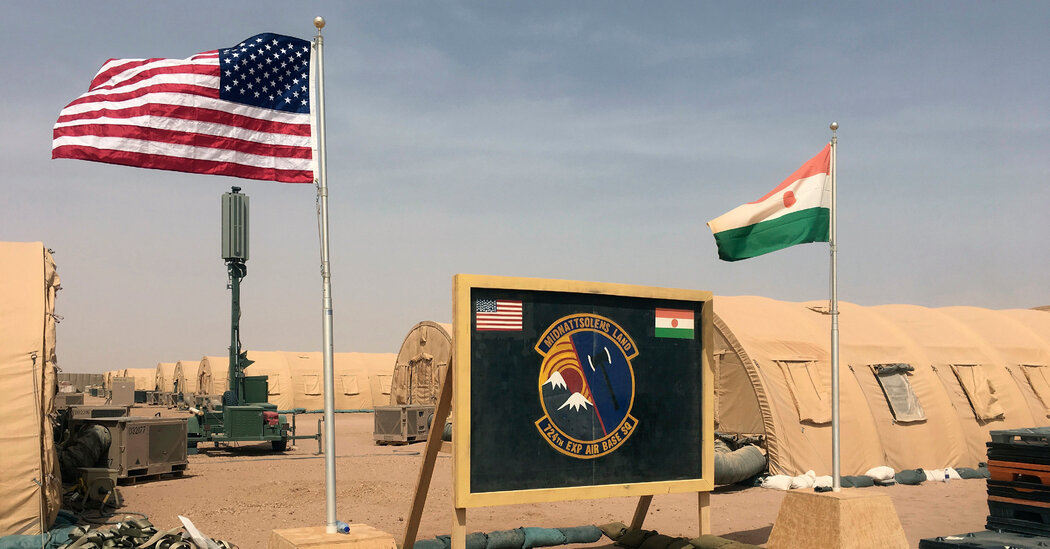
The Biden administration has announced the withdrawal of over 1,000 American military personnel from Niger, citing the country's deepening ties with Russia and Iran, as well as the failure of Niger's military government to outline a path to return to democracy. This decision comes after Niger revoked its military cooperation deal with the United States and reflects a broader trend in the Sahel region of African countries breaking ties with Western nations in favor of partnerships with Russia.
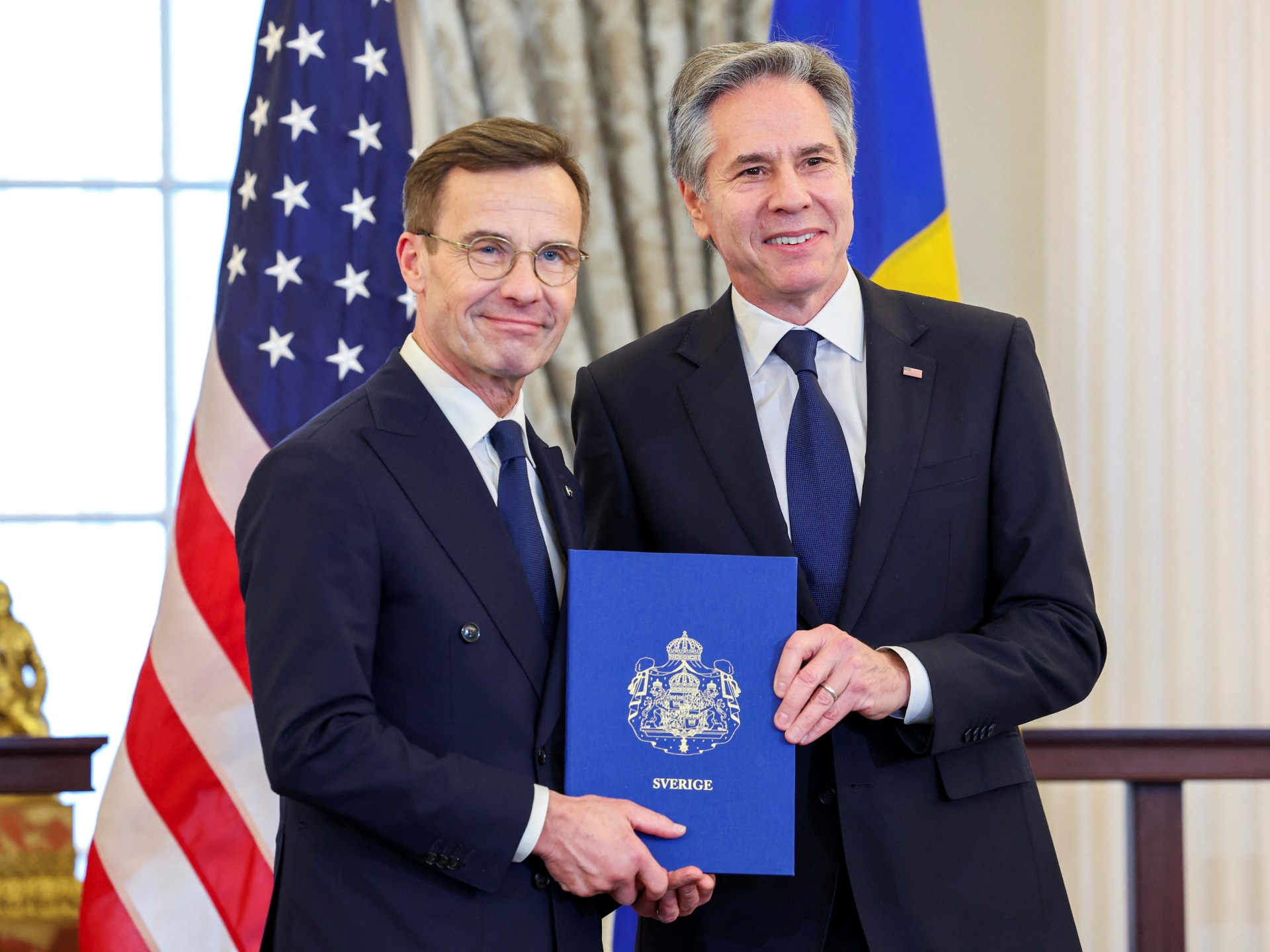
Sweden officially joins the NATO military alliance, ending decades of neutrality, as Prime Minister Ulf Kristersson emphasizes unity and solidarity with allies amid concerns about Russia's aggression in Europe. The move comes after delays from Turkey and Hungary, and follows fears of Russian military threats, including airspace violations and submarine activity. Sweden's accession to NATO marks a significant shift from its longstanding neutral stance and adds advanced military capabilities to the alliance, prompting Russia to threaten counter-measures.
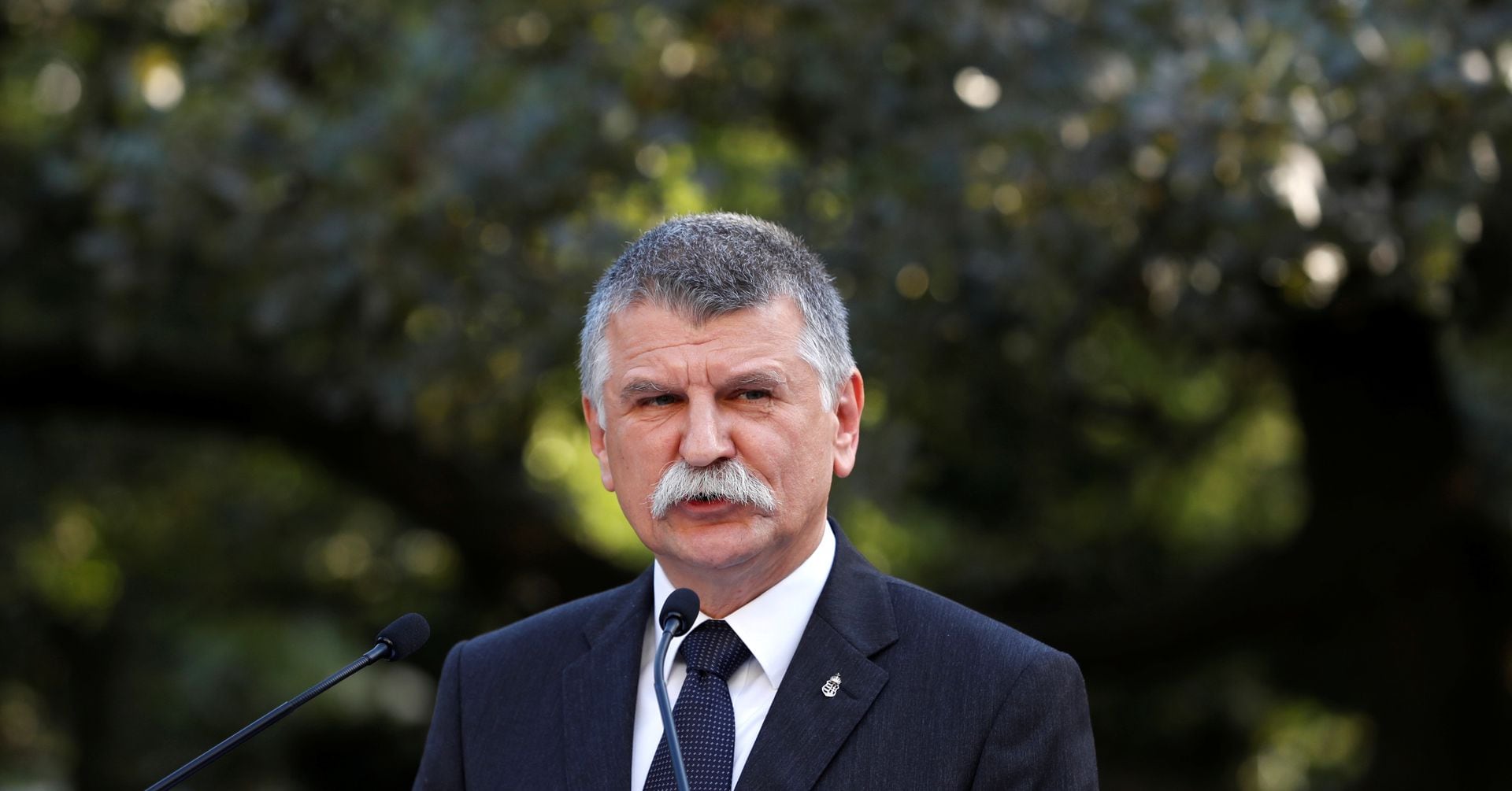
Hungarian parliament speaker Sandor Lezsak has signed off on the ratification of Sweden's NATO accession, clearing the last hurdle before the historic step by the Nordic country, which abandoned its non-alignment policy for greater safety within the North Atlantic Treaty Organization after Russia's invasion of Ukraine in 2022. The legislation has been forwarded to the president's office for promulgation, following pressure from NATO allies on Hungary's government to seal Sweden's accession to the alliance.
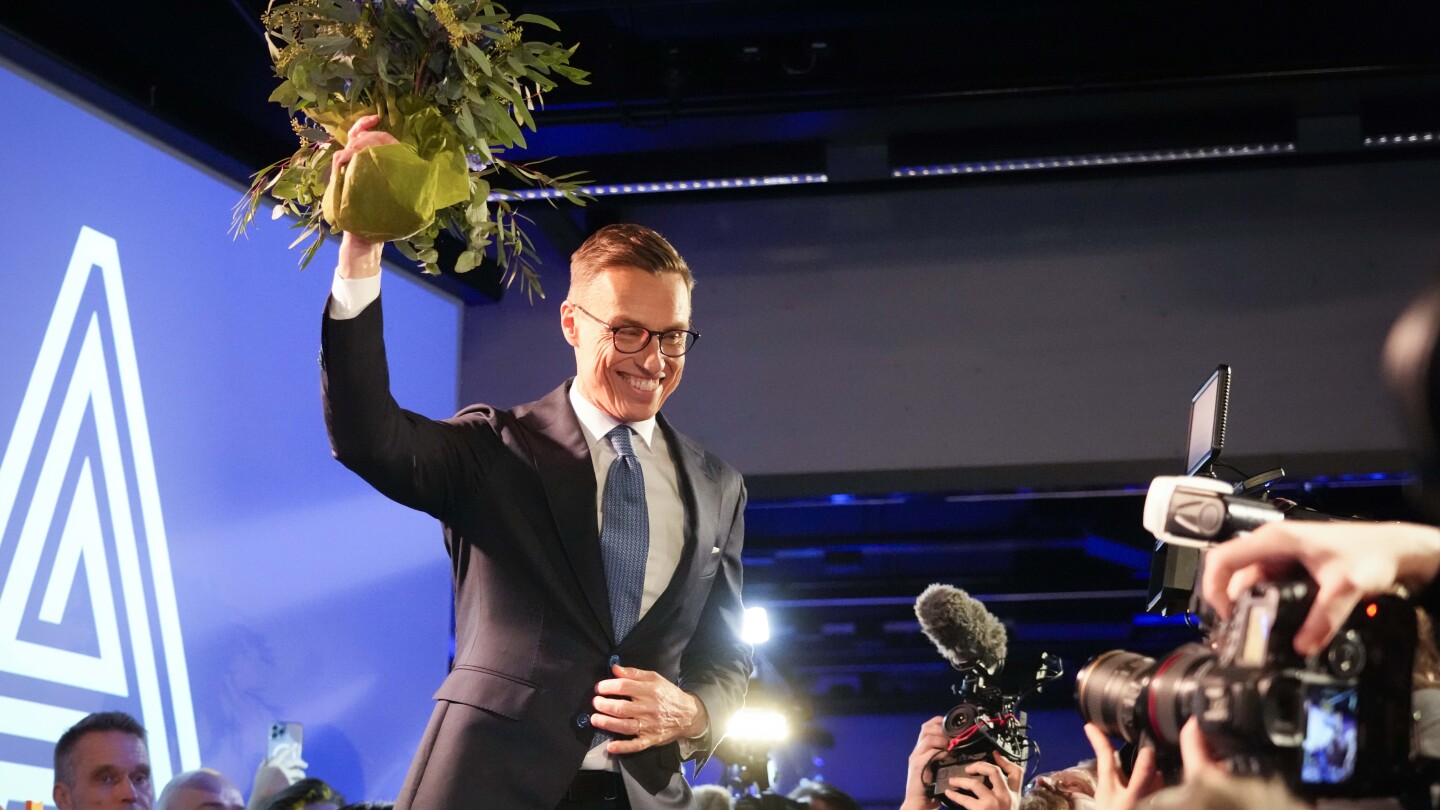
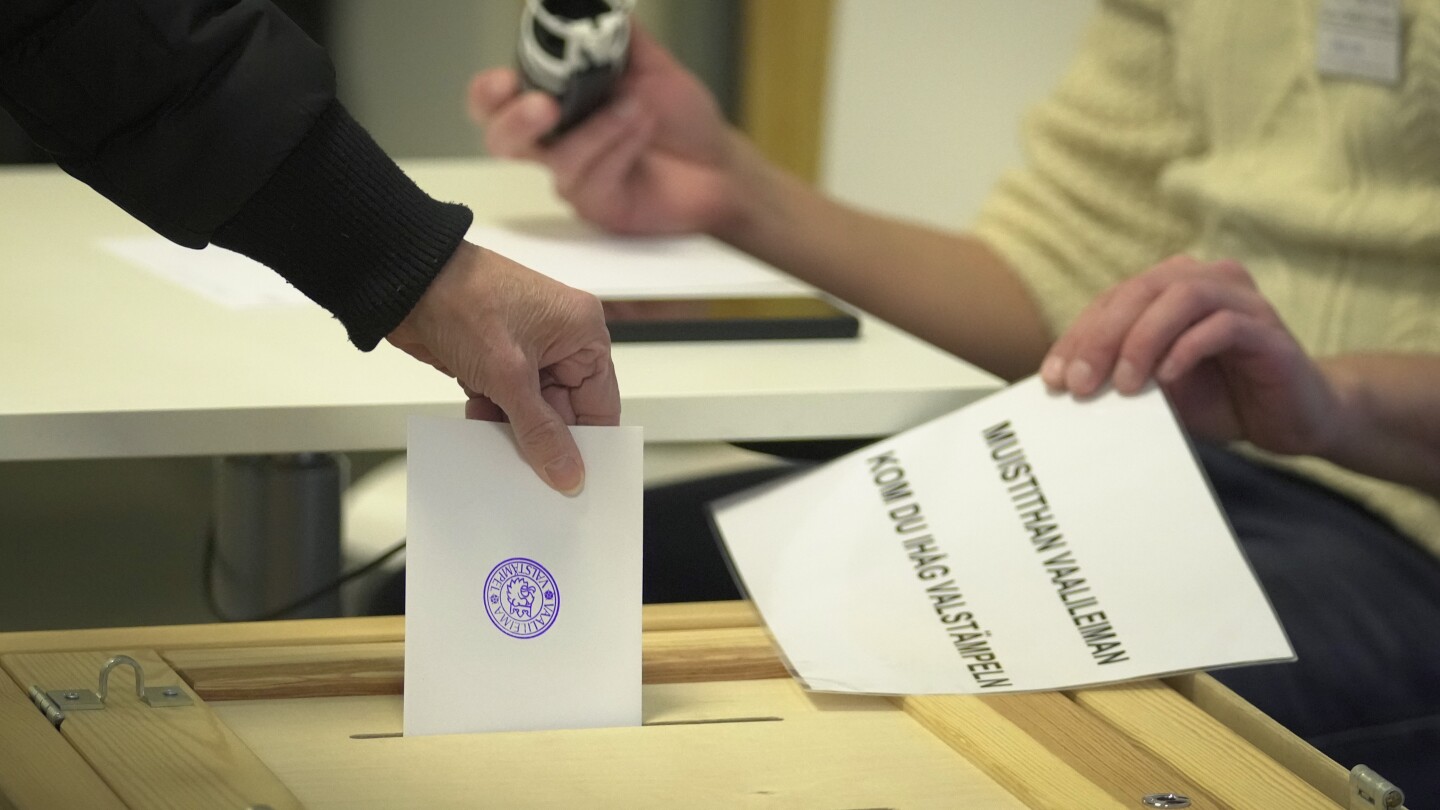
Former Prime Minister Alexander Stubb narrowly wins the runoff vote to become Finland’s next president, succeeding the popular President Sauli Niinistö. Stubb, who will steer security policy amid concerns over Russia’s invasion of Ukraine, plans to maintain a hard line toward Moscow, strengthen security ties with Washington, and support Ukraine both militarily and at a civilian level. As Finland joined NATO in April 2023, Stubb aims to be an active commander-in-chief and emphasizes the country's strong military forces. The election saw a 70.7% voter turnout, and Stubb's victory comes at a time of heightened security concerns in Europe.
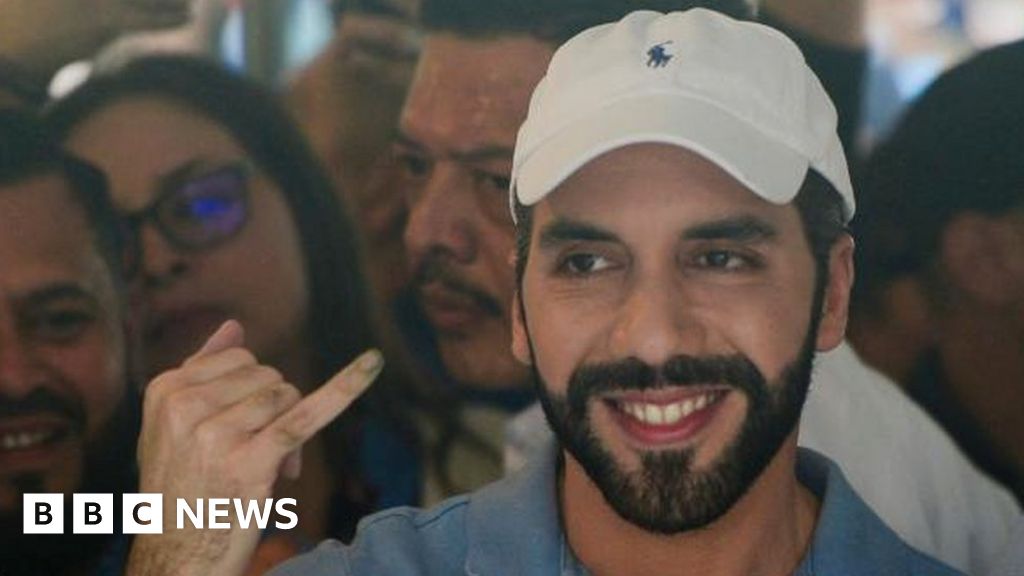
Salvadorean President Nayib Bukele celebrates a landslide victory in the presidential election, claiming a historic win with a significant lead over the opposition. Bukele's controversial security policies, including emergency measures granting extensive powers to the police and military, have garnered strong support from voters, leading to a near-total control of the legislative assembly. Despite dissenting voices and concerns over unjust arrests, Bukele's overwhelming victory reflects widespread popular backing for his plans, positioning him for a second term marked by continued implementation of his policies.
Finland is holding a presidential election with nine candidates vying to succeed President Sauli Niinistö, whose term expires in March. The leading contenders are former Prime Minister Alexander Stubb and ex-Foreign Minister Pekka Haavisto. The election comes at a time when Finland, now a NATO member, faces a changed security environment due to its eastern border with Russia and the war in Ukraine. The new president will play a crucial role in formulating foreign and security policy, particularly in dealing with countries outside the European Union.
Finland's presidential election is underway, with candidates emphasizing the need for a strong response to the Russian threat. Former Foreign Minister Pekka Haavisto, a leading contender, warned that Russia's war on Ukraine is "close" for those along NATO's eastern frontier. Finland's pivot from Western-leaning neutrality to full-blown NATO membership has been overseen by outgoing President Sauli Niinistö. The candidates have expressed support for active involvement in NATO, continued support for Ukraine, and deterrence against Russian aggression. The election comes amid concerns about potential Russian aggression and the implications of the U.S. presidential election on global security.
The budget committee of Germany's Bundestag has approved the procurement of additional ammunition for the Panzerhaubitze 2000 self-propelled howitzer, Leopard 2 main battle tank, and Puma infantry fighting vehicle. The move aims to meet the needs of the German armed forces, support Ukraine, and replace ammunition stocks previously sent to Kyiv. Germany has been providing significant amounts of ammunition to Ukraine since the start of the war against Russian invaders, but the demand remains high.