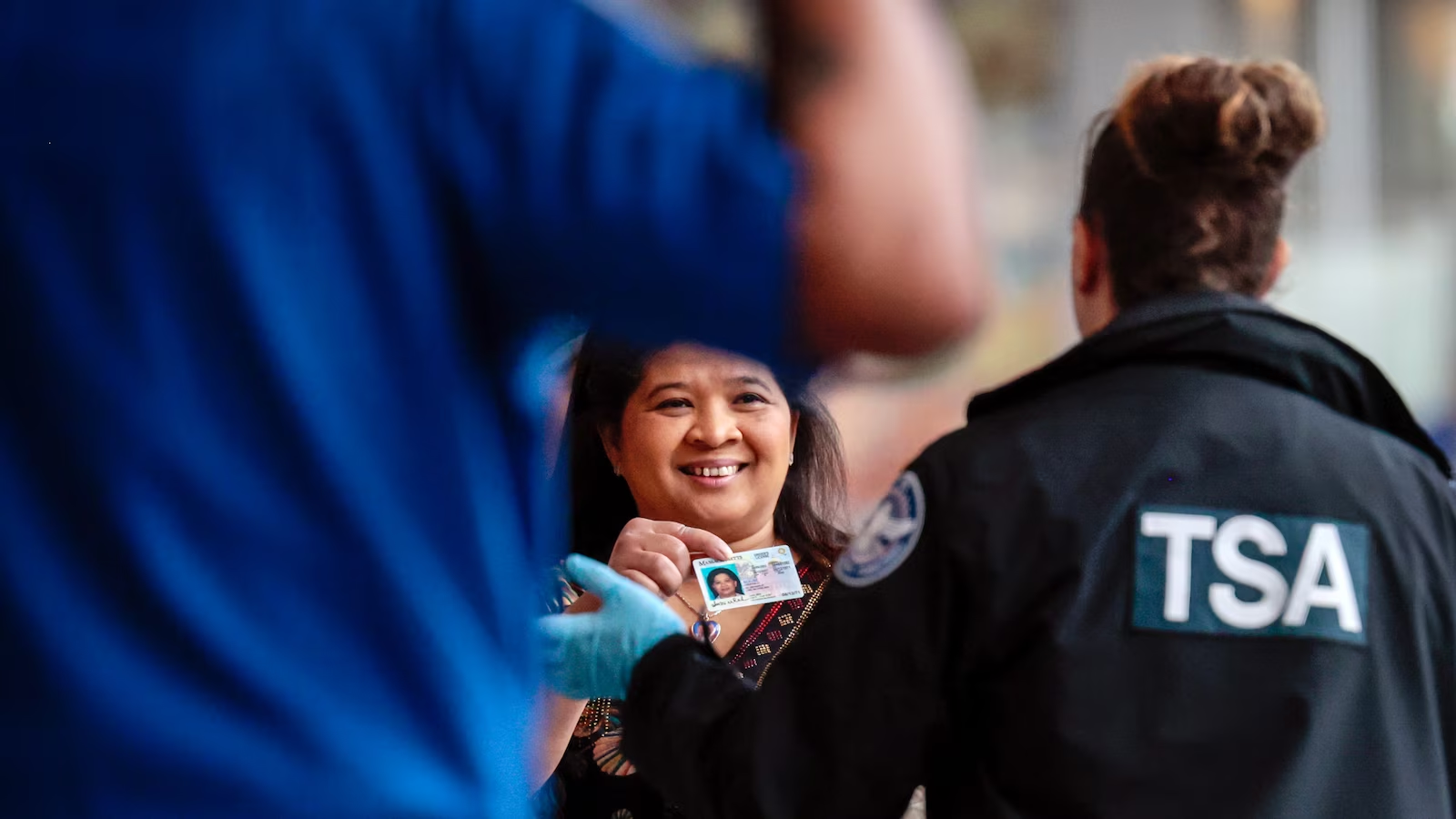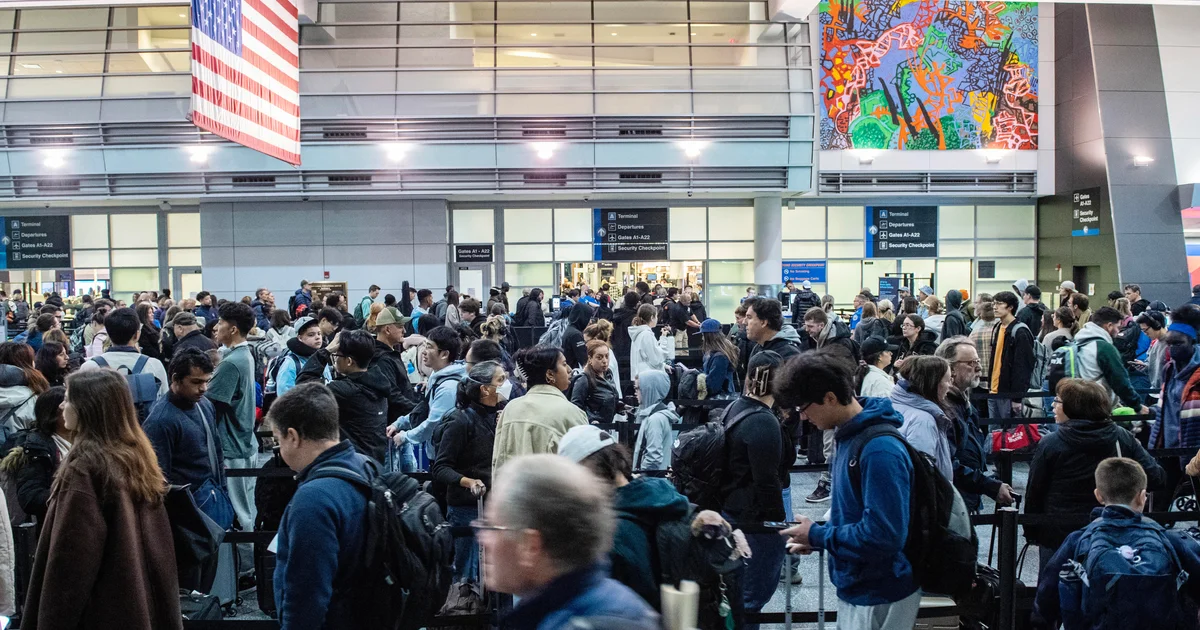
Starting February 1, 2026, travelers without a REAL ID or approved ID at U.S. airports will face a $45 fee and must verify their identity online before passing through TSA security, with the process taking up to 30 minutes. The REAL ID, which looks similar to a standard driver's license but includes a star, is required for domestic flights and federal access, but not for international travel, where a passport remains necessary.
The TSA has released its 2026 Canine Calendar featuring 13 selected explosives detection dogs from airports across the U.S., highlighting their roles in airport security and showcasing their fun facts and photos, with Steeler, the 2025 cutest canine, among the featured heroes.
The TSA warns travelers not to wear sparkly Christmas sweaters through airport security as the metallic elements can trigger scanners, potentially leading to delays or additional screening. Travelers are advised to pack these sweaters in luggage instead.
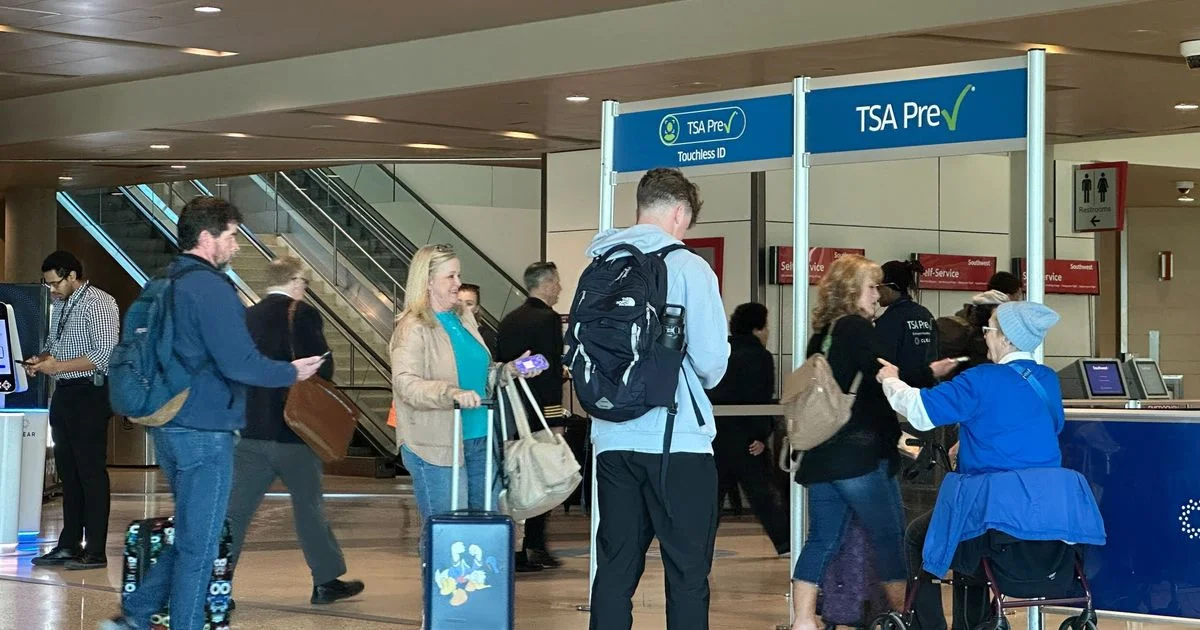
The TSA is preparing for a record-breaking holiday travel season, expecting to screen 44.3 million travelers between December 19, 2025, and January 4, 2026, with improvements like REAL ID enforcement, new PreCheck benefits for military families, and relaxed shoe removal policies to enhance the traveler experience.
South Carolina Congresswoman Nancy Mace erupted in a profanity-laced tirade at Charleston airport police after a security escort failed to meet her as scheduled, leaving her without her usual security and causing her to wait for assistance, citing threats she faces.
The US government shutdown has severely disrupted the aviation system, causing widespread flight delays, staffing shortages at airports, and compromised security, as essential workers like air traffic controllers and TSA officers face unpaid work and uncertainty about their pay.
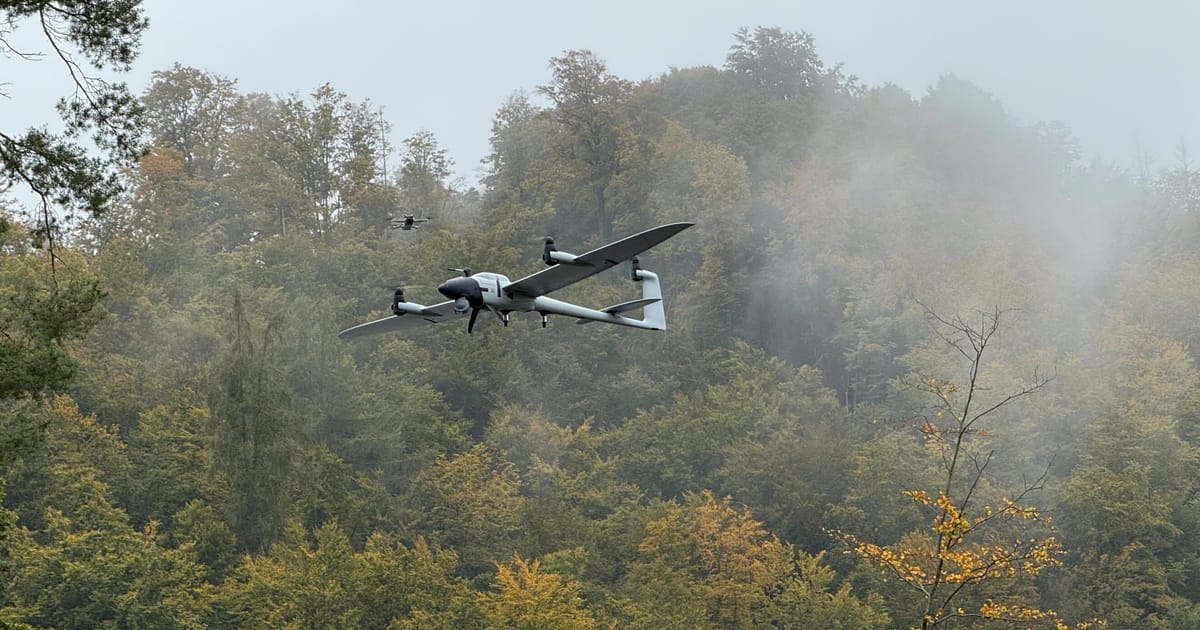
The article discusses the increasing concerns over drone disruptions across Europe, highlighting incidents at airports, debates over potential Russian involvement, and the broader context of hybrid warfare strategies, with calls for stronger measures to manage these threats.
The 'biometric exit' program, which uses facial recognition to verify departing international travelers, is expanding across U.S. airports, raising privacy concerns and causing discomfort among travelers due to federal agents taking photos without clear opt-out options. The program aims to improve security and identity verification but faces criticism over privacy risks and potential misuse.
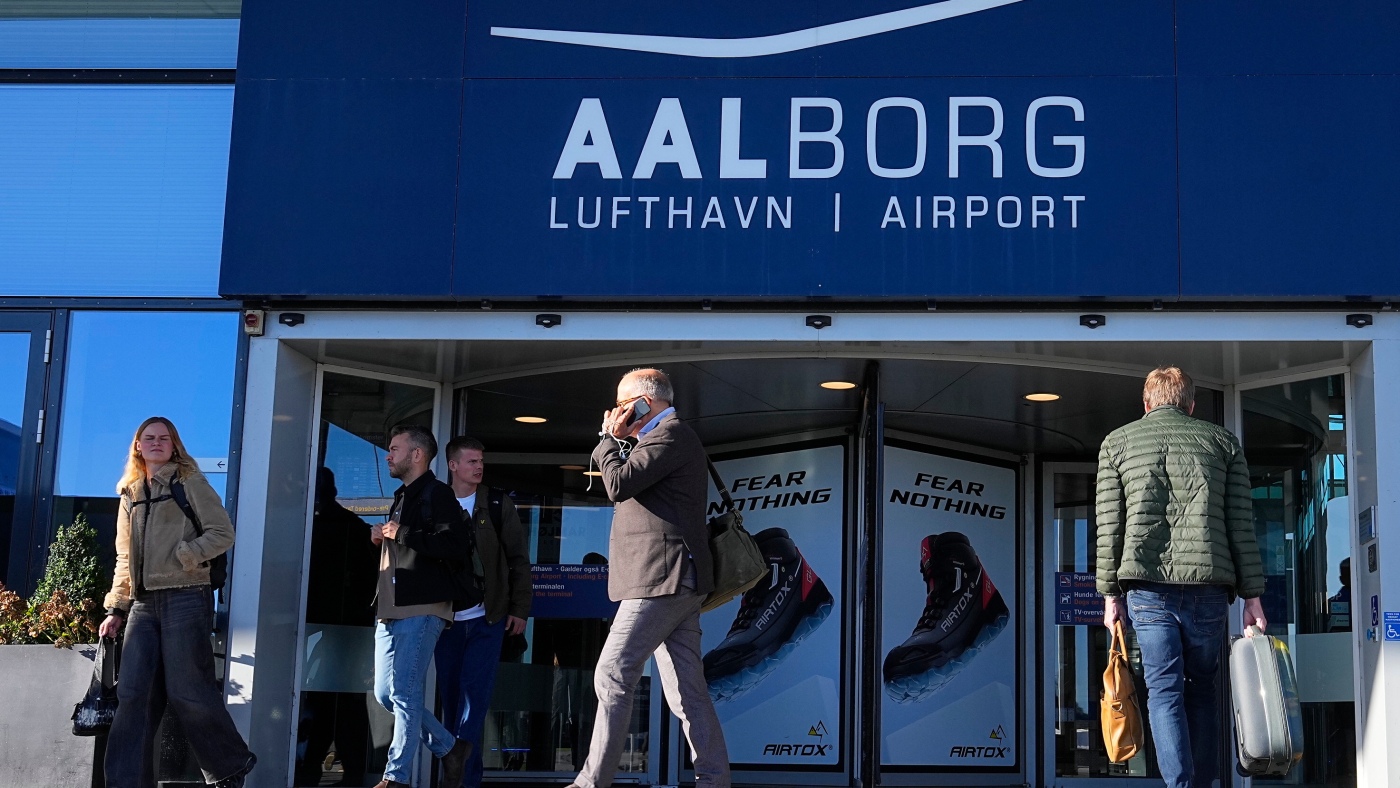
Danish authorities suspect a professional actor is behind systematic drone flyovers at multiple airports, including Aalborg and Copenhagen, aiming to sow fear and division, with no public danger reported and efforts underway to develop legislation to neutralize such threats.
Massport is planning a pilot program to allow travelers to go through TSA security in Framingham before taking a secure bus to Logan Airport, aiming to reduce congestion and stress, with a potential start in summer 2026.
CLEAR and TSA are testing biometric eGates at three major U.S. airports as a pilot program, aiming for a nationwide rollout before the 2026 World Cup to enhance security and streamline passenger processing, with CLEAR funding the initiative and only CLEAR+ members able to opt-in.
DHS Secretary Kristi Noem suggested that the current liquids rule for carry-on bags might be overhauled to streamline airport security, possibly allowing larger liquids or simplifying the process, with pilot programs to test new technology before wider implementation.
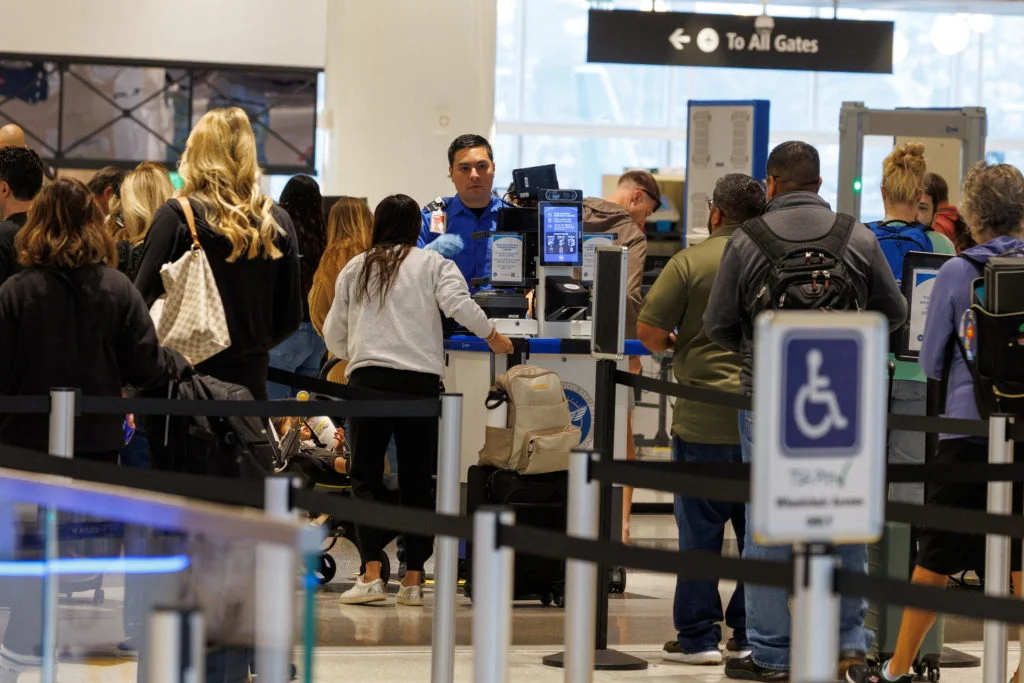
The TSA has implemented a new policy allowing travelers to keep their shoes on during security screenings at some U.S. airports, aiming to streamline the process ahead of major events like the Olympics and World Cup. The change, already in effect at select airports, is part of broader efforts to improve efficiency and security, with plans to expand nationwide. The policy shift follows technological advancements and research into new screening methods, including shoe-specific scanners.
The Department of Homeland Security has announced that, effective immediately, travelers will no longer be required to remove their shoes at airport security checkpoints across the U.S., thanks to advancements in screening technology and layered security measures, although some individuals may still be asked to do so if additional screening is necessary.
The TSA will immediately allow travelers to keep their shoes on at airport security checkpoints across the U.S., ending a 20-year-old rule, citing improved screening technology and the need to enhance the travel experience while maintaining safety standards.