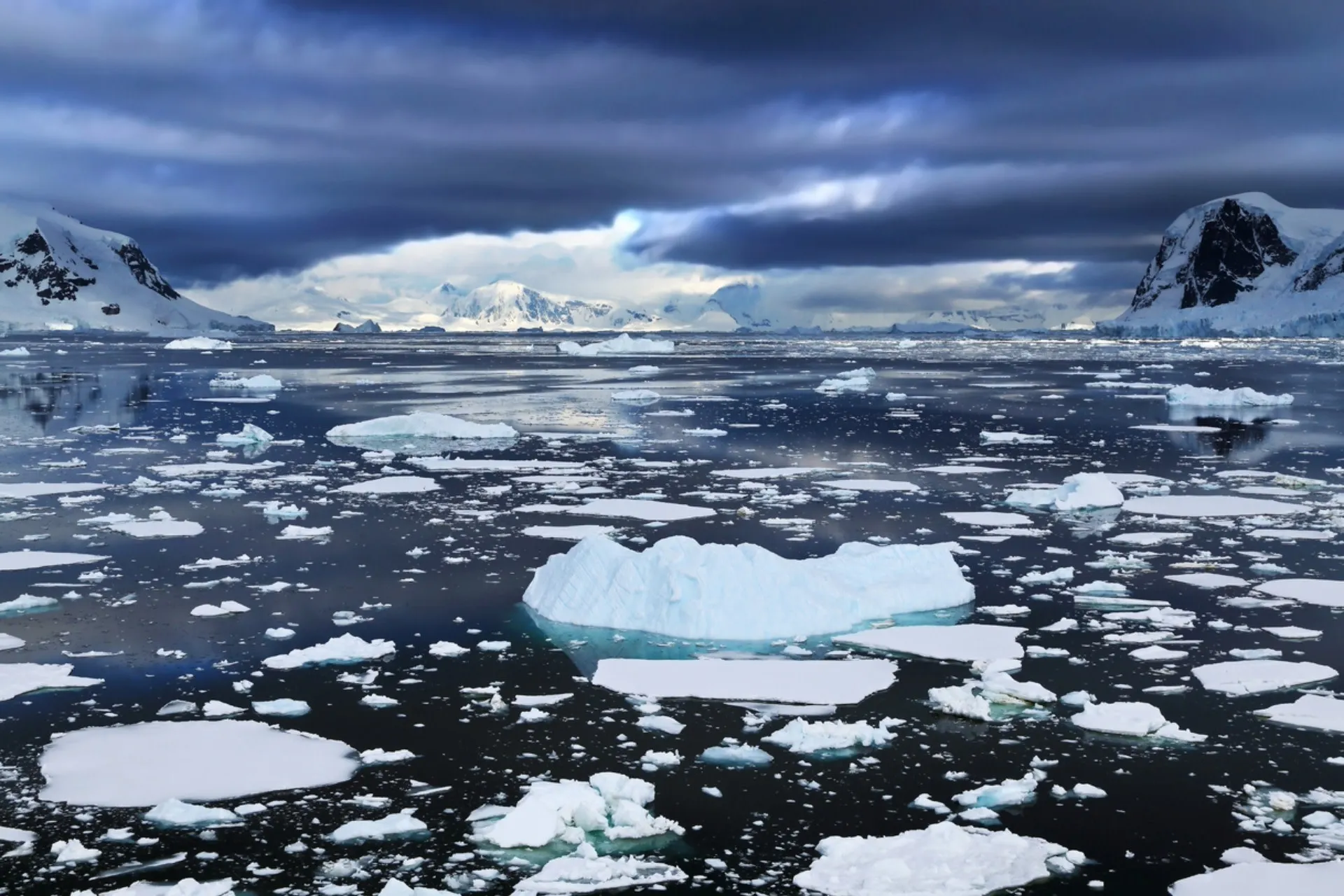
Australian scientists warn that Antarctica is experiencing rapid, irreversible climate changes, including shrinking sea ice, weakening ocean currents, and destabilizing ice sheets, driven by global warming. These changes threaten global sea levels and ecosystems, emphasizing the urgent need for deep emission cuts this decade to prevent irreversible damage.
A massive hole in Antarctic sea ice, known as a polynya, was caused by complex interactions between wind, ocean currents, and salinity, revealing how localized ocean processes can have significant impacts on global climate and ocean circulation. The event, driven by Ekman-driven salt transport and deep convection, highlights the changing dynamics of the Southern Ocean in the context of climate change, with potential implications for heat and carbon exchange.
Scientists warn that climate change is causing irreversible ice loss in Antarctica, which could lead to catastrophic environmental impacts, including accelerated warming, ecosystem collapse, and potential ice-free conditions in summer, with some effects possibly unavoidable even if emissions are reduced.
Emerging evidence indicates abrupt environmental changes in Antarctica, including significant sea ice loss, ice sheet melting, and potential climate tipping points, driven by global warming and oceanic changes, with implications for sea level rise and ecosystem stability.
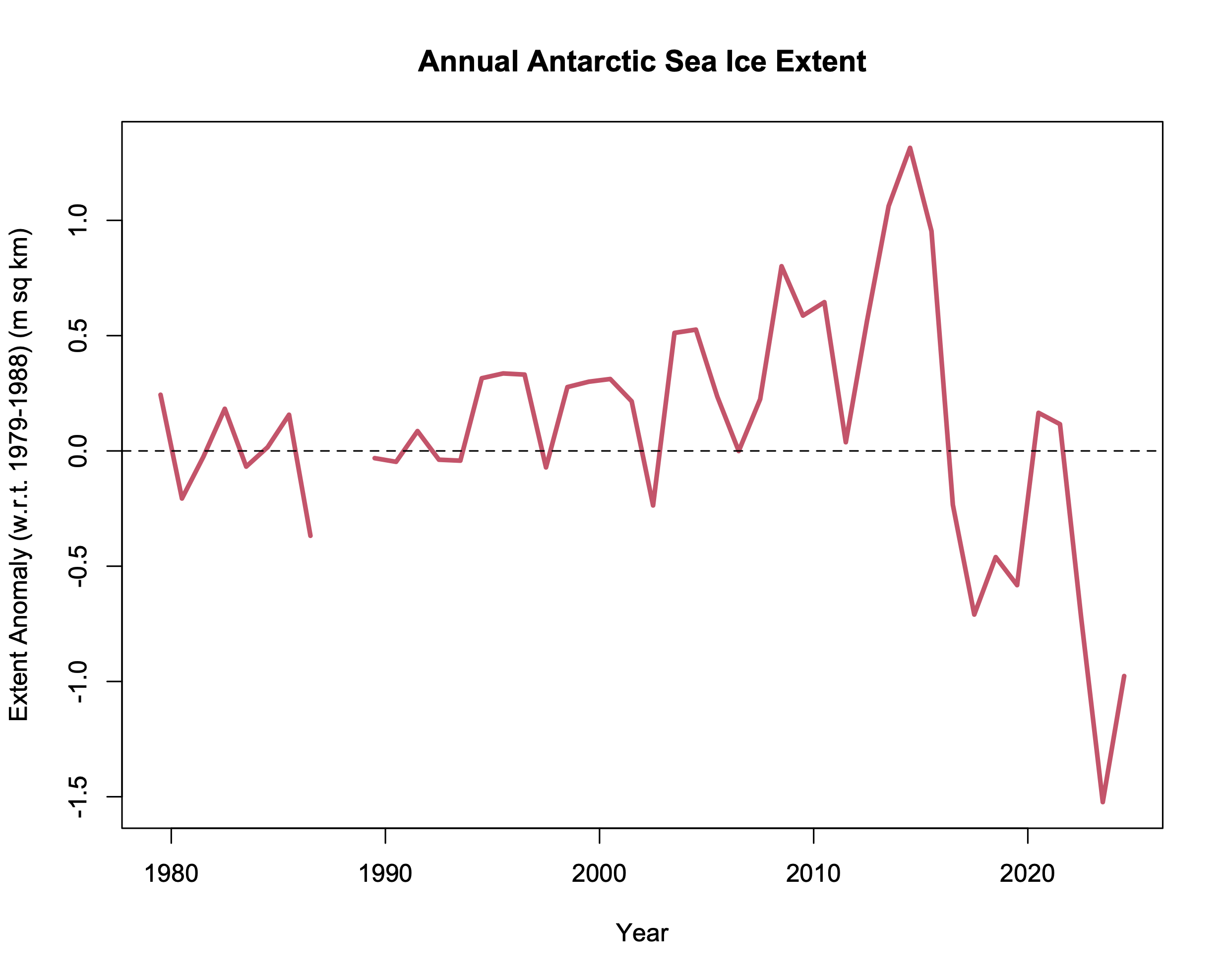
A scientific study warns that the rapid loss of Antarctic sea ice could be a critical climate tipping point, leading to irreversible effects such as sea level rise, altered ocean currents, and ecosystem damage, with some changes potentially continuing even if global warming is stabilized.
A study published in Nature Climate Change reveals significant shifts in Antarctic phytoplankton communities over nearly three decades, driven by reduced sea ice and iron availability, leading to a decline in diatoms crucial for carbon sequestration. These changes threaten to disrupt the marine food web and accelerate global climate change by decreasing the ocean's ability to store carbon, highlighting the importance of long-term data collection in understanding climate impacts.
A new study challenges the long-held belief that a thick, permanent ice shelf once covered the Arctic, revealing instead that the region was characterized by seasonal sea ice over the past 750,000 years, allowing for open water and marine life even during cold periods, which has important implications for understanding past and future climate change.
Recent measurements suggest a reversal in the salinity trend in the Southern Ocean around Antarctica, shifting from freshening to increased salinity, which complicates understanding of regional climate processes. While these changes are not large, they provide important clues about the complex interactions between sea ice, ocean circulation, and climate factors. The region's climate system is highly dynamic and challenging to model accurately, requiring integrated observations and advanced models to better predict future changes.
The Southern Ocean around Antarctica is becoming saltier and losing sea ice at an unprecedented rate, driven by a surprising feedback loop where increased salinity causes heat to rise from the depths, melting ice and further accelerating climate change impacts globally. This rapid change threatens ecosystems, sea levels, and weather patterns, highlighting the urgent need for continued monitoring and updated climate models.
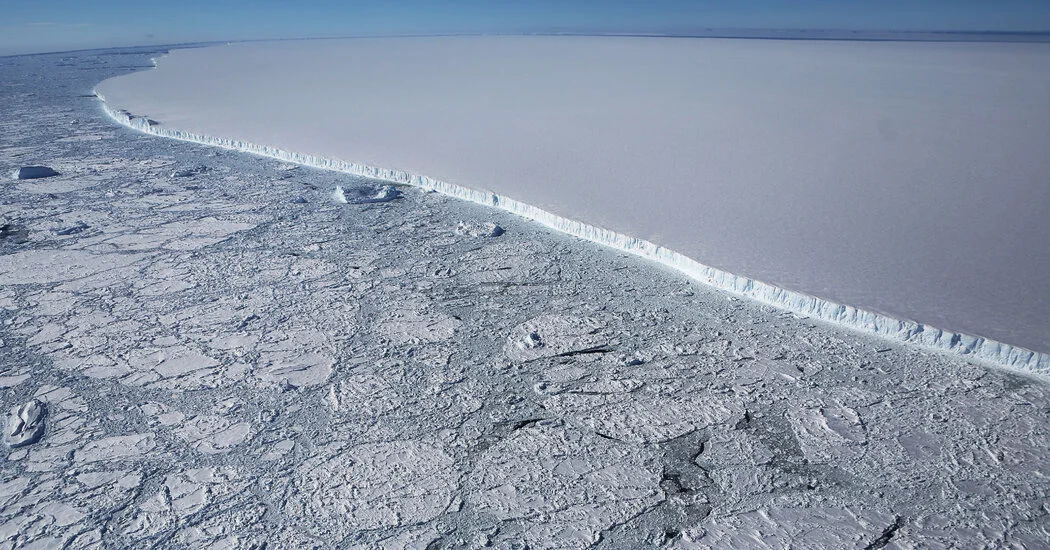
Scientists warn that the US Department of Defense's decision to stop sharing satellite data on sea ice could hinder global efforts to monitor climate change impacts, especially in Antarctica where record low sea ice levels are accelerating ice shelf calving and potential sea level rise, with broader ecological consequences.
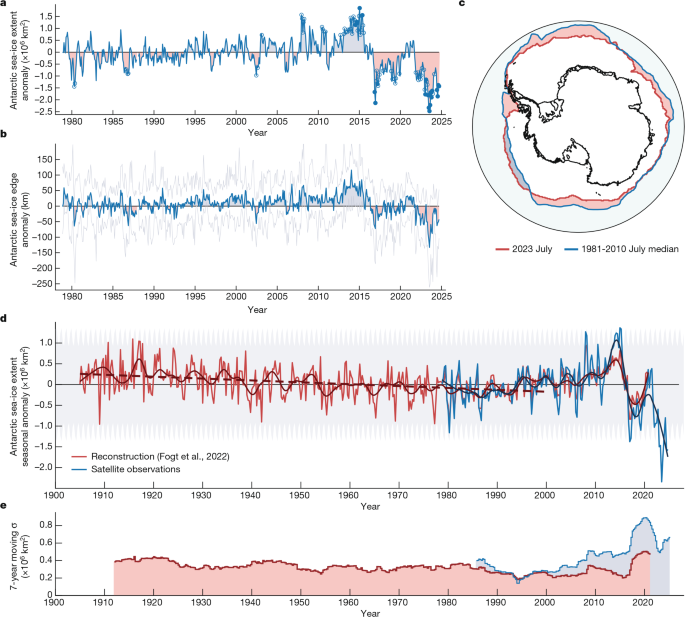
A recent study reveals that increasing salinity in the surface waters near Antarctica is accelerating sea ice melt, contributing to the observed decline in Antarctic sea ice over the past decade and indicating a shift to a new environmental system.
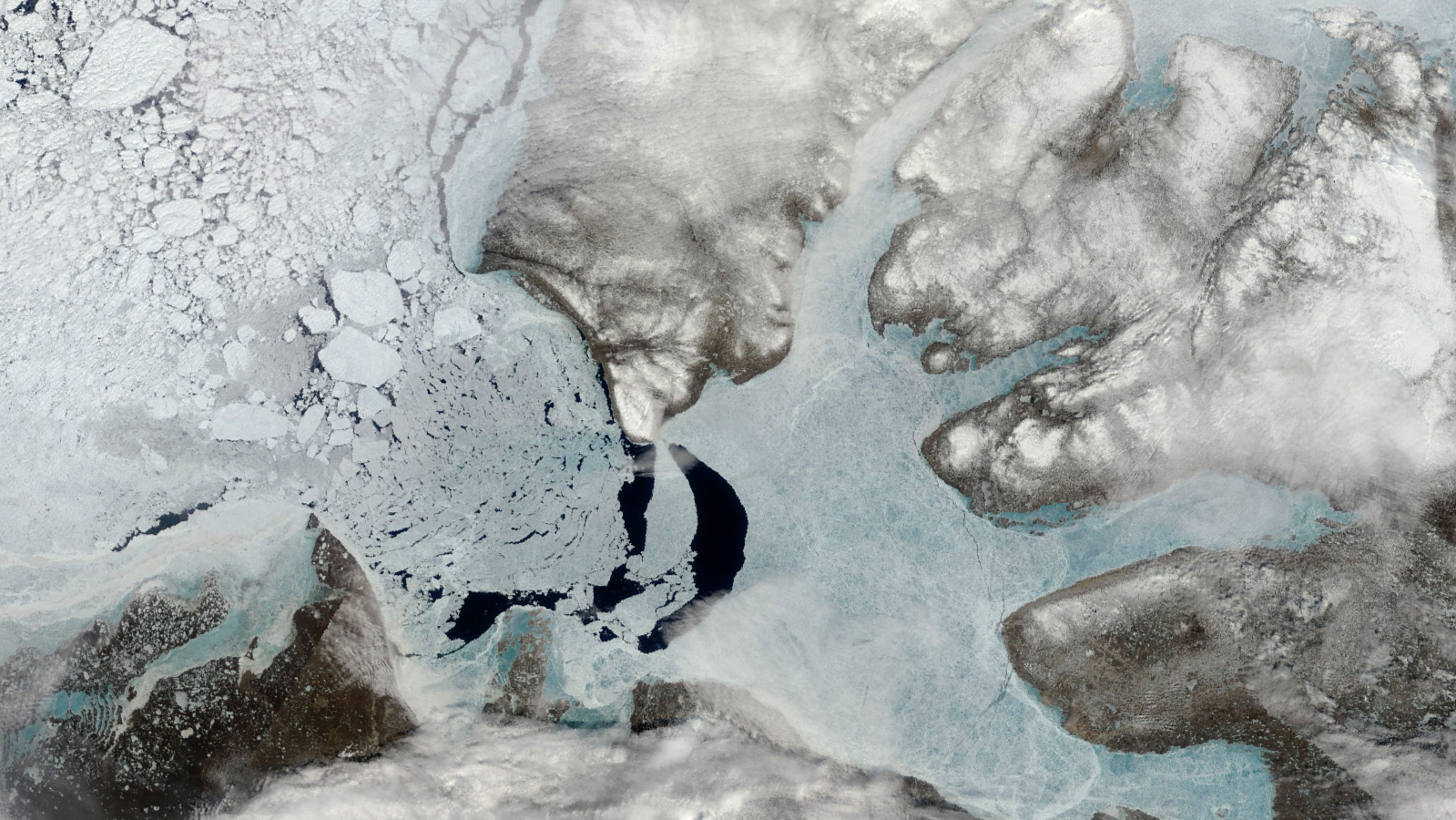
NASA satellite images show significant cracks forming in the sea ice of Canada's Amundsen Gulf, a region historically navigated by explorers like Roald Amundsen. The breakup of sea ice, driven by seasonal warming and wind, poses ongoing challenges for Arctic navigation and is indicative of broader climate change impacts in the region.
Scientists are alarmed by the second-lowest recorded Antarctic sea ice winter maximum, with only 6.6 million square miles covered, continuing a decade-long trend of decreasing ice. This phenomenon, potentially indicating a new state for Southern Ocean sea ice, is attributed to warm near-surface ocean temperatures rather than just rising air temperatures. While some experts caution against immediately linking this to global warming, the pattern aligns with the broader trend of rising global temperatures driven by fossil fuel use.
A UK start-up, Real Ice, is conducting a controversial geo-engineering project in the Canadian Arctic to thicken sea ice by pumping seawater onto the surface to freeze. The initiative aims to cover over 386,000 square miles to combat summer ice loss and address climate change. While some experts criticize the method as unproven and risky, Real Ice argues it mimics natural processes and offers a crucial opportunity to protect the Arctic ecosystem amid insufficient global climate action.
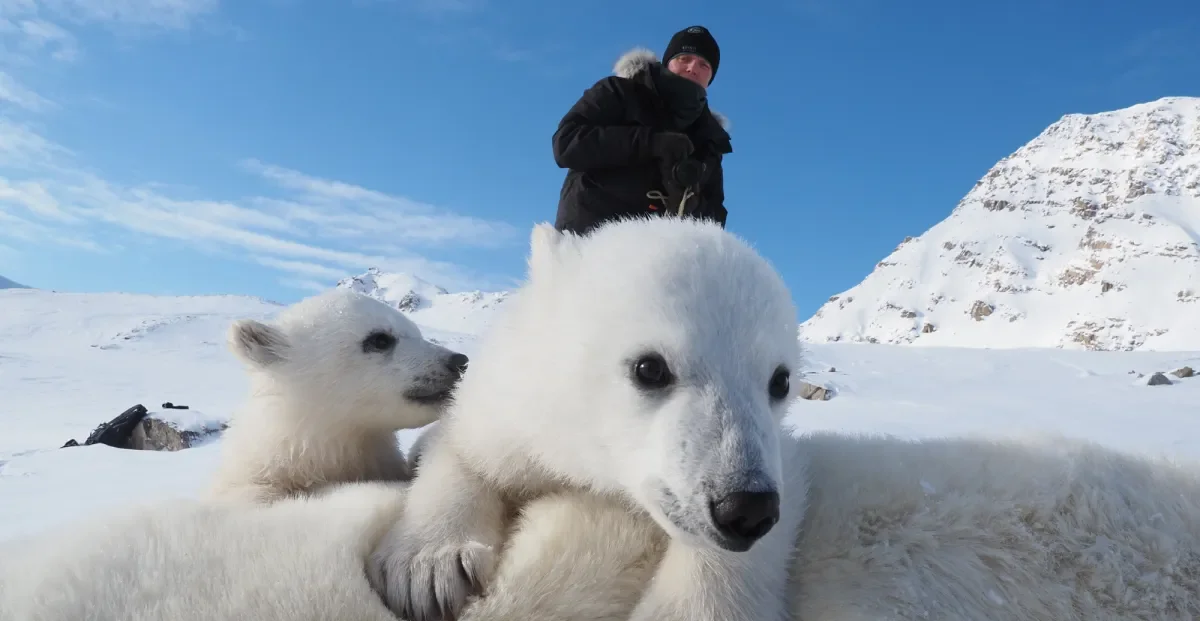
A new study predicts the Arctic Ocean could experience its first ice-free day as early as 2027, highlighting the rapid melting of Arctic sea ice due to climate change. Despite varying projections, all models indicate this milestone will occur by the 2030s, driven by greenhouse gas emissions. The loss of sea ice, crucial for regulating global temperatures and marine habitats, underscores the urgent need for emission reductions to delay this environmental shift.