Trump’s cuts to climate and other science funding have reduced federal contracts and funding for research, pushing small science-driven firms to lay off workers, seek nonfederal clients, and cope with stalled SBIR and indirect-cost cap changes as lawmakers debate the next science budget.
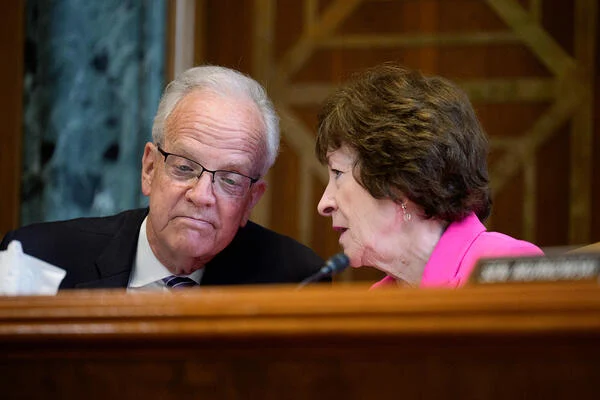
The Senate approved an 82-15 minibus funding bill that increases funding for NOAA, NASA, and NSF beyond the Trump administration’s requests, after the House passed it 397-28. The package funds agencies through Sept. 30, blocks proposed large cuts (NSF’s 57% cut, NASA science funding cuts, and NOAA cuts) and even adds money to NOAA’s satellite program and Weather Service staffing. It also protects indirect research costs. If signed by the president, the bill would maintain broader science funding while allowing for modest overall spending, reflecting bipartisan support for science and weather research.
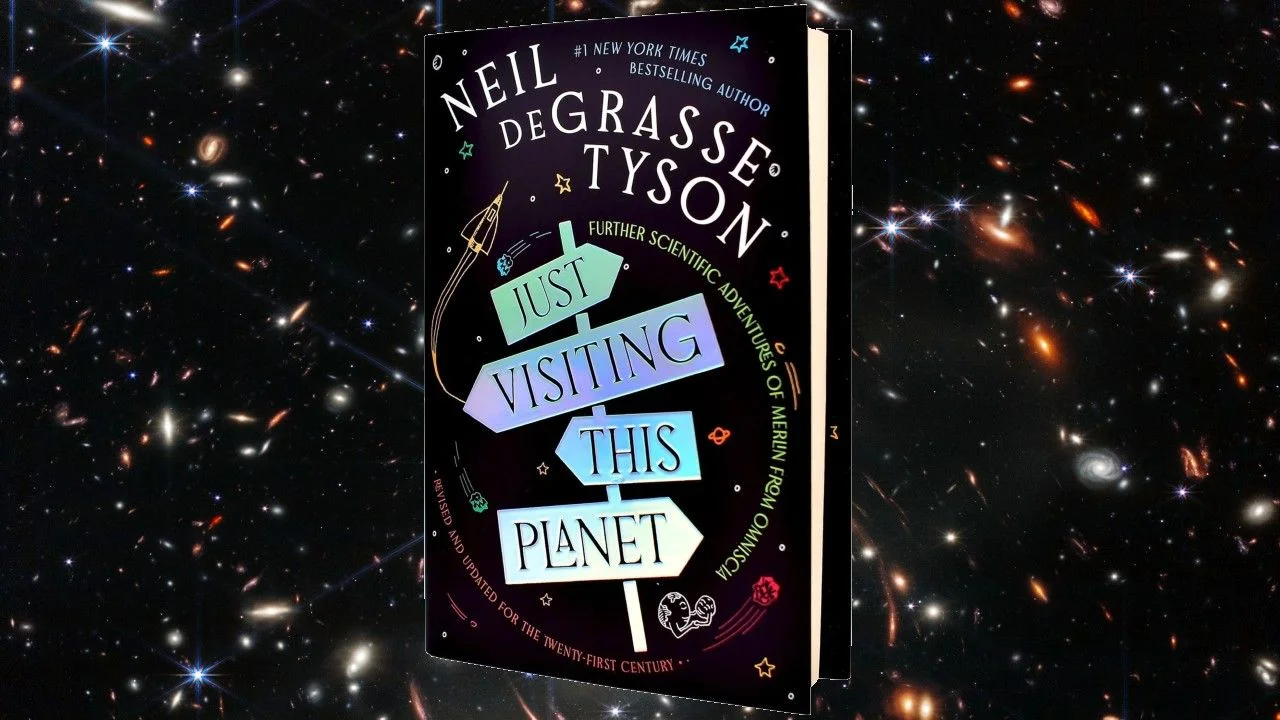
Neil deGrasse Tyson's new book, 'Just Visiting This Planet,' emphasizes the importance of science and warns against the dangers of defunding scientific research, highlighting its role in innovation and national progress, especially amid current budget cuts and global competition.
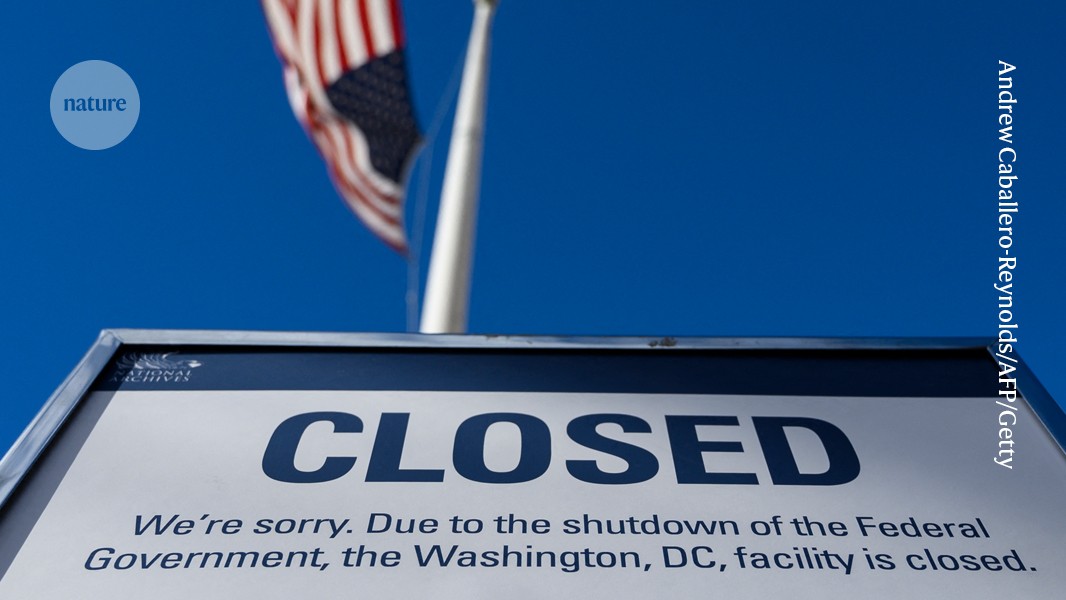
The US government shutdown beginning October 1st, due to Congress's failure to pass funding legislation, is unprecedented in its potential impact on science, with mass layoffs and suspension of research at agencies like NASA, NIH, NSF, and EPA, raising concerns about long-term effects on scientific progress and government research initiatives.
The Senate proposed a modest increase in funding for the National Science Foundation and other science agencies, rejecting the Trump administration's proposed large cuts, amidst ongoing debates over federal budget allocations and specific issues like the FBI headquarters location, with bipartisan support for science funding and concerns over potential government shutdowns.
All living former NASA Science Mission Directorate heads have jointly condemned the White House's proposed 47% cuts to NASA science activities in FY 2026, warning that these cuts threaten ongoing successful missions and future exploration efforts, and urging Congress to reject the budget proposal to preserve U.S. leadership in space science.
The Trump administration's budget cuts and restrictions on foreign students are causing a significant brain drain in the U.S., with scientists seeking opportunities abroad and U.S. science funding slowing down, potentially harming America's position as a global science leader.
The NASA Glenn Research Center in Ohio faces severe cuts under Trump's proposed budget, risking the loss of over 550 jobs and the cancellation of major projects, reflecting broader concerns about the administration's impact on science and research funding.
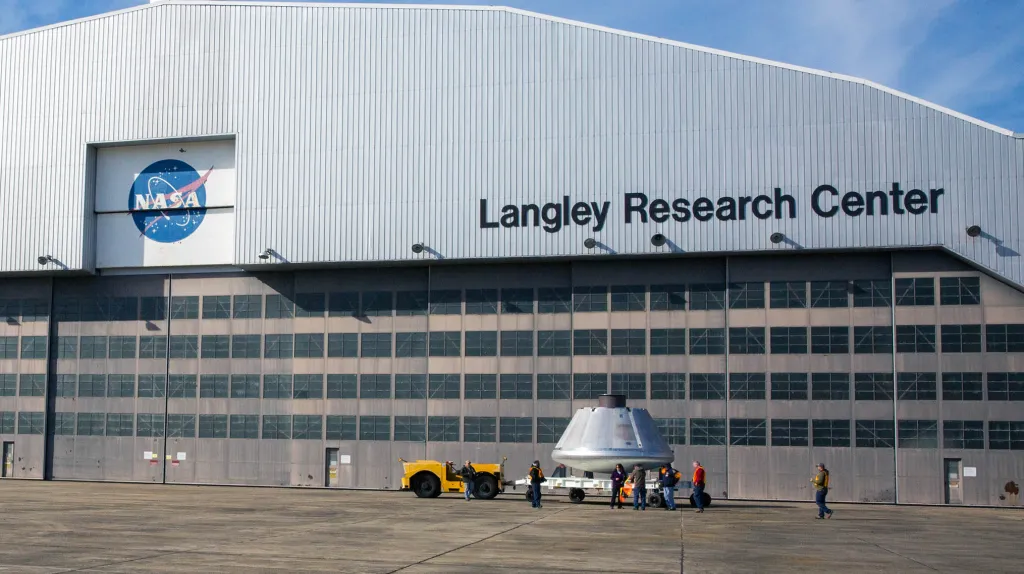
The Trump administration's proposed federal budget would significantly cut NASA's funding by about a quarter, leading to the loss of 672 jobs at NASA Langley and reductions in science programs, sparking concerns about the impact on scientific research and the local economy in Hampton Roads.
The Trump administration's proposed budget significantly cuts NASA's funding by 25%, eliminating 40 missions across various fields including solar, planetary, Earth, lunar, and space exploration, which could halt or delay critical scientific research and exploration efforts.
The White House has significantly cut science funding but now aims to 'correct' research, prompting criticism from thousands of scientists who oppose the administration's approach to restoring a 'gold standard' for science across federal agencies.
In an era of declining trust in science, scientists must change their approach to regain public trust and secure funding. The decrease in funding for scientific research has led to dysfunctional relationships within the scientific community, affecting collaboration, career prospects, and science communication. To rebuild trust, scientists should prioritize long-term research plans over excessive publishing, offer more high-risk/high-reward programs, reduce the number of short-term postgraduate positions, and improve science communication through training and direct engagement with the public. These efforts can help restore trust, secure funding, and ensure the future of science.
Javier Milei, the front runner in Argentina's upcoming presidential election, has pledged to shut down the country's main science agency, CONICET, which provides funding for thousands of researchers. Milei, a libertarian candidate, believes that privatizing science and research funding would help end Argentina's fiscal crisis. The scientific community in Argentina is alarmed at the possibility of Milei's presidency, as they argue that state investment in science is crucial for the country's development. Milei's controversial proposals also include closing the environment and health ministries, abolishing public-health and education systems, and allowing the sale of organs for profit. If elected, researchers fear a brain drain as talented scientists may leave the country to seek opportunities elsewhere.