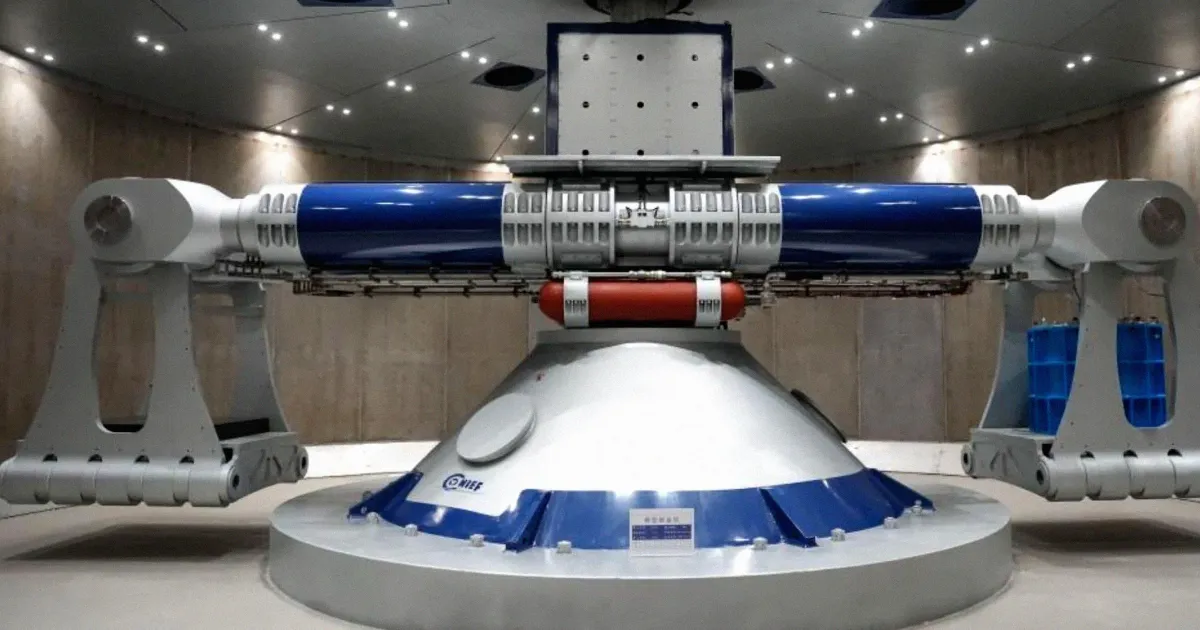
China has developed the CHIEF1900, the world's most powerful hypergravity machine capable of generating forces nearly 2,000 times Earth's gravity, enabling researchers to simulate extreme conditions for studying materials, structures, and catastrophic events, surpassing previous centrifuge records and opening new avenues for scientific discovery.
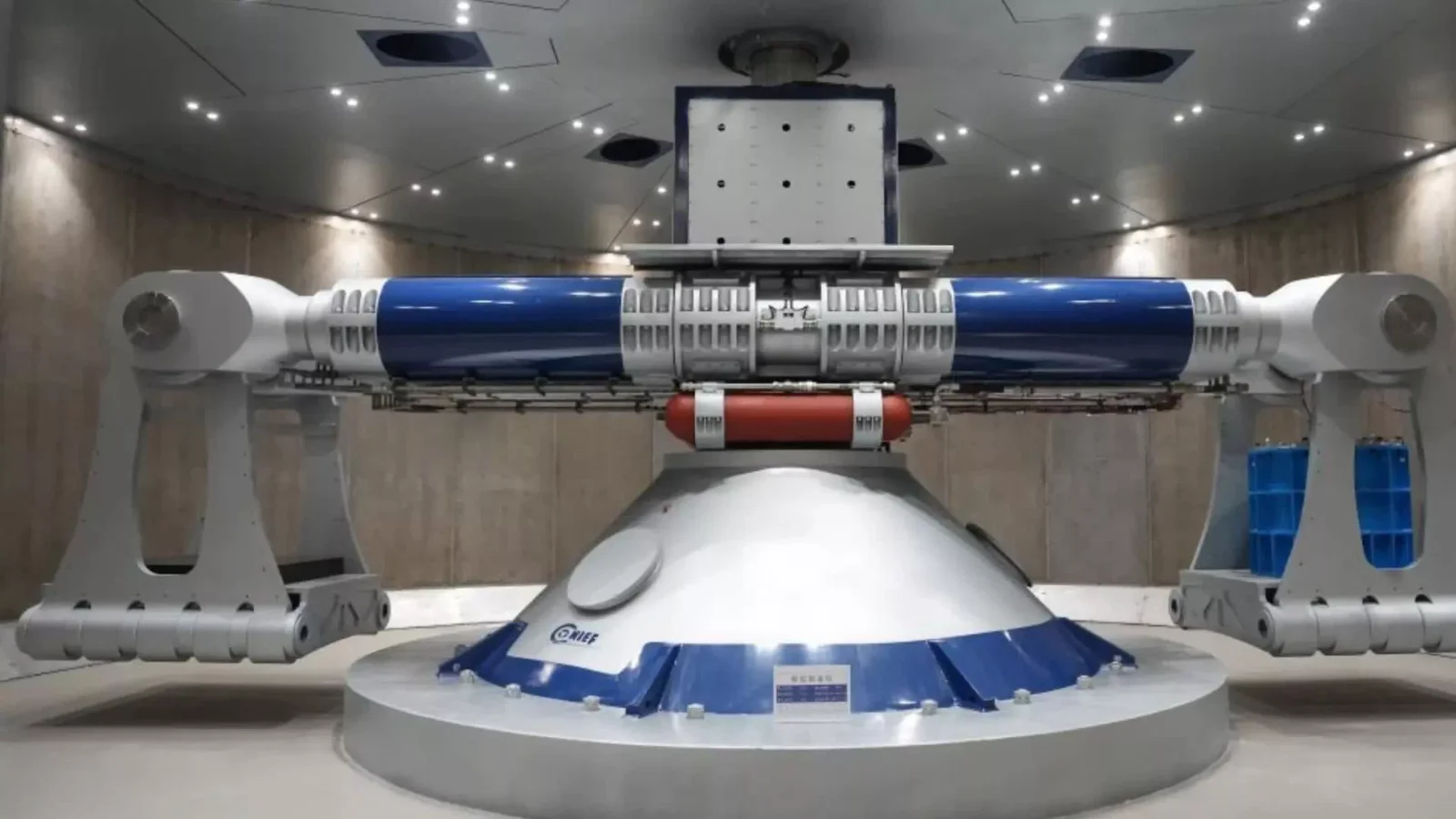
China has unveiled the world's most powerful hypergravity centrifuge, CHIEF1900, capable of generating 1,900 times Earth's gravity, to advance research in materials, biological systems, and engineering by simulating extreme gravitational conditions efficiently.
China has developed a new hypergravity centrifuge, CHIEF 1900, capable of generating accelerations of 1,900 g·tonne, to study materials and fundamental physics under extreme conditions, with applications in civil engineering and scientific research, though such forces are lethal to humans.
China has launched the Centrifugal Hypergravity and Interdisciplinary Experiment Facility (CHIEF) in Hangzhou, featuring the world's most advanced hypergravity machine. This facility, capable of generating forces thousands of times greater than Earth's gravity, aims to enhance understanding of geological and engineering processes. The CHIEF centrifuge surpasses the US Army Corps of Engineers' previous record-holder, marking a significant advancement in hypergravity research. The project, part of China's 13th Five-Year Plan, cost approximately $276.5 million and is expected to support major engineering and scientific research.
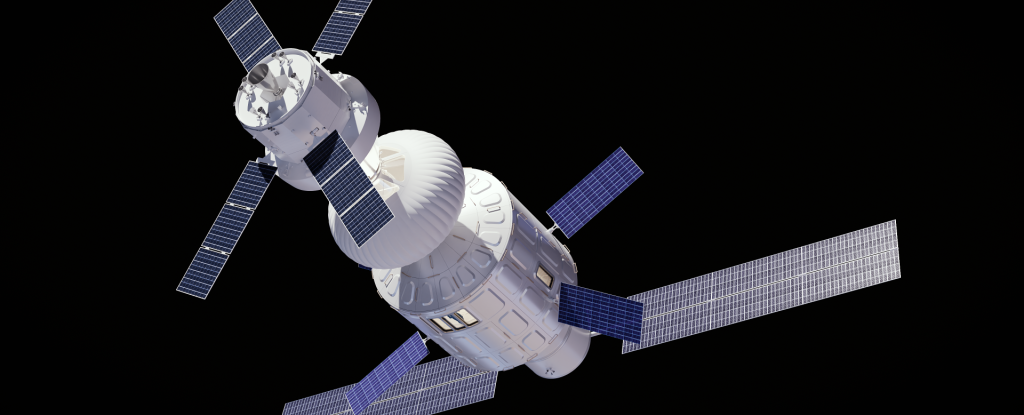
Airbus has proposed a Multi-Purpose Orbital Module (MPOP) called the Airbus LOOP, which contains three decks, a centrifuge, and enough volume for a crew of four, making it suitable for future space stations and long-duration missions to Mars. The Centrifuge consists of two weights and two crew pods that simulate gravity for two crewmembers at a time. The LOOP could occupy a role similar to what NASA had in mind with his proposed Non-Atmospheric Universal Transport Intended for Lengthy United States Exploration (Nautilus-X) concept.