Researchers describe ionocaloric cooling, a salt-driven thermodynamic cycle that uses ion transport to shift a fluid’s melting point and absorb heat during phase change, potentially delivering a safer, low-GWP alternative to conventional refrigerants with scalability for cooling (and heating) applications.
Scientists have developed a new ionocaloric cooling method that uses salt and phase change principles to cool efficiently and environmentally friendly, potentially replacing traditional refrigerants with high global warming potential.
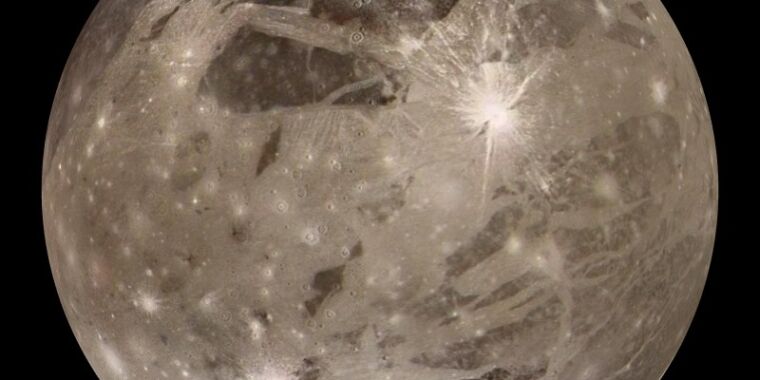
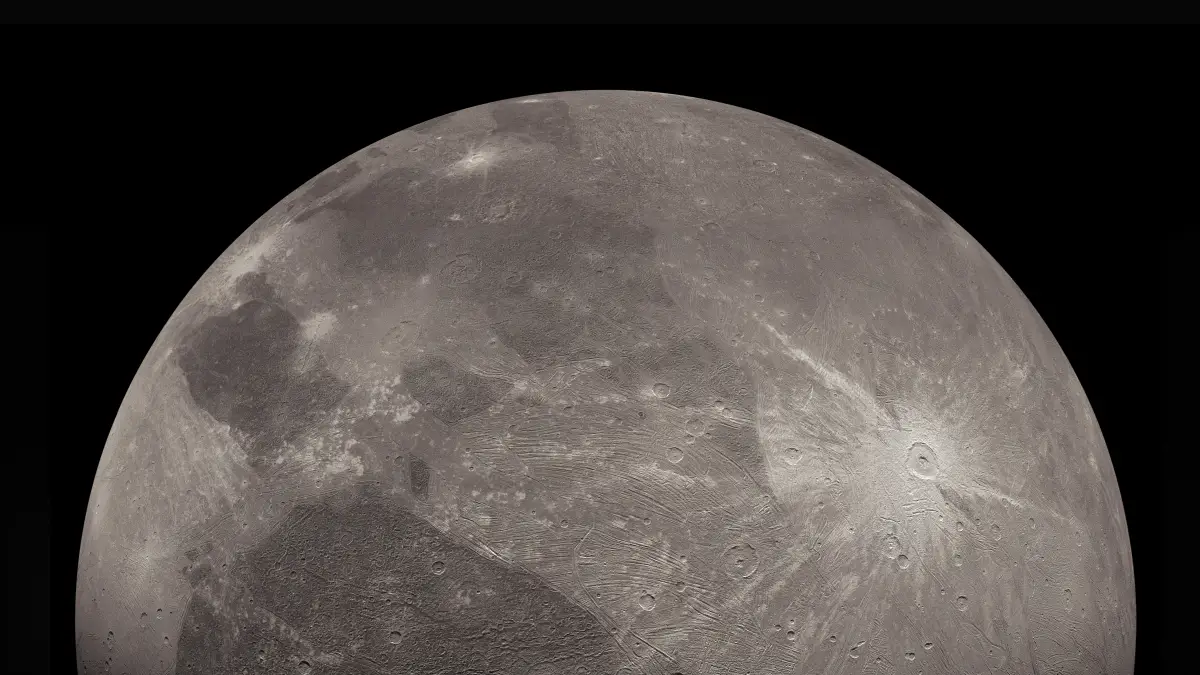
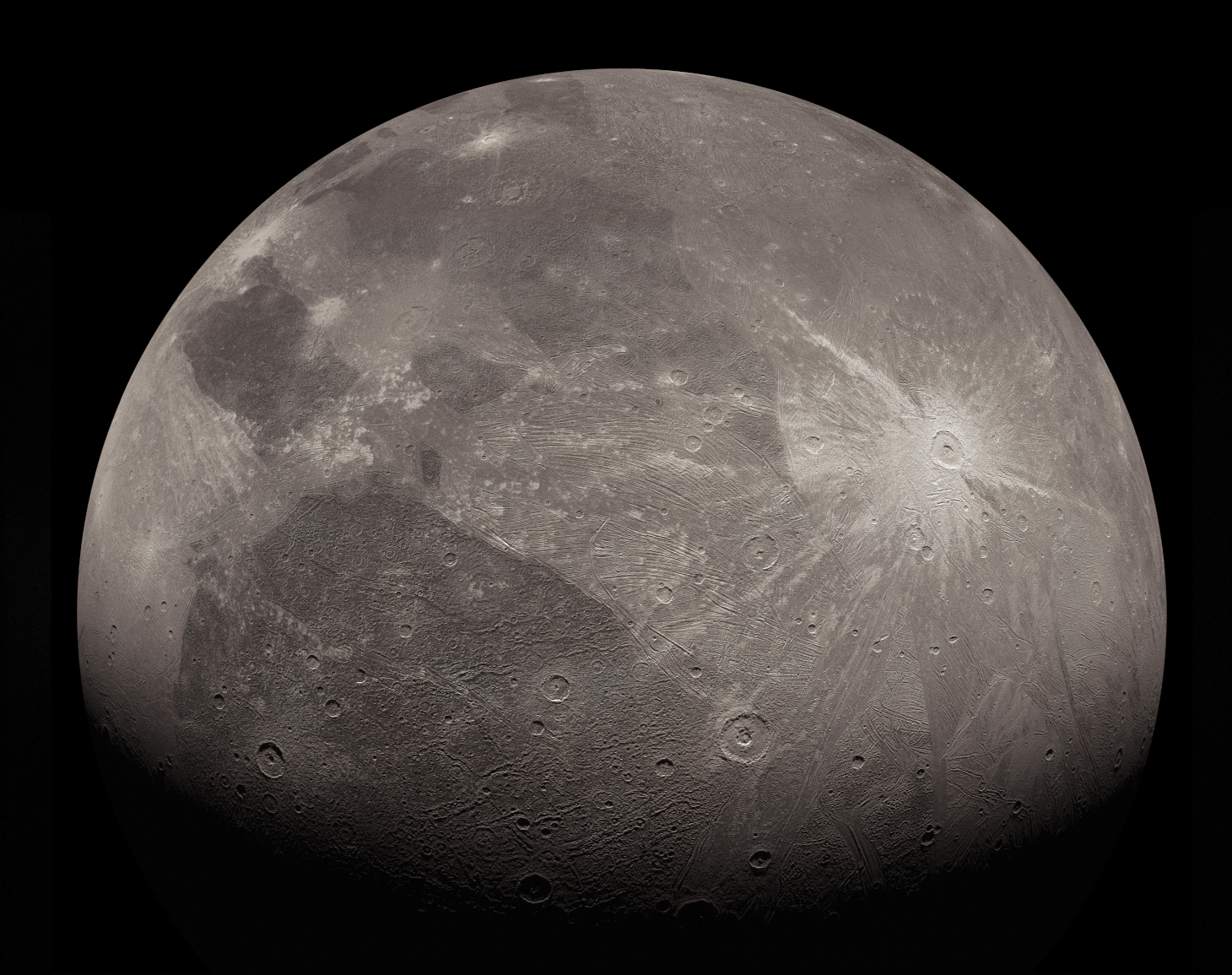
NASA's Juno mission has detected salts and organic compounds on Jupiter's moon Ganymede, providing strong evidence of a subsurface ocean beneath its icy crust. The salts and organics suggest an endogenic origin, possibly rising from the depths of Ganymede through cracks in the surface. While the presence of organics does not guarantee the presence of life, it raises the possibility of Ganymede's potential to support life. Further research is needed to determine the exact origin of the compounds and the extent of Ganymede's ocean.
NASA's Juno spacecraft, during its flyby of Jupiter's moon Ganymede in 2021, has discovered the presence of mineral salts and organic compounds on the moon's surface. The high-resolution spectroscopic observations made by Juno's Jovian Infrared Auroral Mapper (JIRAM) spectrometer revealed the presence of hydrated sodium chloride, ammonium chloride, sodium bicarbonate, and possibly aliphatic aldehyde. These findings provide insights into Ganymede's formation and the composition of its deep subsurface ocean. The localized distribution of these compounds suggests that Ganymede's magnetic field shields them from surrounding radiation. Further investigations by upcoming missions like ESA's JUICE and NASA's Europa Clipper will provide more detailed observations of Ganymede and other icy moons in Jupiter's system.
NASA's Juno mission has discovered mineral salts and organic compounds on the surface of Jupiter's moon Ganymede. The Jovian InfraRed Auroral Mapper (JIRAM) spectrometer aboard the spacecraft collected data during a close flyby, revealing the presence of hydrated sodium chloride, ammonium chloride, sodium bicarbonate, and possibly aliphatic aldehydes. These findings provide insights into the composition of Ganymede's deep ocean and its formation process. The spatial resolution of the JIRAM data was unprecedented, allowing scientists to analyze the unique spectral features of non-water-ice materials. Ganymede, the largest moon of Jupiter, has long been of interest due to its hidden internal ocean of water beneath its icy crust.