Tesla's robotaxi, introduced in Austin, faces significant challenges including safety concerns and operational errors, with incidents during its debut highlighting the technology's current limitations despite Elon Musk's optimistic vision for autonomous driving.
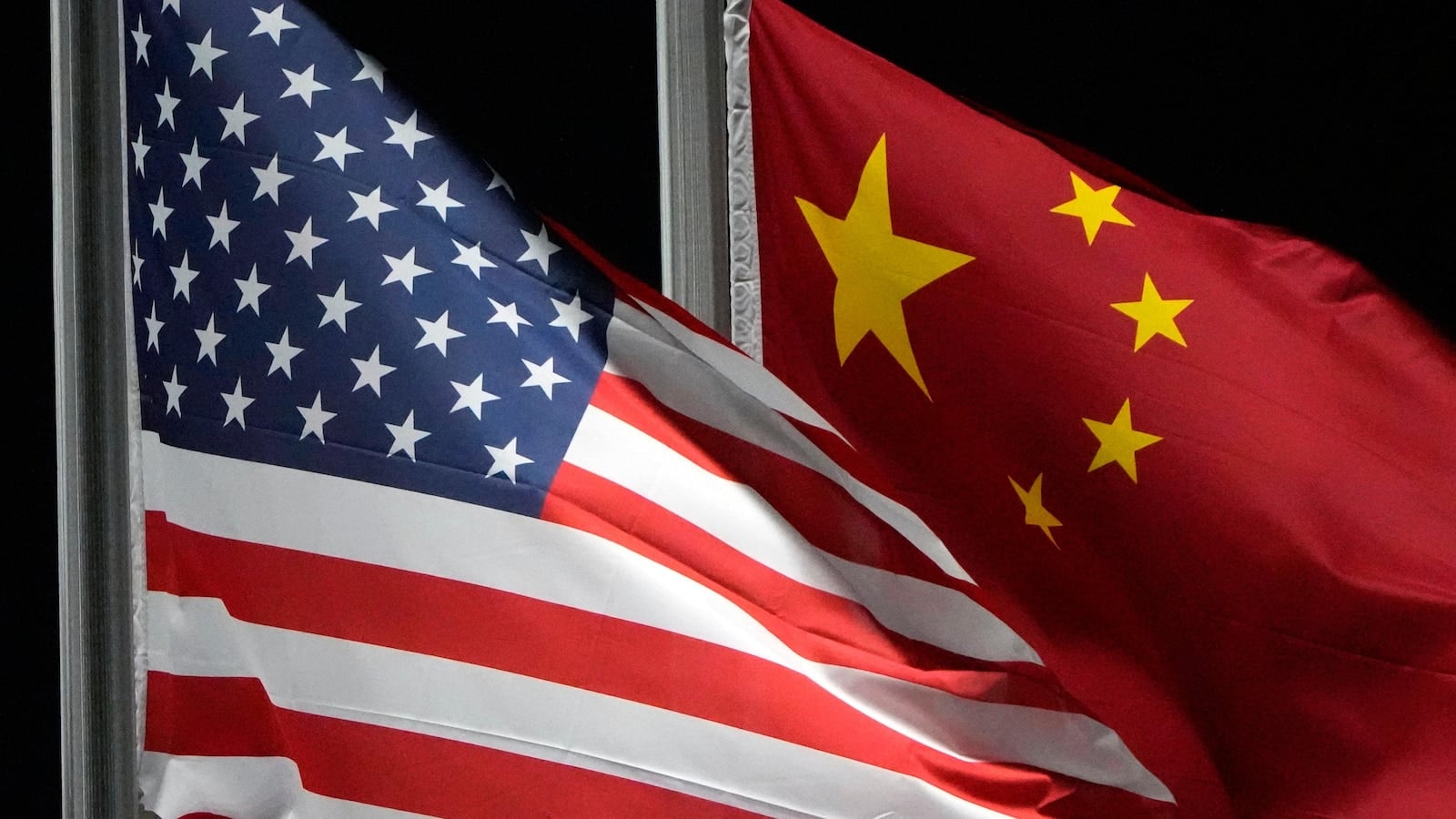
After a nearly two-year hiatus, U.S. and Chinese defense officials have resumed talks on unsafe and aggressive incidents involving their militaries in the Pacific region, aiming to enhance safety in the air and at sea. The meeting in Hawaii marks a thaw in relations between the two countries, with discussions focusing on specific incidents and broader policy issues. Both sides have expressed commitment to open communication and have noted a reduction in unsafe incidents by Chinese military aircraft and ships in recent months. The talks come amid ongoing tensions over Taiwan and the South China Sea.
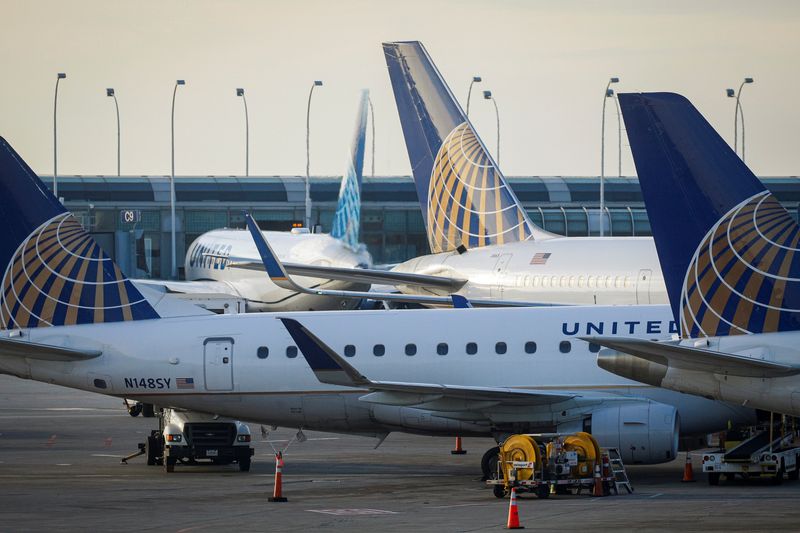
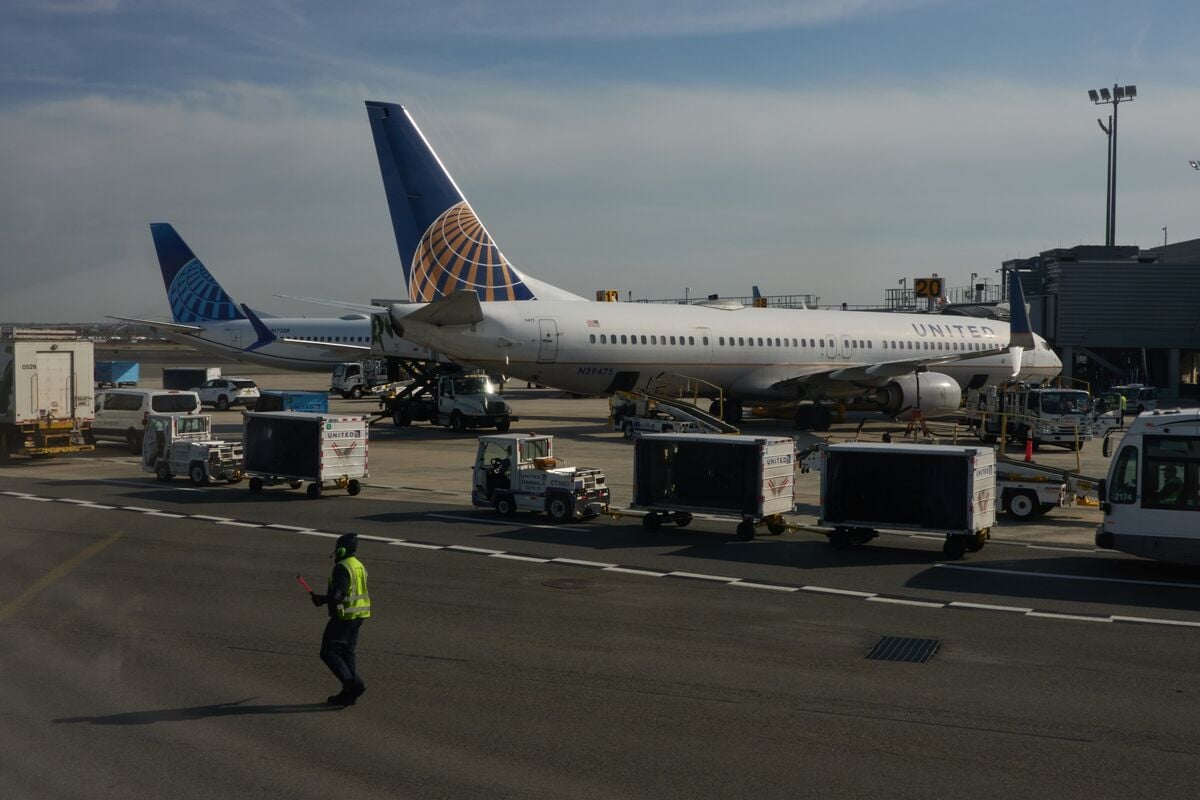
The U.S. Federal Aviation Administration is reportedly considering measures to restrict United Airlines' growth, including potentially preventing the carrier from adding new routes and barring it from flying paying customers on newly delivered aircraft, following a series of safety incidents. The FAA's safety assurance system is monitoring all aspects of the airline's operation, and U.S. safety regulators will increase scrutiny of United after recent incidents, including a missing panel on an aircraft, a Boeing 737 MAX rolling onto the grass, and a Boeing 777-200 losing a tire after takeoff. United's corporate safety vice president stated that the FAA will be reviewing the airline's work processes, manuals, and facilities in the coming weeks.
The FAA is considering imposing restrictions on United Airlines, including preventing the carrier from adding new routes and barring the airline from flying paying customers on newly delivered aircraft, following a series of safety incidents.
United Airlines informed employees of an upcoming review by the Federal Aviation Administration (F.A.A.) following a series of safety incidents, including a plane veering off a runway, a missing panel, a lost tire, and an engine fire. The F.A.A. will scrutinize the airline's operations more closely, focusing on compliance with regulations, hazard identification, risk assessment, and safety management. United's CEO reassured customers of the airline's commitment to safety, while experts caution against drawing broad conclusions from the incidents, which are common in aviation and often unreported.
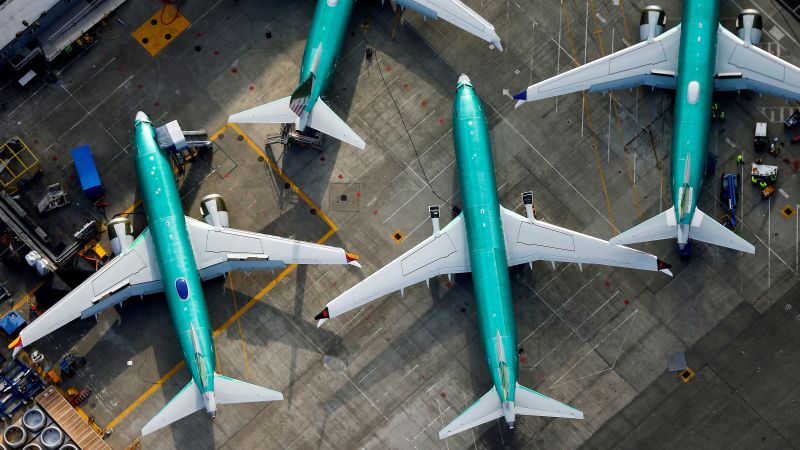
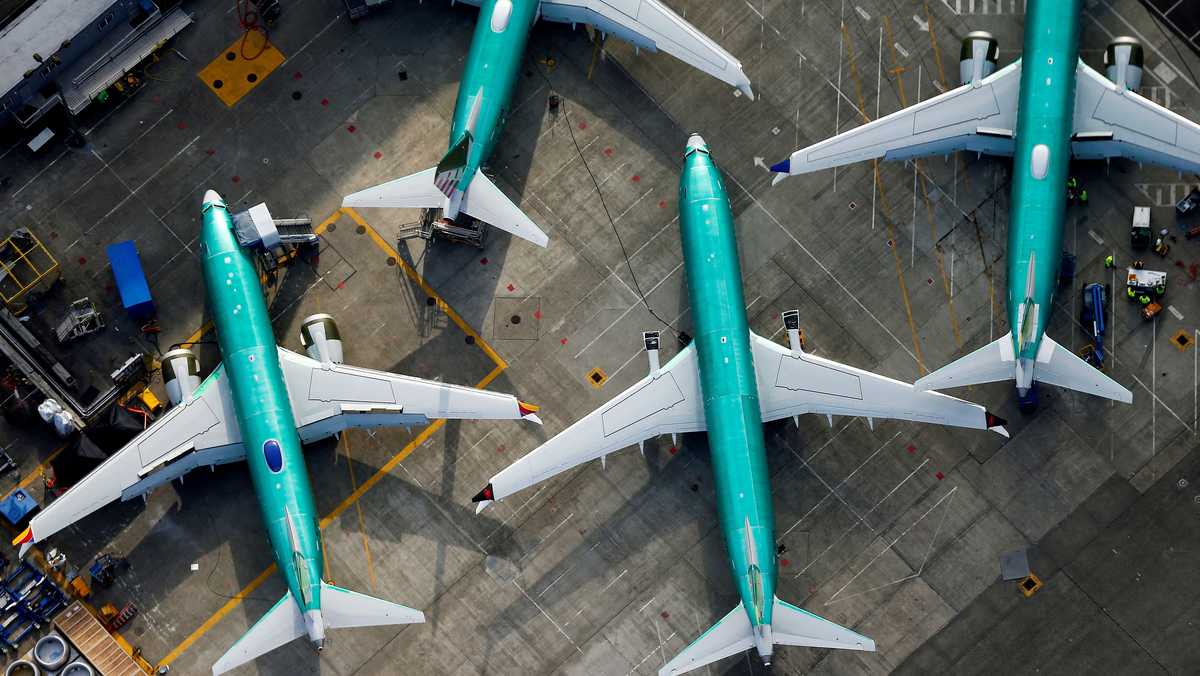
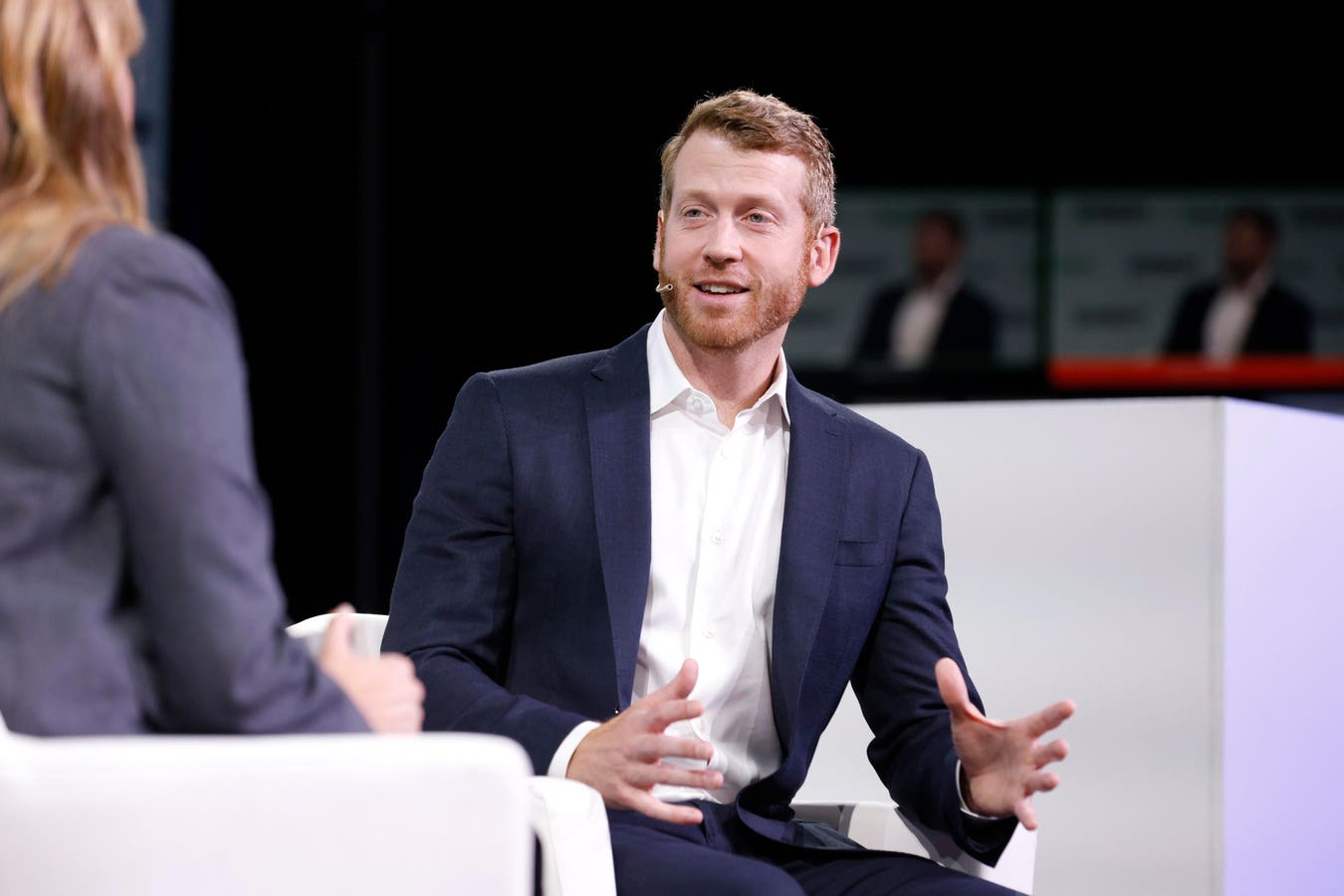
Boeing removed the head of its 737 Max program, Ed Clark, following ongoing safety incidents, including a midair blowout and a recent door plug issue. The National Transportation Safety Board found that missing bolts caused the door plug to blow out on a Boeing 737 Max flown by Alaska Airlines. Boeing CEO Dave Calhoun took responsibility for the incident, and the company announced a shuffling of executives in its Boeing Commercial Airplanes unit. The problems have also led to the postponement of certification for new versions of the jet, and the CEOs of major Boeing customers have expressed doubts about receiving their orders anytime soon.
Boeing removed the head of its 737 Max program, Ed Clark, following ongoing safety incidents, including a midair blowout and a recent door plug issue. The National Transportation Safety Board found that missing bolts caused the door plug incident, prompting Boeing CEO Dave Calhoun to take responsibility. In response to Clark's departure, Boeing announced a reorganization of executives in its Commercial Airplanes unit, creating a new position for quality oversight and shuffling responsibilities among senior leaders.
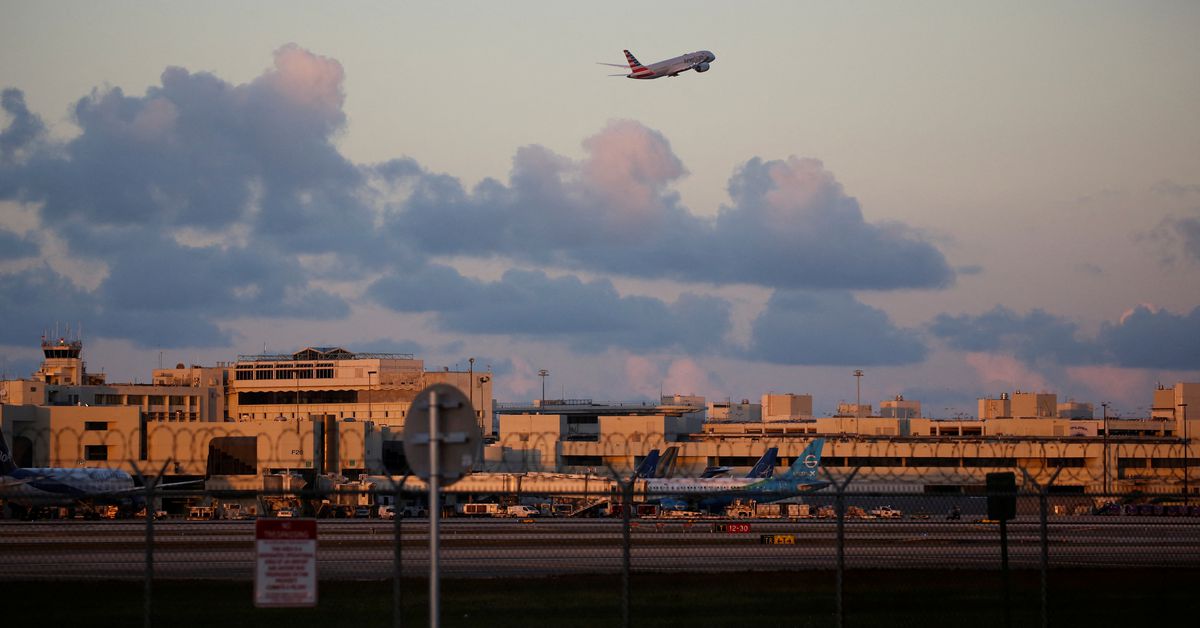
A Boeing-manufactured Atlas Air 747 cargo plane was forced to make an emergency landing in Florida after one of its engines burst into flames shortly after takeoff from Miami en route to Puerto Rico. Video footage captured the frightening malfunction, showing the plane streaking across the sky while on fire. A "softball-size hole" was discovered above the engine during a post-flight inspection, and the cause of the mid-air inferno remains unclear. This incident adds to Boeing's recent troubles, including an Alaska Airlines flight interrupted by a sudden rupture to its hull, prompting serious safety concerns and investigations by the Federal Aviation Administration.
Kyle Vogt has resigned as CEO of Cruise, General Motors' robotaxi subsidiary, following a serious road incident that led to the suspension of Cruise's operations in California and other US locations. Mo Elshenawy will take over as President and CTO, while Craig Glidden will serve as President. Cruise has faced a series of safety incidents, including traffic blockages and crashes, raising concerns about the company's rapid expansion. The recent incident involved a pedestrian being dragged by a Cruise vehicle, which was not initially disclosed to the California DMV. The incident has highlighted the need for transparency and accountability in the development of autonomous vehicles.
California has suspended Cruise's permits to operate self-driving cars on public roads due to safety concerns and the company's alleged misrepresentation of key facts. The state's department of motor vehicles stated that Cruise's vehicles pose a danger to the public. Cruise can still operate its vehicles with safety drivers, but its permits for driverless operations have been revoked. The suspension comes after incidents involving Cruise's self-driving cars, including a pedestrian being hit by a car with a human driver and then run over by a Cruise self-driving car. The National Highway Traffic Safety Administration has also opened an investigation into Cruise over safety concerns.
President Joe Biden's nominee to head the Federal Aviation Administration (FAA), Phil Washington, has withdrawn his nomination after facing criticism from Republicans who claimed he was not qualified to serve as the top aviation regulator. The FAA has faced questions in recent months after a series of close-call safety incidents. The White House plans to nominate a new candidate for FAA administrator soon.